





Copyright © 2026 Fluent Conveyors, LLC. All rights reserved.

The Fluent Conveyors logo is a registered trademark of Fluent Conveyors, LLC. Serial Number 97664258 Registered on Dec. 12, 2023


Copyright © 2026 Fluent Conveyors, LLC. All rights reserved.
The Fluent Conveyors logo is a registered trademark of Fluent Conveyors, LLC. Serial Number 97664258 Registered on Dec. 12, 2023

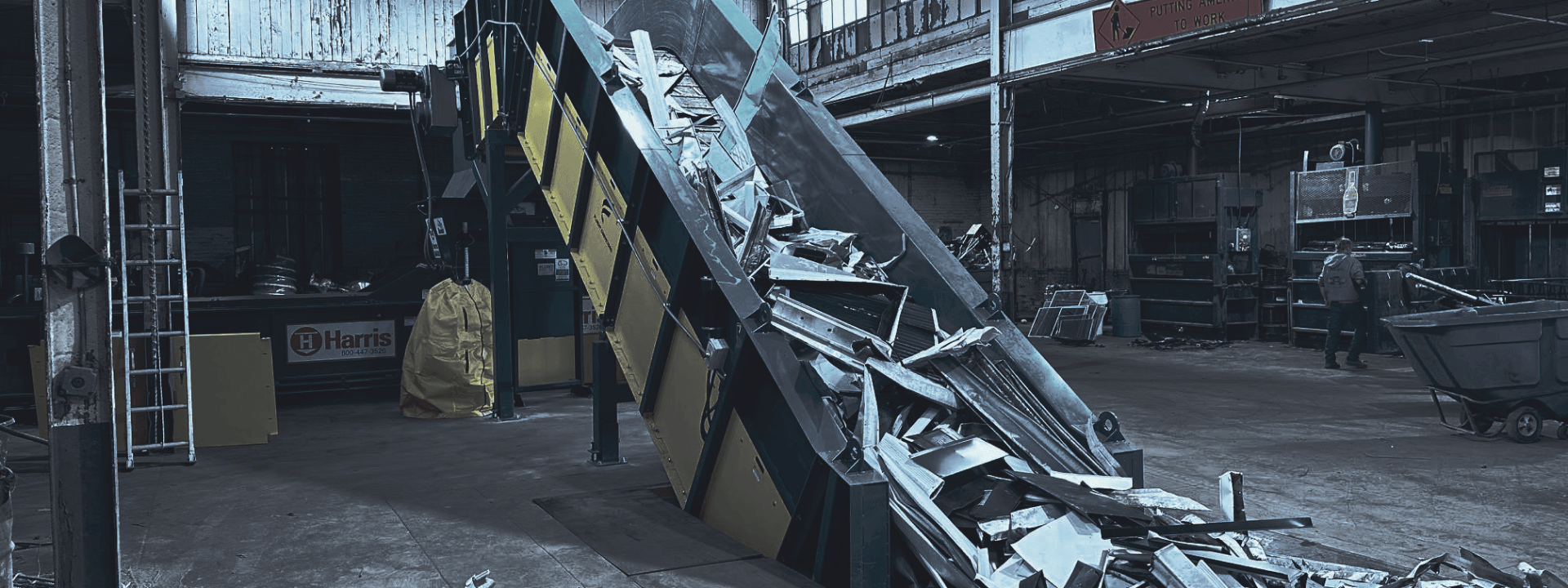
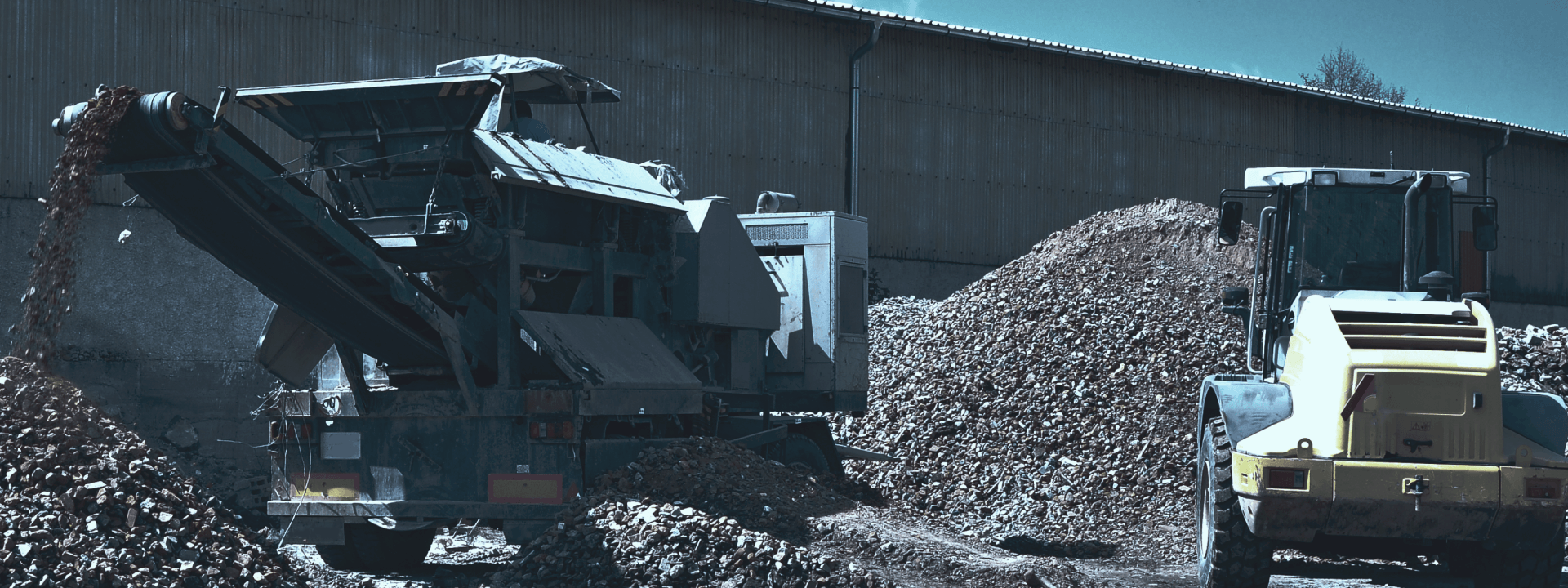
The EPA estimates that 600 million tons of construction and demolition debris are generated in the United States each year, more than double the volume of municipal solid waste. Much of that material passes through mobile shredders before reaching recycling or disposal. Integrally molded belts are the cleated, single-piece belts that carry shredded material out of shredding machines. This page covers how integrally molded belts are built, how they’re used, how they fail, and what affects service life.

An integrally molded belt is a single cured unit. The carcass, the top and bottom covers, and the cleats are bonded into one continuous piece of material rather than assembled from a flat belt with cleats mechanically fastened or hot-vulcanized on top. Heavy-duty integrally molded belts are purpose-built for service conditions that would rapidly destroy an assembled belt, and mobile shredding is one of the most demanding of those applications.
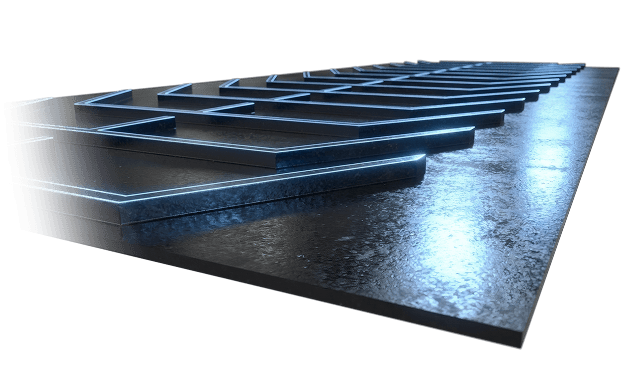
Shredder service exposes the belt to four combined stressors that degrade general-purpose belts quickly.
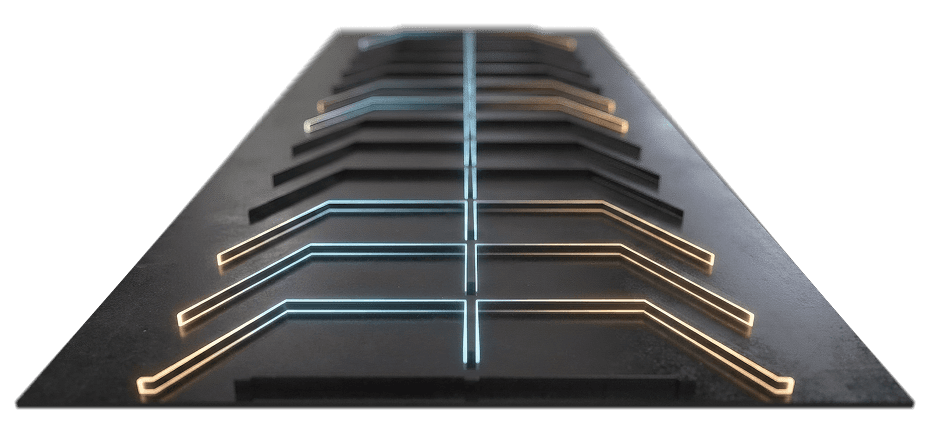
Any cleat bond, splice joint, or layer interface on an assembled conveyor belt becomes a potential failure point under this combination of forces. Integrally molded construction removes those failure points.
All conveyor belts eventually wear out. The following belt failure modes are most common for shredders.

This is the dominant failure mode on a molded belt in shredder service. Sharp fragments damage the cover over thousands of loading cycles, eventually exposing the carcass
Once carcass plies are visible, the belt is past its service life (water and debris enter the carcass, tensile strength drops, and the belt begins to stretch or tear unpredictably). The top cover thickness and compound determine how long this takes. Learn more about conveyor belt wear failure.
On a spliced molded belt, the splice is a wear-concentration zone. Mechanical splices see fastener loosening and localized cover wear around the fasteners; endless vulcanized splices see cover wear tracking back into the splice line from loading above.
Either way, splice replacement rather than full belt replacement is often the next maintenance step once the splice starts failing ahead of the rest of the belt.
Assembled cleated belts can also be used on mobile shredders, but they should only be used for short-term service or as emergency replacements. Here’s why:
On a production shredder processing scrap metal, C&D, or tires, the upfront savings on a spliced belt evaporate within the first season, and the total cost of ownership ends up higher than a molded belt would have cost in the first place.

Engineers specify the following five variables when choosing a mobile shredder belt.

The carcass is made of multiple plies of polyester or nylon fabric that carry tensile force down the belt and resist longitudinal stretch. Ply count and fabric weight are sized to working tension, with headroom for impact spikes at loading. Impact headroom matters more on shredder belts than on most other applications, because drop-impact loads at the feed end are routinely near the belt’s rated capacity. Undersizing the carcass leads to stretch and mistracking; oversizing adds stiffness that fights the small pulley diameters common on mobile shredders.
The covers are the wear surfaces. Shredder belts typically start with a moderately oil-resistant (MOR) rubber compound that balances cut-and-gouge resistance against hydrocarbon exposure from the material stream. Heat-resistant compounds are specified where friction, residual processing heat, or the material itself drives elevated belt temperatures; flame-retardant compounds are specified where the material stream or operating environment warrants them.
Thicker top covers extend service life, up to a point. Beyond that point, added thickness just adds weight and stiffness that work against small pulley diameters and against the carcass’s ability to flex smoothly around the terminal pulleys. Field practice is to match top cover thickness to expected run hours between belt changes rather than specifying the thickest available option.
Cleat height governs how much material the belt can carry up an incline before slipback. Spacing governs discharge fluidity (too close and material packs between cleats, too far and retention drops off at the top of the run). Profile, whether chevron, bullhorn, plain, or a proprietary shape, governs how material flows off the belt at the discharge end. When height, spacing, or profile is mismatched to the application, cleat chunking or leading-edge deformation shows up within the first season. The failure signals either an impact load above the cleat’s rated capacity or a profile that’s wrong for the material rather than a defect in the belt itself.
Endless vulcanized splices nearly match the mechanical properties of the surrounding material and deliver the longest service life. Mechanical splices trade some of that life for field-replaceability, which is why some shredder operators favor mechanical splices.
Mobile shredders use integrally molded belts in two positions. The infeed belt carries feedstock into the cutting chamber; the discharge belt carries shredded material out to a haul truck, bunker, or downstream conveyor. The discharge position sees the harsher duty (higher impact at loading, more abrasive material, steeper inclines), so it’s typically where molded construction is most justified.
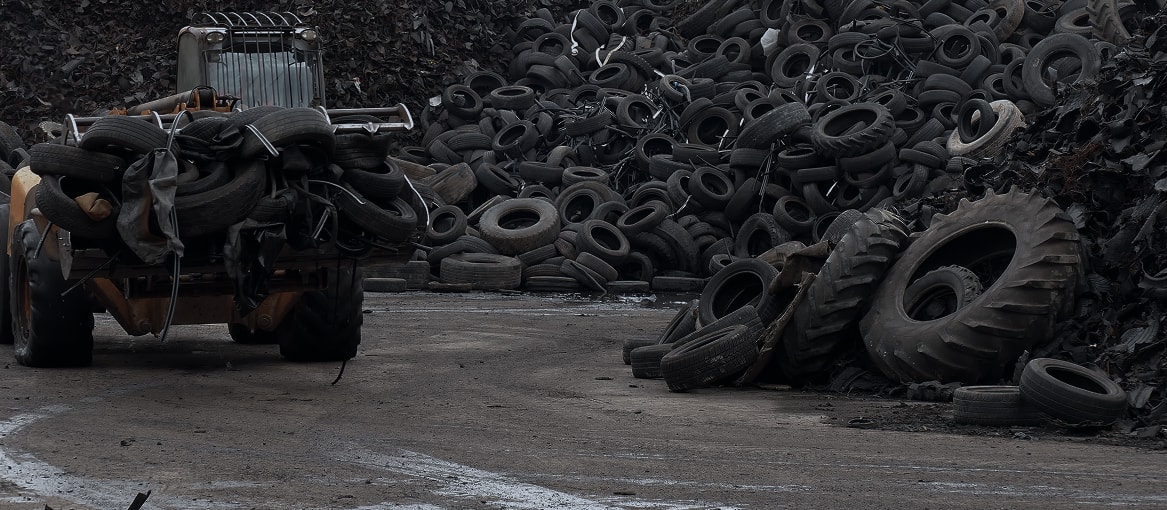
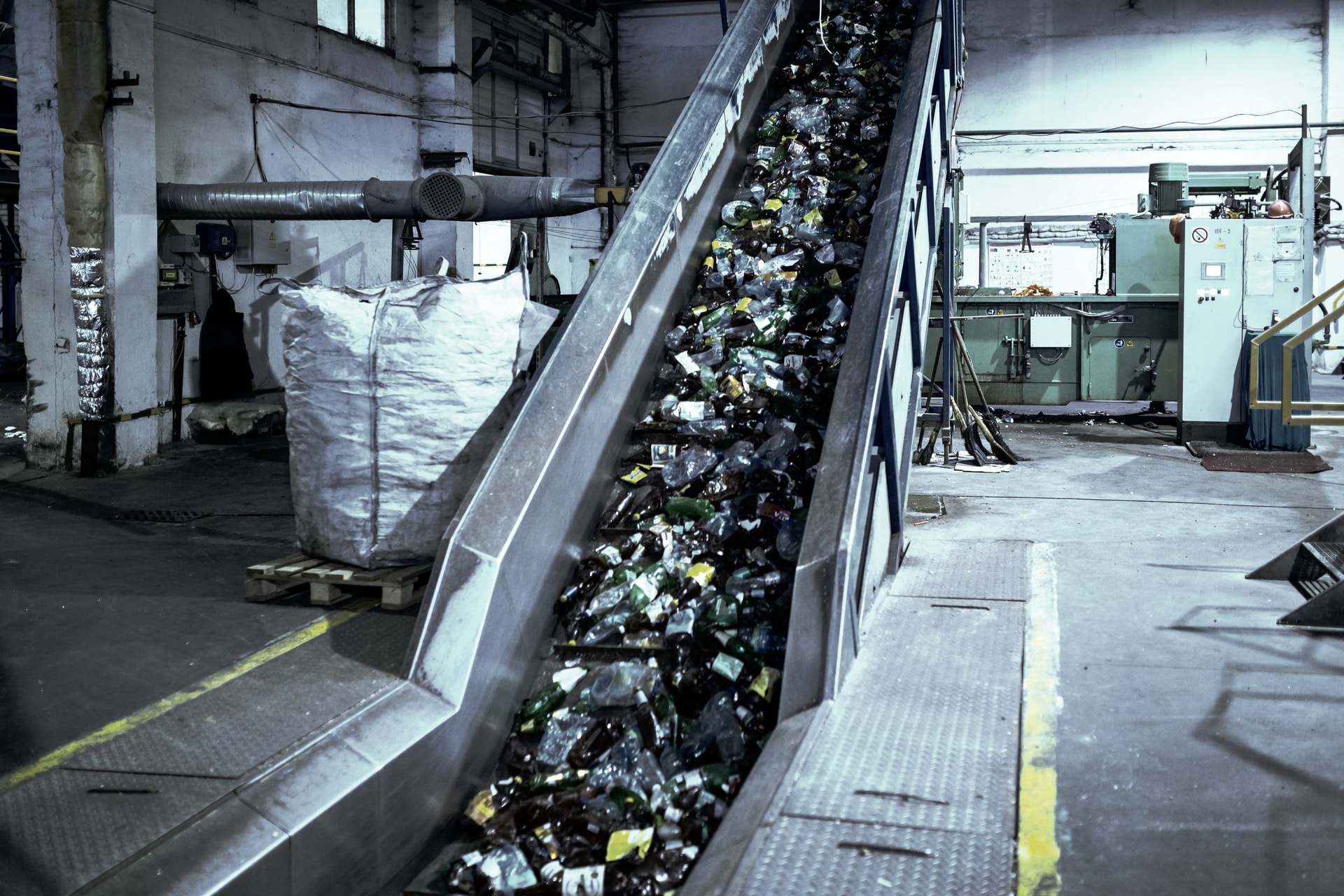
The material streams that most commonly run through these belts include:
Specifying a replacement belt for a mobile shredder comes down to five inputs:
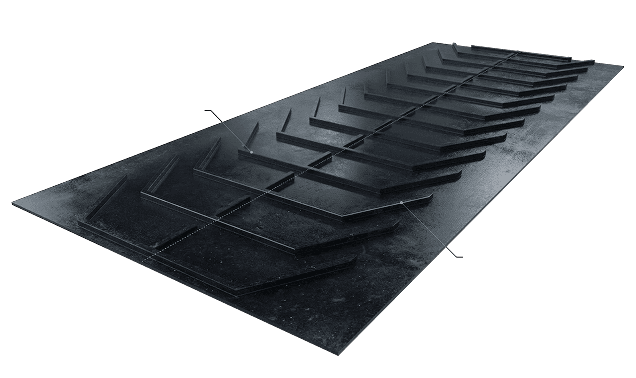
Once the belt is on the machine, service life comes down to mechanical discipline. Proper belt tensioning keeps the carcass operating within its design range; correct tracking keeps the belt off the frame; and clean belt scrapers keep carryback from abrading the cover from underneath. Disciplined maintenance practices extend belt life more reliably than any compound upgrade.
For broader selection and longevity context, see how to choose the correct conveyor belt and how to make a conveyor belt last longer.

Fluent Conveyors manufactures heavy-duty integrally molded belts built to OEM fitment across major mobile shredder platforms. Send us the machine model and the position you’re replacing, and we’ll work through cleat profile, compound, and splice method to match your duty cycle.