





Copyright © 2026 Fluent Conveyors, LLC. All rights reserved.

The Fluent Conveyors logo is a registered trademark of Fluent Conveyors, LLC. Serial Number 97664258 Registered on Dec. 12, 2023


Copyright © 2026 Fluent Conveyors, LLC. All rights reserved.
The Fluent Conveyors logo is a registered trademark of Fluent Conveyors, LLC. Serial Number 97664258 Registered on Dec. 12, 2023


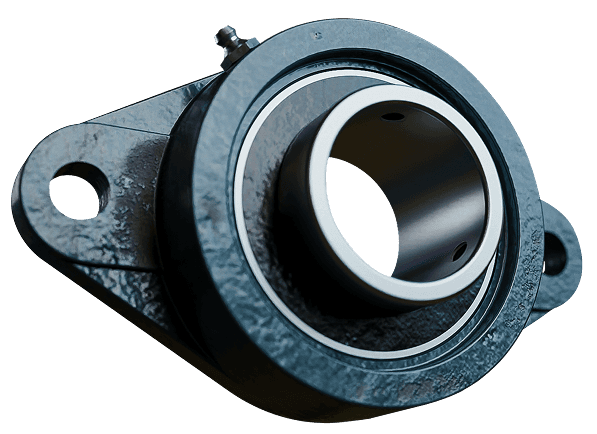
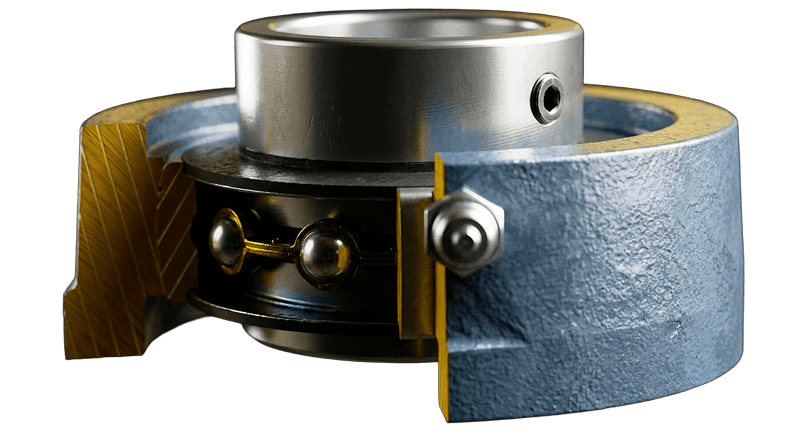
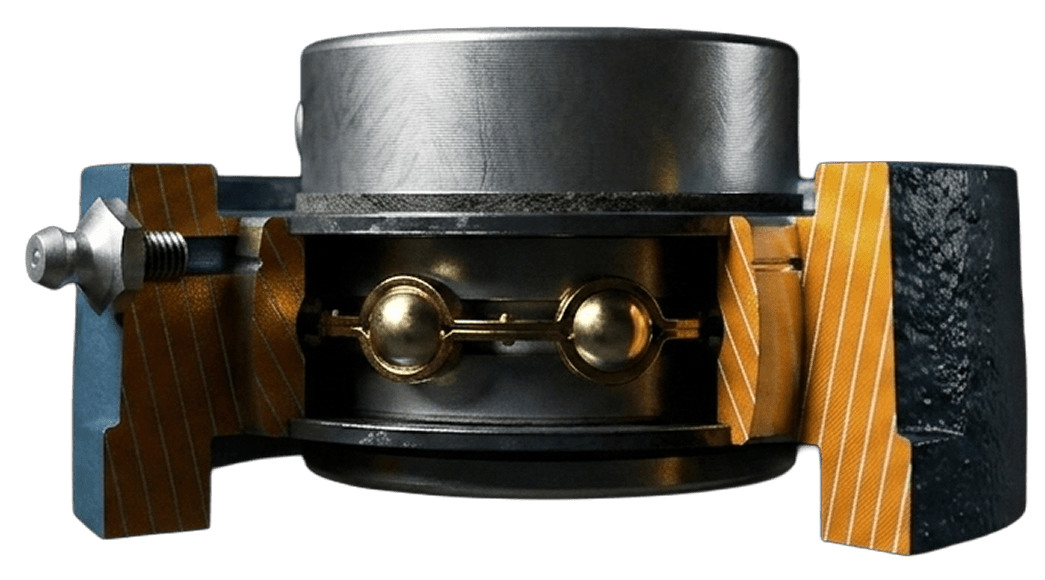
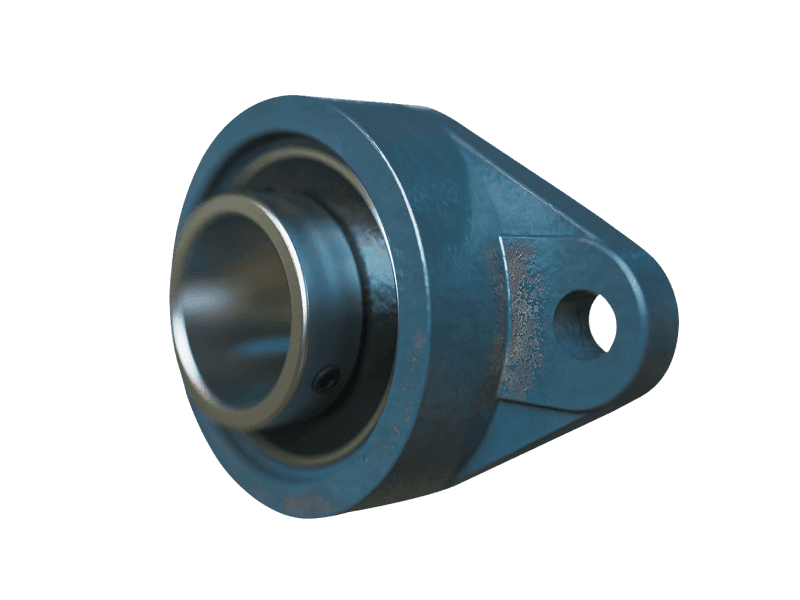
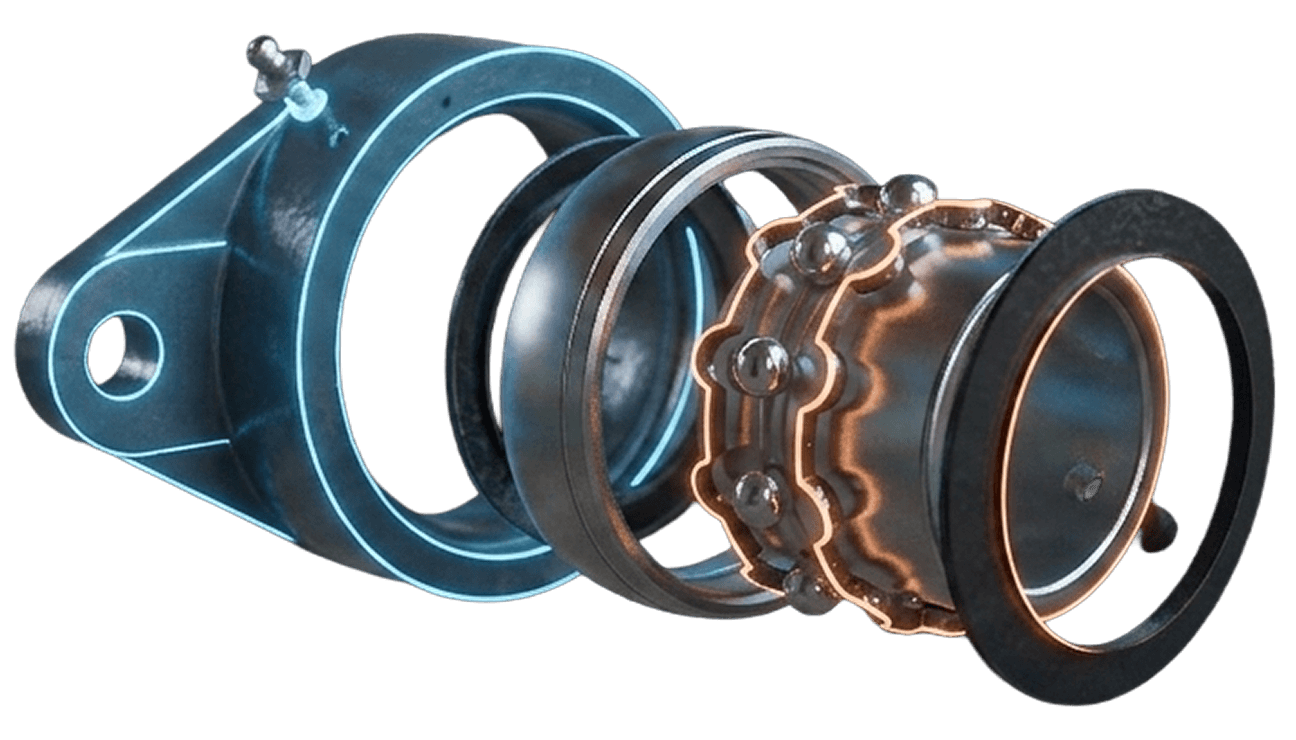
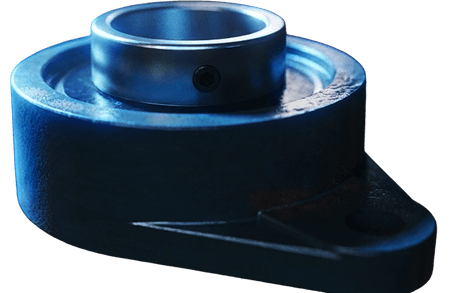
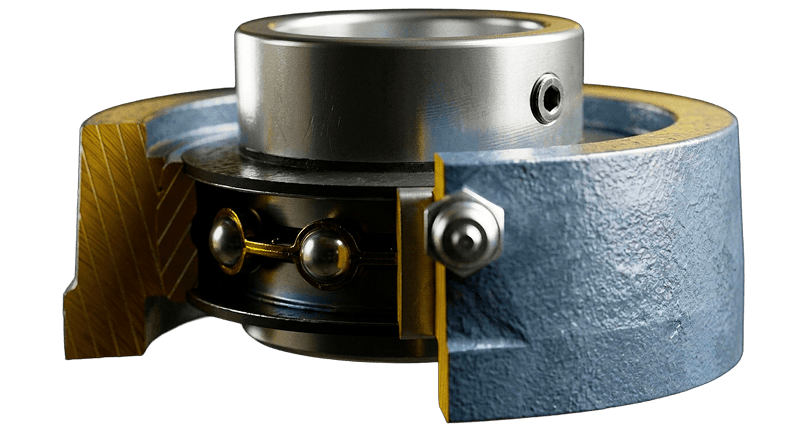
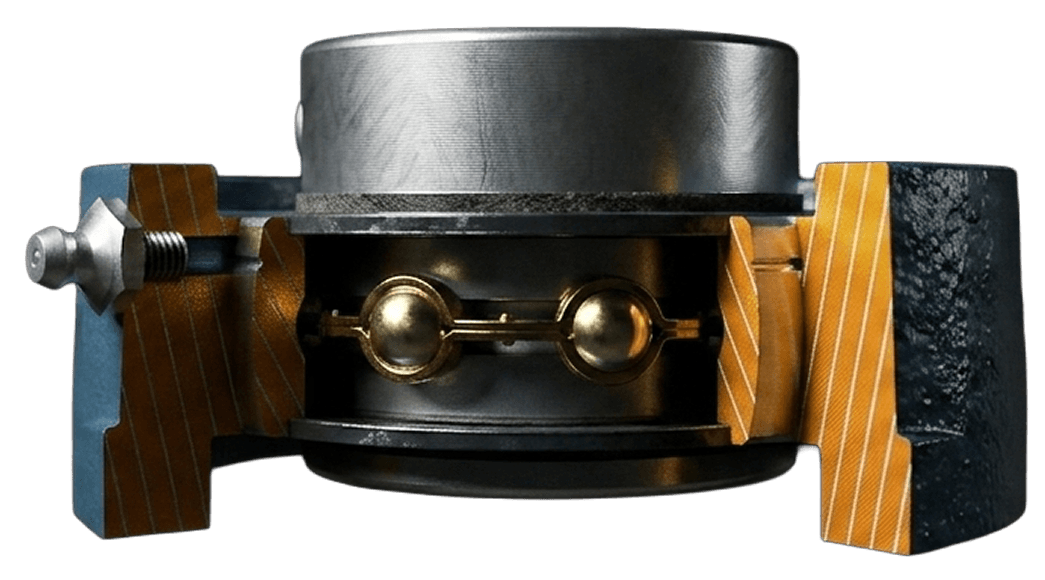
2-bolt flange bearings mount the shaft perpendicular to a vertical surface, including walls, end plates, or conveyor frame faces. They house a bearing insert that supports the rotating shaft, carry radial loads from the belt and material, and keep the shaft running true under continuous load.
As part of a routine replacement schedule or after failure, 2-bolt flange bearings should be replaced following these general steps:
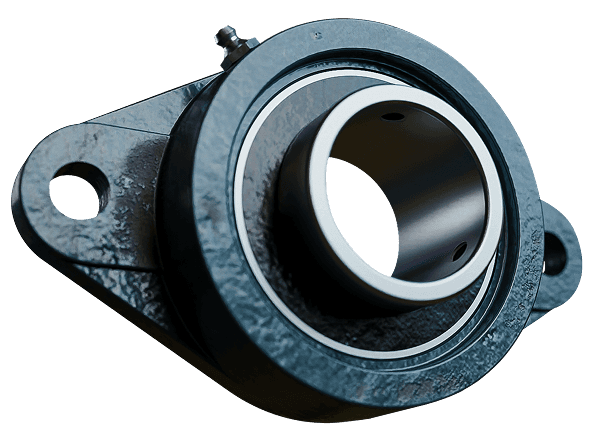
Most bearing replacements are straightforward once you have the right part and a clean shaft to work with.
Below, we'll cover failure diagnosis, how to confirm the correct replacement across all relevant specifications, detailed procedures for both set screw and eccentric collar locking styles, alignment requirements specific to the 2-bolt diamond-pattern housing, and the post-install checks that prevent a repeat failure, including what to inspect while you have the conveyor shut down.
Don't pull a bearing just because the conveyor has hours on it. Replace it according to its service schedule or when one or more of these conditions are present:
Abnormal noise: Grinding, rumbling, or clicking from the housing, particularly noise that changes with shaft speed.
Heat at the housing: Temperature meaningfully above ambient during normal operation.
Shaft play or wobble: Detectable movement at the bearing seat, or a shaft that no longer runs true.
Seal damage or grease leakage: Visible seal deterioration or grease escaping from around the housing.
Housing cracking or corrosion: Especially in wet, chemically active, or outdoor environments, where the wrong housing material was originally specified.
Belt tracking problems: A 2-bolt flange bearing that has shifted or loosened can move the pulley and distribute tension unevenly across the belt width; if tracking problems appeared without an obvious cause, check the bearings on that shaft.
Once one bearing has failed, inspect the opposite bearing on the same shaft. Both share load cycles, heat exposure, and contamination history, and should usually be replaced together.
Lock out and tag out the conveyor before performing any maintenance. OSHA 29 CFR 1910.147 governs all servicing and maintenance where unexpected startup or stored energy release can cause injury.
Wear site-required PPE throughout. Do not service a bearing housing while the conveyor is running under any circumstances.
Stop the conveyor.
Follow your site LOTO procedure and isolate all energy sources.
Relieve stored belt or chain tension.
On incline conveyors carrying load, account for the gravitational stored energy in the material itself.
Confirm zero energy state before removing guards or contacting any shaft hardware.
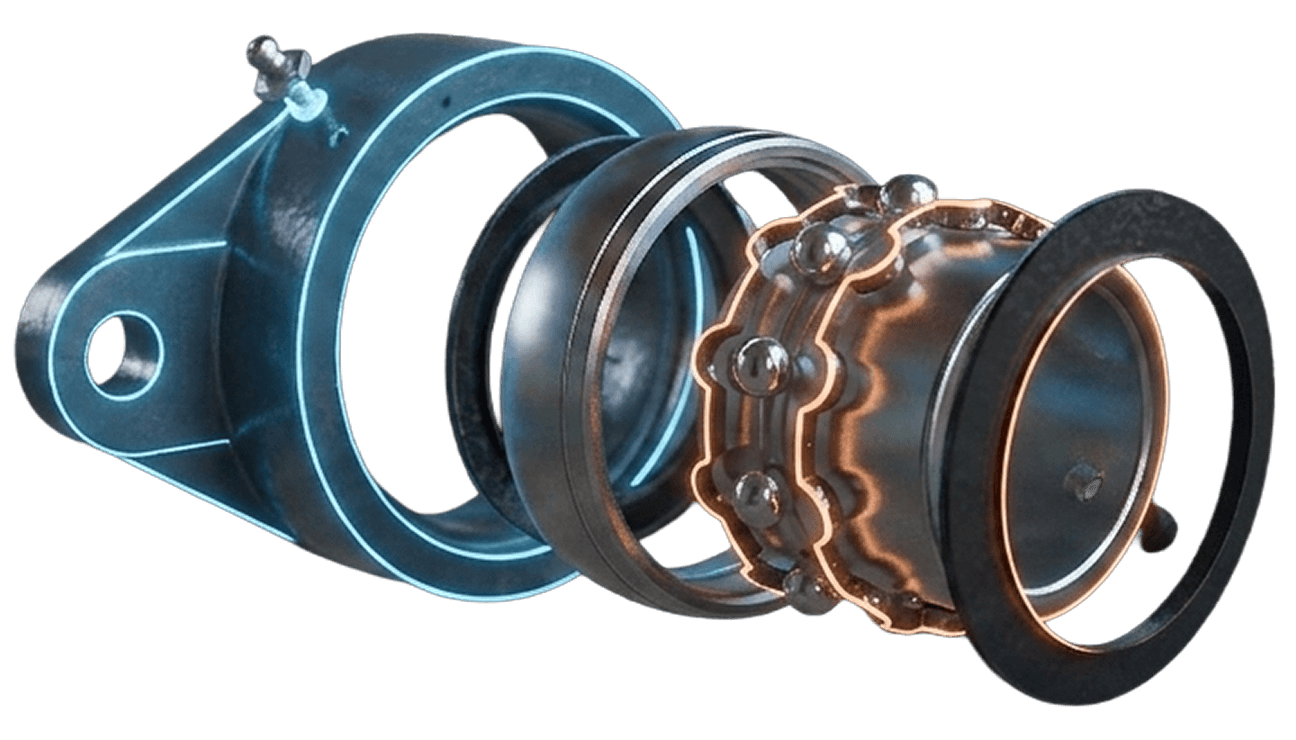
Your replacement bearing must match all relevant dimensions. Otherwise, it will fail faster or not fit the shaft. Confirm these variables before ordering:
Reading the part number: The part number encodes bore size, series, and locking style. If the old bearing is still intact, photograph the housing markings before removing it.
Shaft condition: A worn journal will wear out replacement bearings prematurely. Measure the shaft diameter at the seat with calipers. Scoring, undersized diameter, or surface corrosion at the bearing seat should be addressed before installing the new unit. If damaged, replace the shaft before proceeding
On conveyors in recycling, aggregate, or similar environments, budget extra time for shaft cleaning. Compacted material at the bearing seat is one of the most common reasons a replacement bearing fails early.
Tools / parts
Socket set, torque wrench, breaker bar
Bearing puller; punch or drift for eccentric collar removal
Emery cloth or honing stone, clean lint-free rags, light solvent
Calipers or micrometer
Hex wrench (set screws), punch and hammer (eccentric collar)
Shims, straightedge or machinist level
Grease gun, clean grease fitting
Bearing manufacturer's torque spec sheet
Per site requirements
The steps below apply to both locking styles. Locking-specific procedures for set screw and eccentric collar are in the next section.
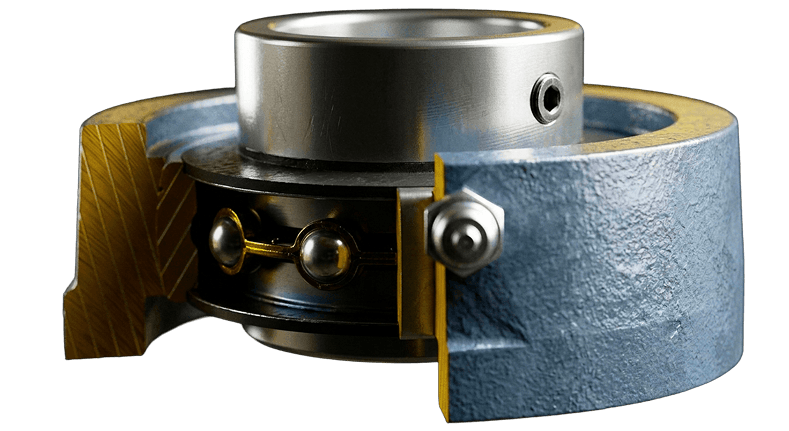

The two locking styles require different tools and sequences at steps 4 and 14 above. Using the wrong procedure — or the wrong torque — is one of the most reliable ways to cause a repeat failure.

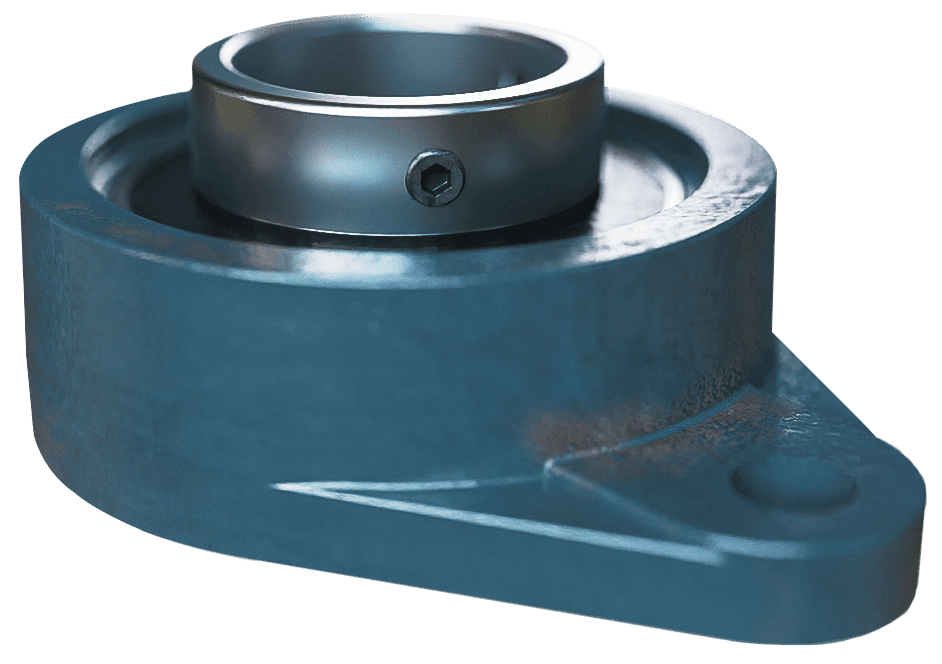
Removal: Loosen both set screws with a hex wrench. If the bearing is seized on the shaft, apply penetrating oil and allow it to soak before applying force.
Installation: With the housing bolts snug but not fully torqued, seat the inner ring on the shaft. Tighten both set screws in two passes; snug first, then final torque per the manufacturer's table for the bearing size and screw diameter.
Shaft hardness note: Set screw units are designed for shafts with a minimum hardness of Rockwell C30. Softer shafts deform under set screw pressure, and the bearing will work loose over time. If the shaft hardness is below that threshold, an eccentric locking collar is the better choice.
Removal: Loosen the collar set screw. Rotate the collar in the direction opposite shaft rotation to release the cam engagement. If it won't break free by hand, use a punch set in the collar's locking hole and tap it loose.
Installation: Slide the collar onto the shaft and engage it against the inner ring. Rotate the collar by hand in the direction of shaft rotation until the eccentric engages. Place a punch in the locking hole and tap it in the direction of shaft rotation to drive the collar into final engagement. Then tighten the set screw to manufacturer spec.
Recheck after first run: Recheck both collar set screw tightness and hold-down bolt torque after the first 24 hours of operation.
When to prefer it: Eccentric collars distribute shaft contact over a wider surface area and perform better under reversing loads, vibration, or where shaft hardness is a concern. They cost about 1.4x as much as set screw units but eliminate shaft slip, the most common cause of premature failure in conveyor bearings.
Misalignment is the primary cause of early bearing failure on flange-mounted units. A 2-bolt diamond-pattern housing has less inherent rigidity than a 4-bolt flange bearing, which makes accurate alignment before final torque more important.
Use a straightedge or machinist level to confirm the housing sits flush with the mounting surface.
Where the mounting surface isn't perfectly flat, shim under the housing rather than pulling it into position with bolt torque; torque-forced alignment loads the insert at an angle from the moment it starts running.
Both bearings on the same shaft must be checked together. Aligning one while the opposite is loose introduces angular misalignment at the insert before the conveyor has even turned over.
After torquing, rotate the shaft by hand. Binding or resistance that wasn't there before indicates a misalignment that needs to be resolved before powering the conveyor.
Run through each of these before returning the conveyor to full load.
Hand rotation is smooth, free, and consistent with no rough spots or bindingBoth mounting bolts are torqued to specLocking hardware is secured
No abnormal noise at the housingNo detectable vibration at the housing or shaftHousing temperature stabilizes near ambient — rising temperature after warmup indicates misalignment, over-lubrication, or a fit problem
Retorque mounting bolts and locking hardwareConfirm belt tracking hasn't shifted from the new bearing positionPurge excess grease from zerks if the bearing was factory-lubricated and the seal area is weeping
Fluent Conveyors stocks Dodge Industrial replacement conveyor bearings across bore sizes, duty ratings, housing materials, seal options, and locking styles. We supply the same units we spec into our own custom conveyors, chosen for real-world performance in the most demanding situations. Give us the shaft diameter, bolt spacing, and operating environment, and we'll confirm the right unit before you order.