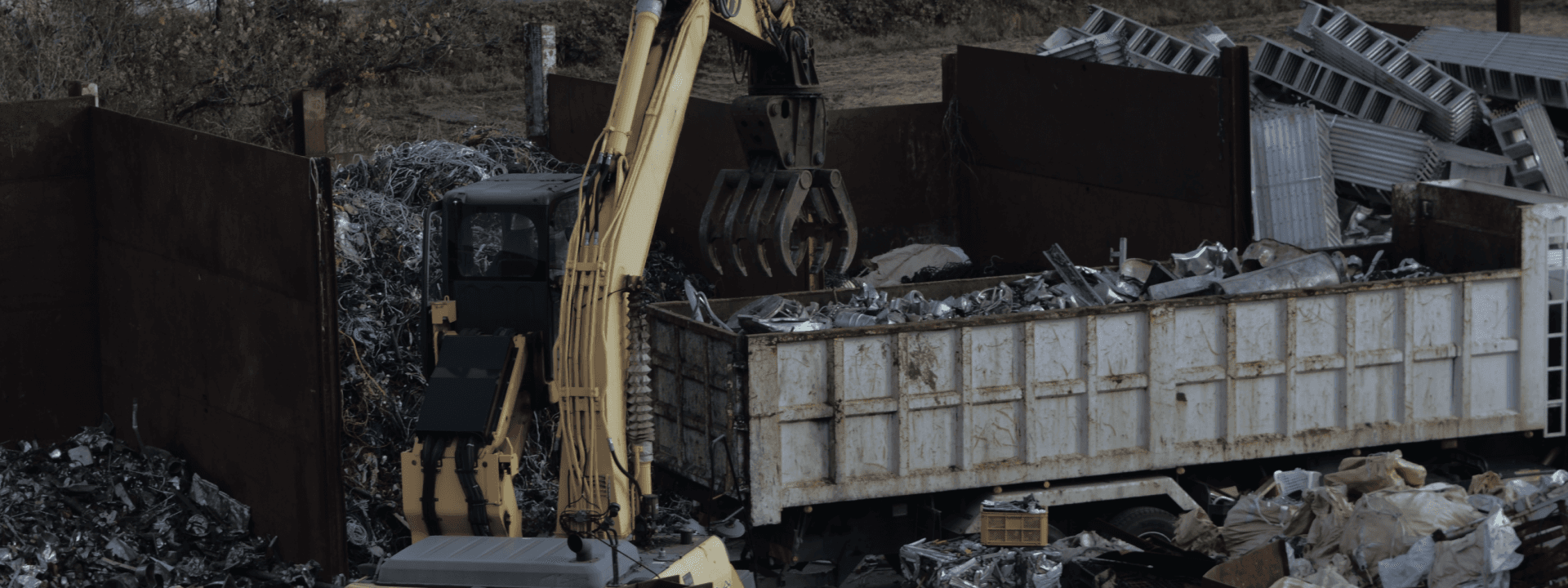
Conveyor systems for recycling non-ferrous metals
Optimize your non-ferrous metal recycling throughput with our cutting-edge conveyor solutions.

The recycling process for non-ferrous metals
Non-ferrous metal recycling turns end-of-life materials into reusable raw materials. The process typically includes:
Collection and sorting of non-ferrous scrap metal, such as aluminum cans, copper wire, and stainless steel
Shredding or compacting the sorted materials to reduce their size
Separating ferrous and non-ferrous metals and removing contaminants using magnetic separators, eddy current separators, and other specialized equipment
Melting the clean, sorted materials in furnaces
Casting the molten metal into ingots or other shapes for manufacturing
By recycling non-ferrous metals, you reduce the need for raw materials, conserve resources, lower emissions, and keep landfills free of toxic waste.
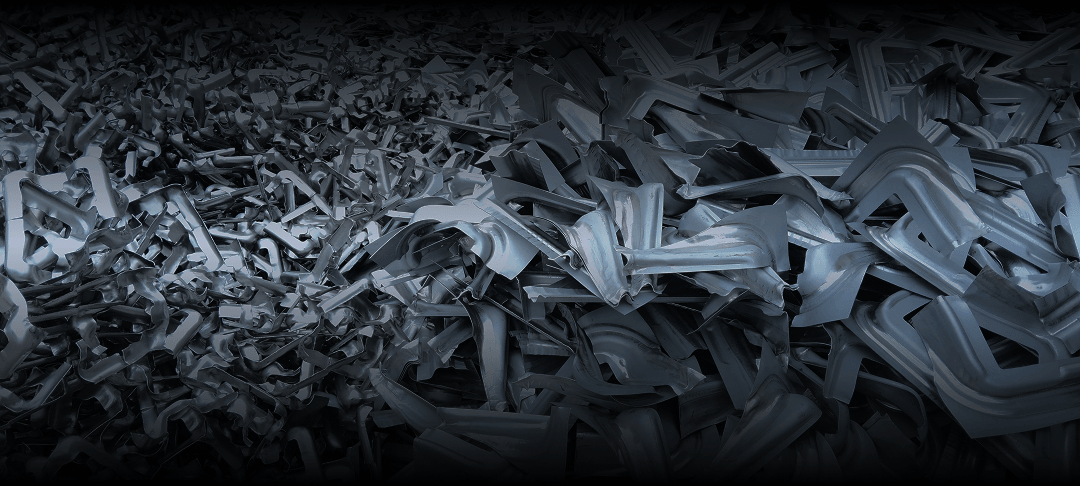
Which types of conveyors handle non-ferrous metals?
The following conveyor types play a role in the recycling of non-ferrous metals:
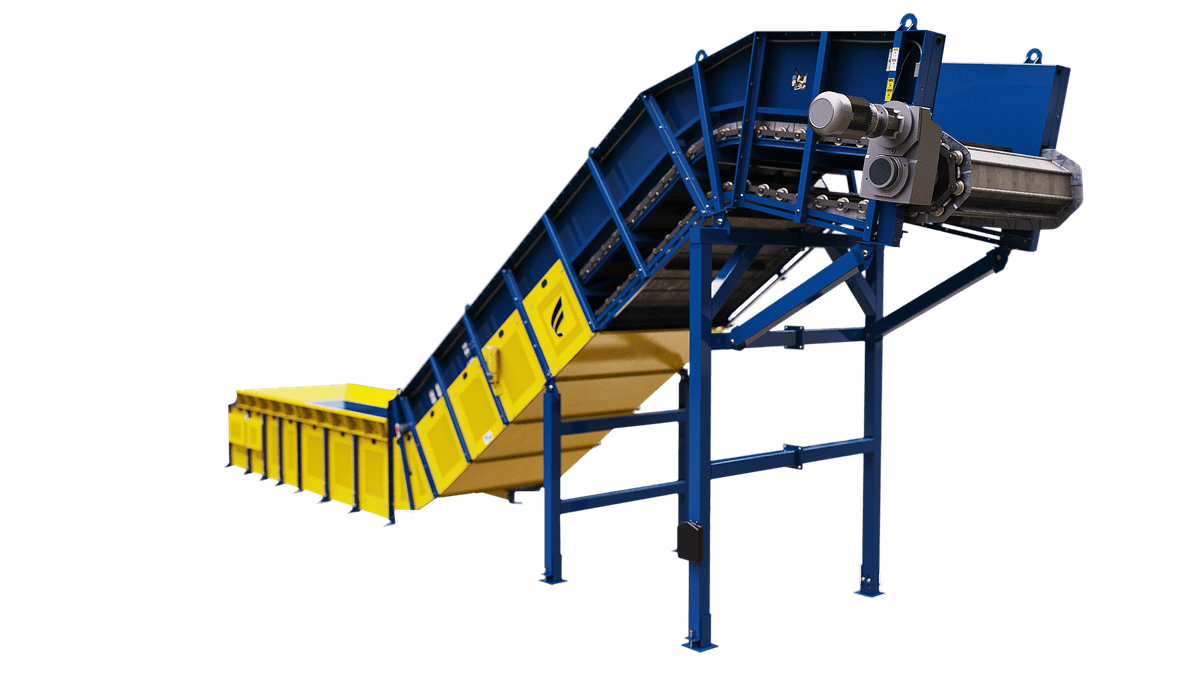
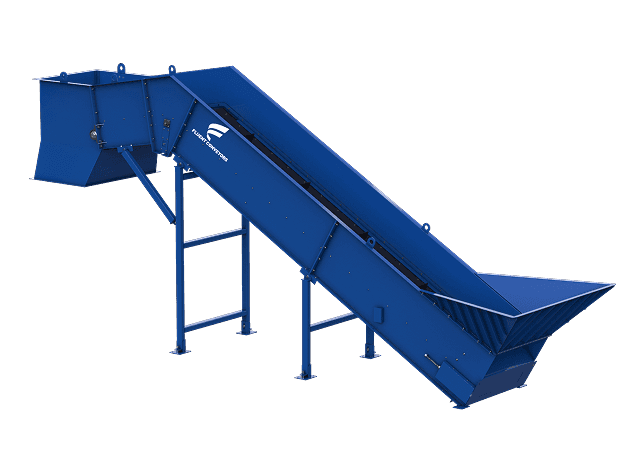
Roller chain conveyors
Are sprocket-driven conveyors in which modular belting attaches to heavy-duty roller chains that span the conveyor frame. Metal belts, such as apron pan, hinged steel, and Z-pan, withstand heavy loads, abrasion, and impact. They are commonly used at the beginning of metal recycling operations. Later in the process, rubber combination belts are sufficient to contain and process large volumes of metal particles.
Are sprocket-driven conveyors in which modular belting attaches to heavy-duty roller chains that span the conveyor frame. Metal belts, such as apron pan, hinged steel, and Z-pan, withstand heavy loads, abrasion, and impact. They are commonly used at the beginning of metal recycling operations. Later in the process, rubber combination belts are sufficient to contain and process large volumes of metal particles.
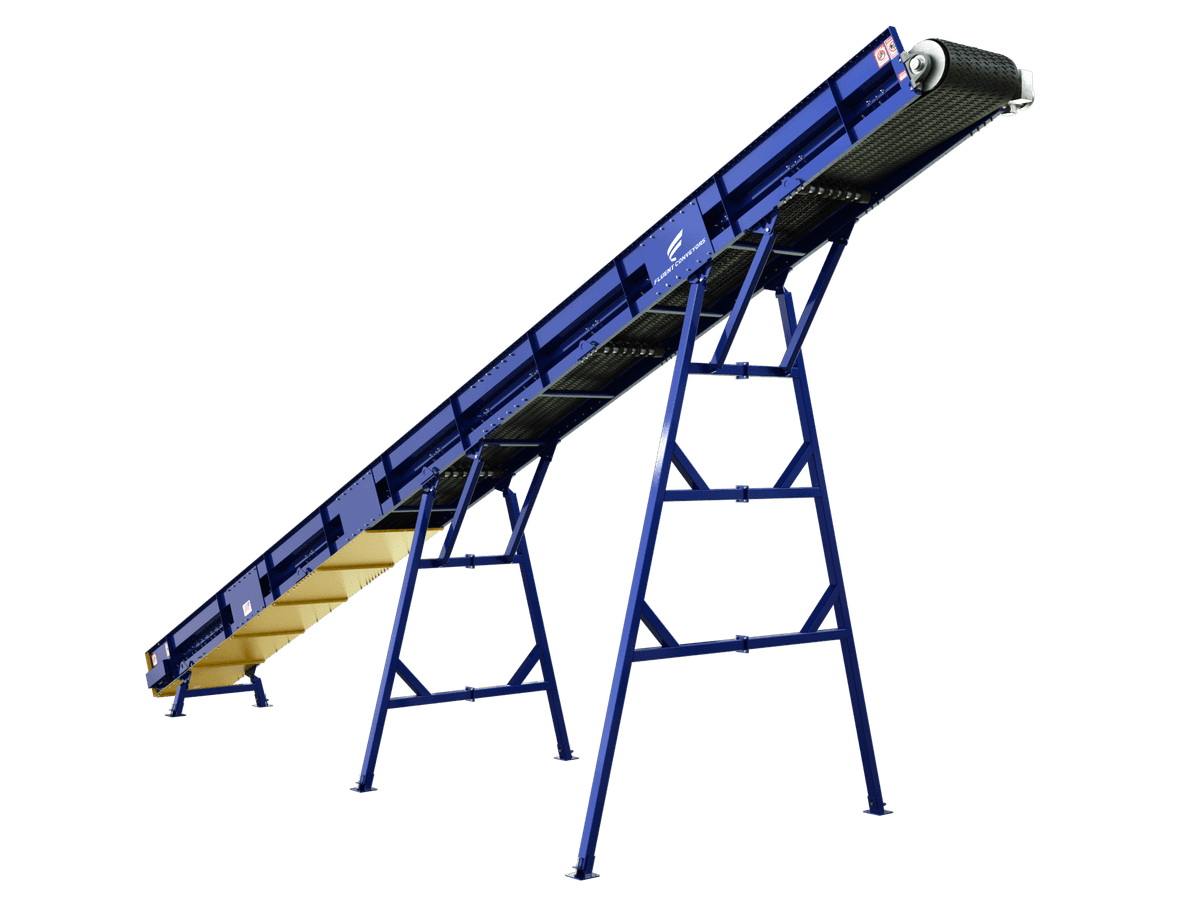
Flat idler conveyors
Are pulley-driven and support the belt with a series of idlers. Idlers improve weight distribution (especially over long distances) and reduce belt friction. Flat idlers discharge metal chips from hammer shredders and perform general conveyance between other sorters and shredders. With plain cleated belts, they prevent rollback on inclines.
Are pulley-driven and support the belt with a series of idlers. Idlers improve weight distribution (especially over long distances) and reduce belt friction. Flat idlers discharge metal chips from hammer shredders and perform general conveyance between other sorters and shredders. With plain cleated belts, they prevent rollback on inclines.
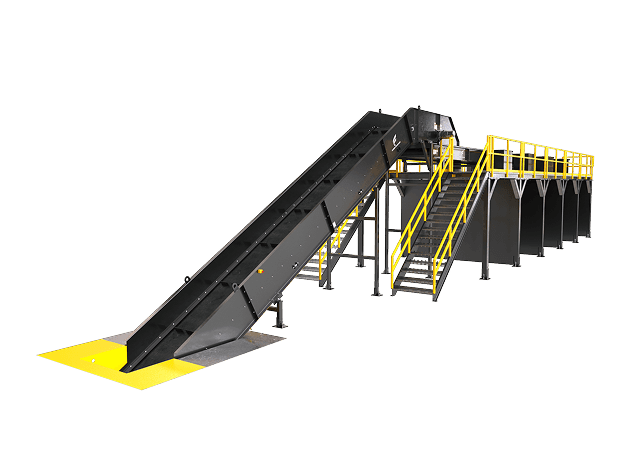
Recycling Sort Stations
Are composed of conveyors, screens, grinders, separators, balers, and other equipment. They are the main feature of material recovery facilities, separating recycled materials from waste and preparing metal scraps for reuse.
Are composed of conveyors, screens, grinders, separators, balers, and other equipment. They are the main feature of material recovery facilities, separating recycled materials from waste and preparing metal scraps for reuse.
See our full line of conveyor solutions for more information.
The future of non-ferrous metal recycling
Industry growth is increasing demand for non-ferrous metals. Expanded recycling networks and cutting-edge recycling processes make recycled metals cheaper than virgin metals. The demand for non-ferrous metals is expected to grow by 7.3 percent through 2030, driving the incentive to recycle metals.
Conveyors perform the following essential functions in the recycling of non-ferrous metals:
Loading and unloading
Material movement
Sorting non-ferrous metals from other recyclables and waste
Baler infeed
Metering
With our long record of industry success, Fluent Conveyors is excited to help shape the future of non-ferrous metal recycling operations.
Quality conveyors for recycling non-ferrous metals
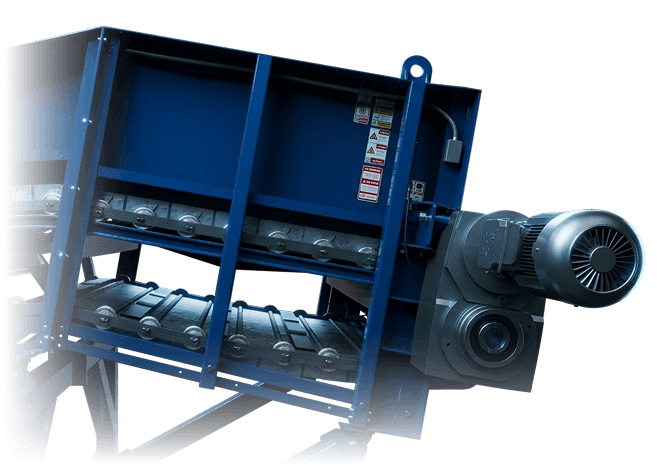
Our conveyors enhance the productivity of non-ferrous metal recycling facilities while reducing costs and manual labor. Each conveyor is engineered and American made to the following quality standards:

ASTM A36 steel for fabrication per structural code

Baldor, Leeson, Toshiba TEFC motors selected for 24/7 operation

All systems fabricated by certified welders for structural integrity.

Assembled with precision components such as cold-rolled steel shafts and flame-hardened sprockets

Extensively tested and inspected before shipment

Premium bearings sized for L10 life ratings, made in USA

3/16" and 1/4" thick structural steel frames to prevent flexing

25-35 pound rail track to withstand heavy loads

Designed for simple maintenance access and component serviceability

Dodge, Nord, SEW drives matched to application torque

Goodyear, Flexco belt options resistant to rips, tears, and impacts

All hardware is grade 8 for maximum strength

Painted with industrial-grade powder coating for durability

Formed using heavy duty steel plate, rectangular tubing, and structural channel
Our conveyors provide durability, strength, and lasting performance for recycling non-ferrous metals and other materials. For a custom material handling solution, contact our engineering team.
Conveyor features and options
We can customize our conveyors to match your application requirements:
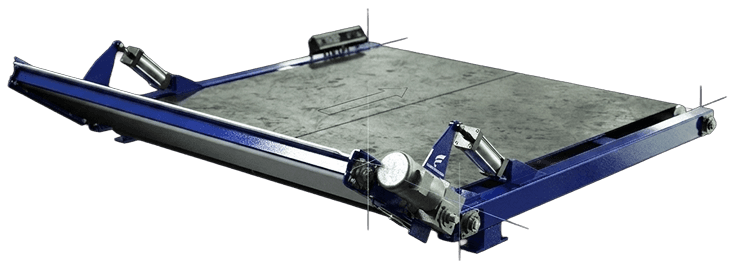
We can engineer a custom conveyor to your exact specifications.
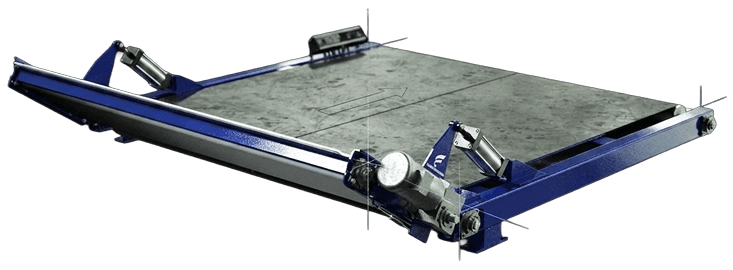
Conveyor specifications
We design and build each conveyor for convenient operation, longevity, easy maintenance, and performance:
Do you need additional customization? Our engineering team can build a custom conveyor system to meet your requirements.
Speed
50–400 ft/min variable speed via VFD
Rollers
Impact rollers with 3, 4, or 5 inch diameters
Capacities:
Up to 25,000 lb chain pull
Belt types:
Rubber, PVC, urethane, modular plastic
Belt width:
18–60 inches
Belt accessories:
Cleats, side skirts, training idlers
Drives:
Shaft-mounted gear motors, 5–25 hp
Motors:
TEFC, stainless steel, chemical duty options
Frames:
Formed steel channel, boxed supports
Safety:
Pull cords, e-stops, and dead man plates
Controls:
PLC, touchscreen HMI, remote access control panels

Do you need a conveyor solution?
Do you need a conveyor for recycling non-ferrous metals? Let's discuss your requirements.
Commonly recycled non-ferrous metals
Non-ferrous metals are integral to modern industrial processes and consumer goods. Commonly recycled non-ferrous metals include:
Aluminum
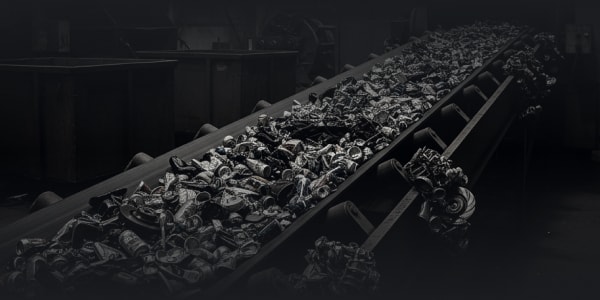
Recycled from beverage cans, automotive parts, construction materials, and electrical wires/cables. It is the most commonly recycled non-ferrous metal in the United States.
Copper
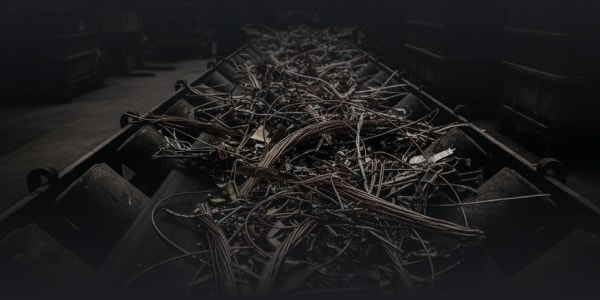
Recycled from electrical wires, demolition debris, and consumer goods. Common copper alloys such as brass and bronze are also recycled.
Lead
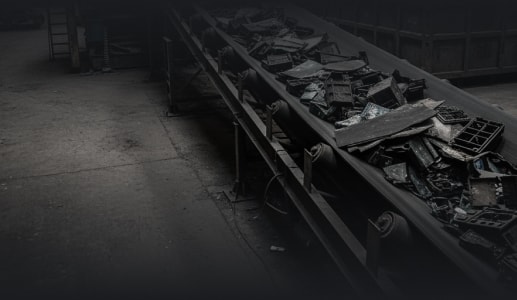
Recycled from sources such as lead-acid batteries, lead sheets, and lead pipes used in construction and automotive applications.
Zinc
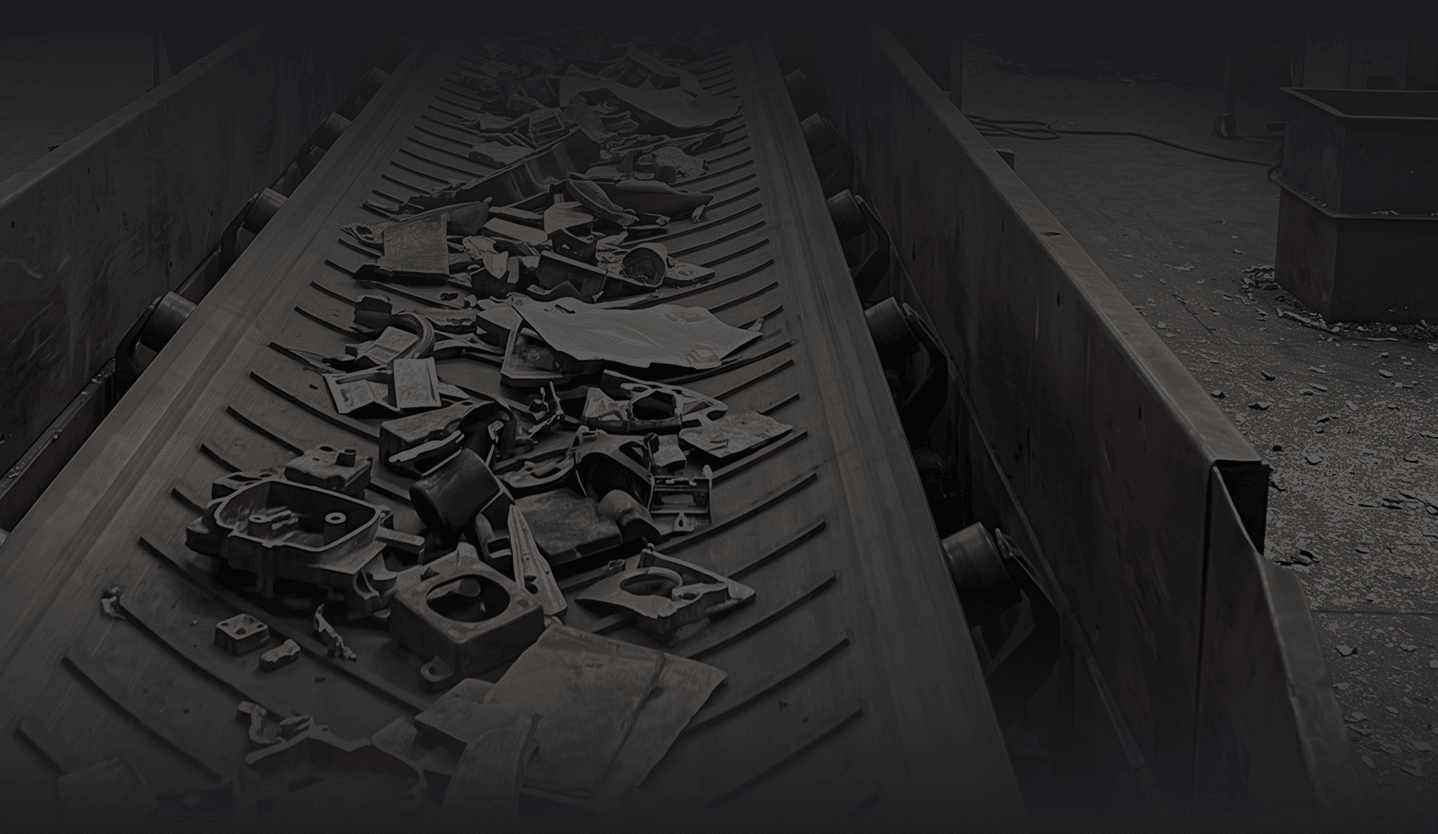
Recycled from zinc die-casts, zinc sheets, and zinc dross, especially in the automotive and construction industries.
Nickel
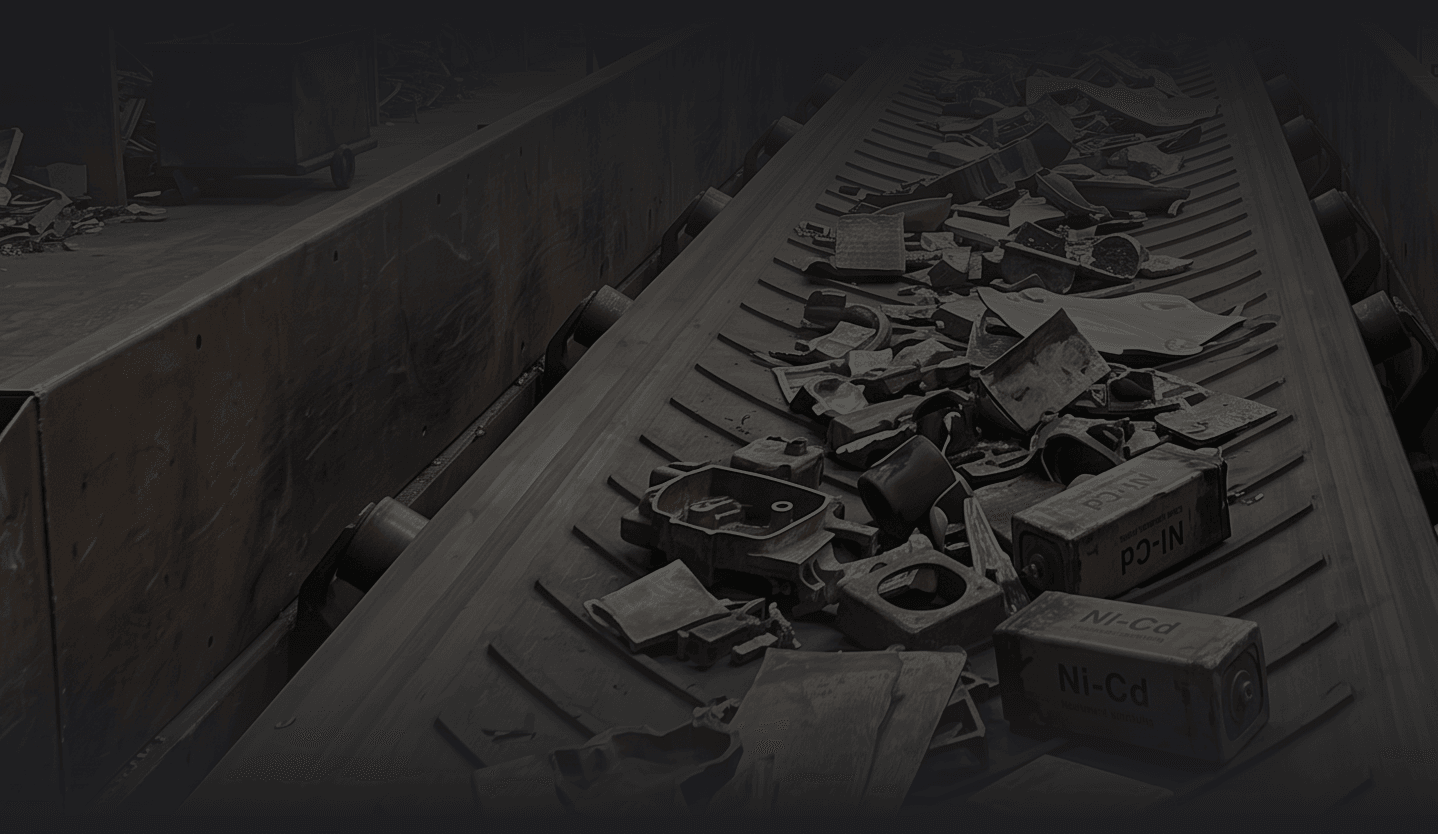
Recycled from various industrial and consumer applications where nickel is used for its corrosion resistance.
Precious metals
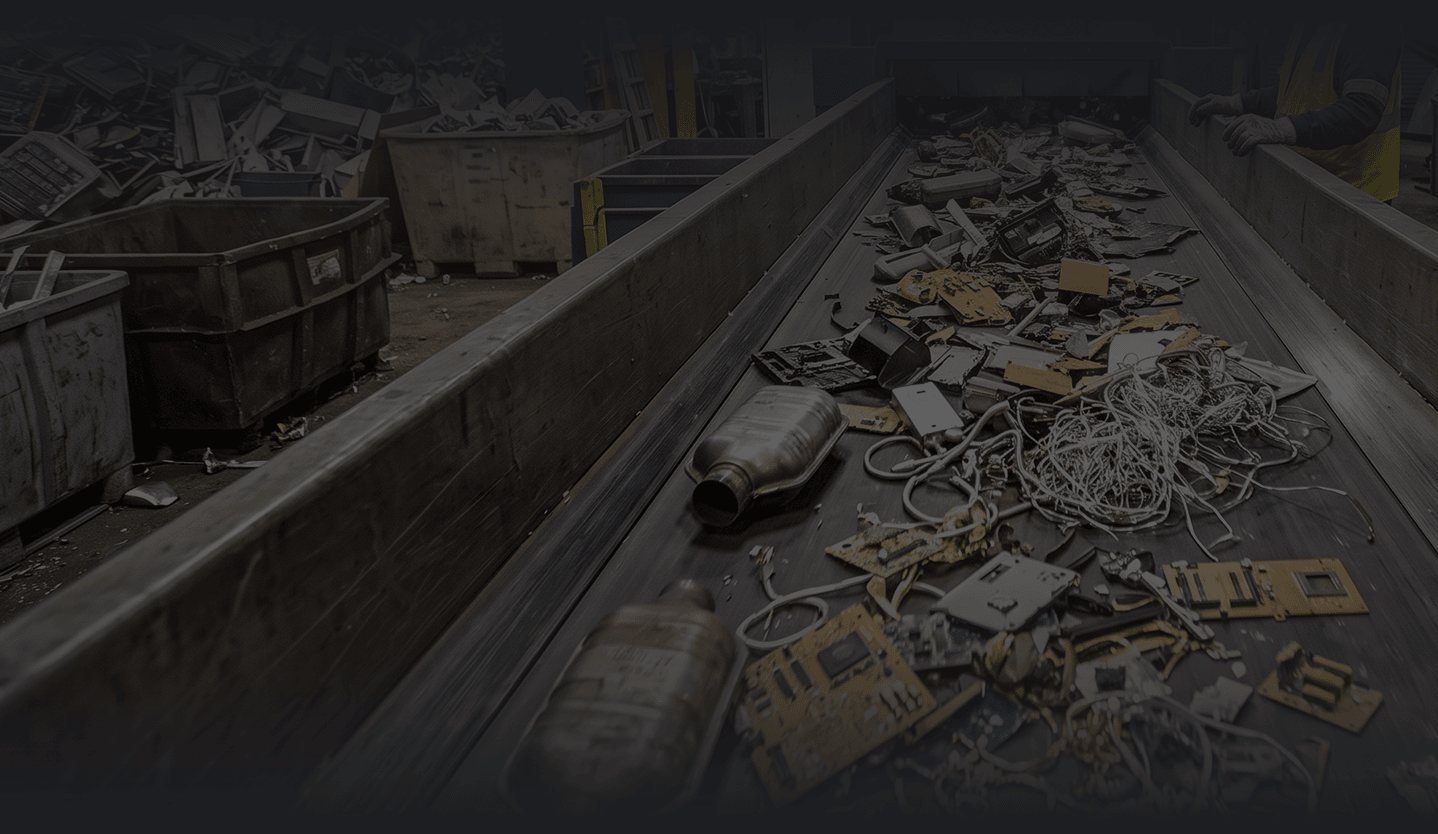
Gold, silver, platinum, and rare metals such as mercury, tungsten, and zirconium are valuable recyclables.
Conveyors streamline handling and sorting processes in the non-ferrous metal recycling industry.
Conveyor FAQ









Copyright © 2026 Fluent Conveyors, LLC. All rights reserved.
The Fluent Conveyors logo is a registered trademark of Fluent Conveyors, LLC. Serial Number 97664258 Registered on Dec. 12, 2023


