
Conveyor systems for ONP
Increase the efficiency and throughput of newspaper recycling operations with state-of-the-art conveyor systems.

The newspaper recycling process
Paper fiber recycling reduces emissions, resource usage, and landfill waste. Old newspaper is converted into new products through the following steps:
Collection

Old newspapers are collected from residential curbsides or drop-off locations.
Sorting and separation

At a recycling center, manual and automated recycling sort stations separate newspapers from other paper grades, such as office paper, magazines, and cardboard. Newspaper is a low-grade, short-fiber material that requires separate handling.
Pulping

The sorted newspaper is mixed with water to create a pulp slurry, separating the paper into its constituent fibers.
Cleaning and screening
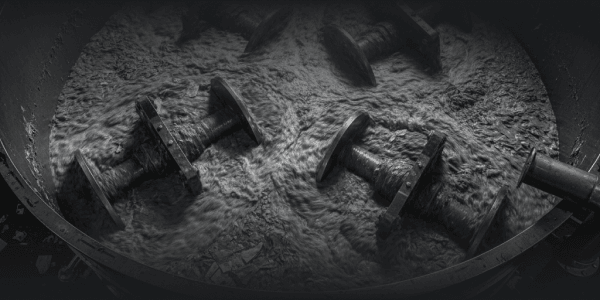
Ink, staples, adhesives, and coatings are removed using screening, floatation, and soapy water.
Optional de-inking
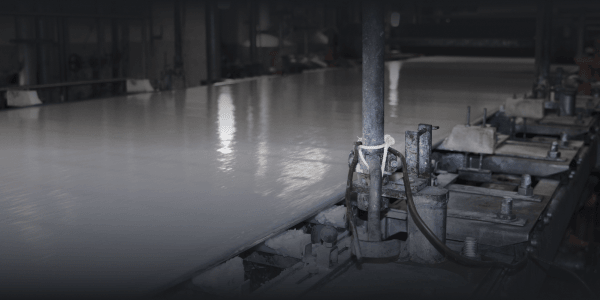
For certain products, the pulp may undergo a de-inking process.
Thickening and brightening
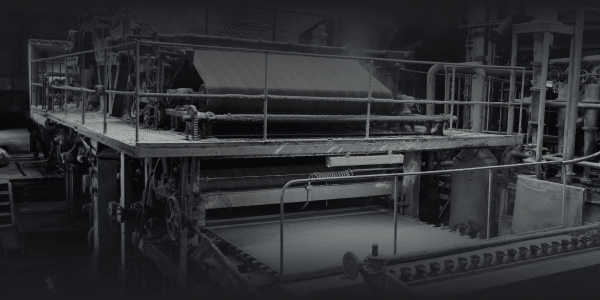
Chemicals and other processes improve the quality and appearance of the final product.
Drying and pressing
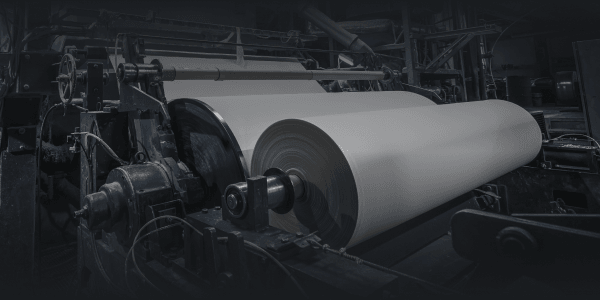
The thickened pulp is dried and pressed into large paper rolls or sheets.
Cutting and packaging

These large rolls are cut down into smaller sizes and packaged for sale to manufacturers and paper mills.
Recycled paper can be used 5–7 times before the fibers become too short for reuse. After the fibers become too short, they can be mixed with virgin paper fibers for continued use.
Conveyors for recycling old newspaper
Most types of conveyors can handle old newspapers. Some specific examples include:
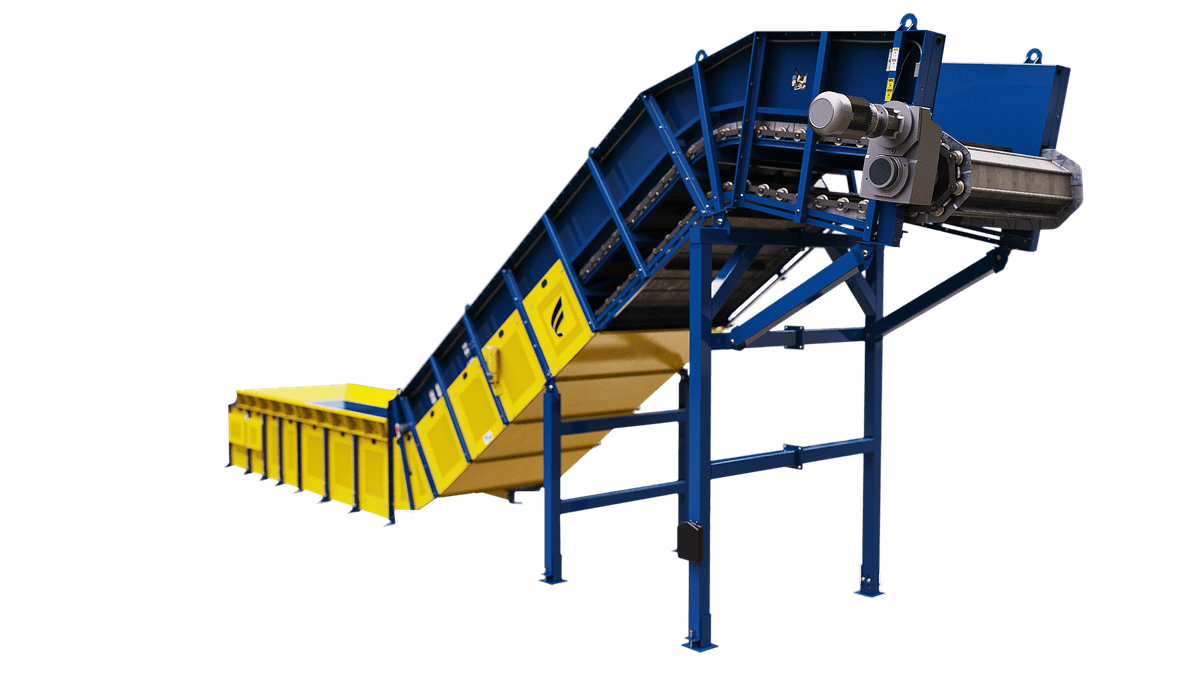
Roller chain conveyors
Are sprocket-driven with modular belting that attaches to heavy-duty roller chains. Roller chain conveyors with cleated belts move bulk newspaper from the tip floor into the initial shredder. They also tolerate the heavy weight of paper bales as they discharge from the baler. Rubber combination belts handle shredded newspaper.
Are sprocket-driven with modular belting that attaches to heavy-duty roller chains. Roller chain conveyors with cleated belts move bulk newspaper from the tip floor into the initial shredder. They also tolerate the heavy weight of paper bales as they discharge from the baler. Rubber combination belts handle shredded newspaper.
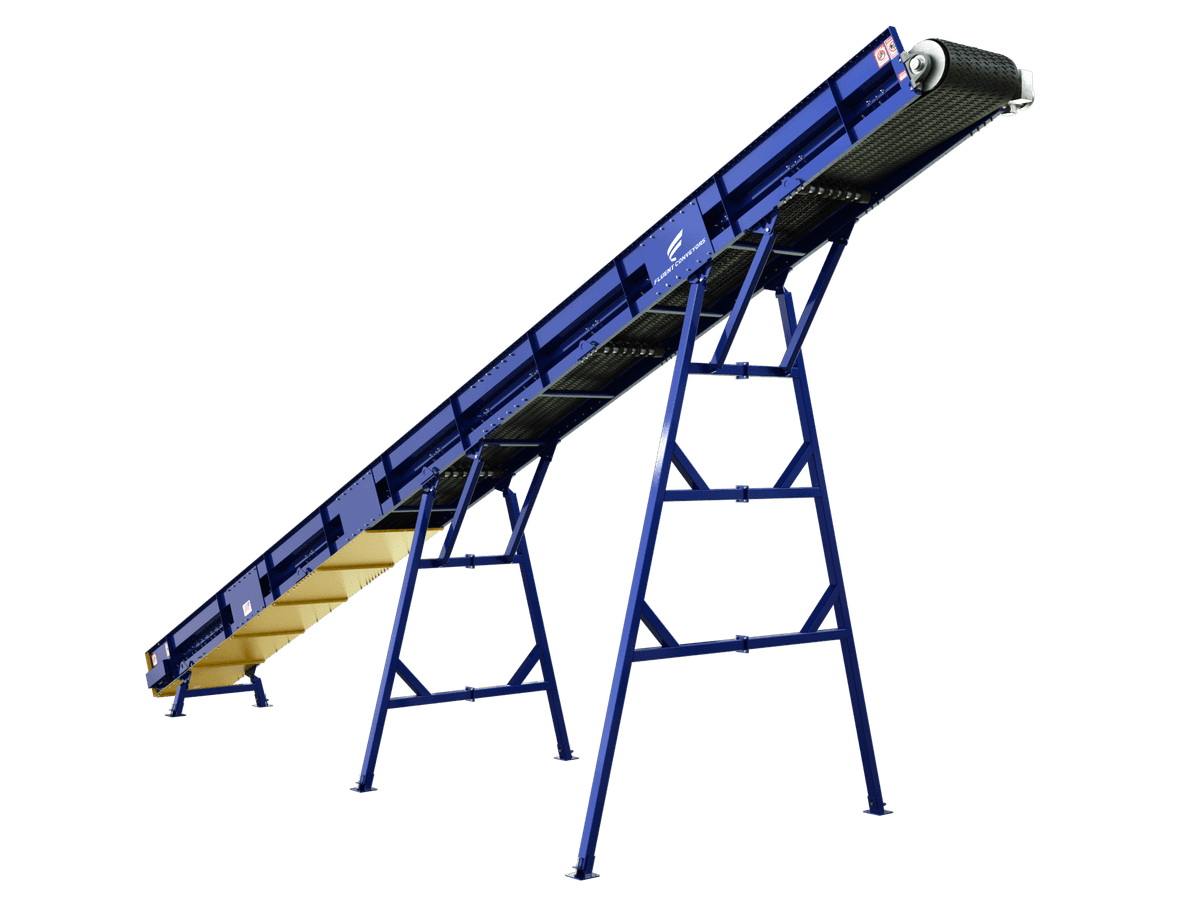
Flat idler conveyors
Support the belt with a series of idlers that improve weight distribution (especially over long distances) and reduce belt friction. Flat idlers transport shredded newspaper between sorters and shredders. Plain cleated belts prevent rollback on inclines as shredded paper feeds into additional shredders or pulpers.
Support the belt with a series of idlers that improve weight distribution (especially over long distances) and reduce belt friction. Flat idlers transport shredded newspaper between sorters and shredders. Plain cleated belts prevent rollback on inclines as shredded paper feeds into additional shredders or pulpers.
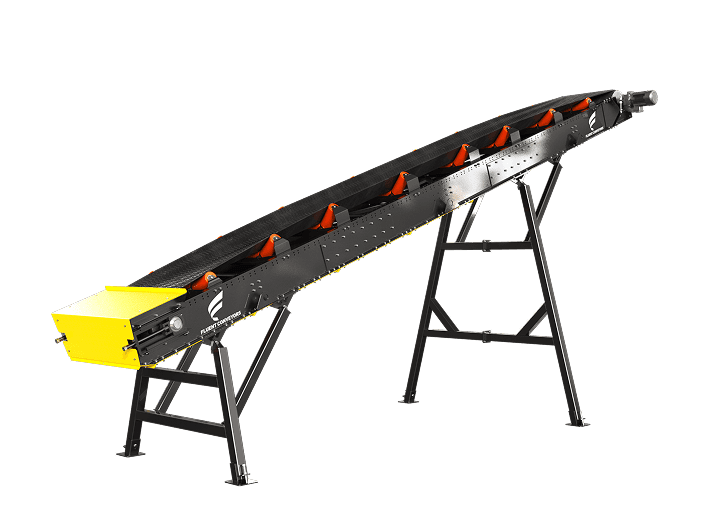
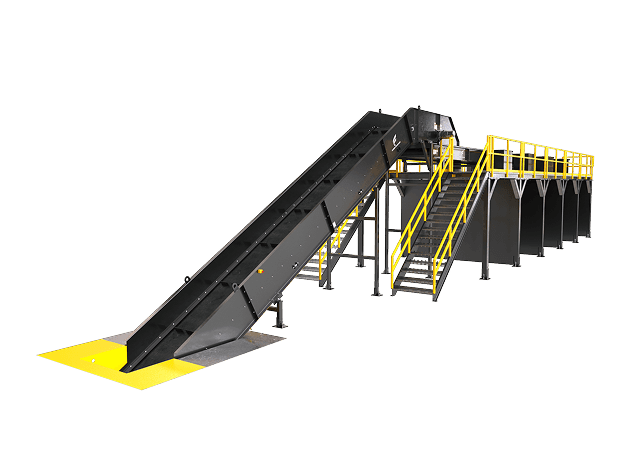
Recycling Sort Stations
Are composed of conveyors, screens, grinders, separators, balers, and other equipment. They are the main feature of material recovery facilities, separating ONP from mixed paper, cardboard waste, and other recyclables.
Are composed of conveyors, screens, grinders, separators, balers, and other equipment. They are the main feature of material recovery facilities, separating ONP from mixed paper, cardboard waste, and other recyclables.
See our full line of conveyor solutions for more information.
The future of newspaper recycling
The global print newspaper and magazine market is expected to decline by a compound annual growth rate of -2.68 percent through 2029 due to the shift toward digital media. Improved recycling networks and increased consumer preferences for recycled products suggest that the newspaper recycling industry will continue to see positive growth.
Conveyors optimize the newspaper recycling process in the following ways:
Loading and unloading
Metering
Sorting recyclable newspaper from other waste
Material movement
With our long record of industry success, Fluent Conveyors is excited to help shape the future of newspaper recycling operations.
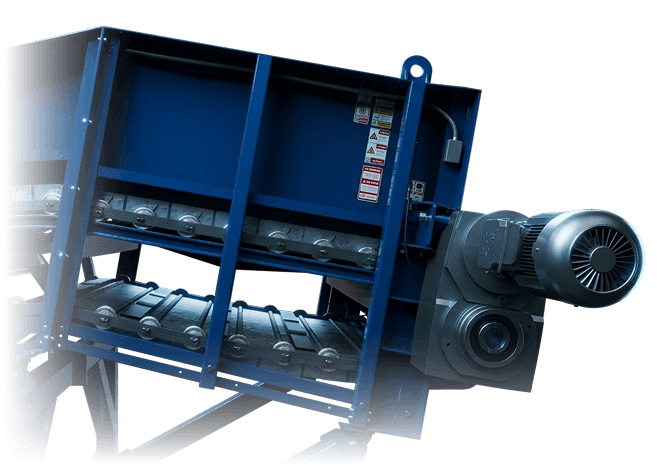
Quality conveyors for recycling old newspaper
Our conveyors enhance the productivity of old newspaper recycling facilities while reducing costs and manual labor. Each conveyor is engineered and made in the USA to the following quality standards:

Assembled with precision components such as cold-rolled steel shafts and flame-hardened sprockets

Designed for simple maintenance access and component serviceability

Dodge, Nord, SEW drives matched to application torque

Goodyear, Flexco belt options resist rips, tears, and impacts

Premium bearings sized for L10 life ratings, made in the USA

3/16" and 1/4" thick structural steel frames to prevent flexing

25-35 pound rail track to withstand heavy loads

All systems fabricated by certified welders for structural integrity.

All hardware is grade 8 for maximum strength

Painted with industrial-grade powder coating for durability

Formed using heavy duty steel plate, rectangular tubing, and structural channel

ASTM A36 steel for fabrication per structural code

Baldor, Leeson, Toshiba TEFC motors selected for 24/7 operation

Extensively tested and inspected prior to shipment
Our conveyors provide durability, strength, and lasting performance for recycling old newspapers and other materials. For a custom material handling solution, contact our engineering team.
Conveyor features and options
We can customize our conveyors to match your application requirements:
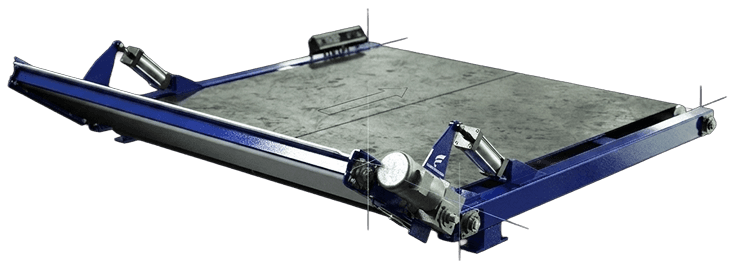
We can engineer a custom conveyor to your exact specifications.
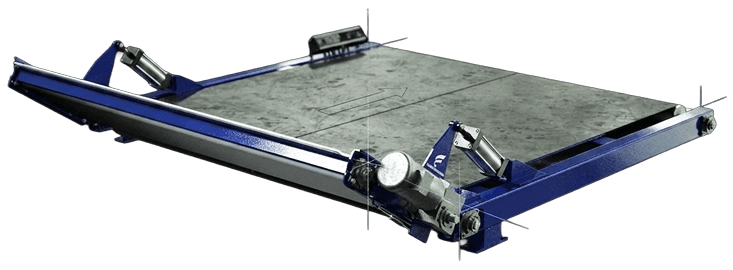
Conveyor specifications
We design and build each conveyor for convenient operation, longevity, easy maintenance, and performance:
Do you need additional customization? Our engineering team can build a custom conveyor system to meet your requirements.
Speed
50–400 ft/min variable speed via VFD
Rollers
Impact rollers with 3, 4, or 5 inch diameters
Capacities:
Up to 25,000 lb chain pull
Belt types:
Rubber, PVC, urethane, modular plastic
Belt width:
18–60 inches
Belt accessories:
Cleats, side skirts, training idlers
Drives:
Shaft-mounted gear motors, 5–25 hp
Motors:
TEFC, stainless steel, chemical duty options
Frames:
Formed steel channel, boxed supports
Safety:
Pull cords, e-stops, and dead man plates
Controls:
PLC, touchscreen HMI, remote access control panels

Do you need a conveyor solution?
Do you need a conveyor for recycling old newspapers? Let's discuss your requirements.
Conveyor FAQ










Copyright © 2026 Fluent Conveyors, LLC. All rights reserved.

The Fluent Conveyors logo is a registered trademark of Fluent Conveyors, LLC. Serial Number 97664258 Registered on Dec. 12, 2023


