





Copyright © 2026 Fluent Conveyors, LLC. All rights reserved.

The Fluent Conveyors logo is a registered trademark of Fluent Conveyors, LLC. Serial Number 97664258 Registered on Dec. 12, 2023


Copyright © 2026 Fluent Conveyors, LLC. All rights reserved.
The Fluent Conveyors logo is a registered trademark of Fluent Conveyors, LLC. Serial Number 97664258 Registered on Dec. 12, 2023

Connecting a conveyor belt can mean a couple of things.
To join the two ends of a single belt into a continuous loop (splicing).
To run two separate conveyors in sequence.

This page covers splicing, the methods used to join belt ends, how roller chain belts connect differently, whether you can join two dissimilar belts, and how to pick the right method for your belt and application.
Rubber and fabric belts are joined by splicing, and the methods fall into a few families. Each links to a detailed method guide.
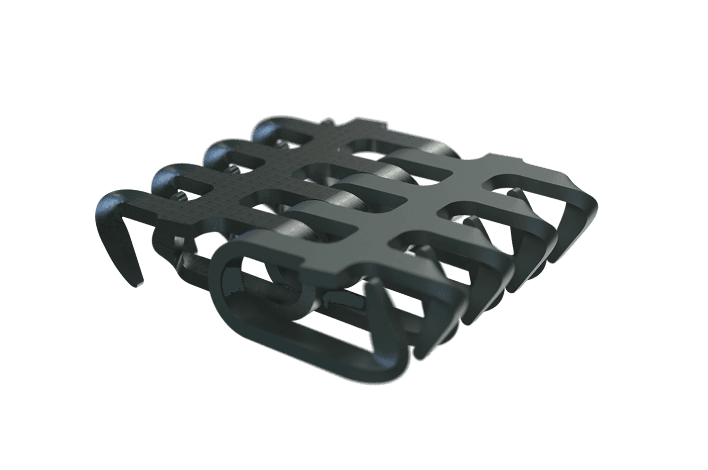
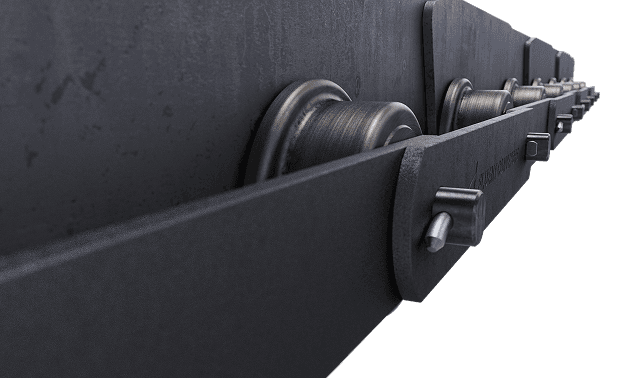
Roller chain belts connect differently from belts for pulley-driven conveyors. The carrying surface, whether pans or rubber, is built onto a steel chain, and the belt forms a loop when the chain ends are joined with a connecting pin or master link. The chain engages driven sprockets, so the join lives in the chain rather than in a bonded or laced rubber seam.
A hinged steel roller chain belt or a rubber combination roller chain belt is connected and tensioned through its chain and sprockets. The same holds for apron pan and Z-pan belts.
Because the chain pitch and sprocket pattern have to match, roller chain belts are not interchangeable with rubber-belt splice methods, and the two-part categories should never be mixed on the same machine. If you run roller chain conveyors, confirm chain pitch and sprocket fit before assuming any field joint will work.
For rubber and fabric belts, the first choice you have to make is whether to join the ends with a mechanical or vulcanized splice.
The rule of thumb is that you should vulcanize when the joint needs to be permanent and smooth, and use mechanical fasteners when speed, field access, or future removal matters more than a flush seam.
Belt construction narrows the options well before preference does. The carcass and cover decide what a joint can hold.
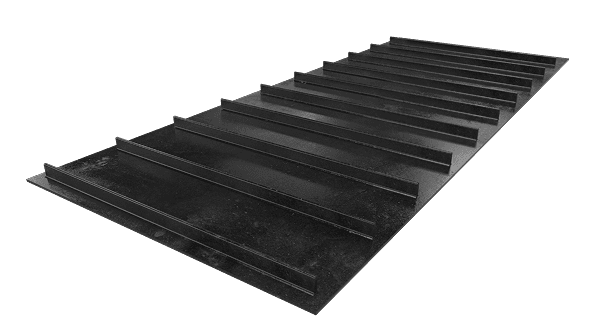
Flexible rubber and fabric belts for slider bed, trough idler, and flat idler conveyors accept mechanical fasteners or vulcanized splices, with the choice set by tension and pulley diameter.
If you are unsure which joint your belt carcass will support, the belt type overview is a good starting point before you commit to a method.
Yes, but as an exception. Operators join dissimilar belts when extending a run, splicing a usable remnant onto an existing belt, or making a transitional repair before a matched replacement arrives. The join is mechanically possible, but usually not viable as a long-term splice.
Belt ends should match on thickness, ply and carcass, cover compound, and tension rating. A mismatch in thickness creates a step the splice has to absorb, and differences in carcass stiffness or how each belt was slit can pull the joined belt toward alternate sides and complicate tracking. Joining belts of different ratings also concentrates stress at the seam, which is a common path to junction joint failure.
We recommend using correctly sized replacement belts instead of combining multiple belts.
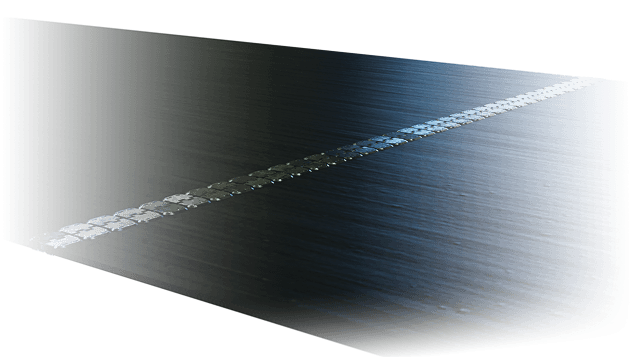
Always follow the splicing instructions provided by your belt manufacturer or splice kit. These basic steps remain true for most belt types and splice kits.

Proper cut and alignment (at step 2) prevent the most common downstream defect, a crooked splice.
When the belt construction leaves room for more than one option, weigh these variables together rather than in isolation.
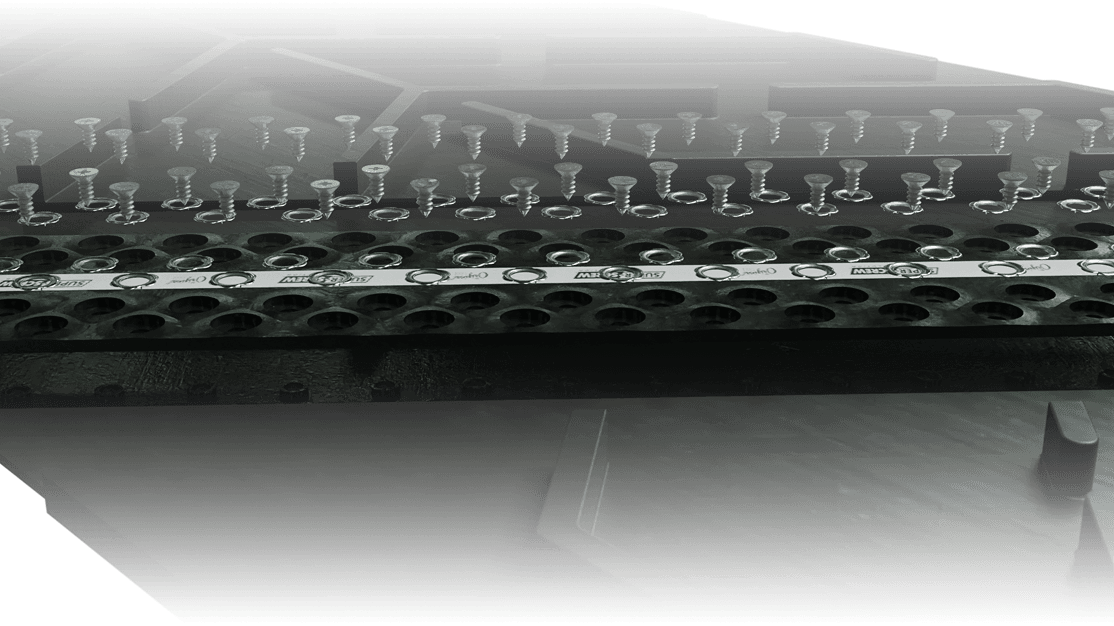
These same variables drive belt selection, so a method that fits the belt usually fits the application.
Most splice failures trace back to preparation, not the method.

Fluent Conveyors builds custom replacement belts in-house with factory-installed mechanical or vulcanized splices, and we supply the same splice kits we use on our own production. Tell us your conveyor and belt, and we will match the belt and recommend a splice method built for your duty.