






Copyright © 2026 Fluent Conveyors, LLC. All rights reserved.
The Fluent Conveyors logo is a registered trademark of Fluent Conveyors, LLC. Serial Number 97664258 Registered on Dec. 12, 2023


Copyright © 2026 Fluent Conveyors, LLC. All rights reserved.
The Fluent Conveyors logo is a registered trademark of Fluent Conveyors, LLC. Serial Number 97664258 Registered on Dec. 12, 2023
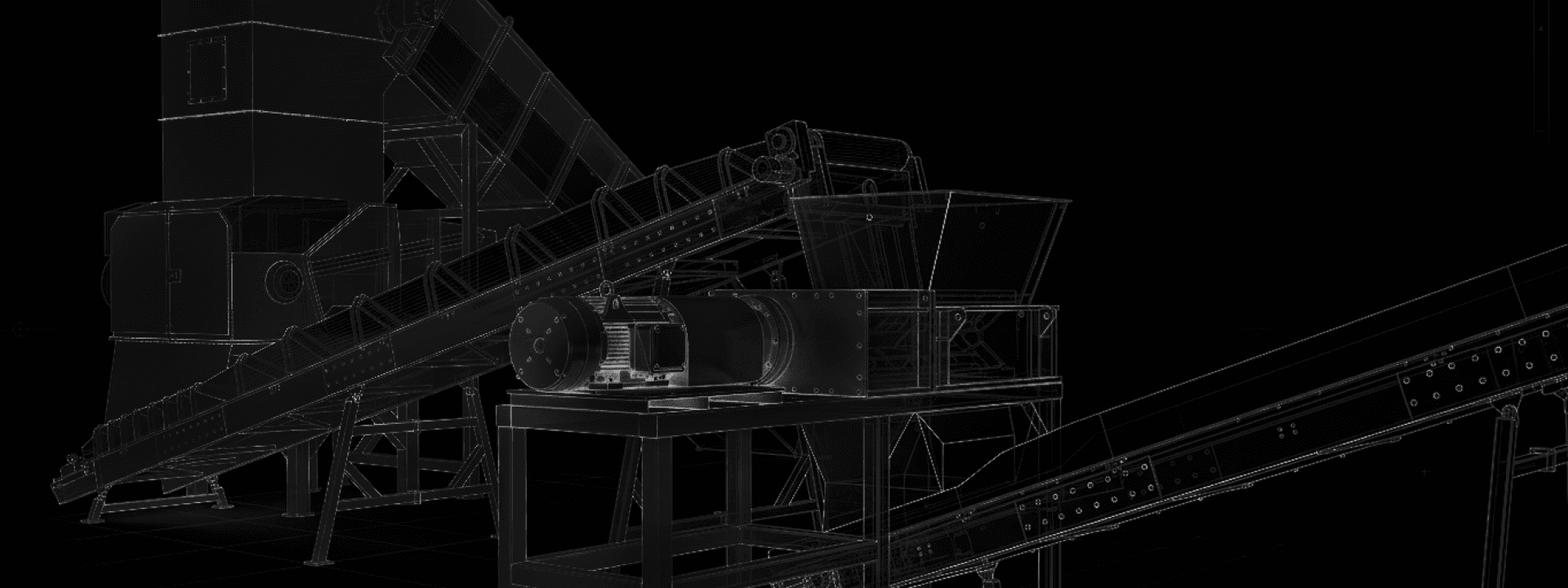
CEMA 102 is the conveyor industry's terminology standard. It fixes vocabulary and carries no design, load, or safety requirement. We follow ANSI/CEMA 102 vocabulary so the words in your RFQ, our quote, and the approval drawing describe the same machine.

CEMA 102 is an illustrated industry dictionary. The current edition defines more than 1,500 terms across more than 150 conveyor types, variations, and components, illustrated across 172 pages, and published in 10 editions since 1952.
Coverage falls into four groups.
Arrangements: loading, transfer, and discharge configurations along a conveyor
Conditions: material behavior and running terms shared across the rest of the CEMA library
That last group is why the document exists. Every other CEMA publication is written in the terms 102 defines, so a word appearing in the unit handling belt conveyor practice carries the same meaning as in any other CEMA document.
A specification naming 102 alone has fixed how the parties talk and nothing else. These requirements (and others) sit elsewhere.
Safety and guarding: ASME B20.1 governs conveyor hazards across the equipment lifecycle
Component load ratings: idler class and pulley rating tables set clearance, mounting dimensions, and capacity
Capacity, tension, and power: belt conveyor calculation methods produce those figures for a defined application
Material behavior: bulk classification codes and the rest of the CEMA document inventory sit with their own publications
Product certification: no conformity mark exists for a terminology standard
A bid line reading "CEMA 102 compliant" therefore only describes terminology.
We quote from the terms in your RFQ. Ambiguity adds time to the process. These ten items resolve most of the issues we see:
Naming and clause wording are separate issues. Our RFQ writing guide covers phrasing, including how to cite a standard without locking your document to a superseded printing.
Fluent series designations are model names, not CEMA classifications. An industry term says what a machine is; a series name says which of our platforms it came from. Where a specification needs both, lead with the description and treat the series designation as a reference.
Legacy naming causes the same trouble in reverse, usually when a maintenance planner orders replacement parts off a twenty-year-old print. Our as-built drawings and owner's manuals name components in current terminology for that reason. Readers after plain-English explanations rather than formal definitions can start with our conveyor glossary.
The current edition is ANSI/CEMA 102-2022, which revised the 2012 edition. Superseded 2006 and 2012 printings remain indexed. Buy from CEMA or an authorized reseller and confirm the year on the product page.
The PDF ships as a copyrighted single-user file, which is why this page describes scope instead of definitions. Cite the current edition, or name one and add "or current edition at time of order," a point our procurement checklist treats in more detail.

Send your conveyor type, material or package data, geometry, environment, and control scope, and our engineers will confirm CEMA-equivalent terms before drawings get released.