







Copyright © 2026 Fluent Conveyors, LLC. All rights reserved.
The Fluent Conveyors logo is a registered trademark of Fluent Conveyors, LLC. Serial Number 97664258 Registered on Dec. 12, 2023


Copyright © 2026 Fluent Conveyors, LLC. All rights reserved.
The Fluent Conveyors logo is a registered trademark of Fluent Conveyors, LLC. Serial Number 97664258 Registered on Dec. 12, 2023
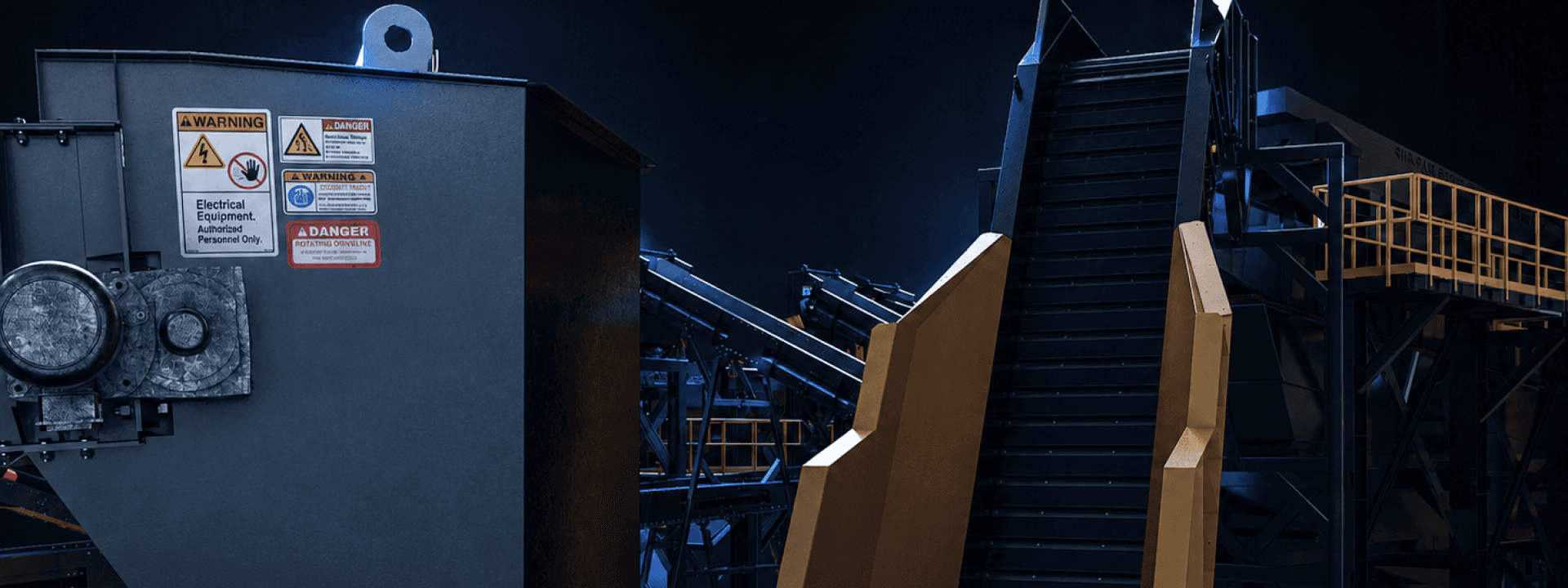
You probably first saw ANSI/ASME B20.1 in a purchase specification or an EHS requirement. ASME publishes the standard but issues no conformity mark for conveying equipment. Fluent builds to the current edition and gives you the records that prove it.

B20.1 covers conveyor hazards through the full equipment lifecycle, from design and construction through installation, maintenance, inspection, and operation. It applies to bulk material handling, package handling, and unit handling, whether your installation is permanent, temporary, or portable.
That lifecycle framing is the part plant operators often miss. We can ship a conveyor that conforms to every provision governing equipment, and you can still end up with a noncompliant installation, because much of the standard governs how the machine is installed, operated, and serviced. Our ANSI and ASME conveyor standards page discusses responsible parties in detail.
Scope exclusions decide whether B20.1 is even the right document to cite. Our standards and compliance hub explains how consensus standards, regulations, and third-party certifications differ.
B20.1 leaves out several equipment categories.
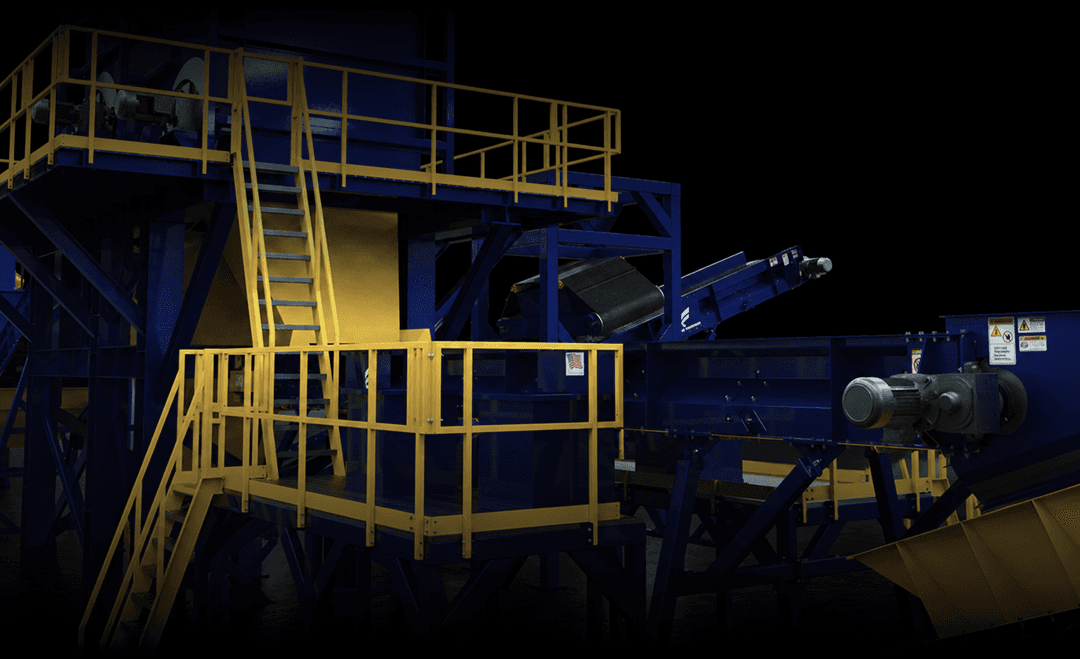
Some equipment stays inside the scope when you'd expect the opposite. Conveying equipment that carries workstations or operator stations inside its own supporting structure, for personnel authorized to be there, remains covered. Our recycling sort stations fall into that category, which is why we engineer platform access, guarding at the picking face, and stop devices within reach of every position together.
Fluent doesn’t build screw conveyors, and B20.1 excludes them anyway. See our conveyors page for our product scope.
We price safety provisions into your purchase order. Each provision names a hazard condition and the outcome expected of the equipment, then leaves the method to the engineer. We use the most current global standards to engineer hazards out of your machines.
Guards, stop devices, warning systems, labels, and manuals come with Fluent conveyors. Training, inspection intervals, lockout procedures, and safe operating practice don't, and our conveyor procurement checklist splits the two to avoid vendor-facility miscommunication.
We run a risk assessment during floor evaluation and property survey and deliver it to you, so you understand our reasoning behind each guarding decision, stop device location, and access restriction.
The 2024 edition of B20.1 added a dust hazards provision. Shredded material, fibers, glass fines, biomass, and construction and demolition debris all throw dust at transfers and discharge points, which influences our design process. Enclosure, containment at transfers, cleanout access, and coordination with your facility's dust and fire program are decided during engineering.
Three other changes came with the 2024 edition.
The definition of a qualified person was revised. It clarifies who can carry out inspection and repair work.
Maintenance and lubrication practice gained new clarification.
Emergency stop devices located away from a conveyor now have to identify what they control, which we handle with legend plate wording and use instructions in our control panels.

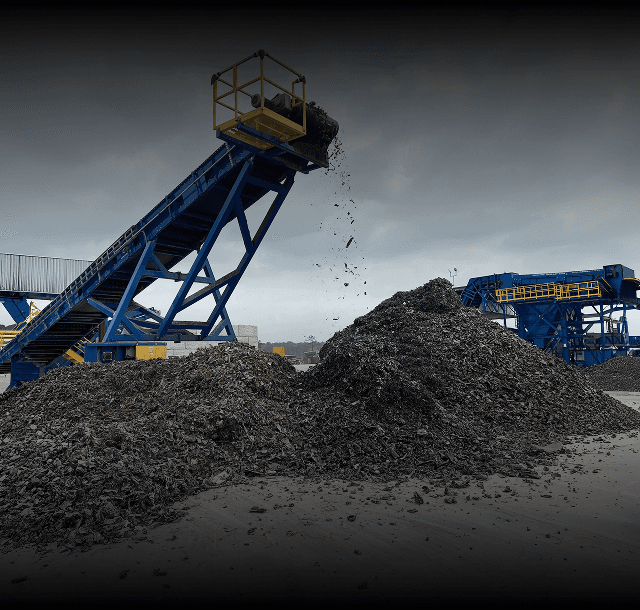
B20.1's scope includes portable and temporary installations (like radial stackers), and it treats mobile conveyors as a distinct type. We engineer for repositioning, wheel and undercarriage contact, stability on uneven ground, and setup work performed by whoever is on site that day.
Relocation complicates standards conformance. Guarding, clearance, and control visibility must be confirmed at each new position.
The current edition is ASME B20.1-2024. ASME has published the document since 1947, and the older designation ANSI/ASME B20.1 still turns up throughout specifications and legacy drawings, so a reference with no year usually means whichever edition was current when somebody wrote it. Where federal rule adopts a specific edition, that edition governs no matter what's current, and OSHA conveyor rules explain how that adoption works and which edition it names.
ASME's public listing for B20.1 indicates the standard now sits on stabilized maintenance, which means the 2024 edition stays in effect and revisions happen in response to submitted change requests instead of the old three-year publication cycle.
Write your edition language accordingly. Naming an edition and adding "or current edition at time of order" keeps your document from conflicting with the practice a manufacturer already follows, and our conveyor RFQ writing guide covers how to phrase standards clauses so they remain accurate throughout the procurement cycle.
B20.1 tells you a hazard requires guarding, but it doesn’t define adequate guarding. The same gap exists for hazardous energy control, product safety labeling, and industrial electrical equipment. Other standards and compliances govern these in detail. Our standards page maps the documents, associations, and certifications that set legal precedent and guide our manufacturing process.

Send us your conveyor type, material and bulk density, throughput, incline, operating environment, controls scope, and any internal safety specification. We'll tell you which provisions apply and how they change the build.