





Copyright © 2026 Fluent Conveyors, LLC. All rights reserved.

The Fluent Conveyors logo is a registered trademark of Fluent Conveyors, LLC. Serial Number 97664258 Registered on Dec. 12, 2023


Copyright © 2026 Fluent Conveyors, LLC. All rights reserved.
The Fluent Conveyors logo is a registered trademark of Fluent Conveyors, LLC. Serial Number 97664258 Registered on Dec. 12, 2023
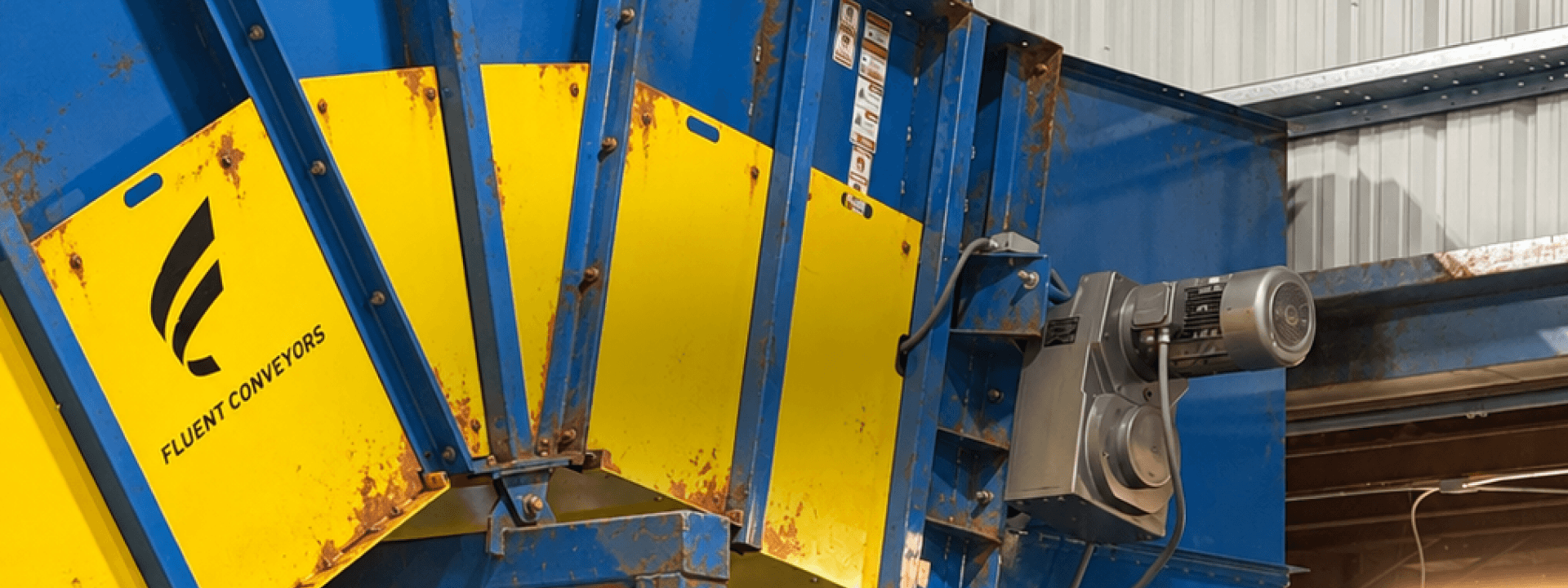
Corrosion costs the world economy roughly $2.5 trillion a year. NACE International estimates that corrosion-control practices could recover 15–35% of that cost.

On a conveyor, prevention is achieved through five choices:
Frame material
Surface preparation
Coating build
Drainage geometry
Component sealing
If you’re interested in improving the safety and lifetime value of your machinery, you need to know how to prevent rust on the conveyor. We’ll cover each prevention choice in detail and discuss inspection, repair, and replacement protocols.
Conveyors frequently operate in wet or humid environments or handle wet material. The steel frame corrodes when oxygen, water, and an electrolyte meet a bare surface. Dissolved chlorides, cleaning chemicals, and fines suspended in wash water accelerate the reaction. Wet and dry cycling cause further damage because each drying cycle reintroduces oxygen to moisture remaining on the steel.
Two localized mechanisms cause much of the hidden damage.
Crevice corrosion develops in oxygen-starved gaps under skirting, inside bolted joints, and beneath packed material.
Galvanic corrosion attacks the less noble metal where dissimilar metals make contact, which is why mixed fastener and frame materials often corrode first at the interface.
Abrasion compounds the problem. Wet material and carryback mechanically wear away the protective layer, then trap moisture against the exposed steel. Damage concentrates where conveyor components interact with the load, including impact zones, skirted sections, and the return side.
Some operating environments subject the conveyor to unavoidable rust-accelerating conditions. But several design and maintenance decisions can slow or prevent corrosion.
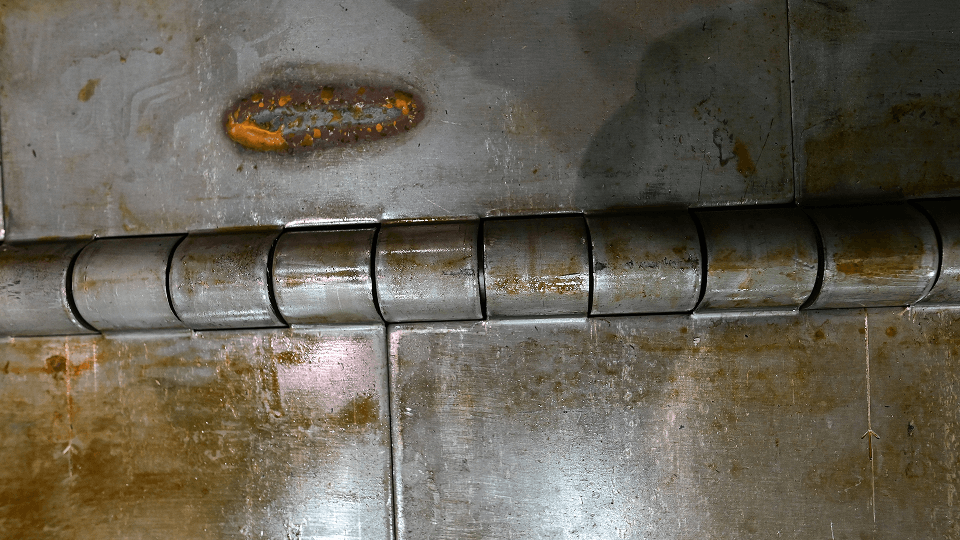

Three approaches cover most industrial conveyor applications. Make this design choice based on the actual operating environment.

Painted carbon steel is the standard choice for heavy industrial service. Its performance depends on surface preparation and coating build, but the barrier only protects the steel while it remains intact.
Impact and abrasion resistance are especially important on conveyors because material contact repeatedly stresses the coating at load zones, transfer points, and other wear areas.
Zinc provides sacrificial protection, so scratches and cut edges retain some protection that bare painted steel does not. Applying paint or powder over hot-dip galvanizing creates a duplex system.
The American Galvanizers Association reports that duplex systems can last 1.5–2.3 times as long as the combined life of either system alone, with zinc extending paint life by at least 50%. Zinc surface preparation follows ASTM D6386 for paint and ASTM D7803 for powder.
Stainless steel resists general corrosion through a passive oxide layer, but chlorides can break that layer down locally. Stainless conveyors can still develop pitting and crevice corrosion under deposits, at lap joints, and beneath gaskets.
Grade selection should reflect the chloride level in the process. Free iron transferred from carbon steel tooling can also rust on a stainless surface.
Corrosion protection should match the operating environment. A conveyor in a dry indoor environment and one running in a wash plant need different materials, coatings, and seals.
On a new conveyor, you can expect the coat to be applied properly. When re-coating an existing conveyor, you need to prepare the surface properly. Mill scale, flash rust, oil, and soluble salt deposits interfere with the bond between primer and steel, causing paint to lift before the coating itself reaches the end of its expected service life.
Abrasive blasting removes contamination while creating an anchor profile in the substrate. That profile increases the surface area available for the primer to grip, improving adhesion and resistance to chipping.
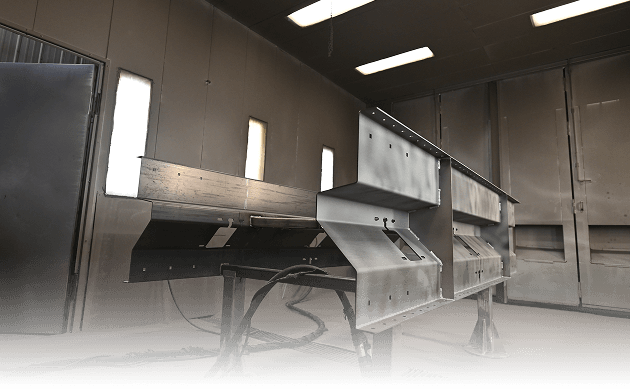
Coating thickness is specified over that profile. A three-stage industrial paint process typically uses angular steel shot to create a 1–1.5 mil profile, followed by 1.5–2 mils of high-solids urethane primer and 2–3 mils of acrylic polyurethane topcoat.
Frame design also affects coating performance. ISO 12944-3 establishes design criteria for steel structures receiving protective paint systems, with the stated goal of preventing premature corrosion and coating degradation.
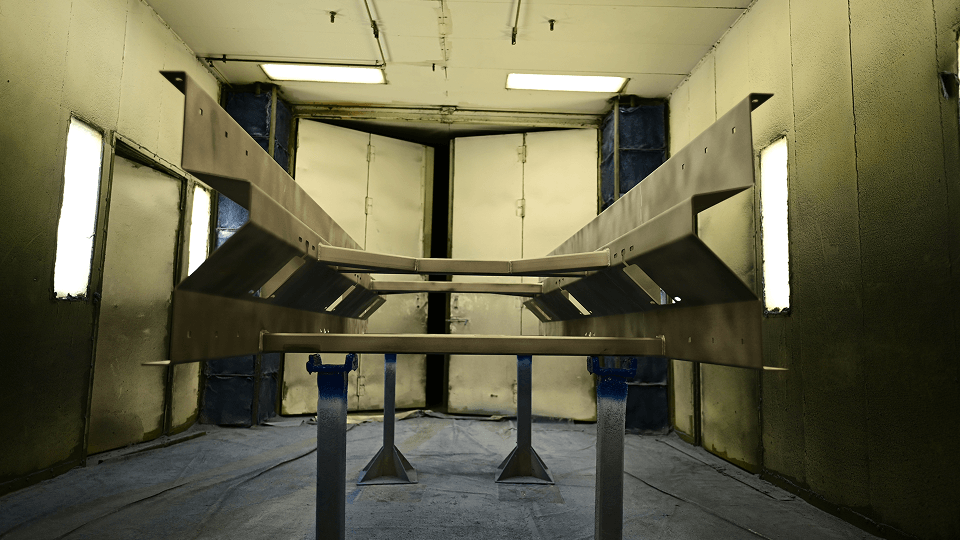
Water will reach the frame of any wet-duty conveyor. Corrosion risk increases when the frame collects or pools water. Use the following to fix an existing conveyor or add to your next RFQ:
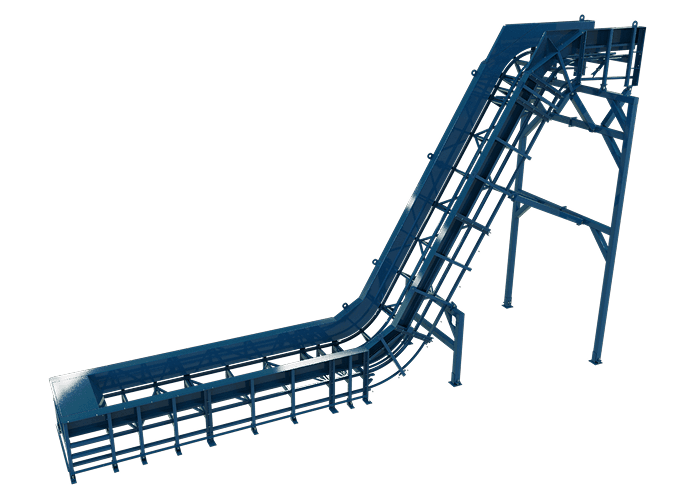
Skirted sections require particular attention. Conveyor skirting keeps material on the belt but can also trap water against the frame. Drainage behind the skirtboard should receive as much attention as the material seal itself.
Chain joints, sprocket teeth, running rail, and track hardware are exposed to corrosion, while many of their working surfaces must remain bare.
Lubrication protects most roller chain components from corrosion and wear.
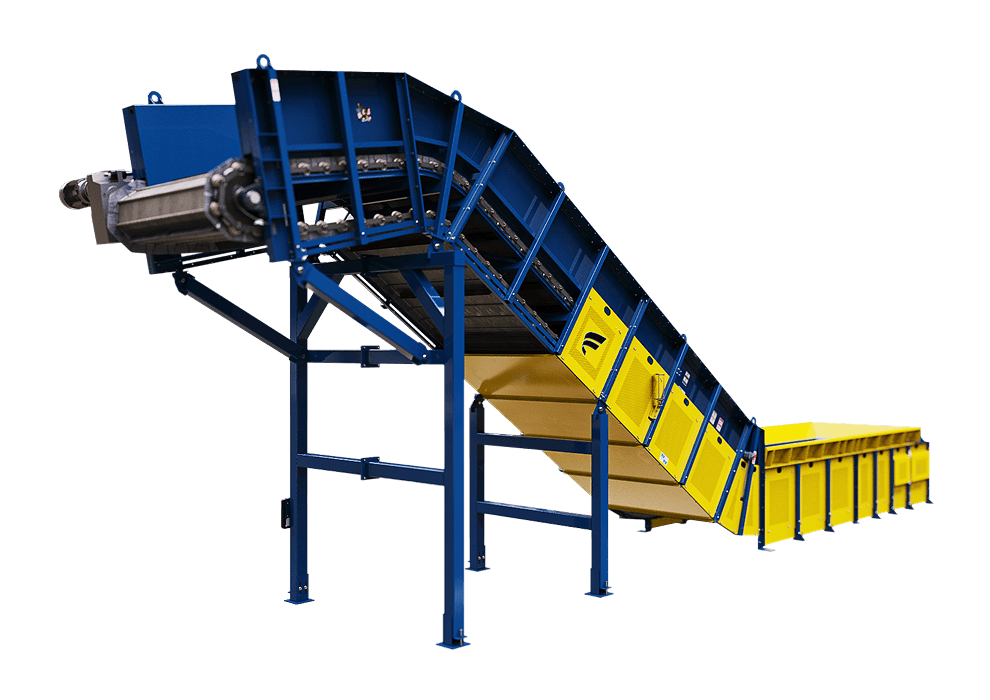
Bearings, idlers, pulleys, shafts, and take-up assemblies often directly experience water and washdown.
NSK attributes rust on bearings to water or corrosive gas entry, unsuitable lubricant, condensation, high humidity during idle periods, and inadequate storage protection. Recommended countermeasures include improved sealing, lubrication review, and anti-rust treatment during non-running periods.
Seal selection should match the operating environment. Idler seals are available in wet, dry, and heavy-duty configurations for this reason.
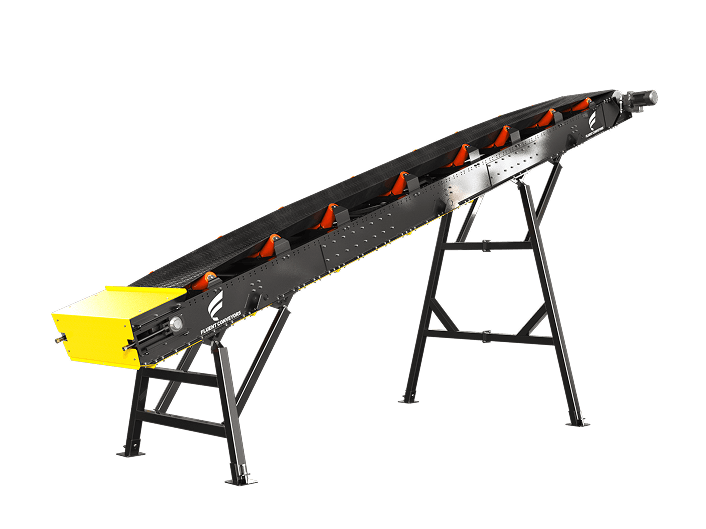
Fasteners and welds are vulnerable on both drive types. Coating naturally thins at edges and radii, so cut edges, weld toes, and fastener heads often show corrosion before flat surfaces do.
Sanitation chemicals can attack some coating systems. Check each cleaner against the topcoat's chemical-resistance data before adding it to the wash schedule, particularly when using alkaline cleaners or chlorinated sanitizers.
After washdown, you shouldn’t leave the conveyor wet. Drainage points channel water away from the conveyor, and some operations use dryers to minimize water contact.
Carryback also contributes to corrosion. Retained fines hold moisture against the return side and pulley faces, and belt scrapers worn beyond their adjustment range stop controlling that buildup.
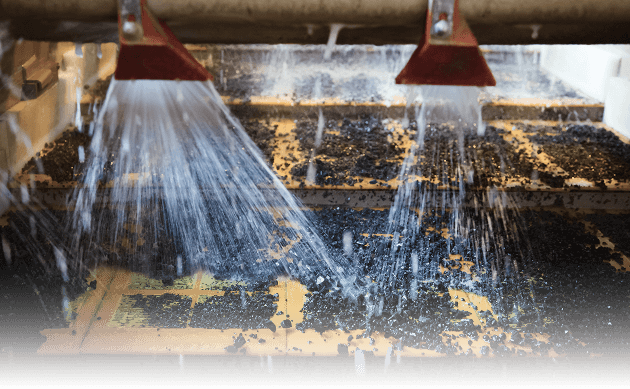
Corrosion tends to appear in predictable locations. A corrosion walkdown should include:
Repair coating damage as noticed. Touching up a chip during a scheduled shutdown costs less than replacing a corroded frame section later, and exposed steel in aggressive service can lose measurable section thickness.
Set inspection frequency according to exposure. Washdown and chloride service require closer inspection than dry indoor equipment. The same principle applies to conveyor maintenance intervals across the rest of the machine.

Fluent Conveyors builds conveyors in the United States and specifies frame materials, coating systems, drainage, and component sealing for the conditions each machine will operate in. Send us your operating conditions, and we can identify the areas that require additional corrosion protection.