





Copyright © 2026 Fluent Conveyors, LLC. All rights reserved.

The Fluent Conveyors logo is a registered trademark of Fluent Conveyors, LLC. Serial Number 97664258 Registered on Dec. 12, 2023


Copyright © 2026 Fluent Conveyors, LLC. All rights reserved.
The Fluent Conveyors logo is a registered trademark of Fluent Conveyors, LLC. Serial Number 97664258 Registered on Dec. 12, 2023
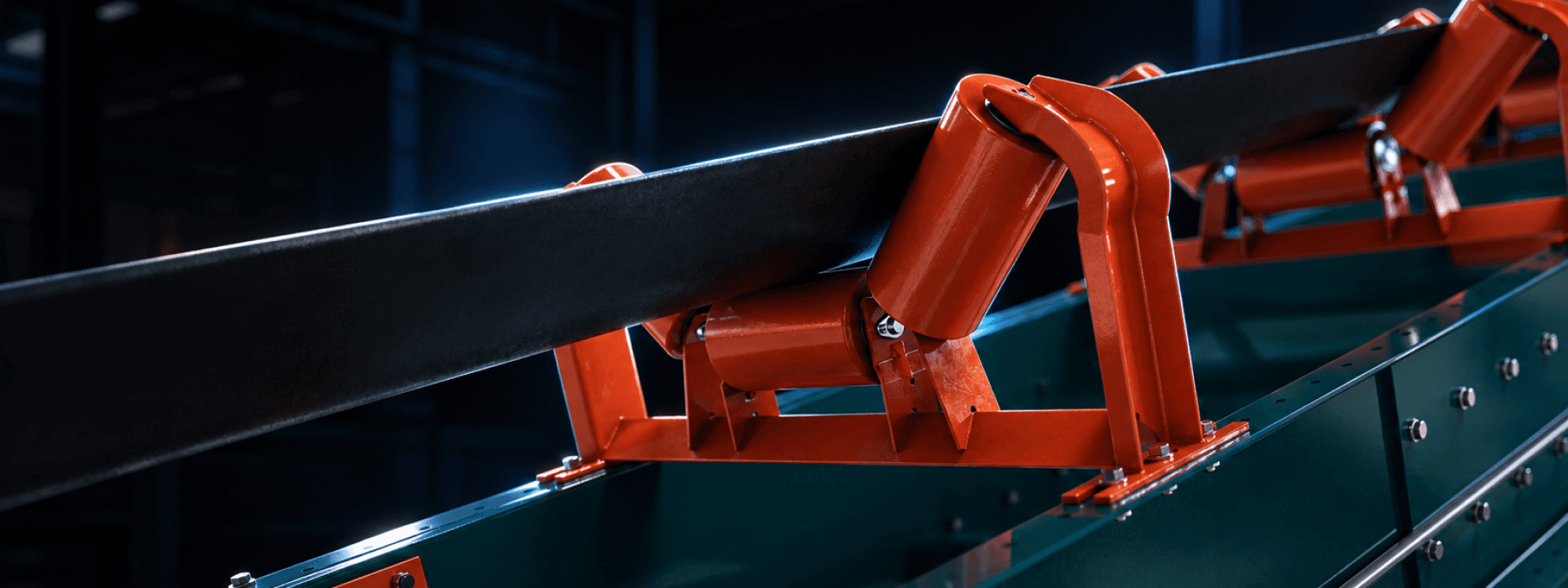
Conveyors consist of many cooperating components. Although complex, they perform a simple role: conveyors move materials from one place to another. Conveyors play a key role in feeding, transporting, and sorting materials. Effective material movement is critical to industries such as food processing, recycling, mining, waste management, manufacturing, and many more.

Different types of conveyors are composed of different parts. Despite their differences, conveyors share many common components. The basic components of a conveyor include the following:
Frames
Movement systems
Beds
The electric motor transfers power to pulleys, chains, or other movement systems. The powered components move material along the conveyor frame, guided by idlers and the conveyor belt.
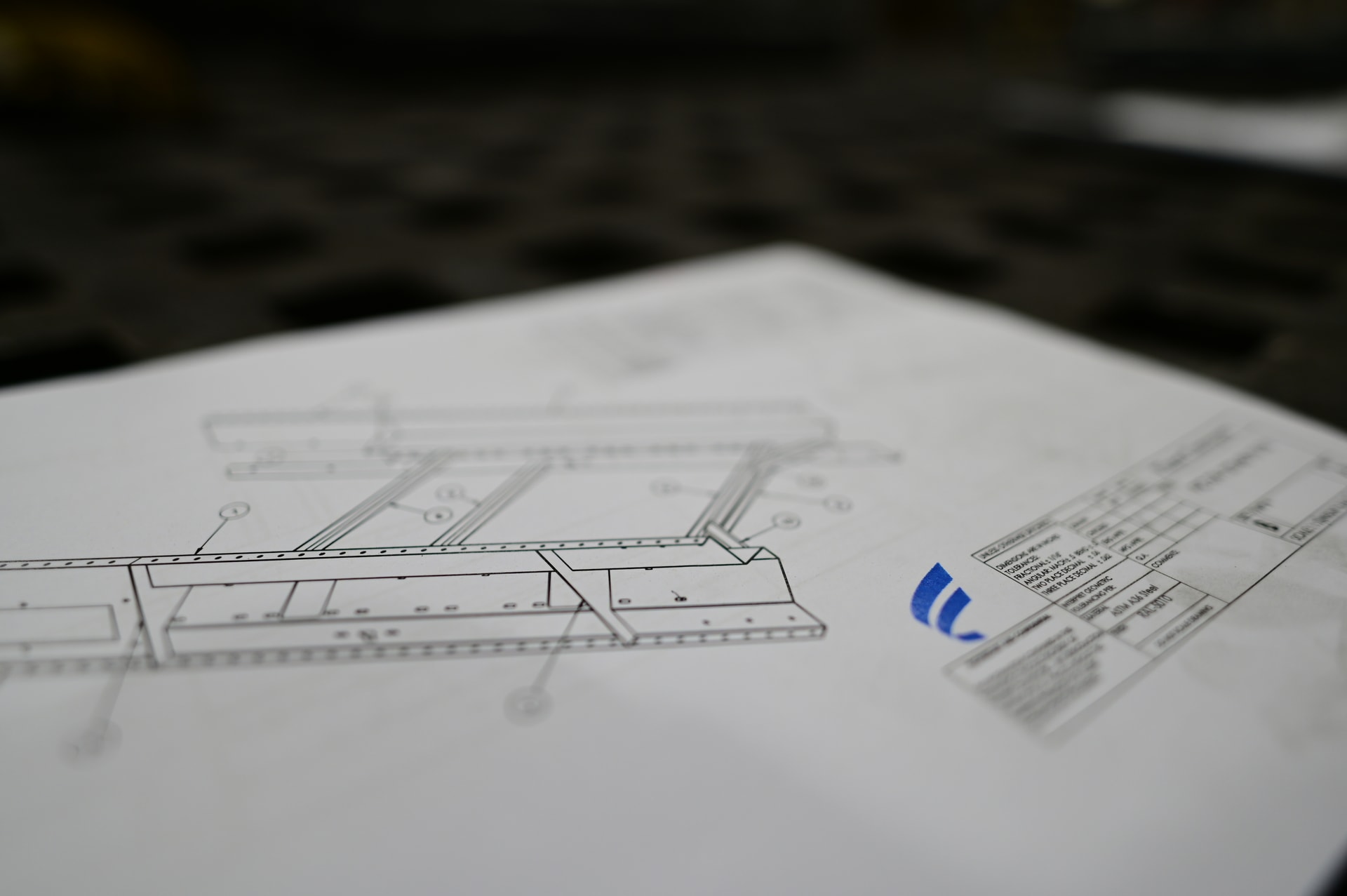
We can customize conveyors to suit any industry or application and engineer them to mesh with your existing equipment. We also design, build, and program custom control panels and operator consoles for your conveyor system.
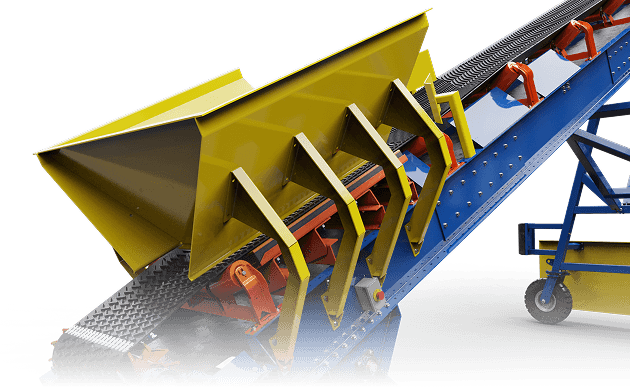
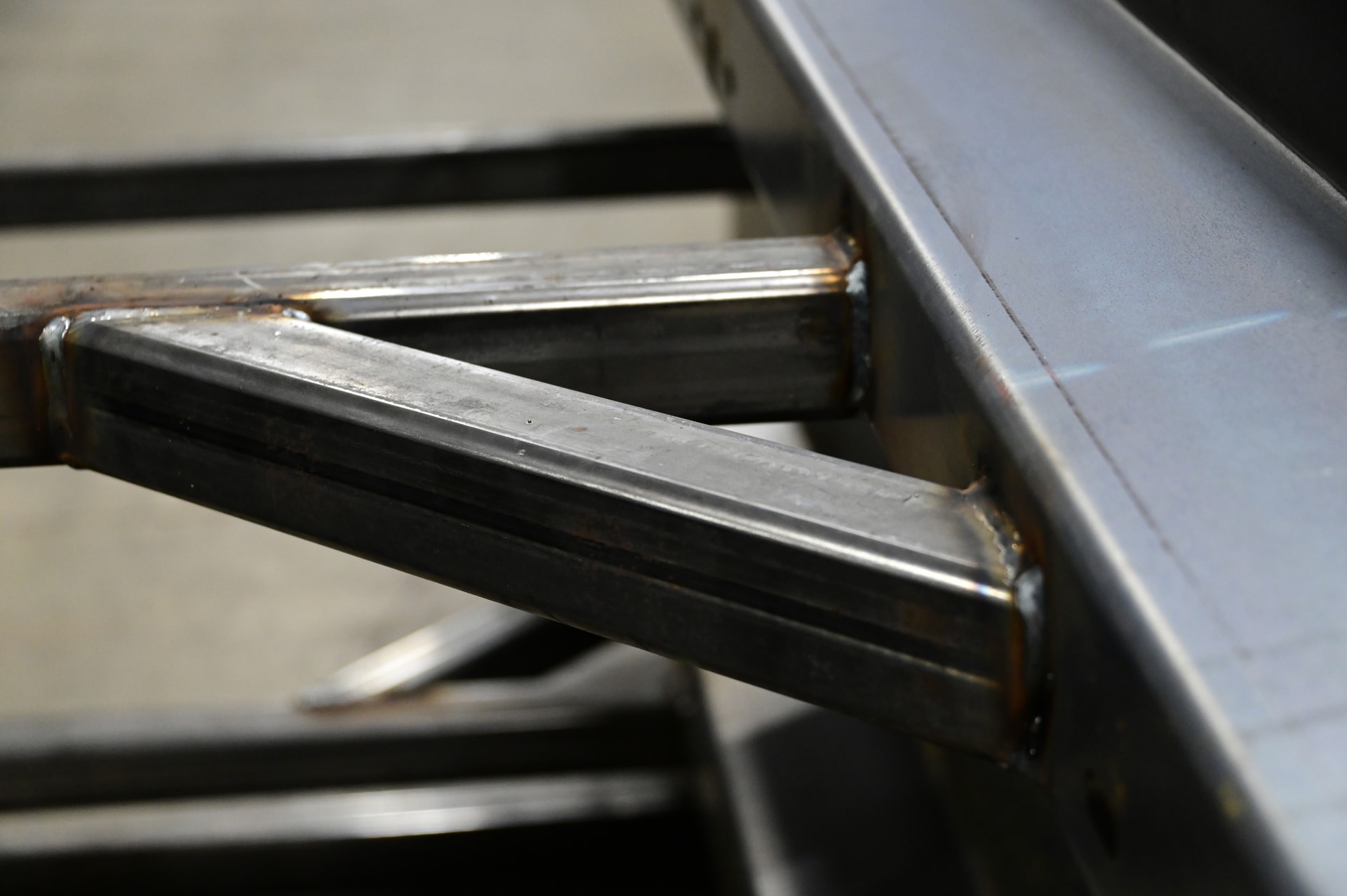
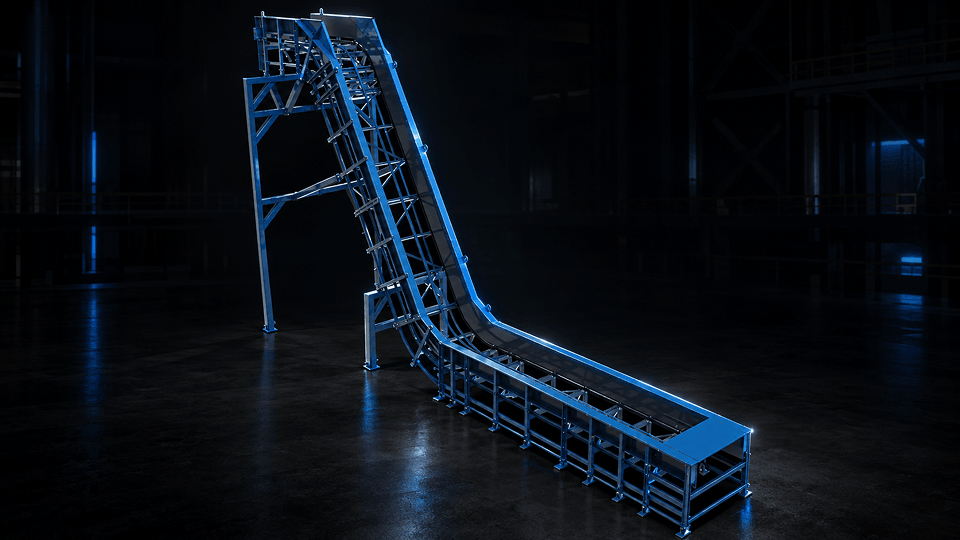
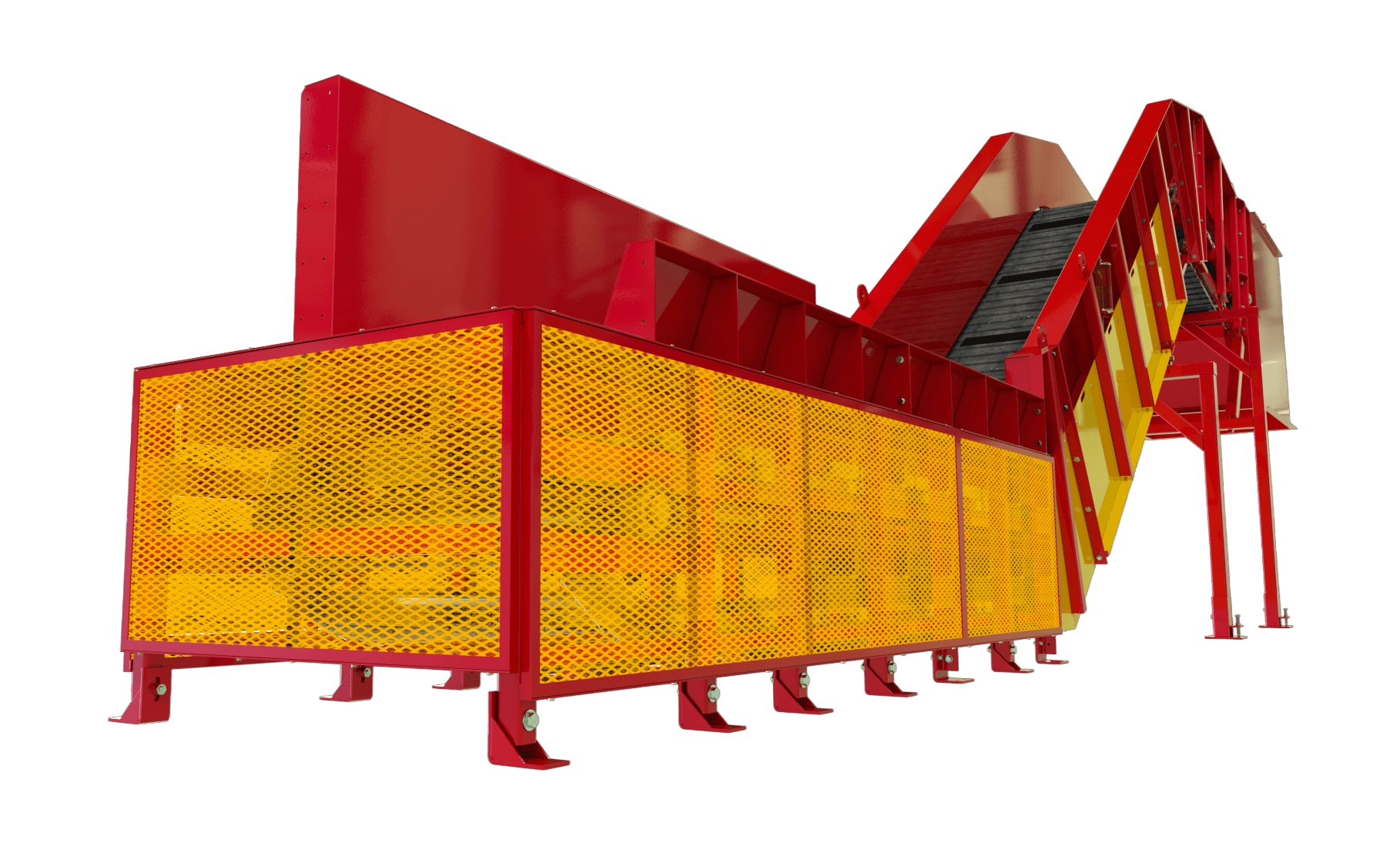
The conveyor frame supports the conveyor components and provides the path conveyed materials will take. Frame designs consider the shape, load weight, working environment, and accessory requirements. Incline conveyors, for example, are used to transport materials up and down or to maximize the use of limited floor space. Typical frame considerations include:
Drive placement: side or center drives.
Frame type: formed steel channel, aluminum extrusion, or custom solution.
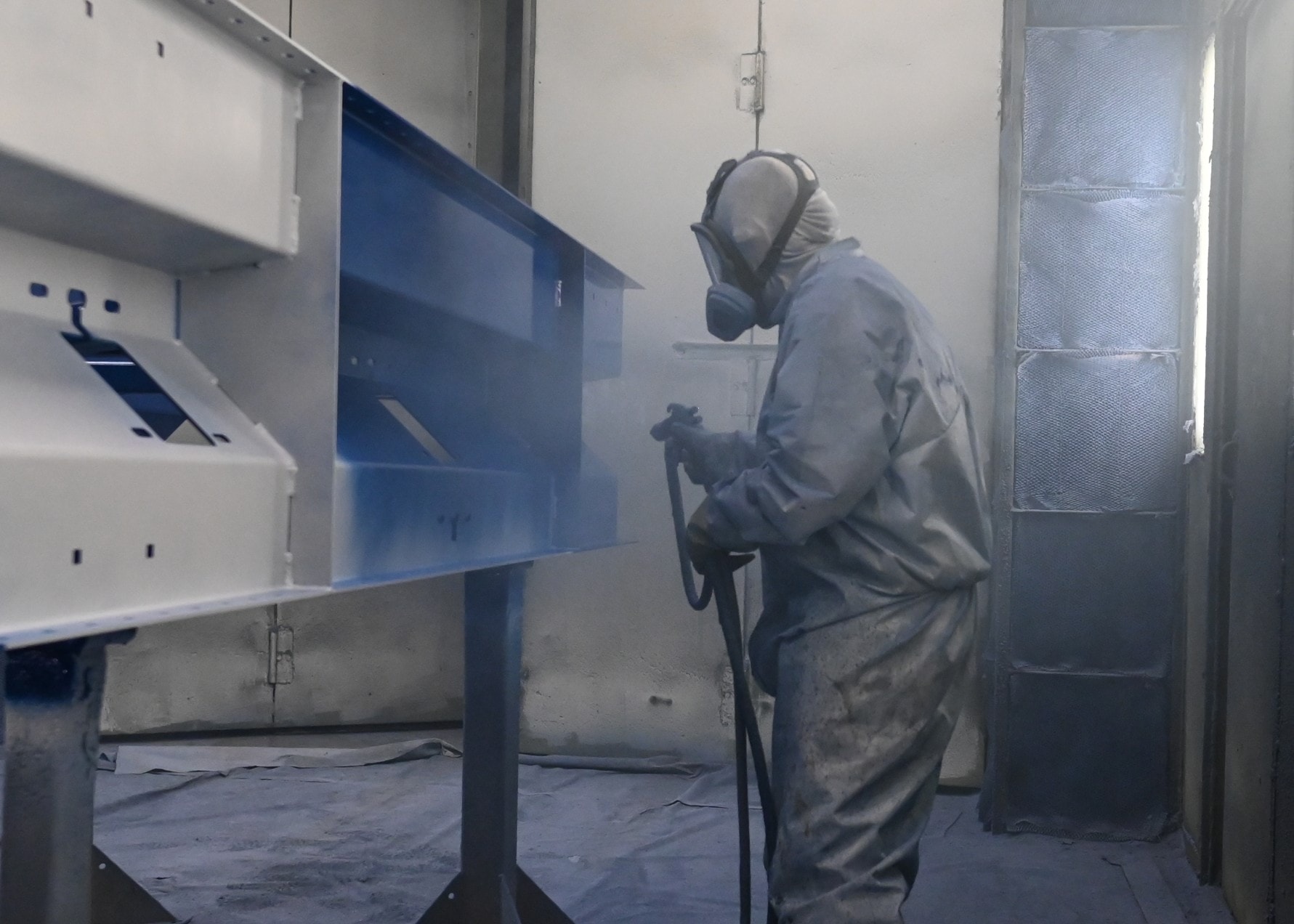
Coating: powder coatings can prevent environmental damage.
Conveyor frames must withstand intense vibration, tension, and load impacts over years of operation.
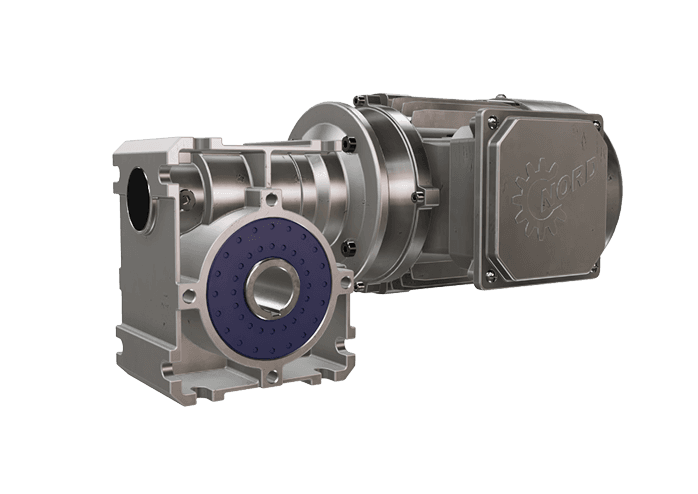
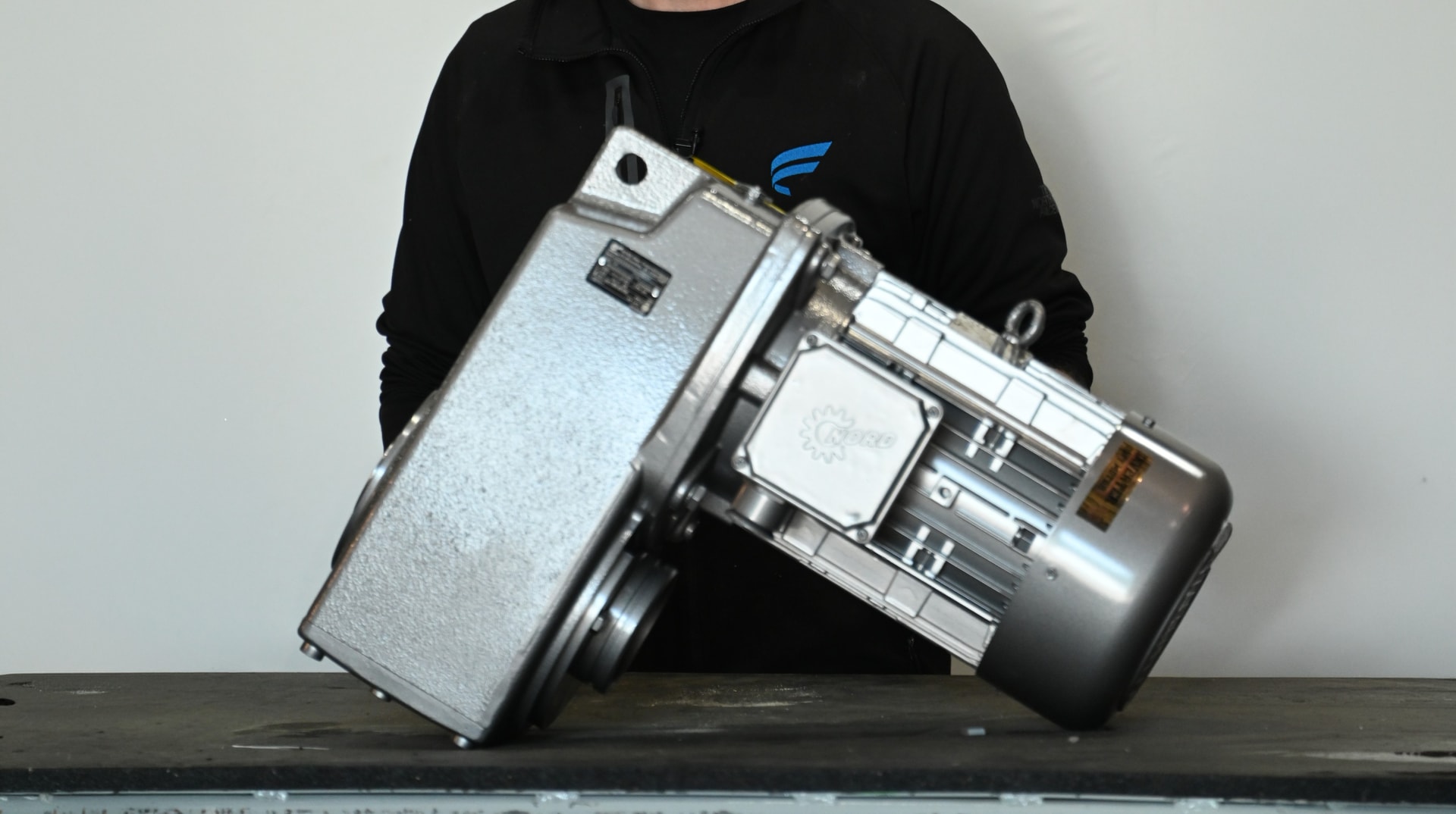
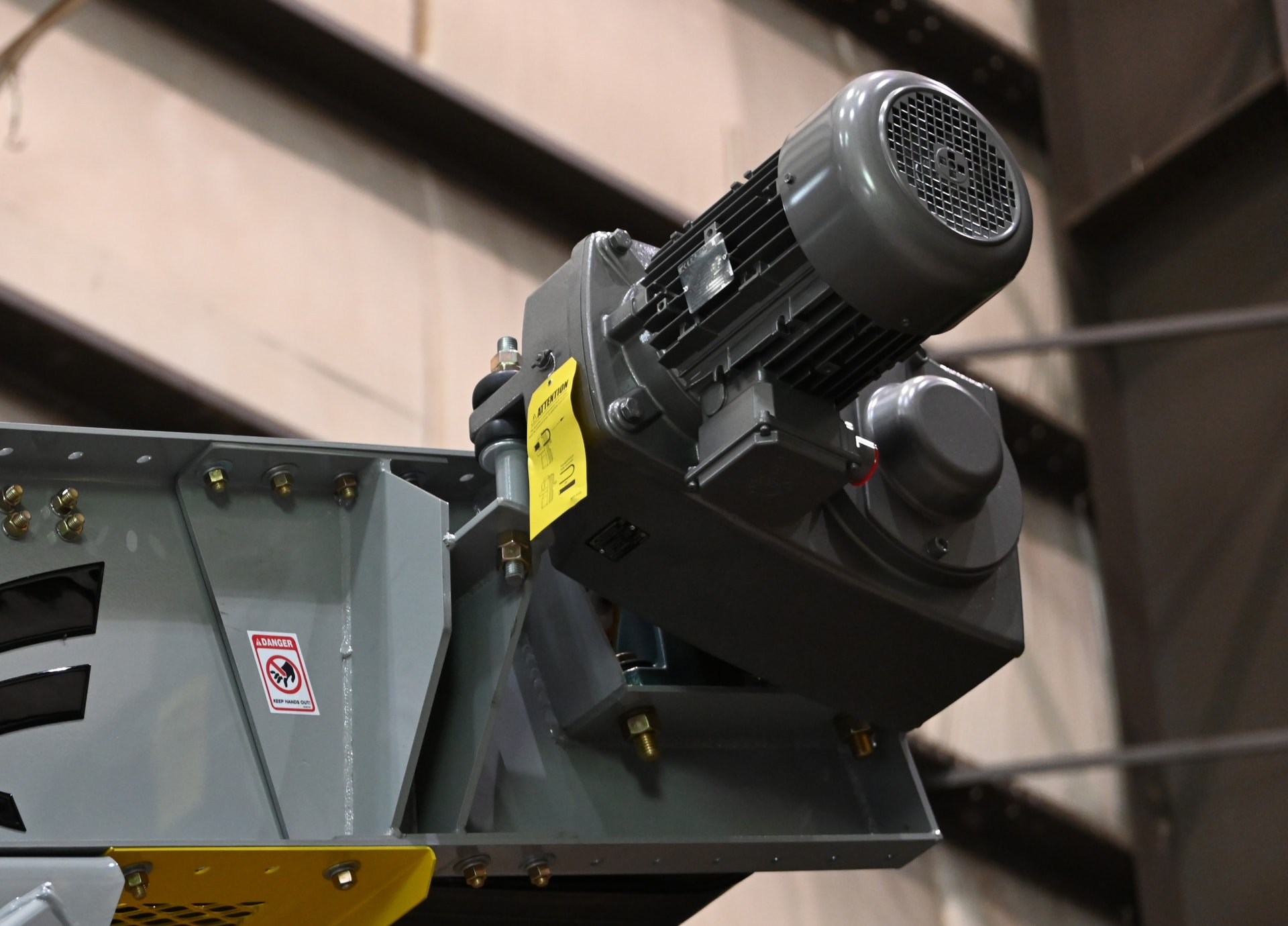
Motors and drive units generate the conveyor system’s power by converting electrical energy into mechanical energy. Energy is then sent to the conveyor's movement system, which could be a drive pulley, a sprocket attached to a chain, or additional motors on individual rollers.
Motors/drives are selected based on:
Speed: related to conveyor pulley diameter and power generation capability.
Drive force: factors in friction, incline angle, and load.
Duty cycle: runtime hours per day determine general versus heavy duty.
Environment: protection from moisture, dust, and extreme temperatures.
Motors and drives come in AC, DC, variable, and constant speeds. They may be external or embedded in conveyor rolls.
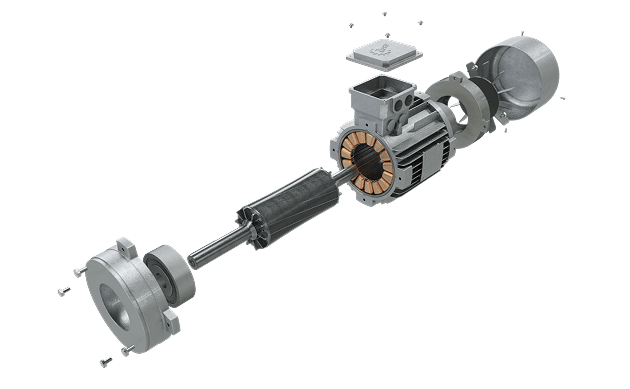
We carry several motor/drive reducer combinations that offer energy efficiency and high torque:
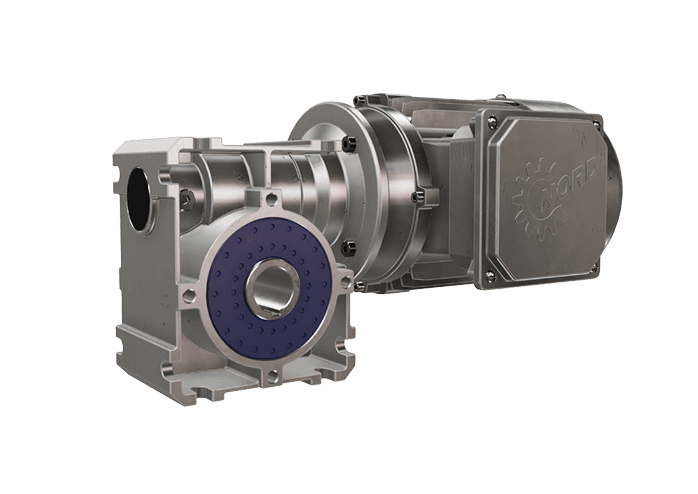
Use the appropriate oil for your motor to maintain performance.
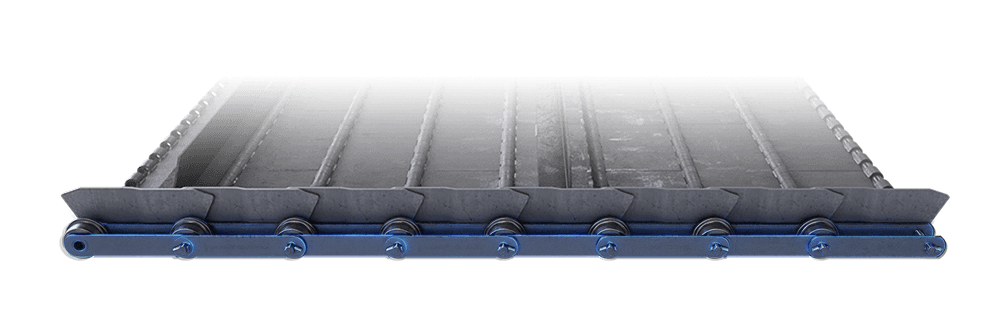
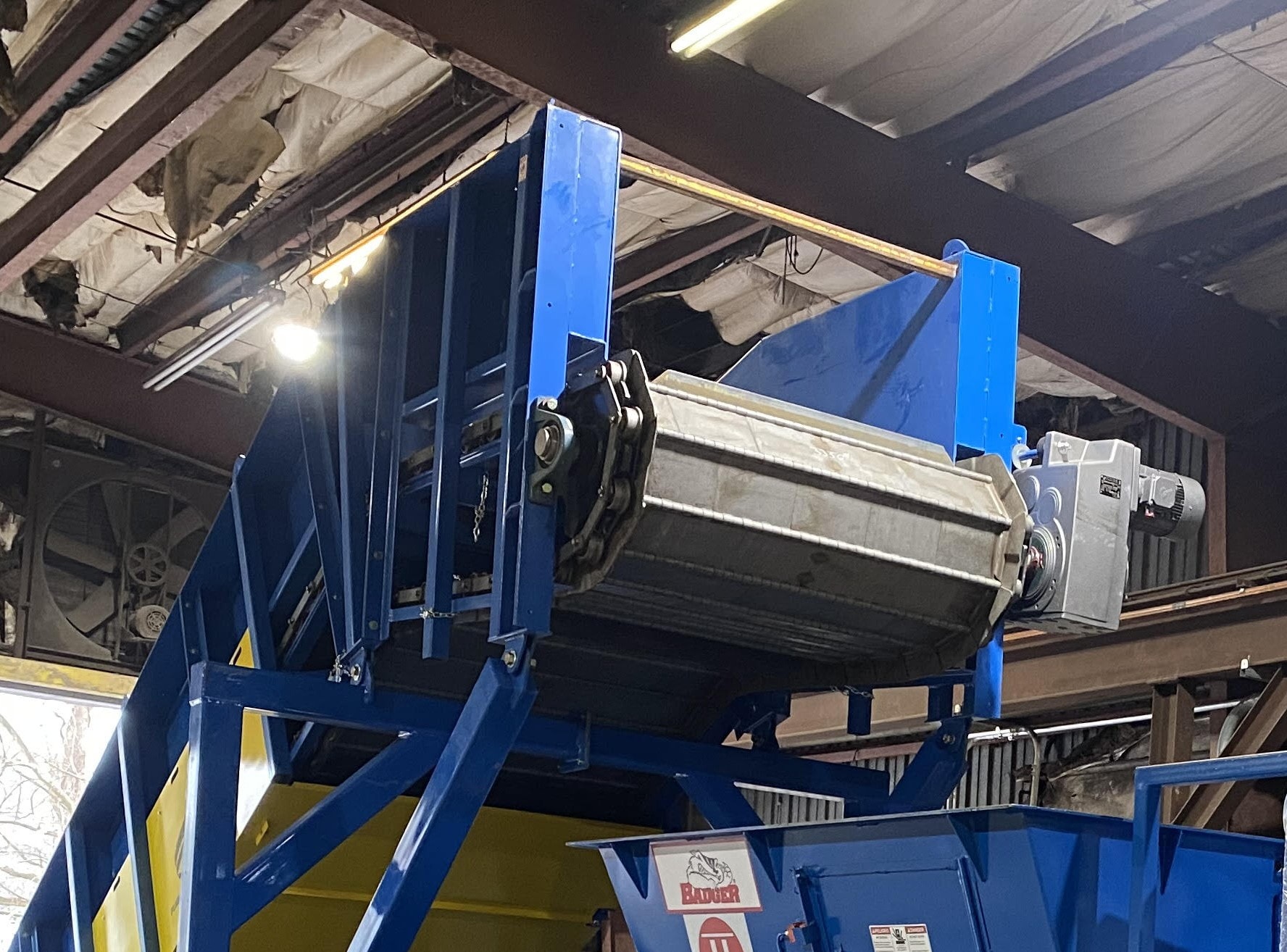
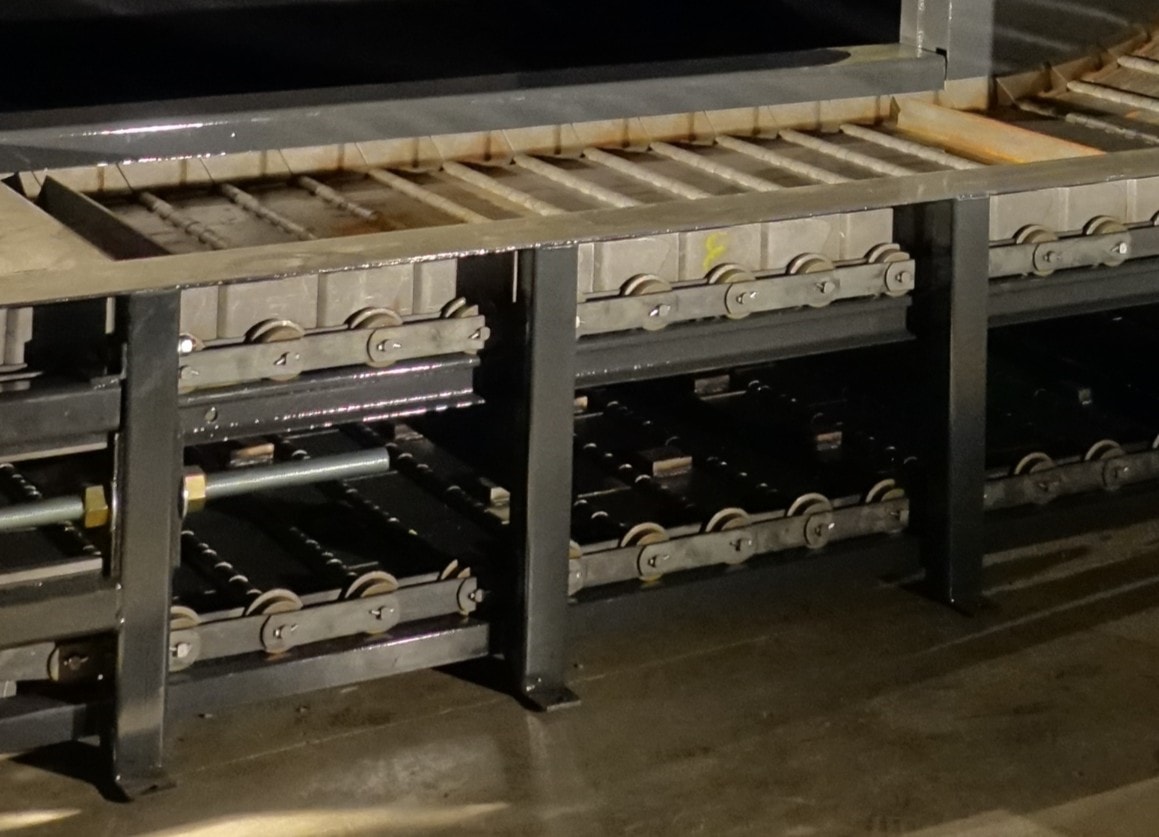
Roller chain conveyors transfer power from the motor to the belt using a chain. The chain is formed of linked rollers and generates high torque for heavy-duty applications
Roller chain belts are usually made of steel plates. Examples include hinged steel belts and apron conveyor belts.
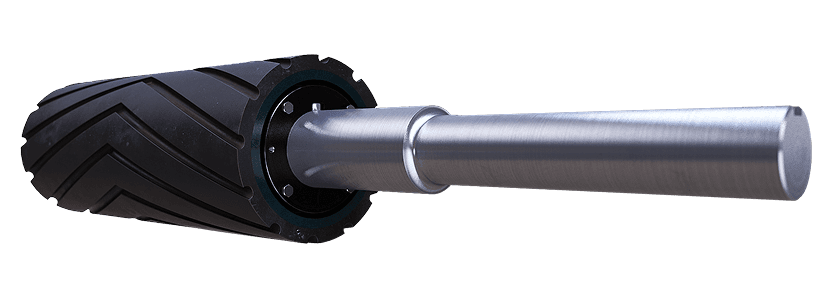
On slider bed conveyors, trough idler conveyors, and flat idler conveyors, motorized pulleys power the belt as it moves through the conveyor frame.
In addition to powering the belt, different conveyor pulleys perform specific functions based on their location:
The head pulley (drive pulley) is the primary pulley that drives forward motion. It has the largest diameter for maximal contact with the drive. They can be single or double-sided.
A tail pulley sits at the other end of the conveyor where materials are being loaded. The tail pulley maintains belt guidance and is sometimes wing-shaped to naturally clear debris from the belt.
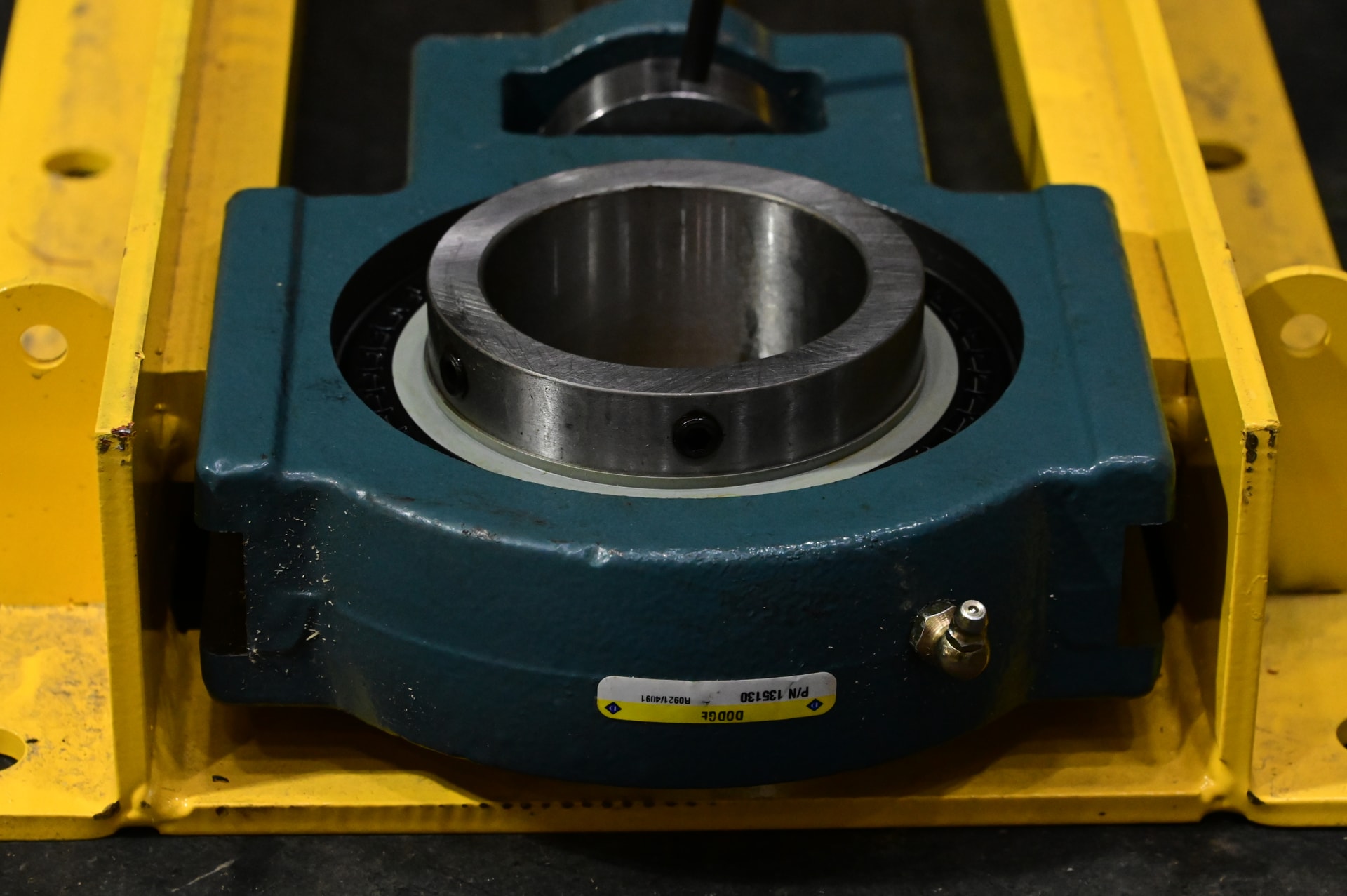
A take-up pulley sits below the conveyor and provides continuous tensioning (take-up) adjustment to compensate for belt wear and stretch. This prevents slippage and damage. Some common configurations include horizontal take-up (good for use in limited space), gravity take-up (used with a counter-balanced pulley), and screw take-up (a simple mechanism that uses a threaded rod).
A bend pulley is used to alter the belt’s direction. Bend pulleys are used to feed the belt down to the take-up pulley.
A snub pulley is placed on the other side of the head pulley to maximize traction and belt contact. Snub pulleys improve belt power and lift.
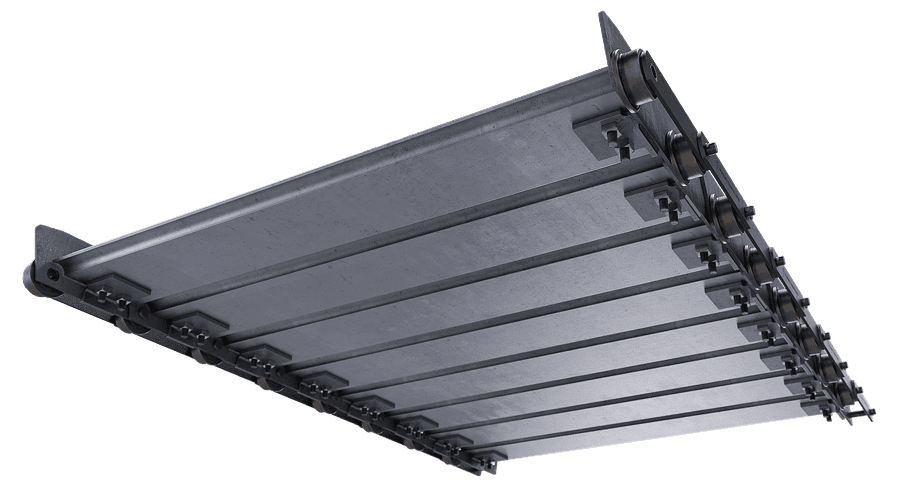
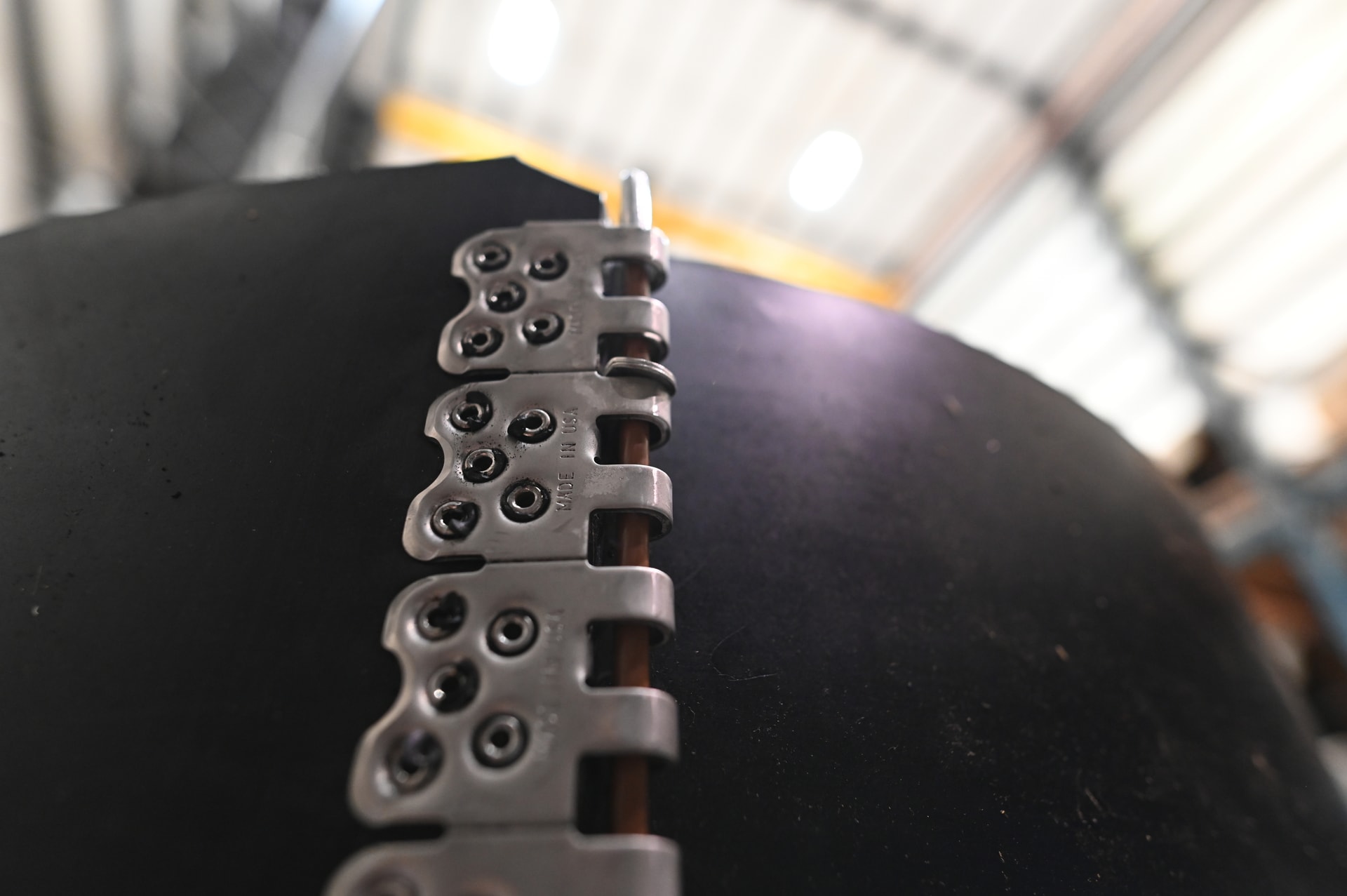
A conveyor belt forms the moving surface on which products travel. Belts come in a wide range of materials, sizes, and configurations based on application requirements. Key aspects include:
Construction materials. Belts can be made with rubber, PVC, steel, and other metals.
Design. Metal belt conveyors might use a steel belt with z-pan, buckets, or apron plates. Rubber or PVC belts might have chevrons or other patterns molded directly onto the belt.
Covers. Top, bottom, and side flexible belt sheeting offers protection. Covers withstand wear, weather, oils, and heat based on the substance conveyed and the environment.
Edge protection. Additional side cover reinforcement prevents premature wear along belt edges.
Cleats. Glued or screwed-on cleats provide unlimited design options for handling specific materials.
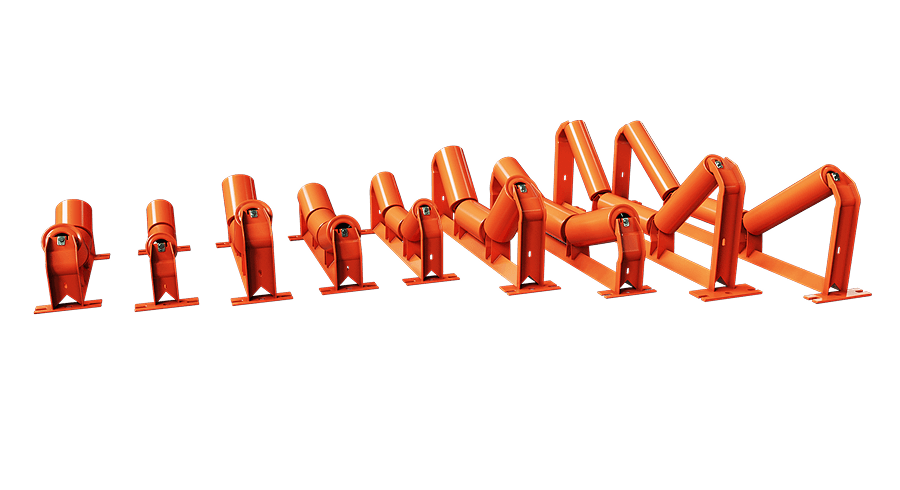
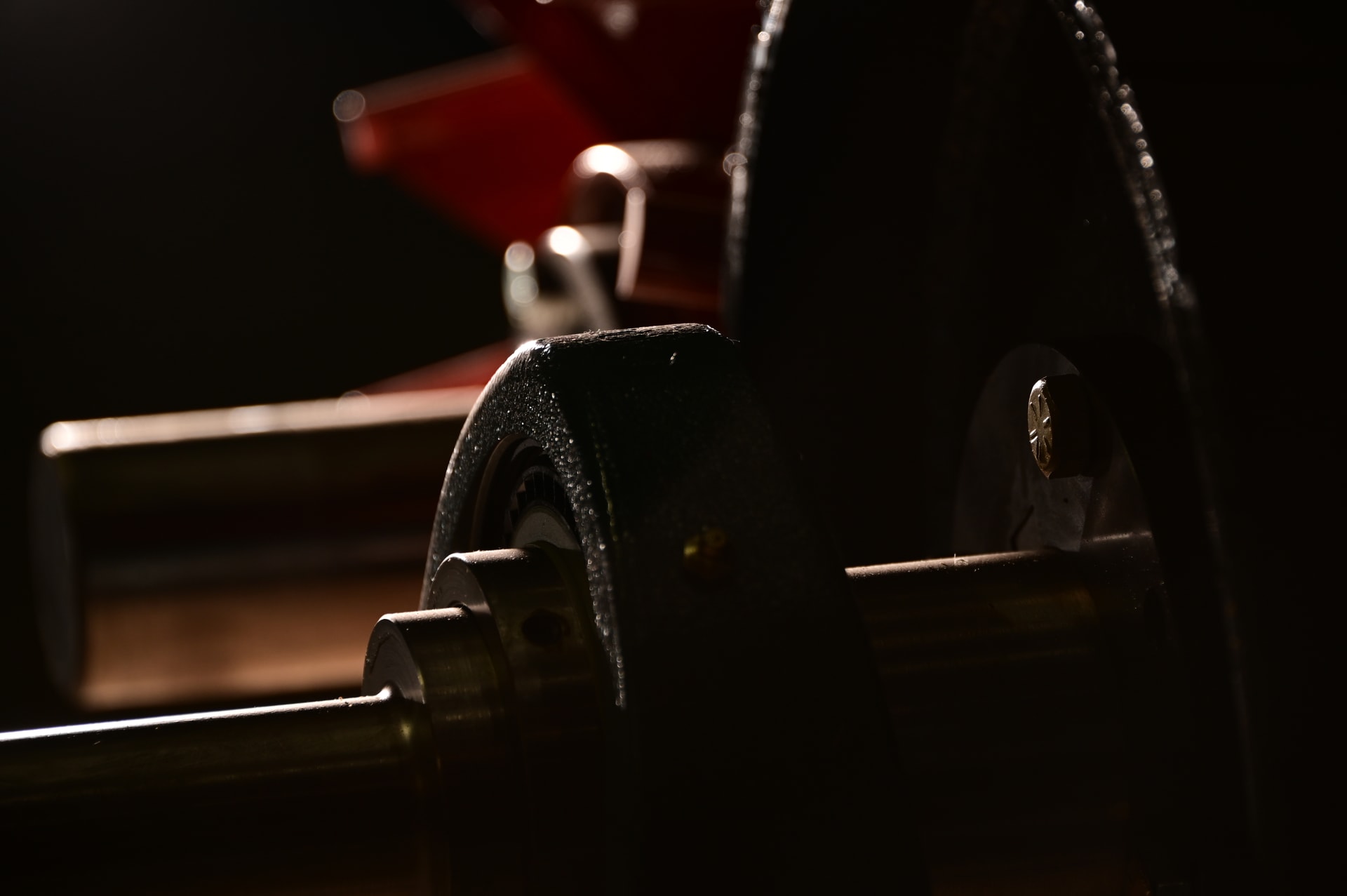
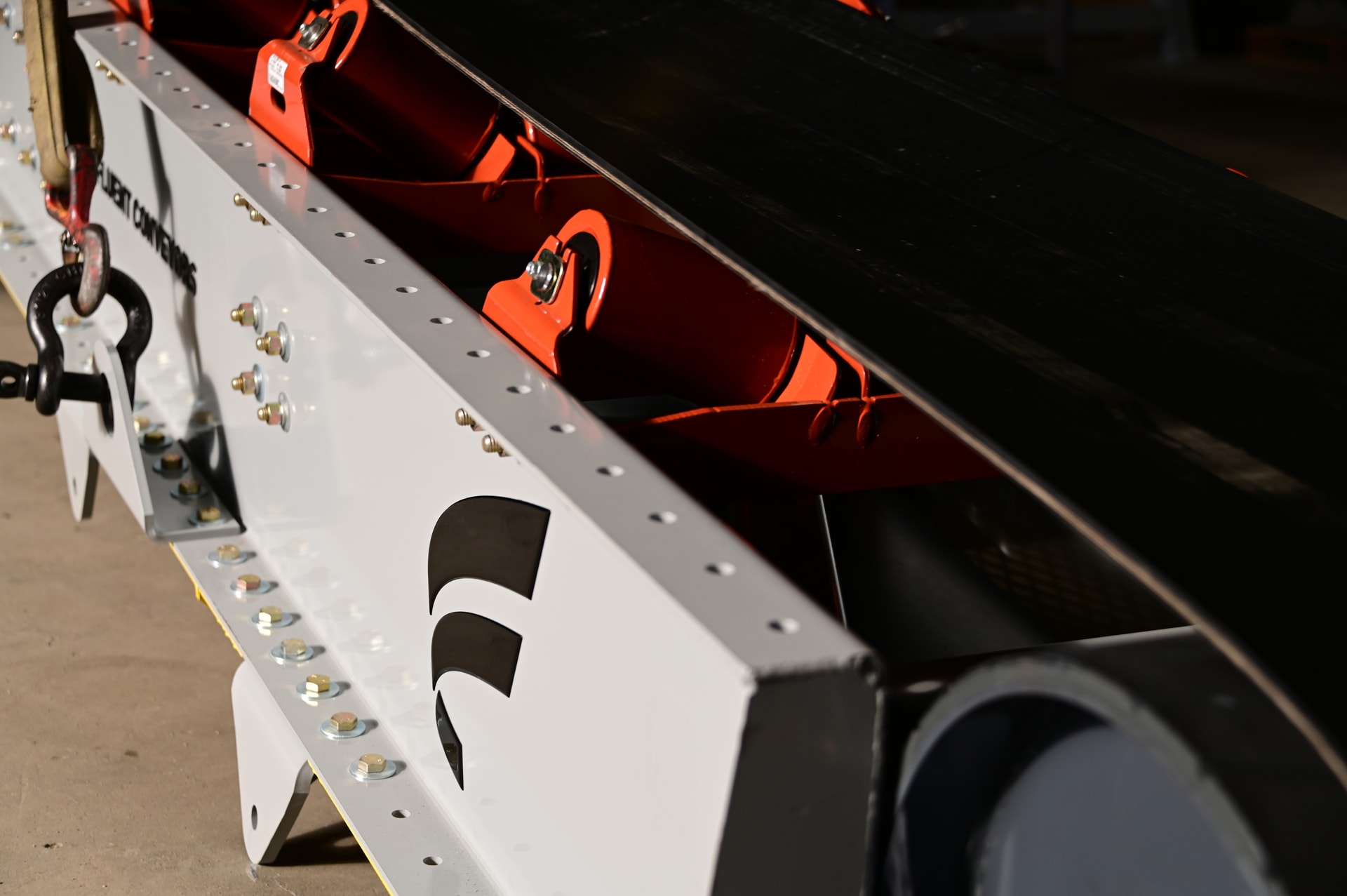
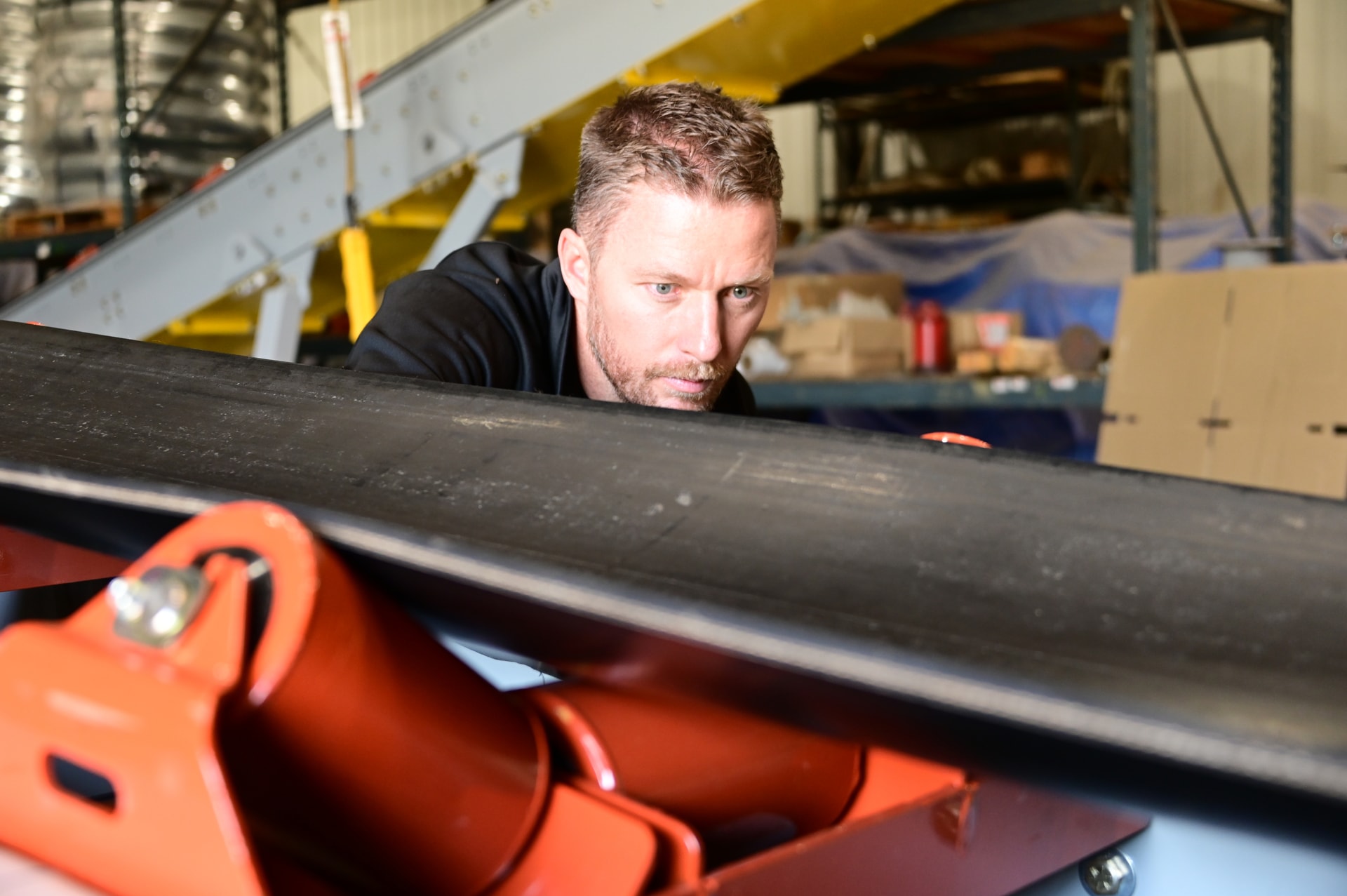
Idlers sit beneath conveyor belts, and they provide belt support and angle/direction adjustments. Idlers also combat material buildup and belt mistracking. Common types include:
Idler rollers are unpowered and flat. These are used to support flat idler conveyor systems as they move materials across flat surfaces.
Troughing idlers (trainer idlers) form a shallow v-shape or trough, forcing materials toward the center of the conveyor structure to reduce material spillage. They are composed of a flat center roller and adjustable wing rollers.
Impact idlers are placed in areas where materials fall or roll down from above to reduce belt wear and tear.
Rubber disk idlers have spaced disks along the roller length to shed material buildup and debris from the belt.
Screw idlers have a helical that performs the same cleaning function as the rubber disk version.
Idlers serve several important functions:
Support the belt. Idlers provide a stable platform for the conveyor belt, ensuring that it remains flat and taut across the span of the system.
Facilitate movement. Idlers spin as the product travels across them, aiding in the forward movement of the product.
Reduce friction. Idlers minimize belt friction, reducing energy requirements and helping to extend the life of the belt.
Allow for design flexibility. Idlers can be spaced and arranged in various ways to accommodate different types of materials and loads. They can also be built to move materials around corners.
Beyond a conveyor’s core components, other accessories provide critical sensing, guidance, and safety functions:
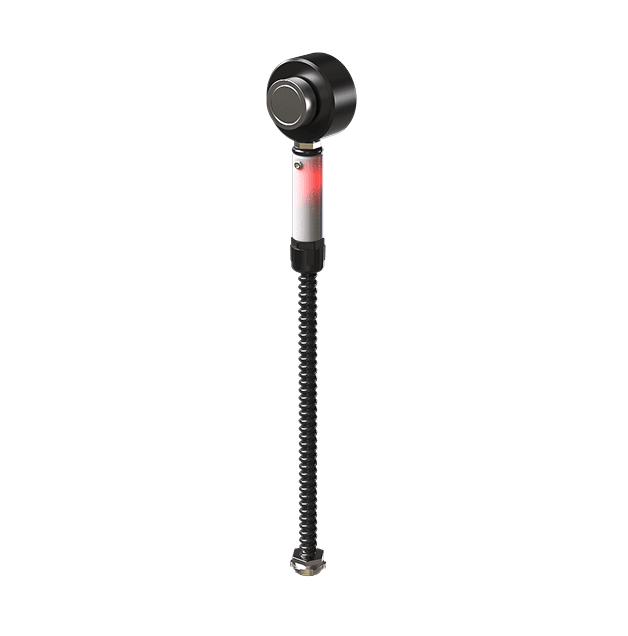
Detect product movement and jams, triggering process changes.
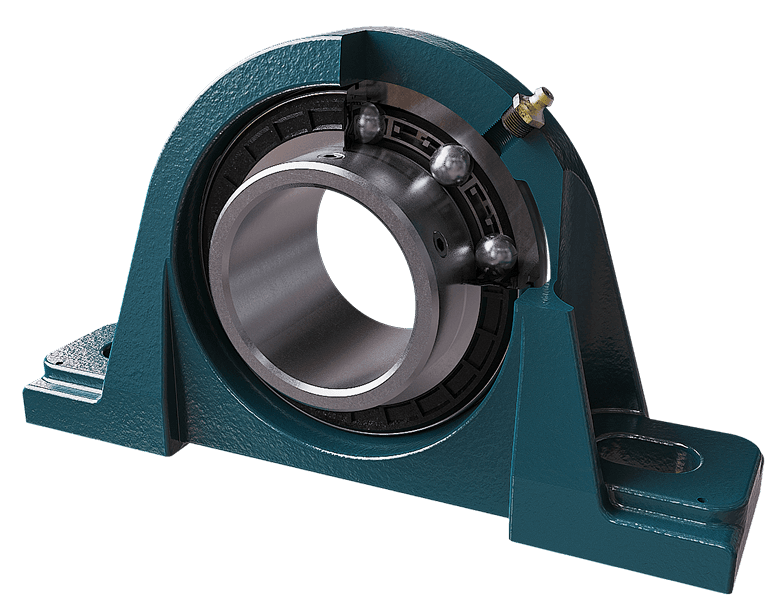
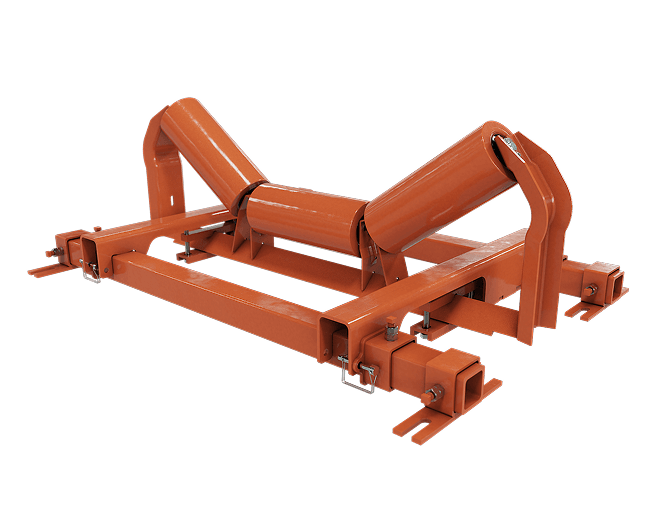
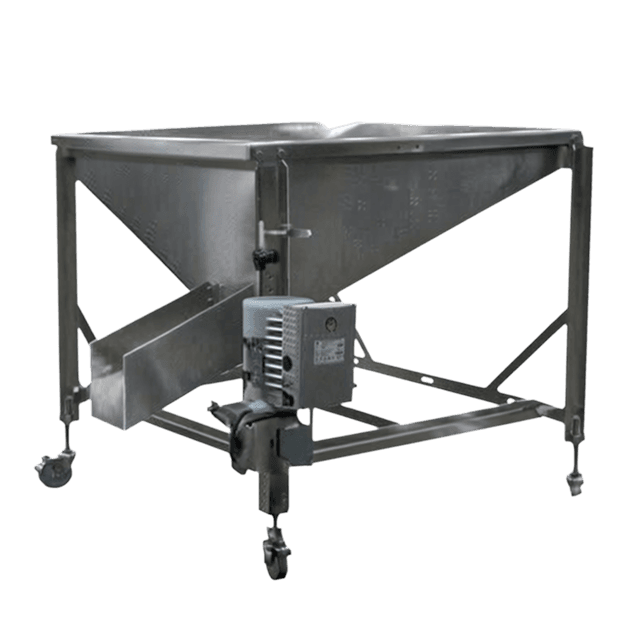
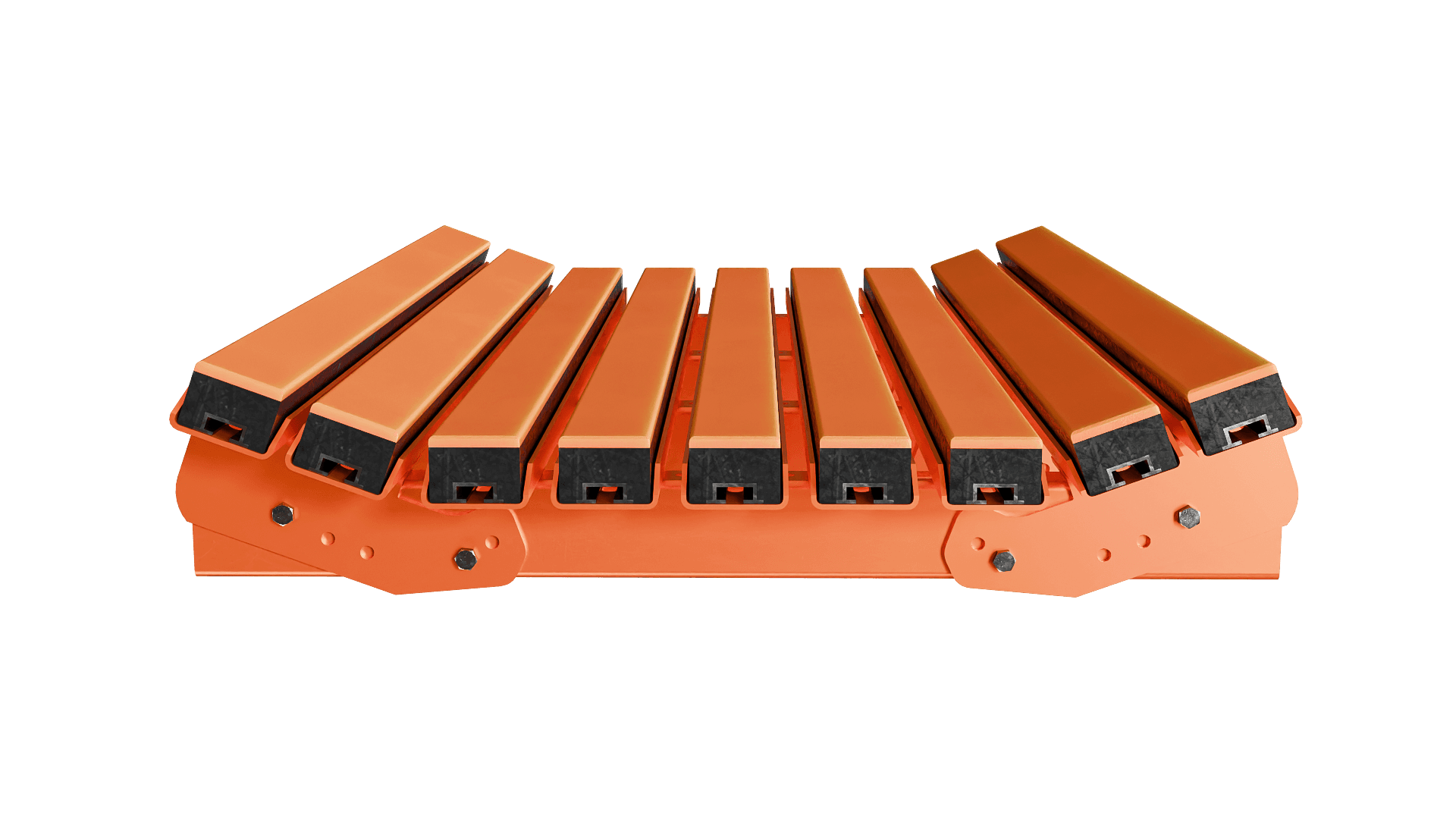
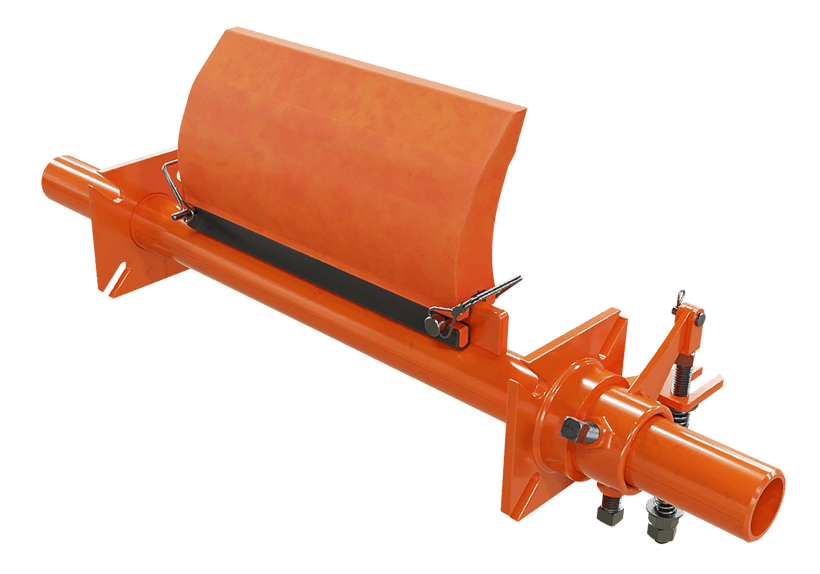
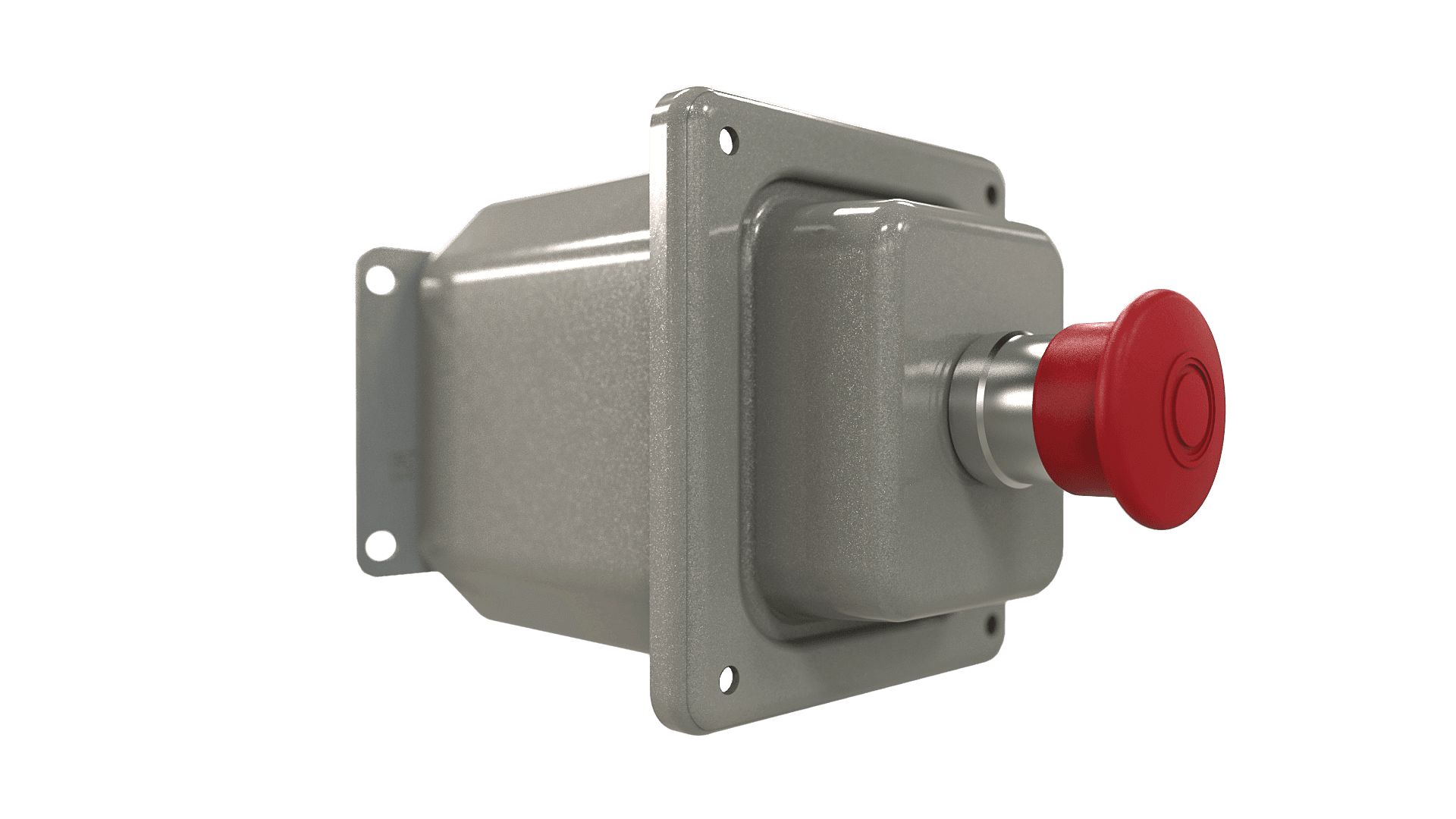

Check out our replacement parts page for a full list of accessories and components we offer.
To achieve optimal performance and reduce operating costs, conveyor systems should undergo routine maintenance, lubrication, and scheduled component replacement. Review typical failure modes and responses to improve troubleshooting efforts.
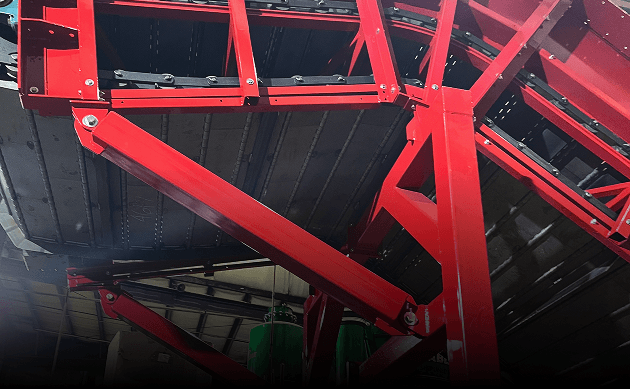
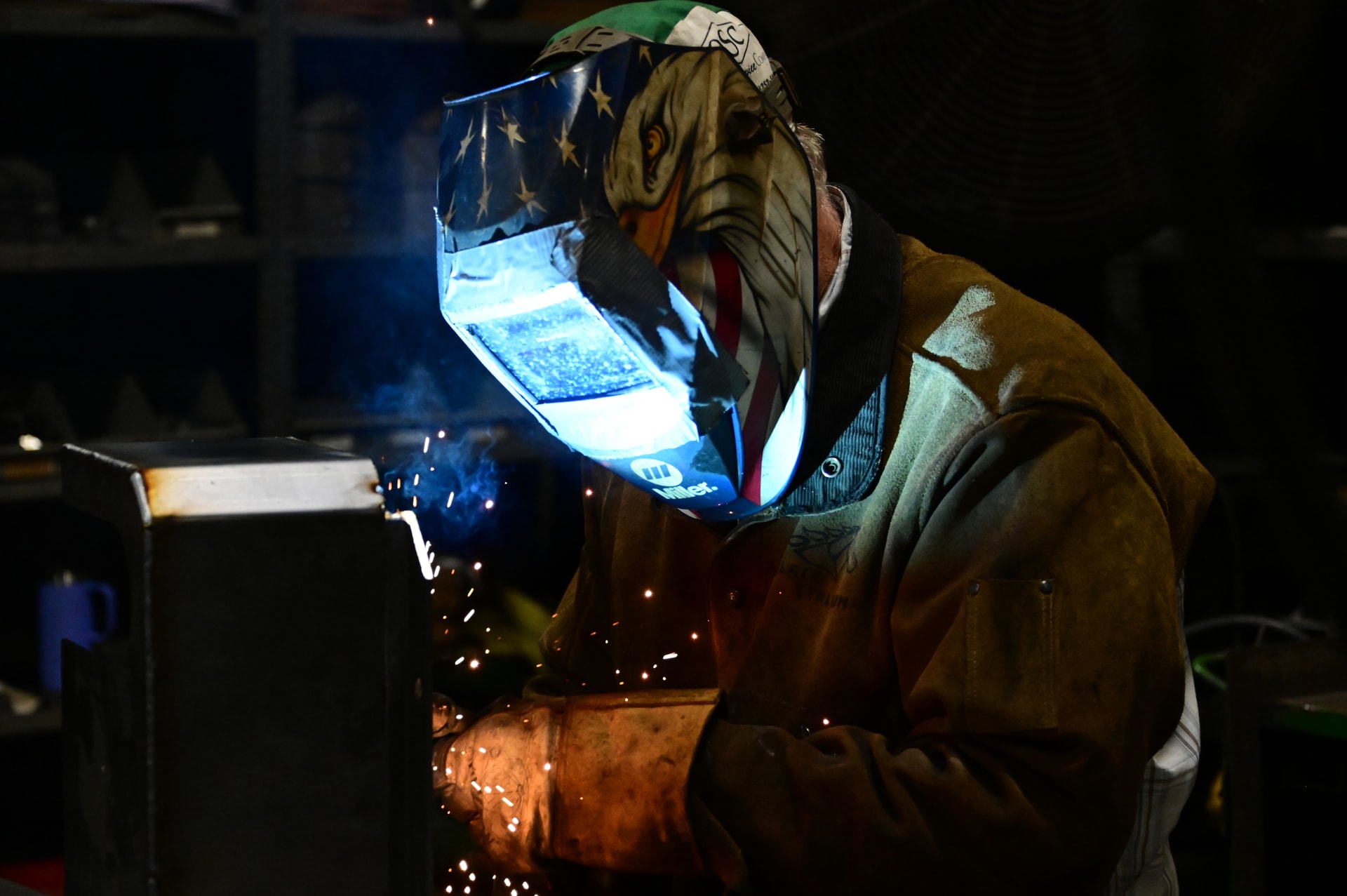
Need a conveyor solution? We can design and build it. All Fluent conveyors are engineered and manufactured in the USA to the most stringent tolerances.
Made from durable materials, our conveyors deliver exceptional strength and longevity for recycling, waste management, and other demanding industries. Whether you need a roller chain conveyor, a slider bed conveyor, or any other conveyor system, contact Fluent and tell us what you need. We will build you a custom material handling system—and you can even pick your own color.