





Copyright © 2026 Fluent Conveyors, LLC. All rights reserved.

The Fluent Conveyors logo is a registered trademark of Fluent Conveyors, LLC. Serial Number 97664258 Registered on Dec. 12, 2023


Copyright © 2026 Fluent Conveyors, LLC. All rights reserved.
The Fluent Conveyors logo is a registered trademark of Fluent Conveyors, LLC. Serial Number 97664258 Registered on Dec. 12, 2023

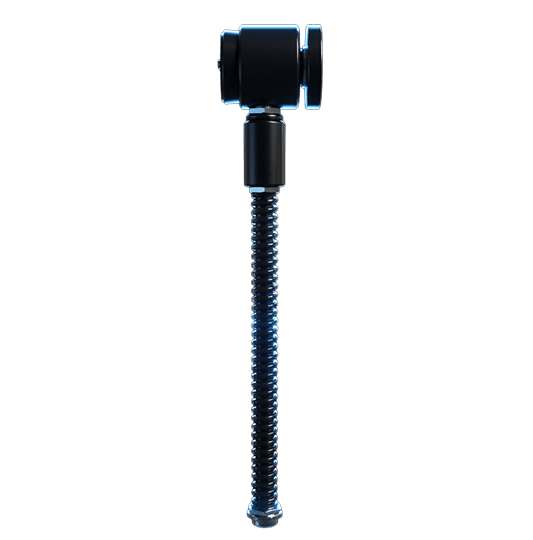
Fluent supplies genuine PPI magnetic speed switches that snap onto any ferromagnetic conveyor shaft 1" or larger in diameter. Speed switches detect underspeed, zero speed, and belt slip. Connect them to your PLC or control system to trigger alarms or automatic shutdown.

Define switch type, speed range, sensing method, mounting requirements, and electrical ratings to ensure reliable conveyor monitoring and effective protection against belt speed loss.
1, 2, 4, or 12 (NPN or PNP for 12-pulse models)
700 RPM
550 RPM
250 RPM
20–250V AC; 10–300V DC
10–30V DC (NPN or PNP)
20–132V AC only
2-wire (MS1, MS2, MS4); 3-wire (MS12)
Normally open; resettable short-circuit protection
140 lbs (1-3/4" base)
1" ferromagnetic steel
1-3/4"
2-1/8"
−13° to 158°F (−25° to 70°C)
Rugged nylon
1/2-14 NPSM male threads
Yes
No
The magnetic coupler attaches directly to the end of the shaft, held in place by rare-earth magnets generating 140 lbs of holding force; no drilling, tapping, or machining required. As the shaft rotates, an internal rotor passes across a factory-set inductive proximity sensor inside the housing, generating a pulse signal at a frequency proportional to shaft speed.
The breakaway design releases the housing if struck by falling debris, protecting the sensor from the kind of impact damage that destroys rigid-mount designs. An illuminated LED lets maintenance staff verify the unit is sensing without accessing the control panel.
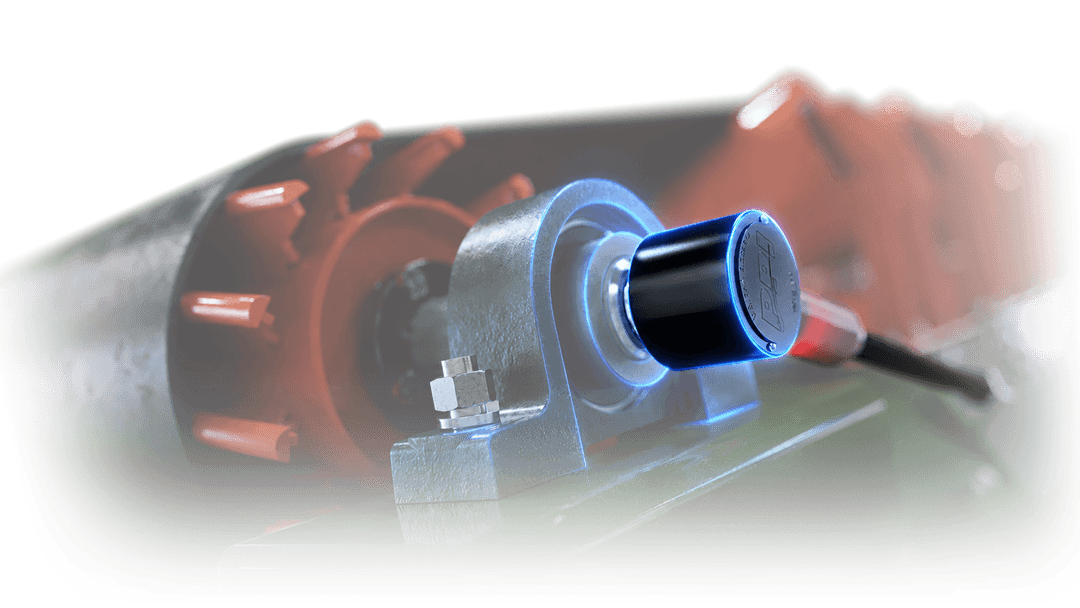
Output 1, 2, 4, or 12 pulses per shaft revolution. The PLC monitors pulse frequency and interprets shaft speed; fault logic and trip thresholds are set in the control program.
Use these when you need configurable setpoints, adjustable delay times, or integration with an existing automation system.
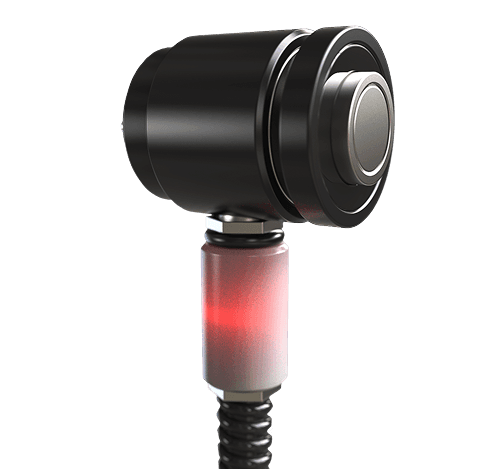
Output a constant on/off signal with a built-in 4-second timeout rather than a pulse train. After the sensor detects the first pulse, the switch closes and stays closed as long as another pulse arrives within 4 seconds; if 4 seconds pass with no pulse, the switch opens.
Stop switch models run on AC power and connect to a relay circuit without additional PLC logic.
For most conveyor applications, an MS1 (single-pulse) sensor is sufficient. Higher PPR models improve resolution and response time at lower shaft speeds; if the shaft turns slowly, a 4- or 12-pulse model detects speed changes faster and reduces the minimum detectable speed. The 12-pulse model (MS12PNP / MS12NPN) is DC only and requires specifying NPN or PNP output to match your PLC input card.
Primary placement is the tail pulley shaft. The tail pulley represents belt motion, and it's the first place belt slip appears; if the drive pulley is turning but the tail pulley isn't, the belt has slipped or stalled between them. Head pulley or drive shaft mounting is an alternative when tail pulley access is restricted by guarding or layout.
The shaft must be ferromagnetic steel; stainless steel shafts won't hold the magnet. If the shaft surface temperature exceeds 200°F, the neodymium magnet holding strength decreases (Consult Fluent for high-temperature applications). Once installed, a zip-tie or cable strap securing the flexible conduit to a fixed support prevents the housing from spinning with the shaft.
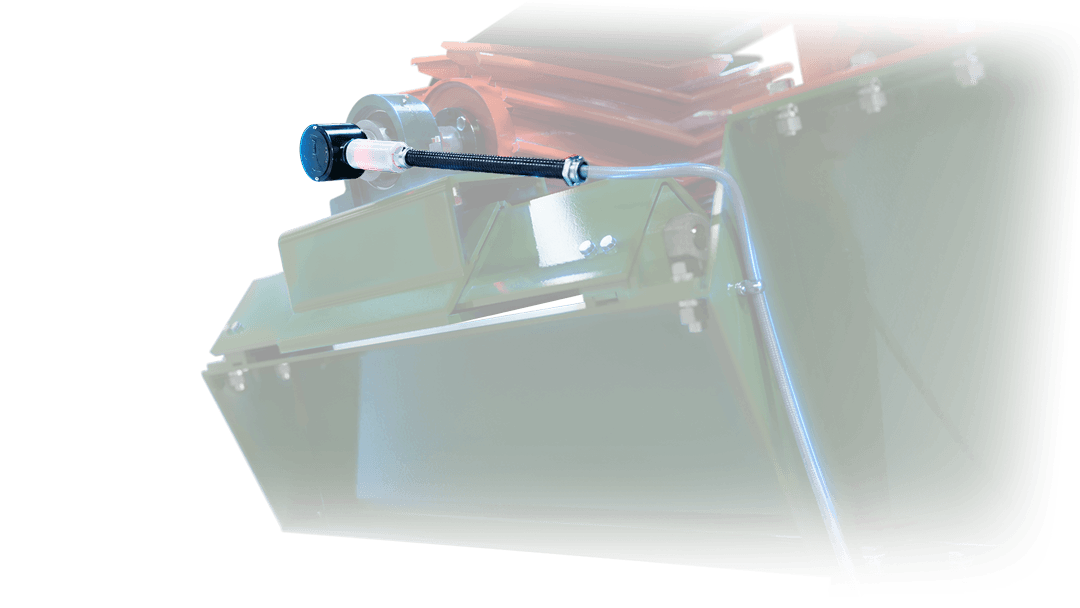
Speed sensors provide the closed-loop feedback signal that the control system programming uses to detect underspeed, overspeed, and belt slip conditions. The sensor wires into the control panel through a digital input or analog channel, depending on sensor type.
PPI speed sensors integrate with our custom control systems.
Before ordering, confirm four things:
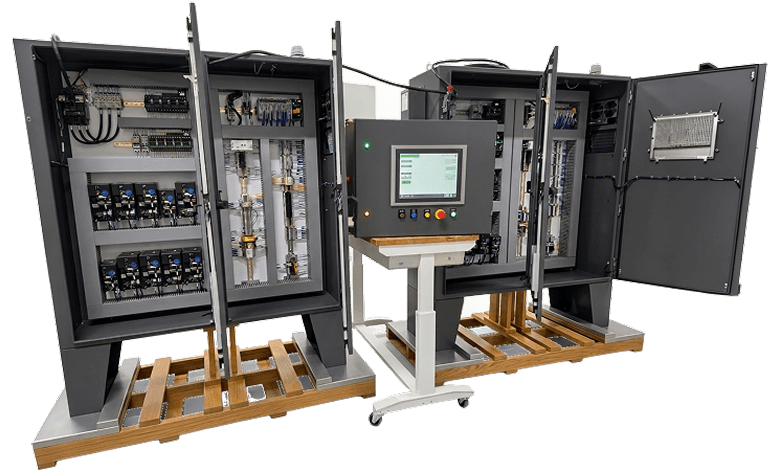
Speed switches are an upstream detection layer that works alongside emergency stops. Underspeed and zero-speed detection allows the control system to stop the drive automatically on belt stall, preventing belt fires from drive friction, protecting downstream equipment from material surge, and flagging jams or mechanical failures before they compound.
See how to reduce conveyor hazards and how to reduce conveyor downtime for more safety and maintenance information.
30 CFR § 56.4503 Under federal mining regulations, belt conveyors operating in certain confined areas must be equipped with a slippage detection device capable of automatically stopping the drive pulley if the belt slips. A speed switch monitoring the tail pulley shaft for zero speed or underspeed satisfies this detection requirement. This is provided as a general technical context. Consult your compliance team for site-specific obligations.
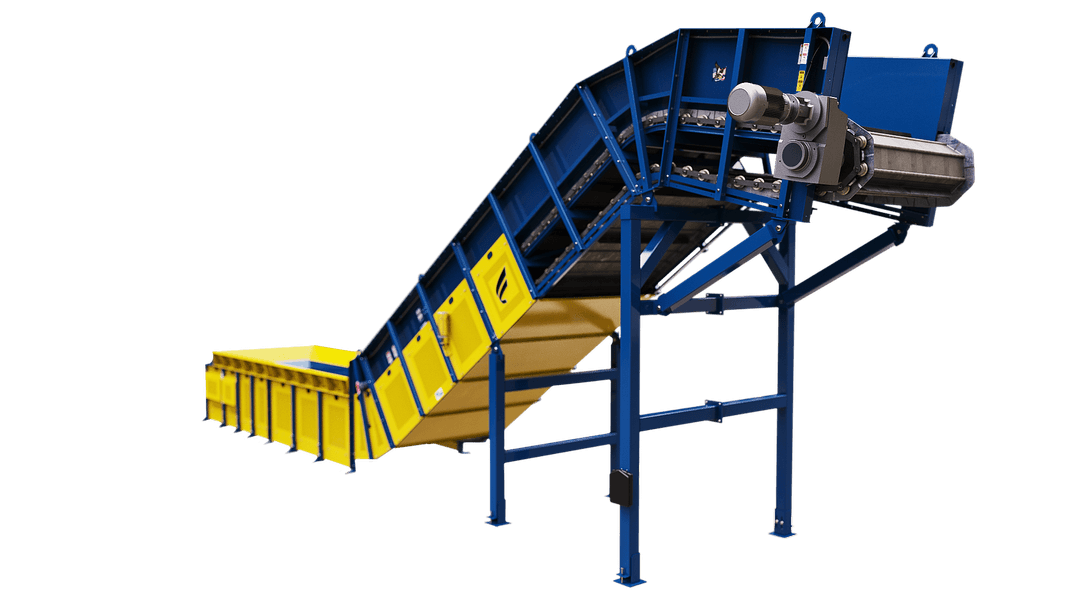
Roller chain conveyors handling bulk recyclables, C&D debris, or aggregate are high-jam-risk applications. Tail pulley speed monitoring detects a stall before the belt pile-loads, and the drive continues pulling. See heavy-duty and extreme-heavy-duty roller chain conveyor options.

Fluent designs and manufactures custom conveyors. Our hands-on expertise means we can help you select the right model for your shaft speed, voltage, PPR requirements, and control system without guesswork.
We also supply the broader safety equipment your conveyor system needs:
Emergency stop buttons: NEMA 12 and NEMA 4 enclosed e-stop buttons
Pull-cord e-stops for conveyor line coverage
We stand behind the products we supply because we use them in our conveyors every day. Talk to our parts team about speed switch selection, compatibility, or sourcing the rest of your safety system.
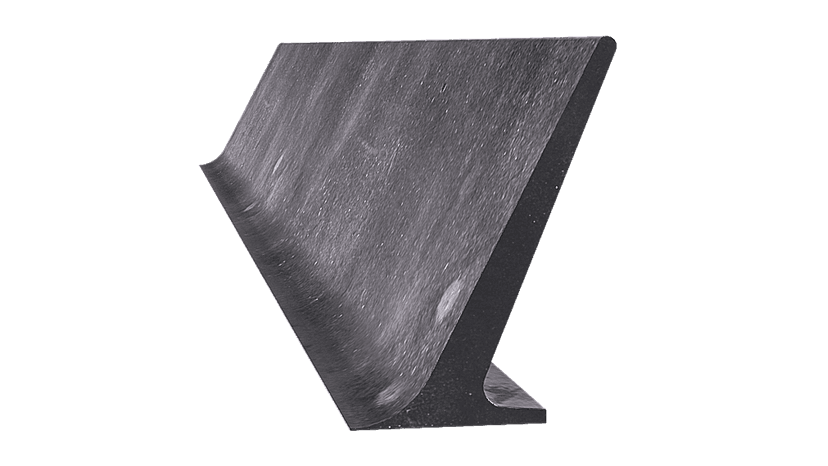
Belt protrusions that prevent material rollback.
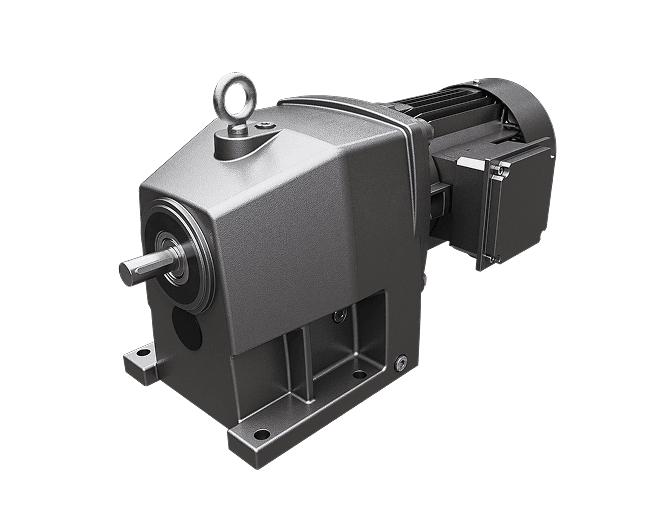
Adjust speed and increase torque for conveyor drives.
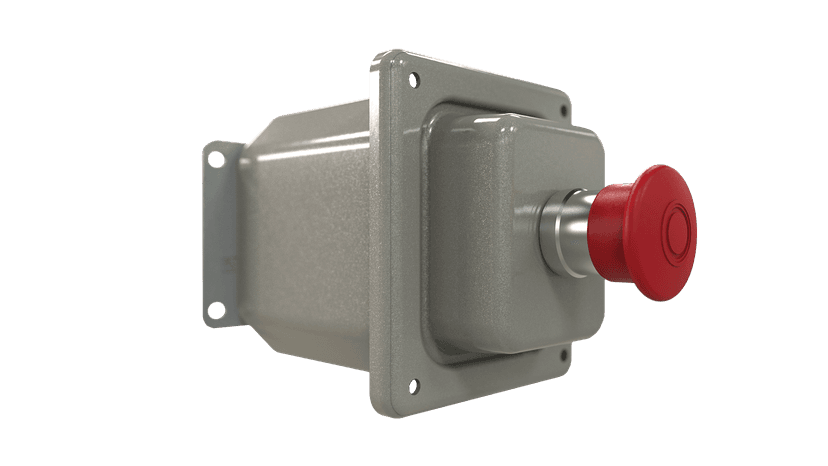
Stop conveyor operations immediately in emergencies.
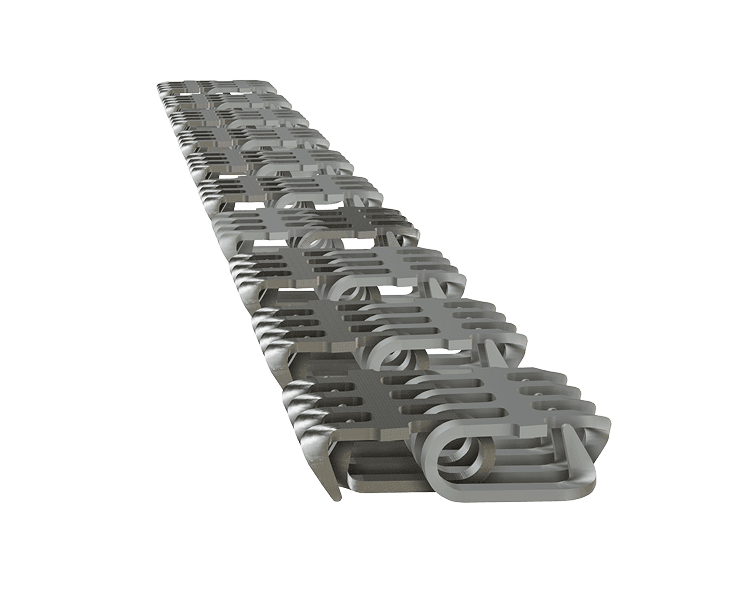
Connect belt sections with mechanical or vulcanized joins.
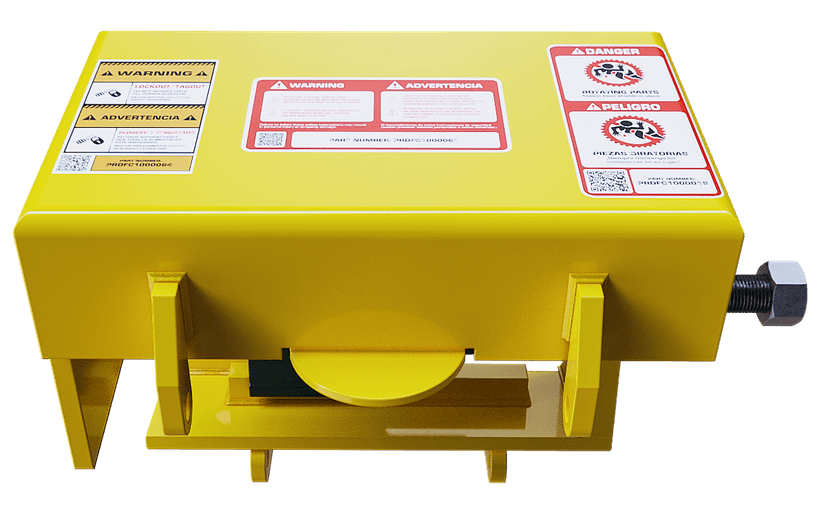
Maintain proper belt tension and alignment.
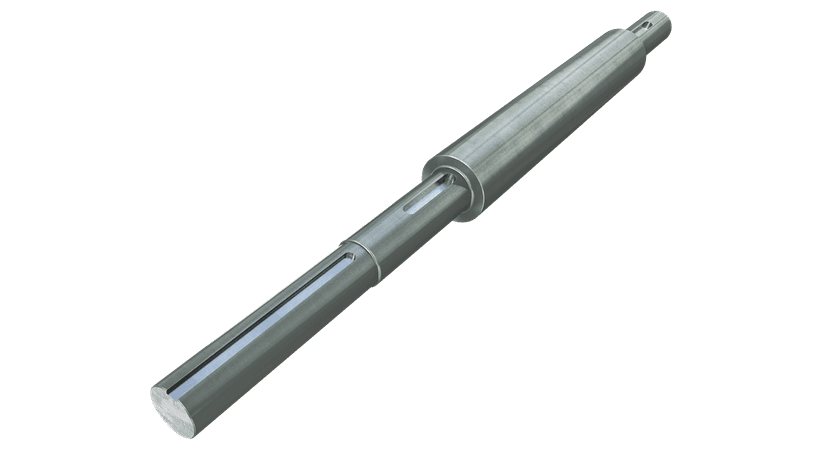
Transfer power and support rotating components.
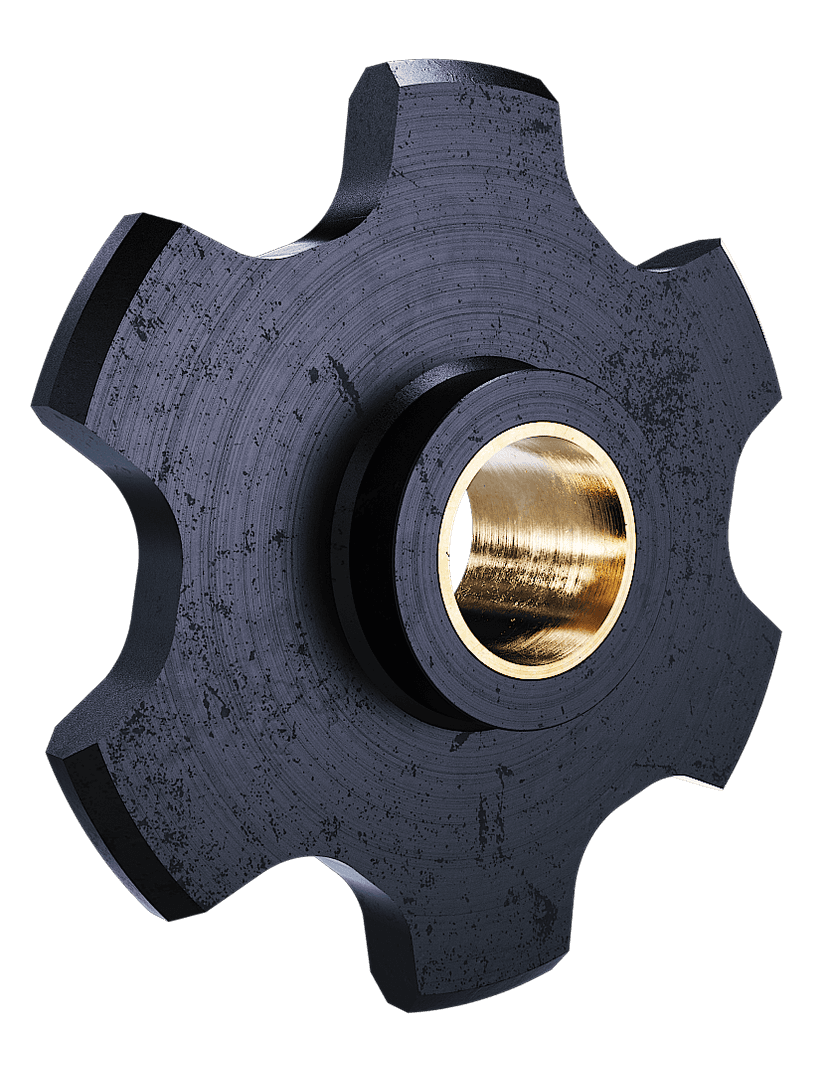
Toothed wheels that engage chains to drive the belt.
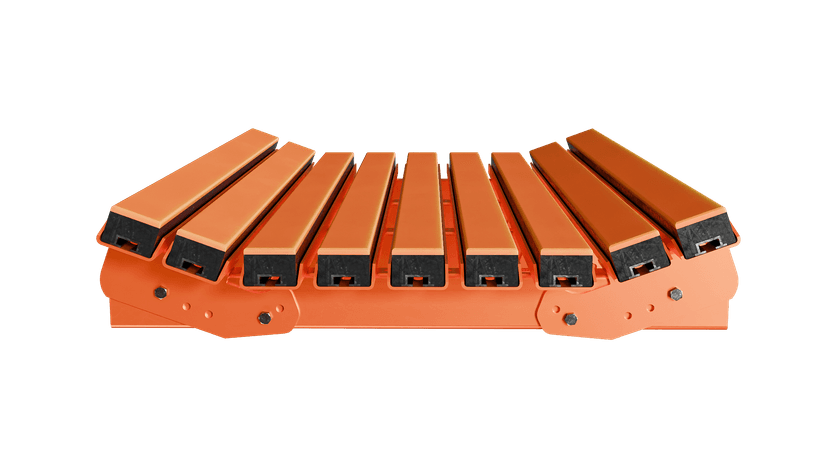
Absorb impact from falling material on belt conveyors.
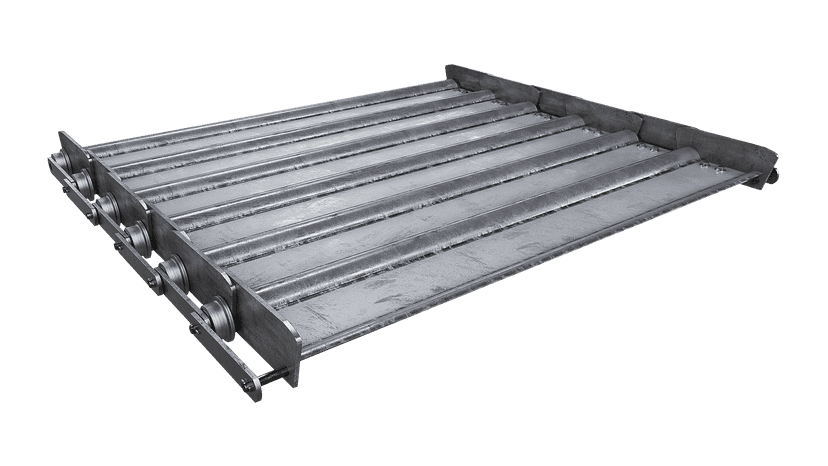
Conveyor belts for all applications and materials.
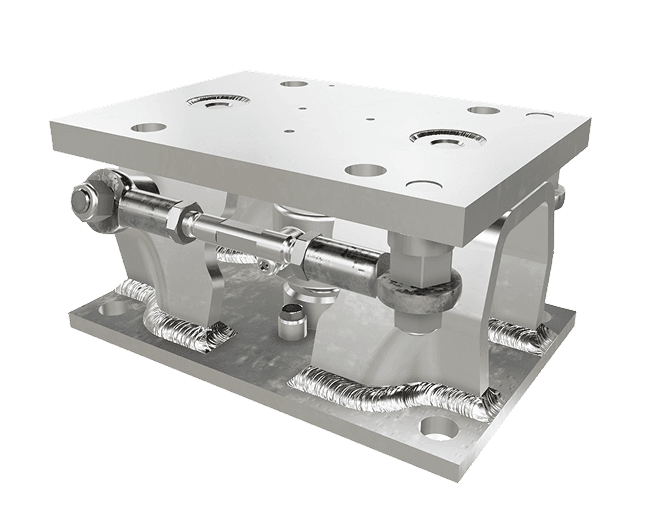
Measure and monitor material weight on moving conveyor belts.
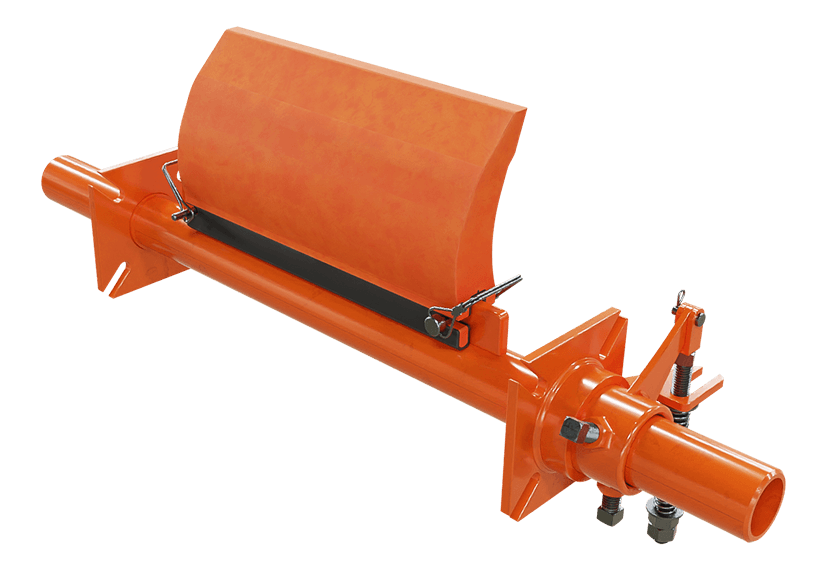
Remove debris and carryback from belts.
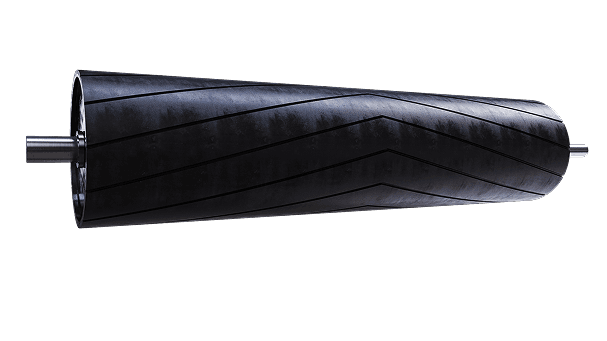
Transfer energy from motors to conveyor belts.
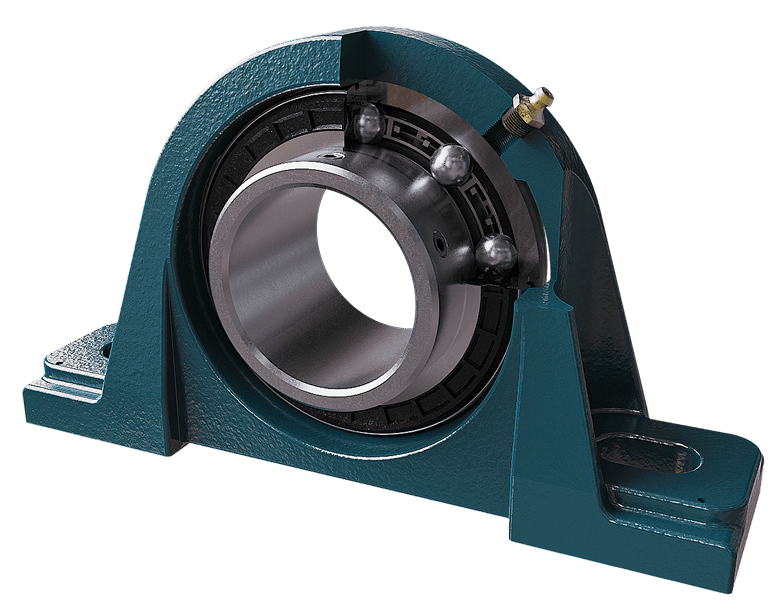
Flange, pillow-block, take-up, and slewing configurations.
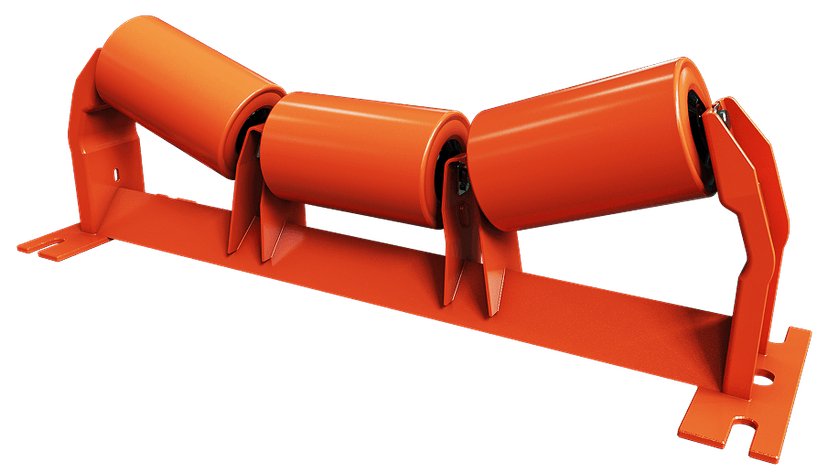
Support and guide the conveyor belt.
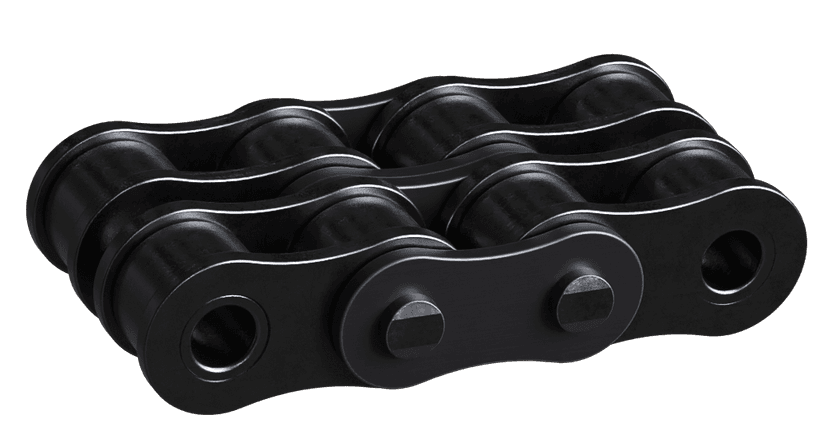
Replacement chains for roller chain conveyors.
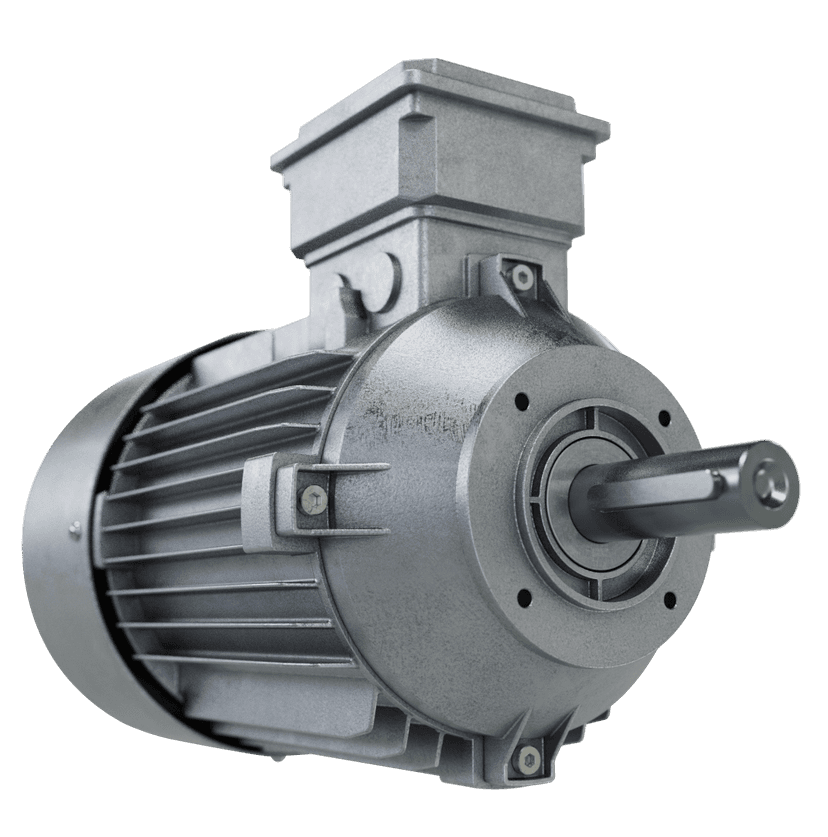
Power your conveyor systems with reliable motors.
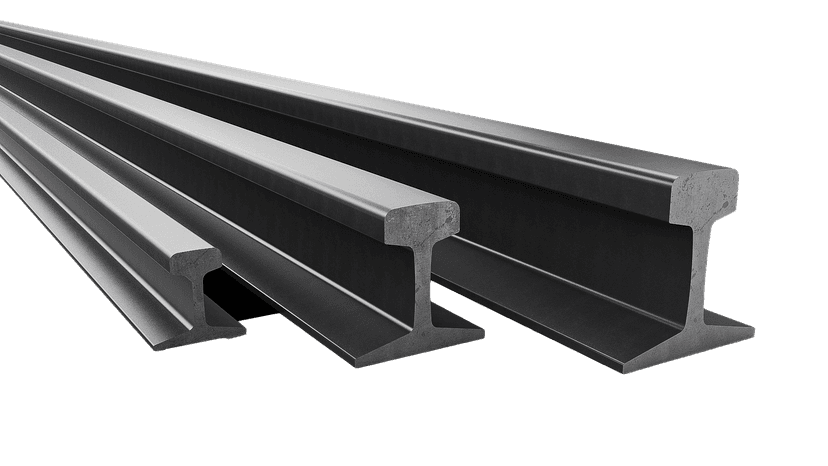
Heavy-duty rails for mobile equipment integration.
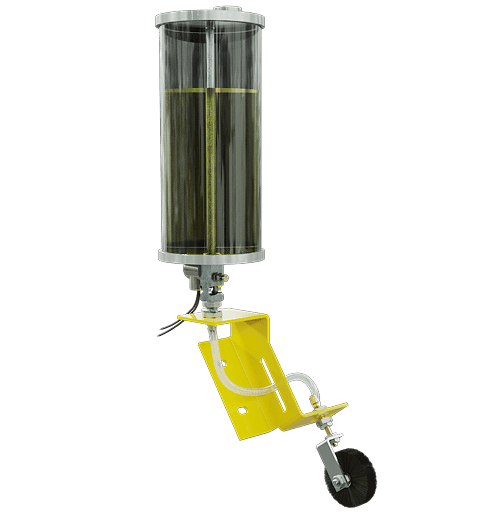
Automatically lubricate chains and moving parts.