
What is a single-stream recycling system?
The US recycling industry processes over 69 million tons of material a year, and the majority of it comes from single-stream curbside recycling programs. A single-stream recycling system describes the network of conveyors, sort stations, screens, magnets, optical sorters, and balers that separate the unsorted material into sellable commodity streams.

What is single-stream recycling?
Single-stream recycling (or single-sort or commingled recycling) is a collection method in which all accepted recyclables go into one bin or cart instead of being separated by material type before pickup. The mixed stream is collected by truck and delivered to a materials recovery facility (MRF), where equipment and personnel sort it into individual commodity streams: fiber, plastics, ferrous metals, non-ferrous metals, and glass.
Single-stream recycling is the dominant collection model in the US because it lowers collection costs and increases participation rates. The tradeoff is that it concentrates contamination risk and processing complexity at the facility level, which is where conveyor layout, sort station design, and equipment choices influence output quality.
How a single-stream recycling system works
The process follows a defined sequence from inbound delivery to baled output:
What materials move through a single-stream system?
A single stream system handles the full range of common residential and commercial recyclables in a single mixed flow:
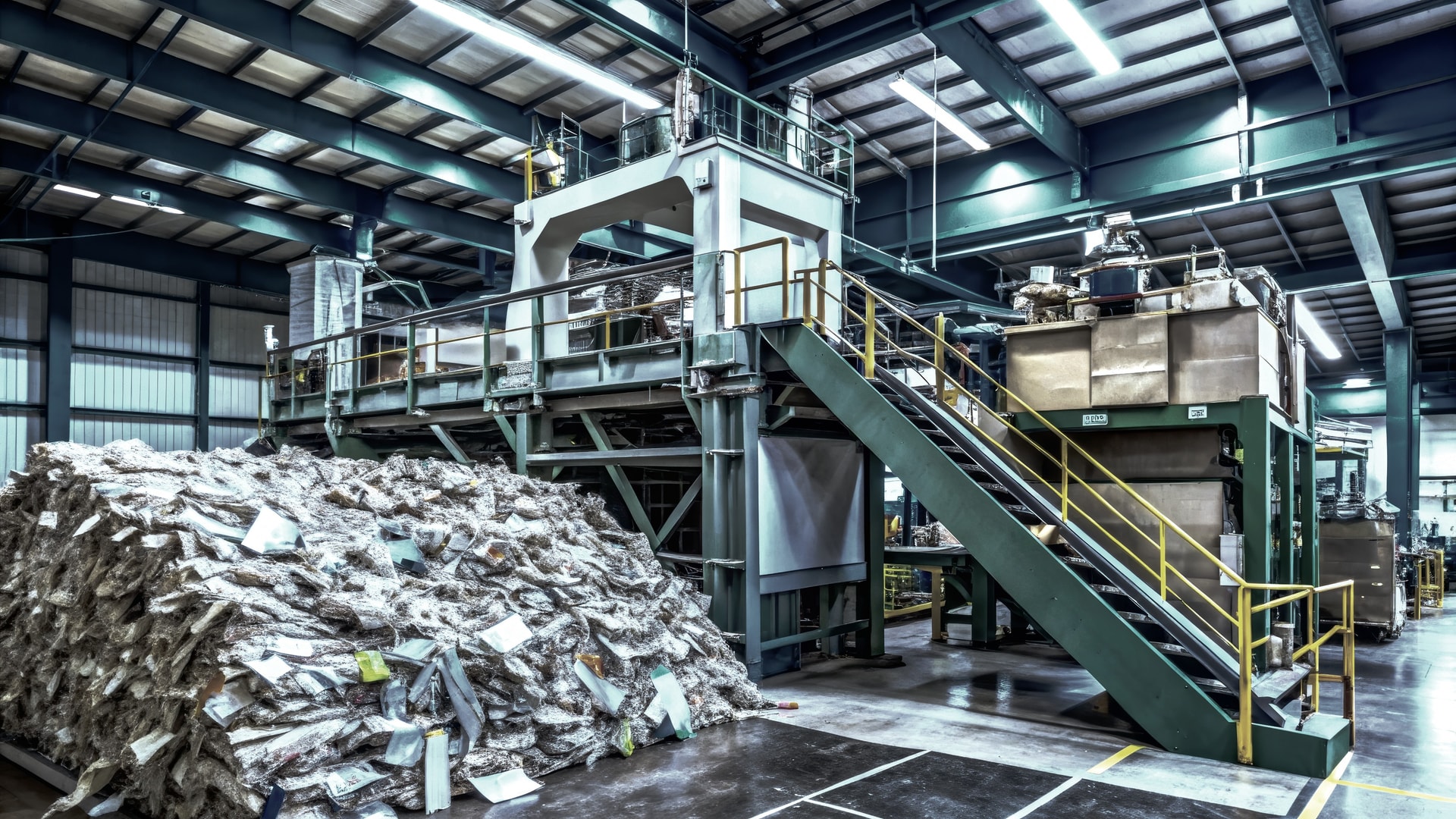
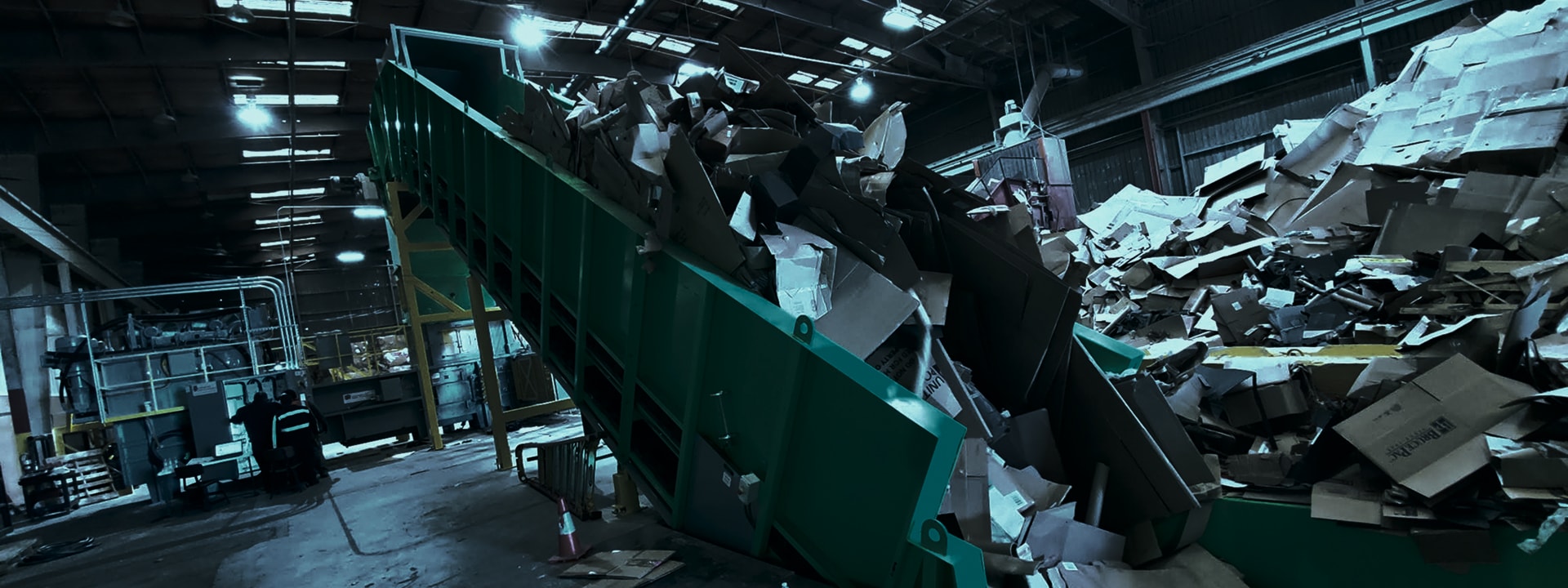

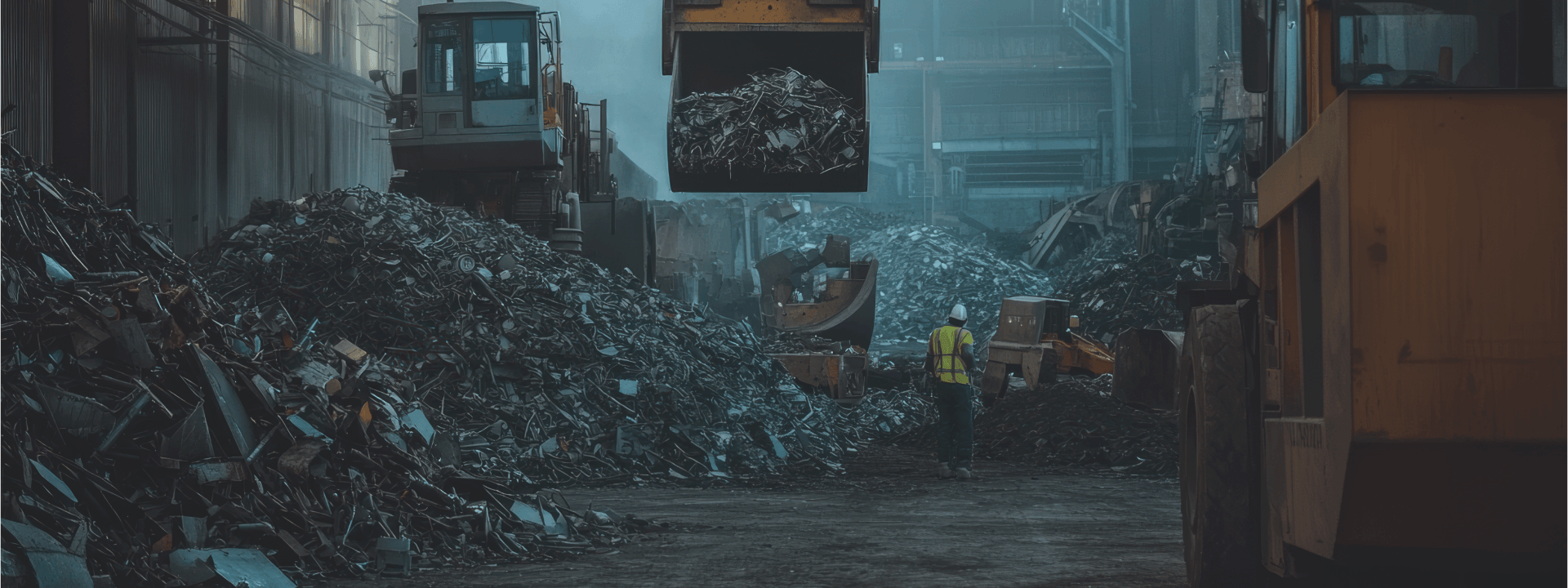
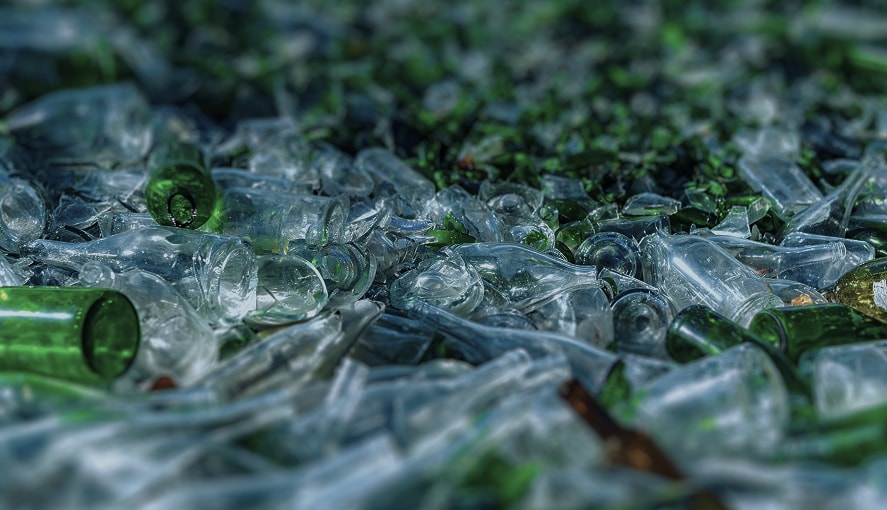
A recycler’s equipment capabilities determine which materials are accepted and recovered.
Contamination enters alongside accepted material. Plastic bags, garden hoses, textiles, food waste, e-waste, batteries, and bulky items create processing problems at the sort line. Pre-sort stations are the first line of defense.
The role of conveyors in a single-stream recycling system
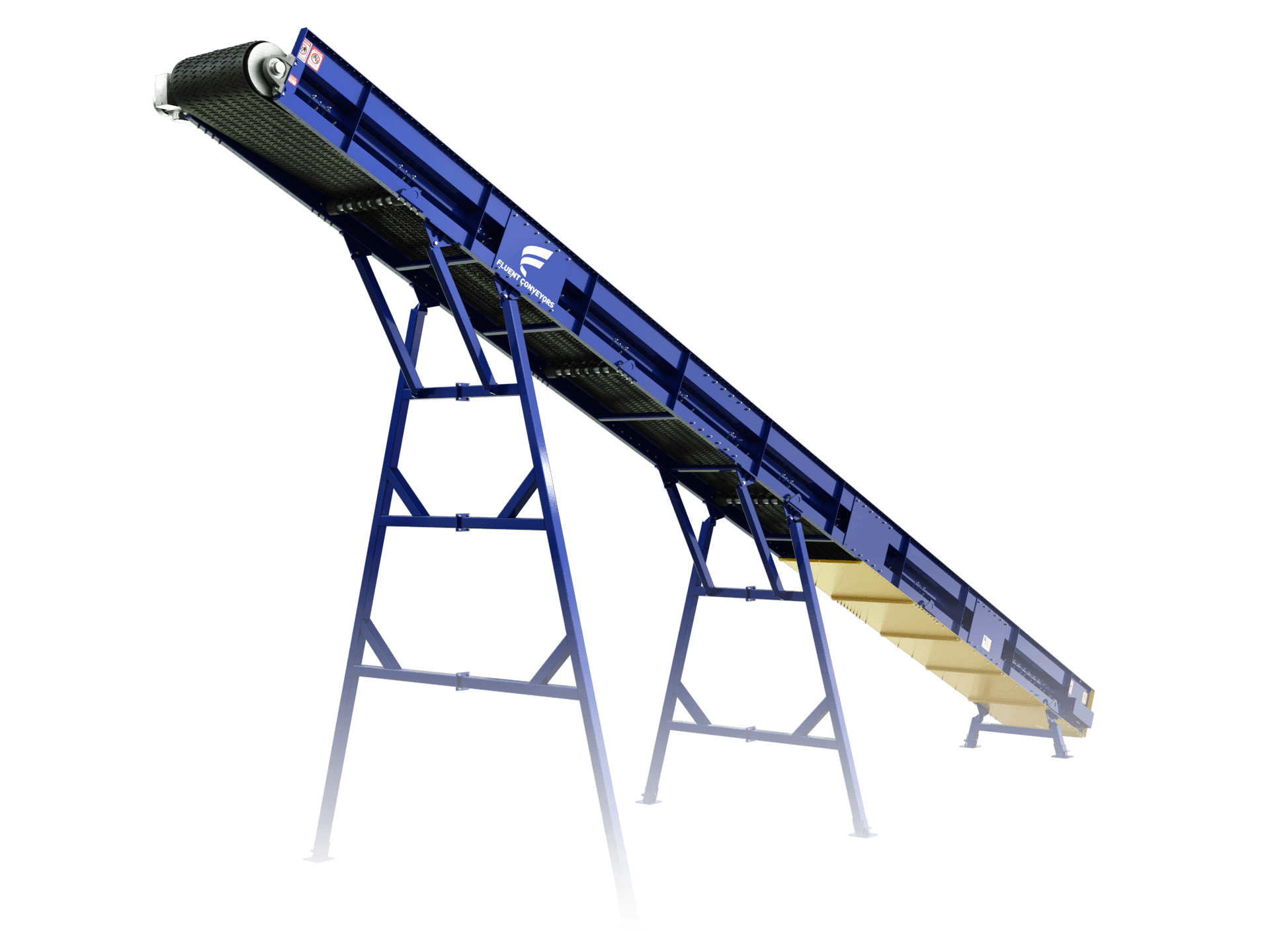
Conveyors are the connective tissue of single-stream recycling systems. Every separation stage depends on a conveyor to receive material, present it at the right rate, and transfer it to the next stage.
The conveyor system controls flow rate, which affects how much material sorters can process per shift and how consistently screens and optical sorters can perform. An infeed conveyor that dumps too much material at once creates a pile-up at the sort station. A transfer conveyor running at the wrong speed creates gaps that reduce optical sorter accuracy. Belt width, speed, elevation changes, and discharge geometry affect downstream performance.
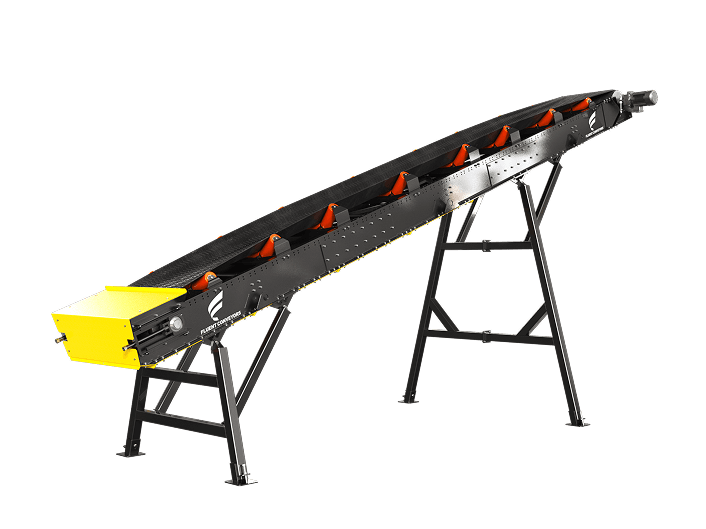
Roller chain conveyors
Handle the heavy, abrasive, and high-impact material that enters at the infeed: mixed recyclables with glass shards, dense cardboard, metal cans, and wet contamination.
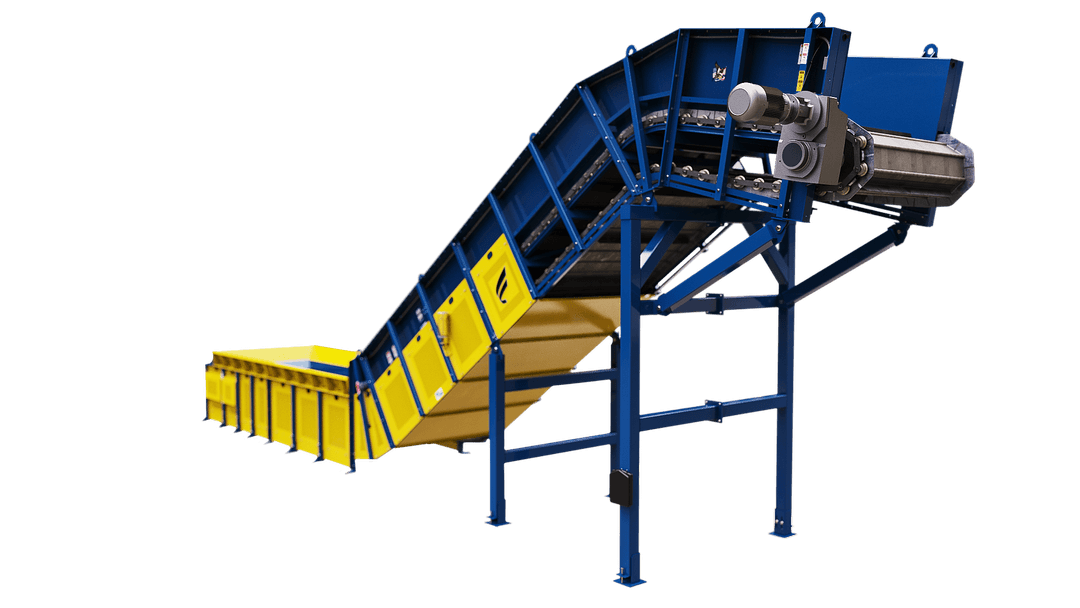
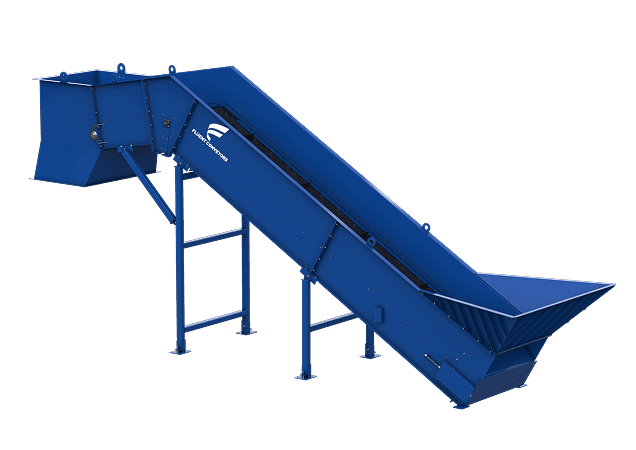
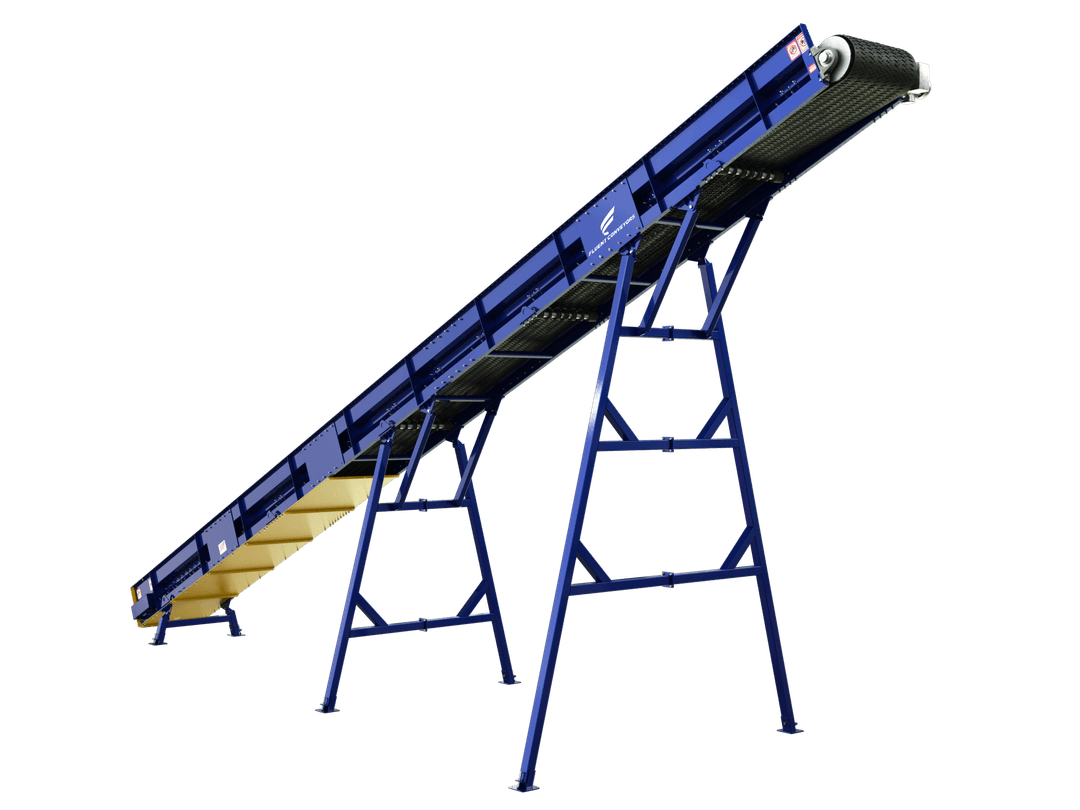
Equipment used in a single-stream recycling system
A complete single-stream MRF uses a coordinated set of equipment specific to its operation. This list covers the major equipment types used in single-stream processing systems:
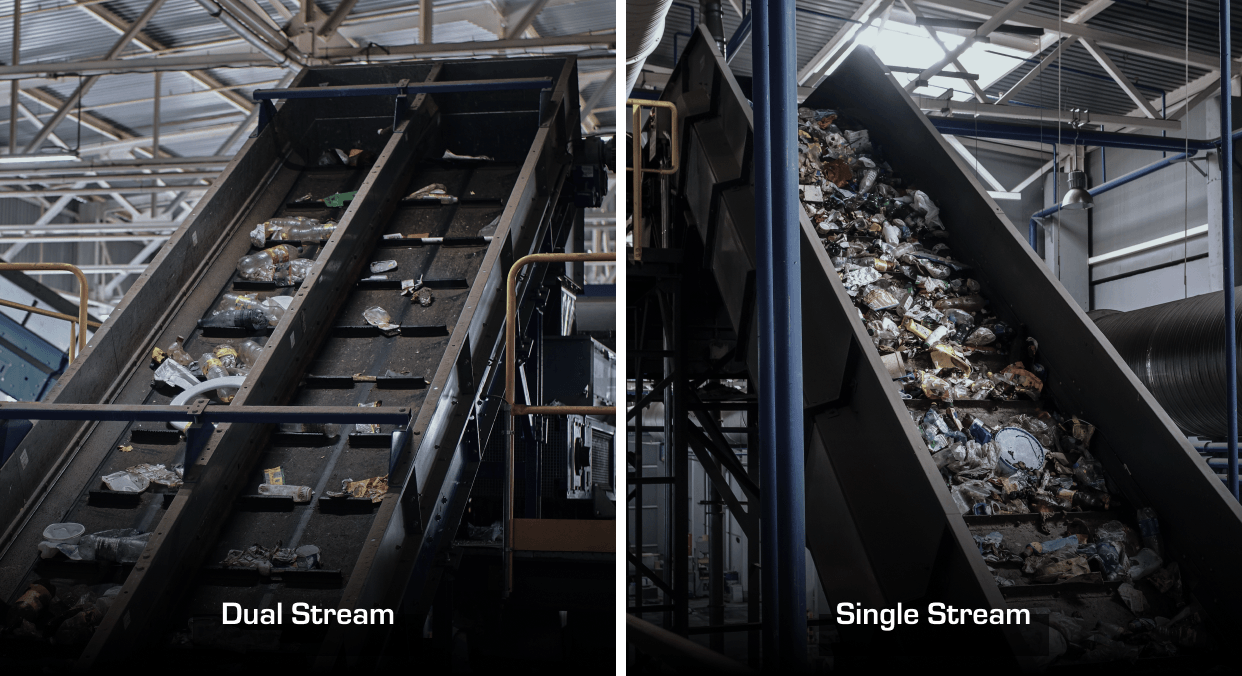
What is the difference between dual-stream and single-stream recycling?
In a dual stream system, residents separate fiber (paper and cardboard) from containers (plastics, metals, glass) before collection. The MRF receives two already-separated streams and does less separation work. In single stream, the MRF receives one mixed stream and must perform all separation internally.
Single stream is better when collection cost reduction and participation rate are the primary goals, and the MRF has the equipment to manage contamination. Dual stream is better when fiber quality is a market priority, and the collection operation can support the added complexity.
Contamination and material quality
Contamination is the central operating challenge in single-stream recycling. When non-recyclable material enters the stream, it degrades the purity of sorted bales, increases residue, raises processing cost, and in some cases makes material unsaleable. Common contaminants include plastic bags, hoses, wires, textiles, food-soiled containers, e-waste, and batteries.
The contamination rate in US MRFs averages under 20% of inbound material by weight, according to a nationwide survey of MRF operators published by researchers at the University of Wisconsin–Madison. Contaminated material enters the facility and must be removed or disposed of without generating revenue.
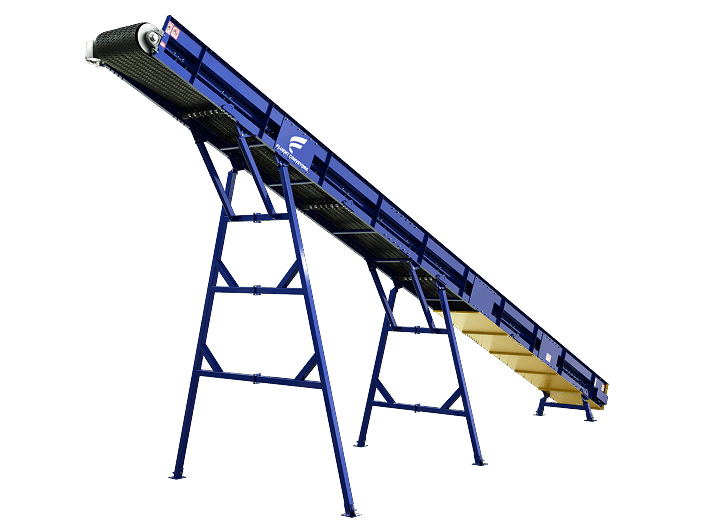
Conveyor layout and sort station design are the two primary engineering levers for managing contamination before it reaches mechanical separation:
Commodity buyers set purity thresholds for accepted bales, and material that falls below those thresholds is either downgraded, rejected, or returned at the facility's expense. Facilities that invest in better sort station and conveyor design recover the cost through improved bale revenue and reduced residue disposal.
How Fluent Conveyors supports single-stream recycling
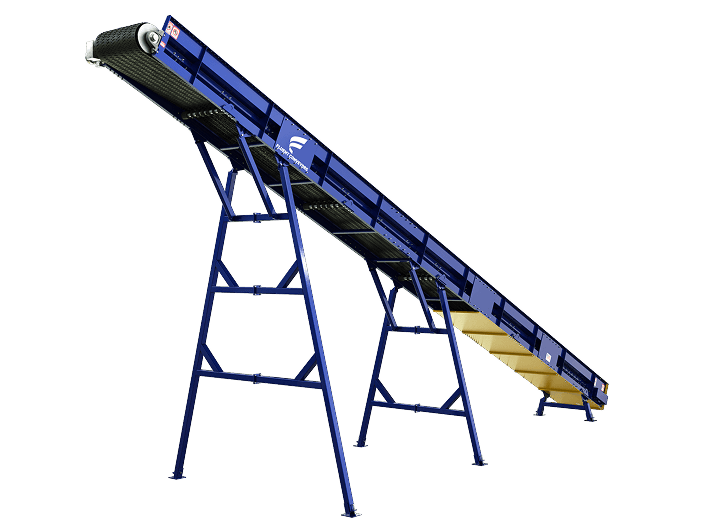
Fluent builds conveyors and sort systems for single-stream recycling facilities across the US. Our systems are designed for the material handling demands of commingled recyclables.
Our single stream offerings include:
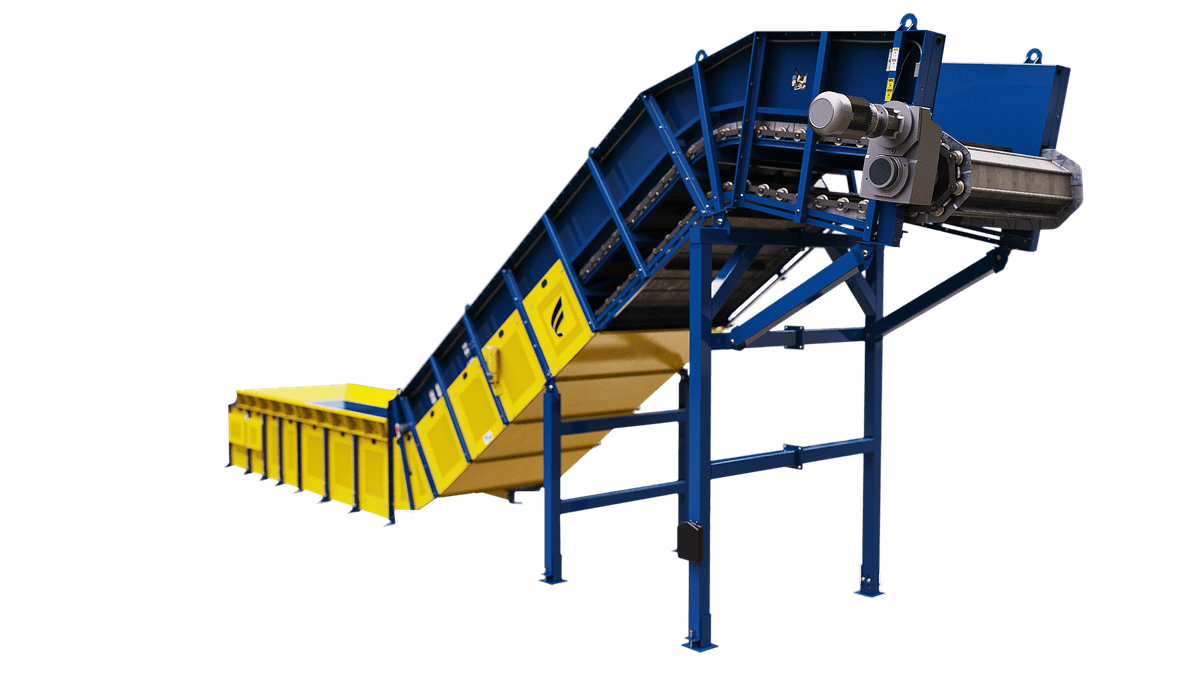
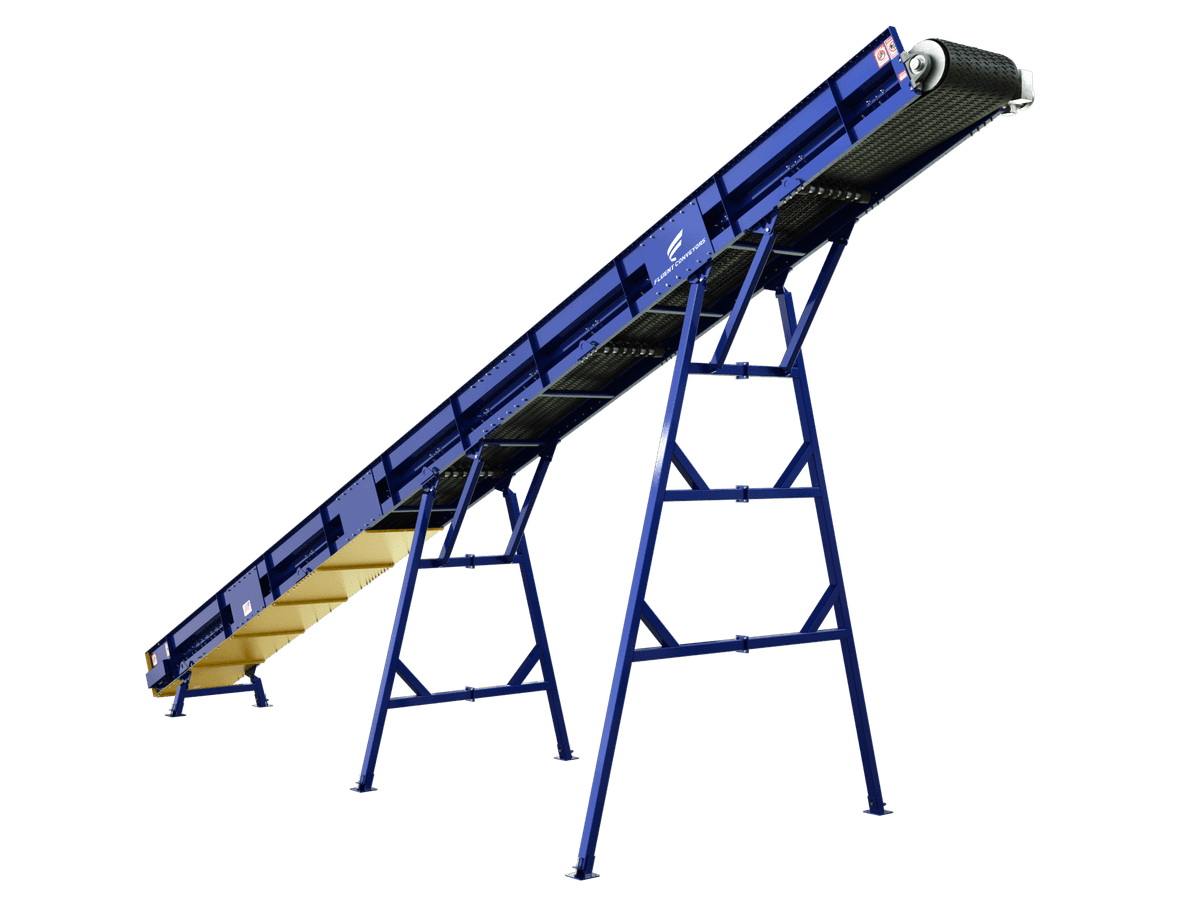
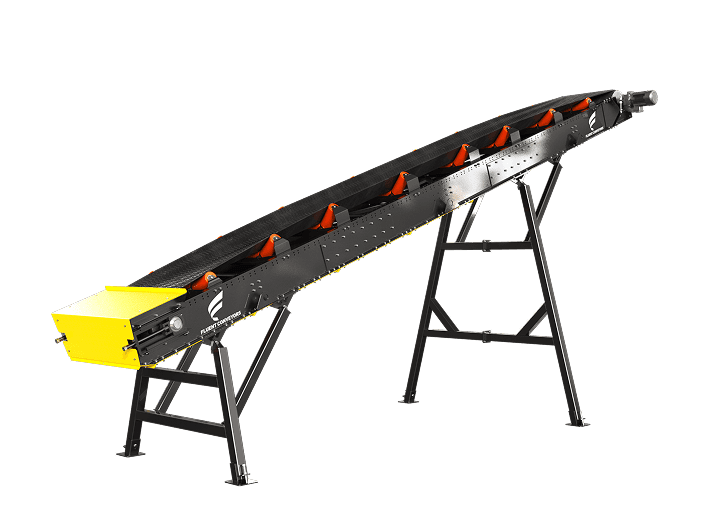
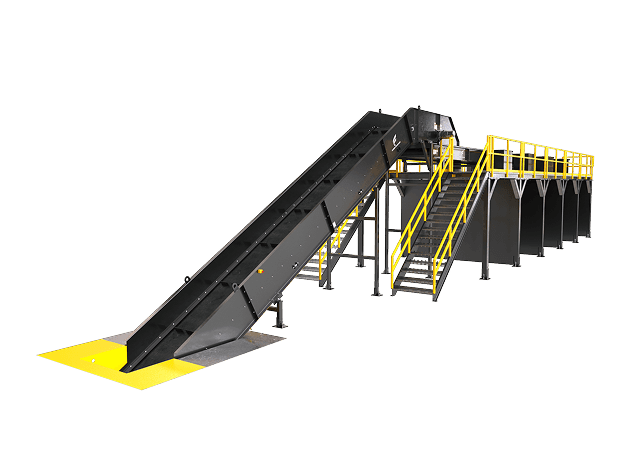
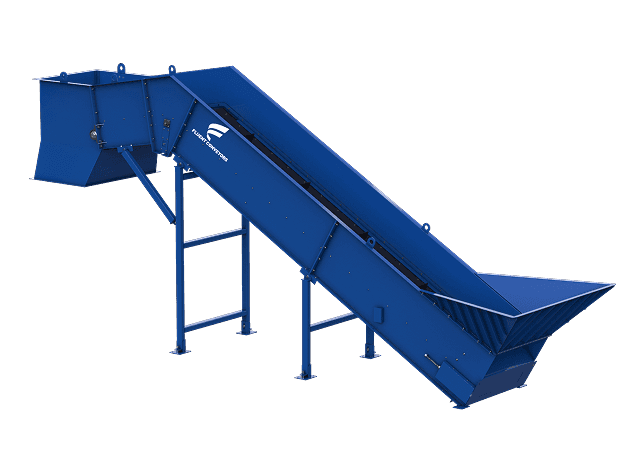
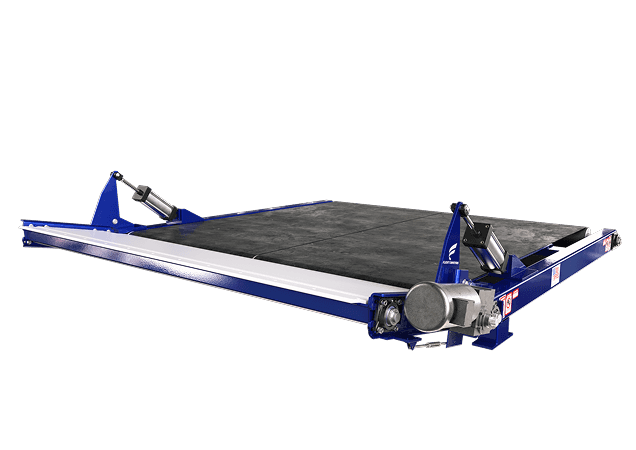
We design and build custom conveyor systems and sort lines to order, with all fabrication done in the US. Our engineering team works from your facility layout, material characteristics, and throughput requirements to configure a system that fits your space and hits your output targets.
Single-stream recycling systems FAQ










Copyright © 2026 Fluent Conveyors, LLC. All rights reserved.
The Fluent Conveyors logo is a registered trademark of Fluent Conveyors, LLC. Serial Number 97664258 Registered on Dec. 12, 2023


