









Copyright © 2026 Fluent Conveyors, LLC. All rights reserved.

The Fluent Conveyors logo is a registered trademark of Fluent Conveyors, LLC. Serial Number 97664258 Registered on Dec. 12, 2023


Copyright © 2026 Fluent Conveyors, LLC. All rights reserved.
The Fluent Conveyors logo is a registered trademark of Fluent Conveyors, LLC. Serial Number 97664258 Registered on Dec. 12, 2023
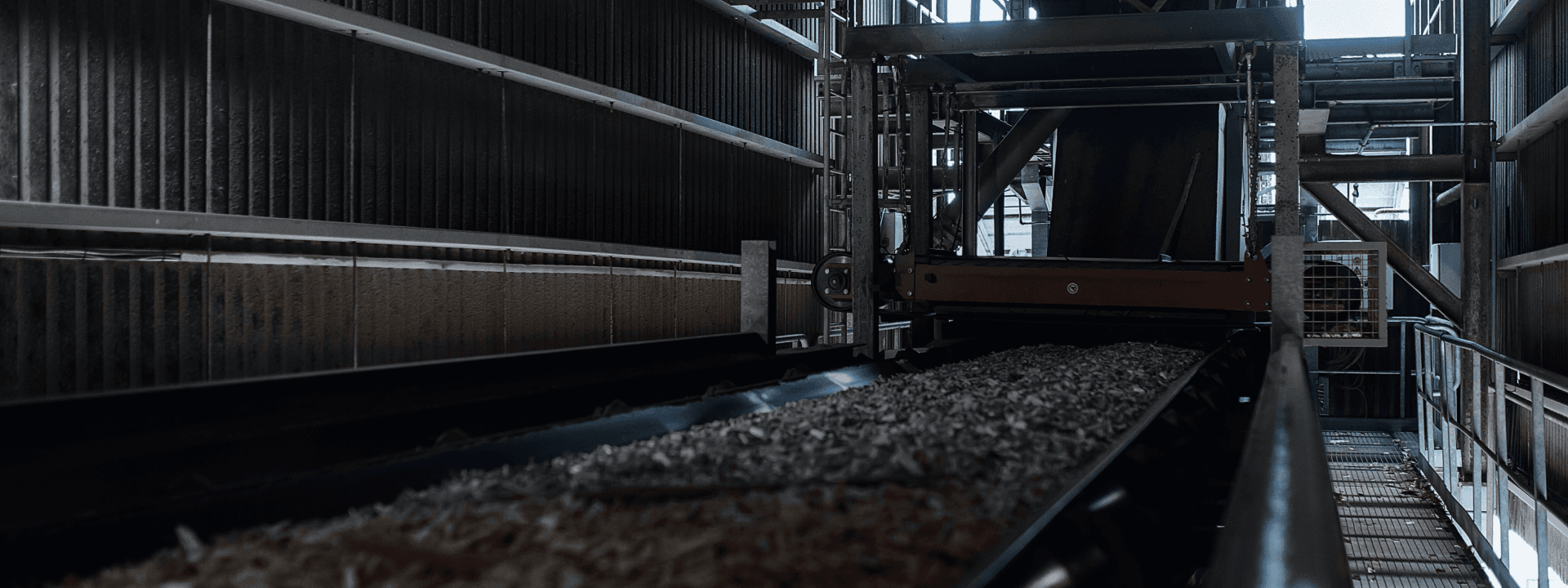
The best conveyor belts for biofuel production are rubber combination and hinged steel pan belts for wet, coarse, loader-fed feedstock, troughed and smooth-top belts for transfer and metering, and cleated or chevron belts on the inclines into shredders, dryers, and pellet mills, with the cover compound set to the abrasion, moisture, and fines of each feedstock.

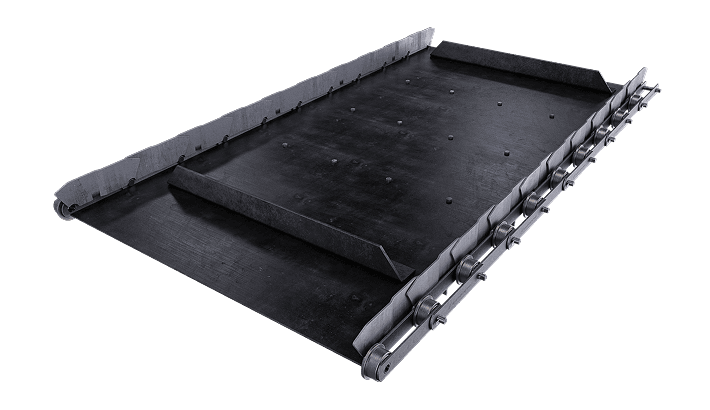
A continuous rubber surface on a no-slip chain drive for wet, heavy, loader-fed feedstock.
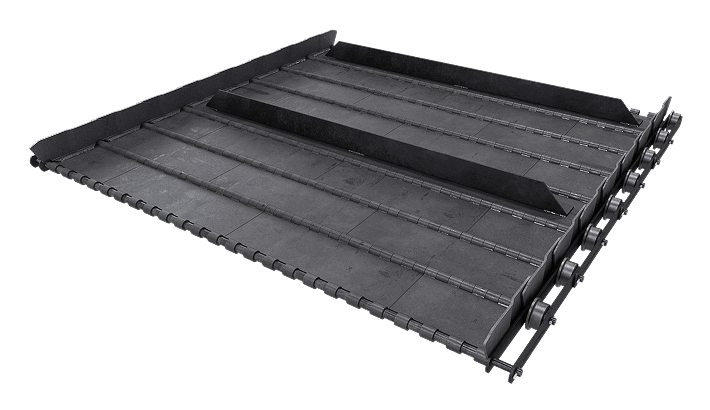
Interlocking steel pans for coarse, contaminated, high-impact receiving.
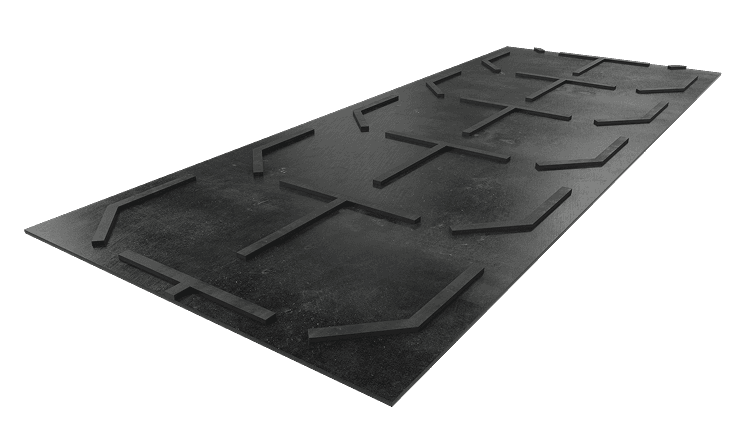
A chevron profile that holds chips, fiber, and pellets on inclined runs.
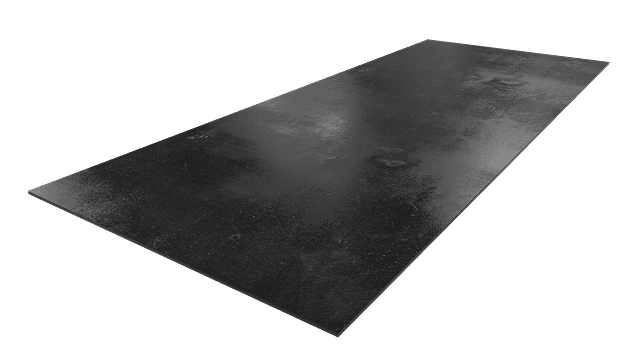
For flat idler conveyors. General-purpose smooth top belt.
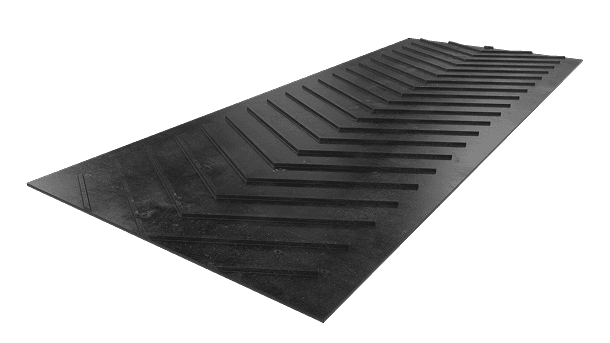
Troughed belting that centers loose biomass and fines over transfer runs.
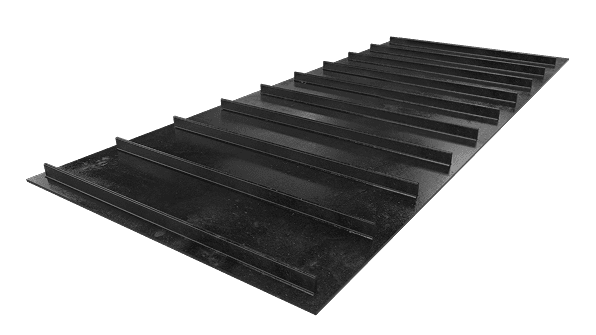
A flat, stable surface for metering and processed-material transfer.
Fluent designs and manufactures conveyor belts for biofuel production, made in the USA and cut, cleated, and spliced to fit your line.

Feedstock drives belt selection in biofuel handling. Each block below maps a common feedstock to the cover, profile, and carcass it calls for, and notes where along the line the surface changes.

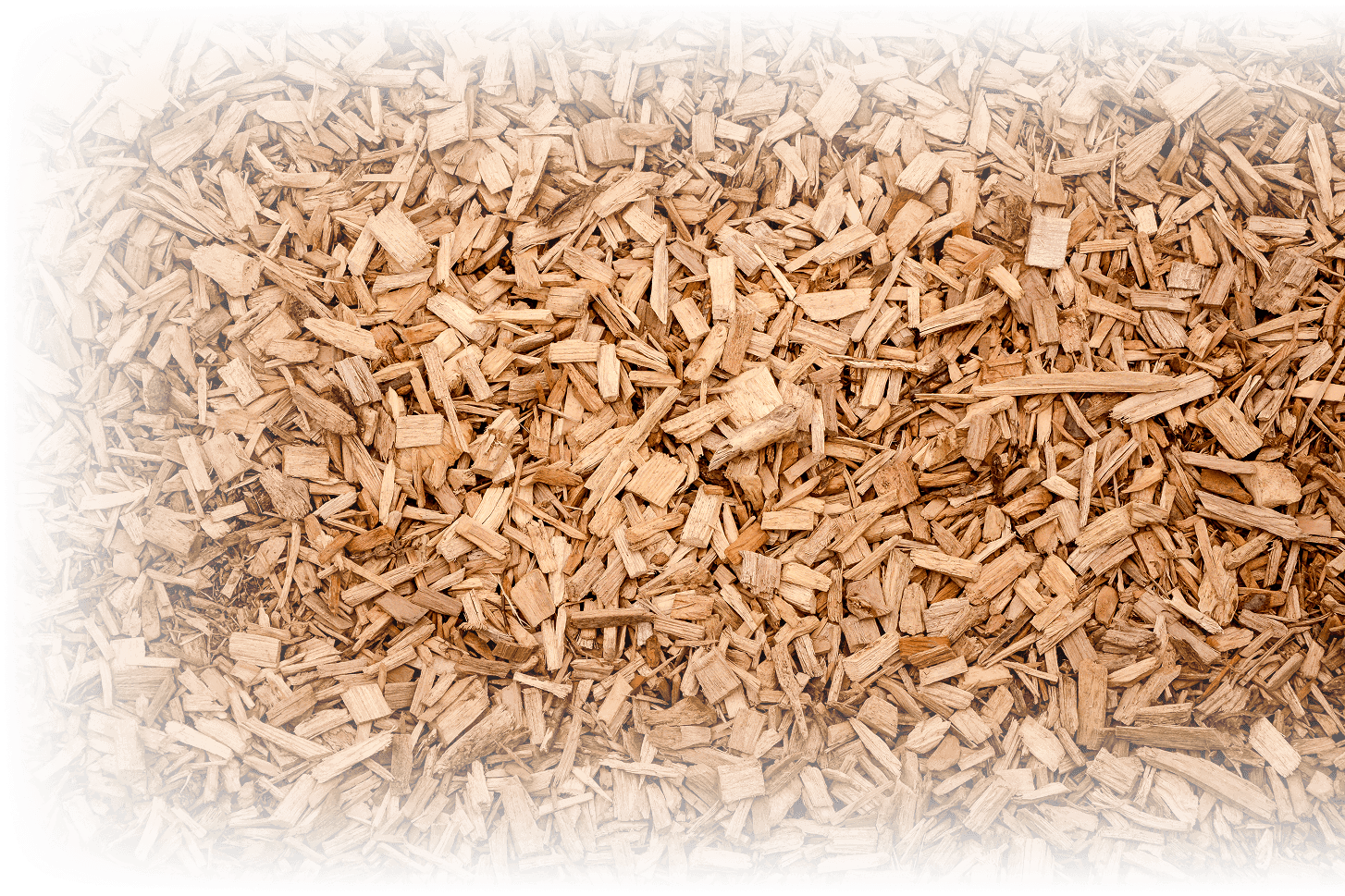
Irregular pieces, bark and splinter abrasion, resin, and variable moisture wear a cover fast and leave carryback. A troughed belt with a cover grade rated for abrasion handles the main runs, while steel pans take the shock at loader-fed receiving where a rubber cover would gouge.
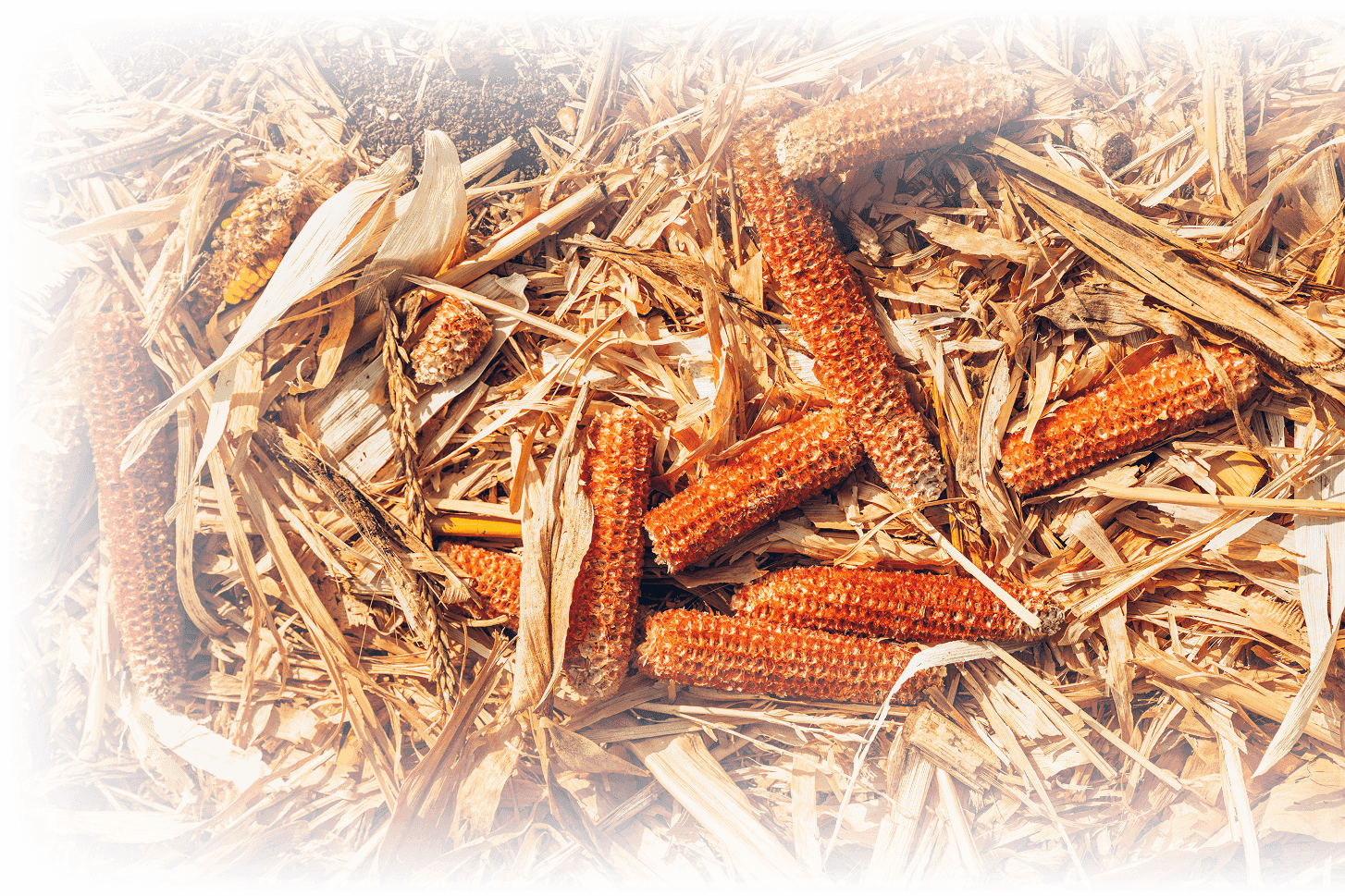
Low bulk density, fibrous bridging, and wind loss make loose fiber hard to keep on a flat, open belt. Cleated belting with sidewalls or skirts contains the material and stops rollback on inclines. It also minimizes wind loss on outdoor runs.
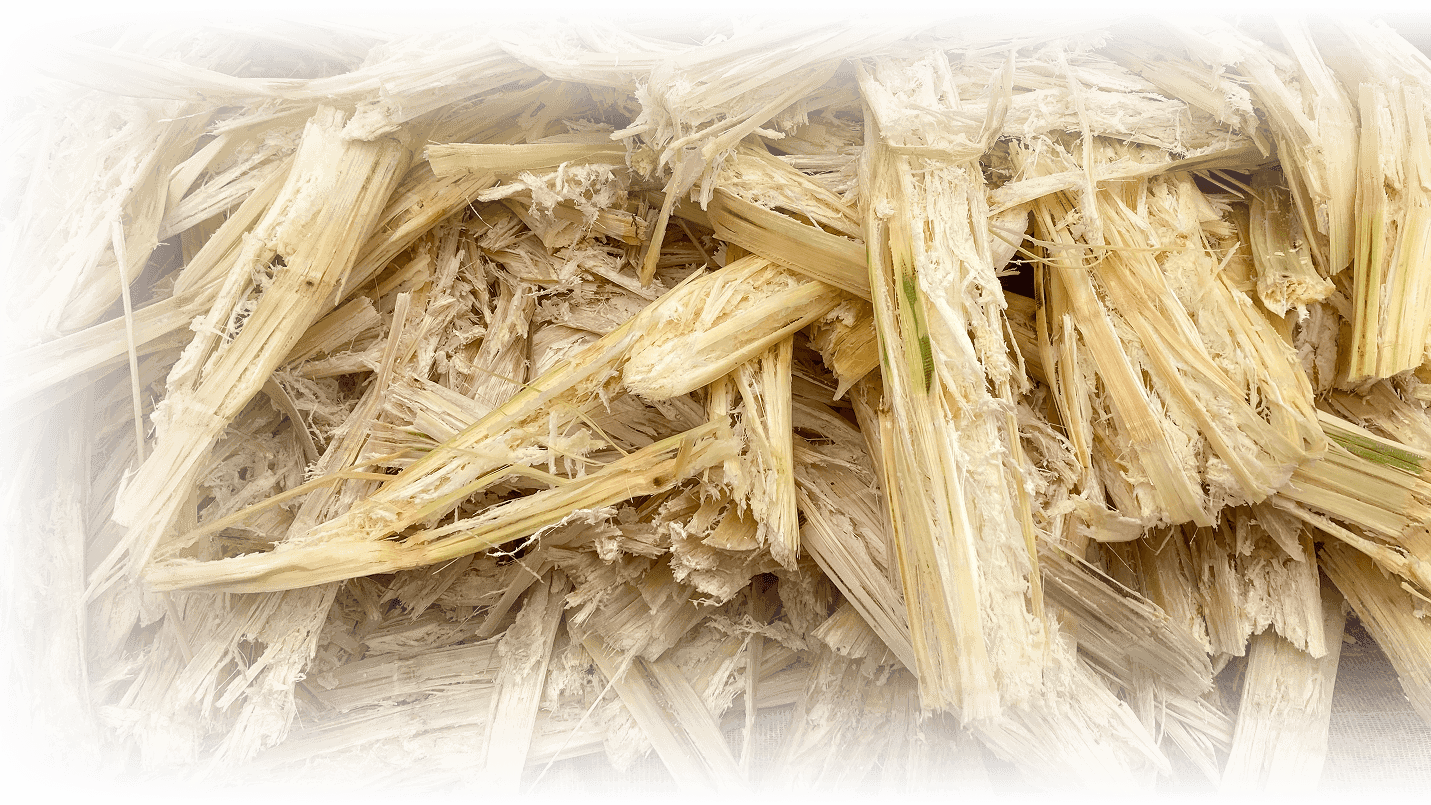
High and changing moisture, a fibrous mass, and corrosion exposure make carryback and slip the main risks. Z-pan steel belts carry wet fibrous residue on a no-slip chain drive at receiving. A smooth belt takes over once the feed is metered to the boiler or dryer.
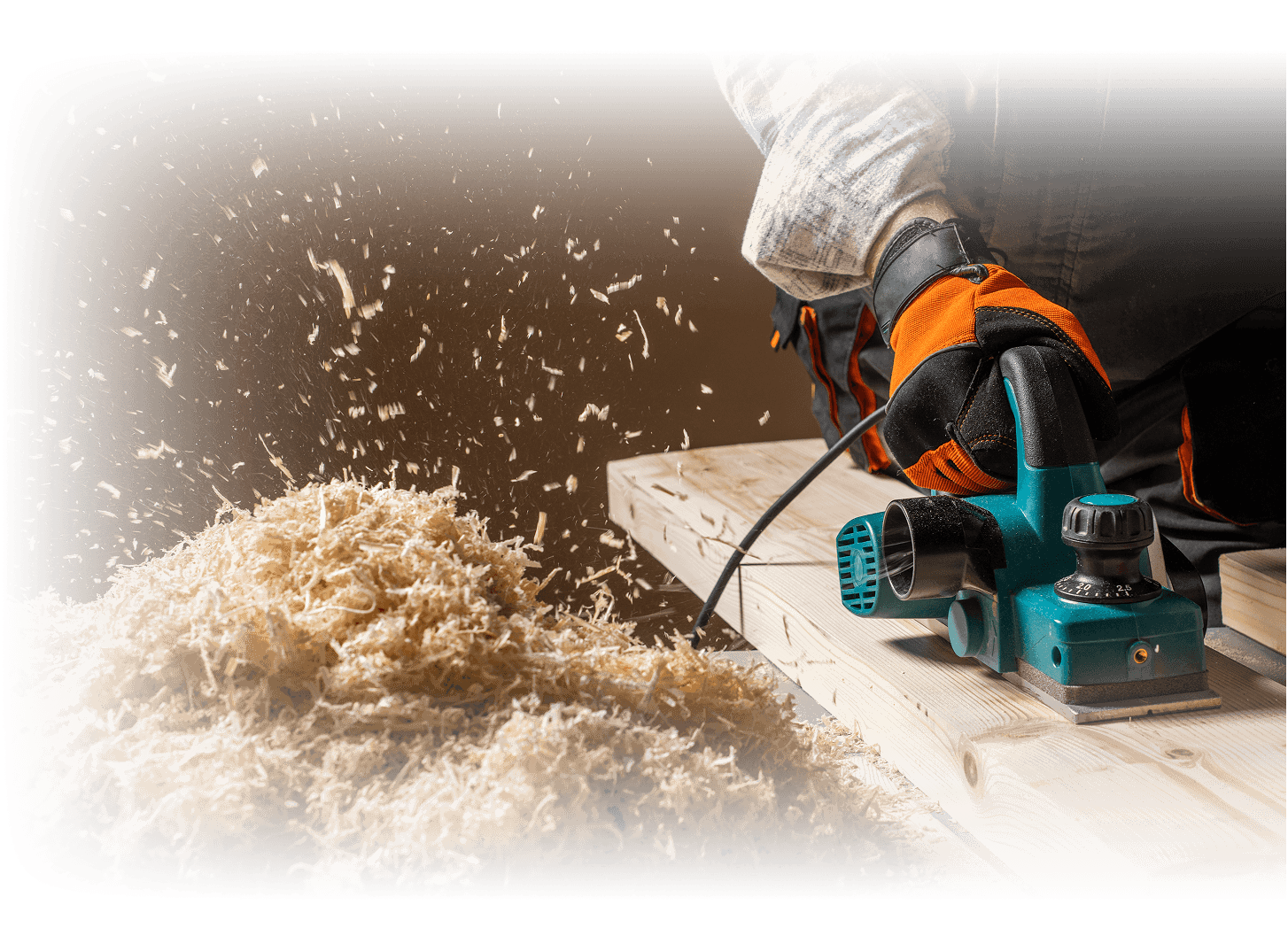
Fines release dust at every transfer point and demand tight tracking and edge sealing more than raw strength. A smooth flat idler belt surface presents a stable fines layer and mates cleanly to enclosures and dust-collection hoods. Cover compound is selected based on static and ignition risk.
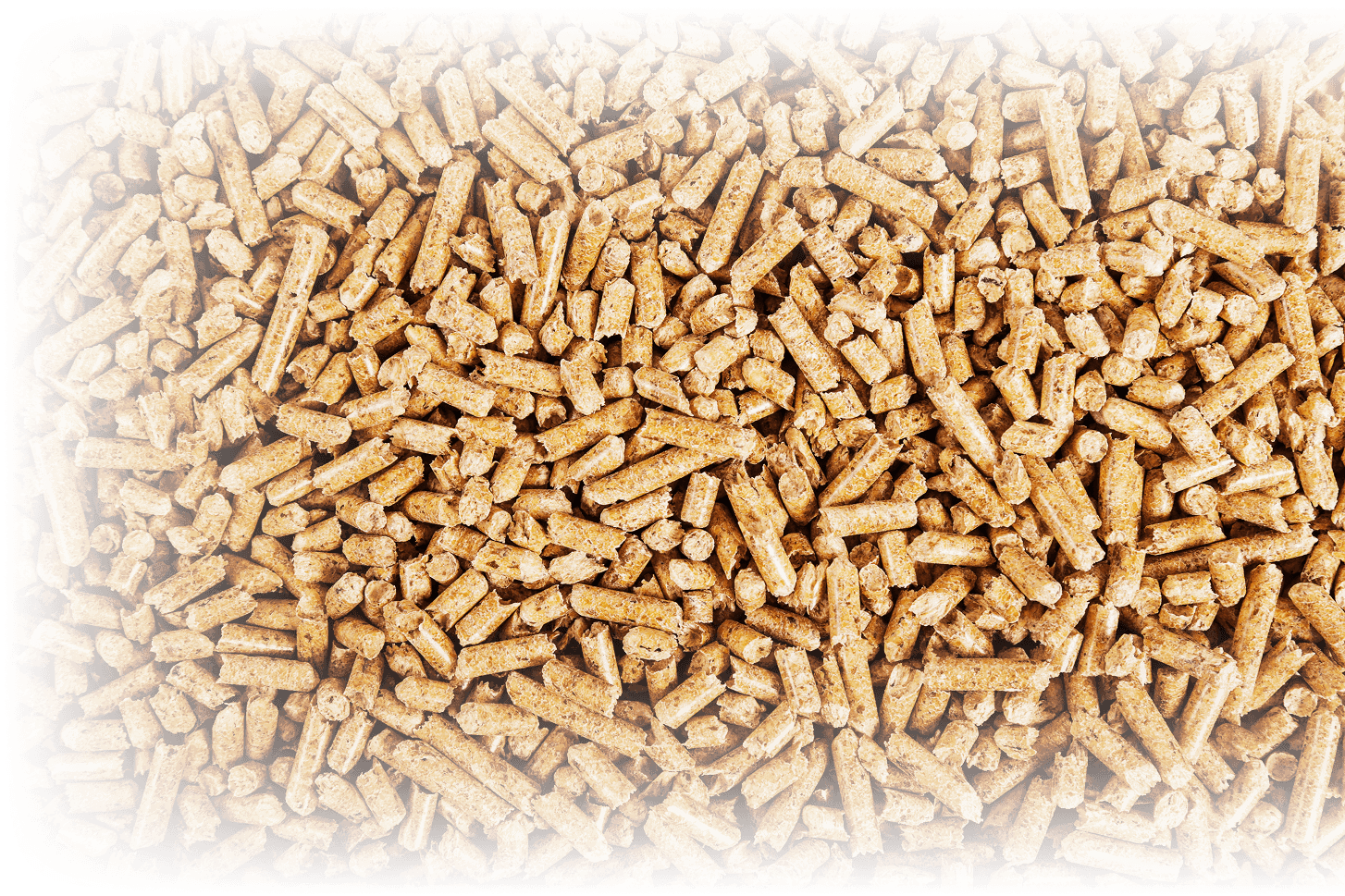
Pellets break and shed fines when handled roughly or dropped, which can happen if mishandled as they are raised to storage silos. A steep-incline belt with the right cleat pattern lifts densified product without rollback, and controlled discharge and belt speed limit breakage.
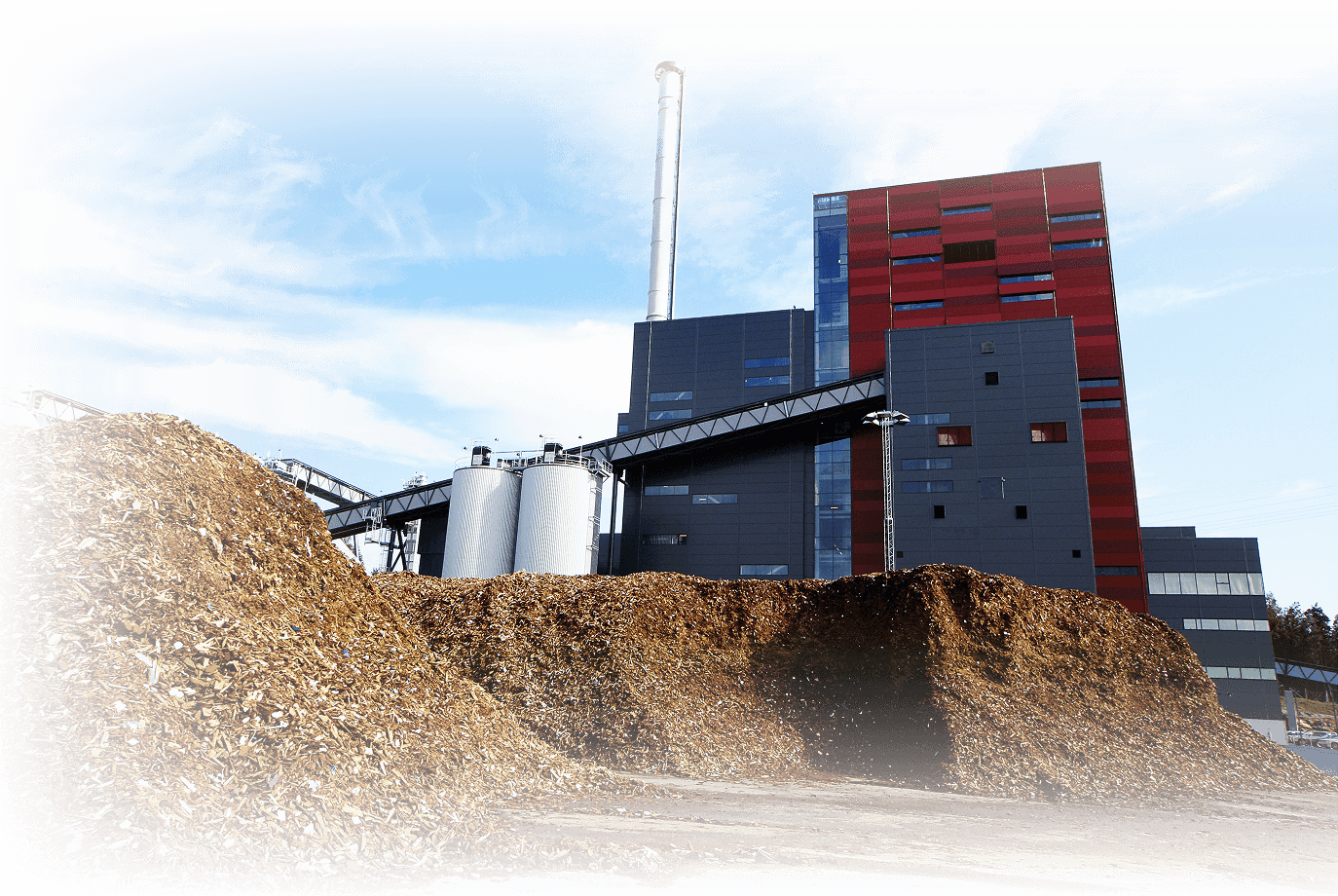
Nails, metal fragments, and variable, dense pieces cut and puncture belts and demand magnetic separation upstream. A rip-resistant carcass survives tramp material and impact loading at receiving where a standard fabric belt would tear out.
The same rubber combination and cleated belts run agricultural residue handling, where low-density fiber and rollback place the same demands on the surface.
Fluent specs the biofuel belts to the feedstock and prepares them in-house.
On any inclined run, cleat height and spacing, chevron pattern, and sidewalls are set to the incline angle and the material's tendency to slide back. Plain cleated belts suit steeper lifts and heavier feedstock, while a chevron profile adds grip on moderate inclines without full-height cleats, and high-cycle cleated belts are matched with a splice rated for the added stress.
Wet chips, bagasse, and fines pack onto a cover and into transfer points. Fluent specifies cover compounds that resist accumulation. We also supply belt scrapers to strip carryback before it degrades the pulleys and idlers.
Cover compound is matched to the feedstock's abrasion, oil, resin, and moisture; carcass and ply are set to load, width, and impact, with rubber combination belts built in 220-ply and 330-ply constructions for the heaviest feedstock. Splices are chosen for the line's tension and downtime tolerance.
Where dry fines raise a combustible-dust concern, industrial belting is available in anti-static and fire-retardant compounds, selected after the facility's hazard analysis.
Routine inspection catches these early. See what causes wear and tear on a conveyor belt for more information.

Fluent designs and manufactures custom conveyor belts for biofuel and biomass lines. Send the feedstock, the point in the line the belt runs, and the belt dimensions, and the engineering team specs the cover, carcass, profile, and splice to fit.
To quote a biofuel belt, have these ready:
Feedstock: wood chips, stover, bagasse, sawdust, pellets, or mixed biomass
Particle range: fines, uniform pellets, long fiber, or oversized pieces
Moisture: dry, damp, saturated, or variable
Bulk density and target tons per hour
Belt width and length, and incline or discharge height
Loading method: chute, hopper, skid steer, or front-end loader
Operating temperature and indoor or outdoor installation
Existing belt and conveyor make, when replacing