





Copyright © 2026 Fluent Conveyors, LLC. All rights reserved.
The Fluent Conveyors logo is a registered trademark of Fluent Conveyors, LLC. Serial Number 97664258 Registered on Dec. 12, 2023


Copyright © 2026 Fluent Conveyors, LLC. All rights reserved.
The Fluent Conveyors logo is a registered trademark of Fluent Conveyors, LLC. Serial Number 97664258 Registered on Dec. 12, 2023

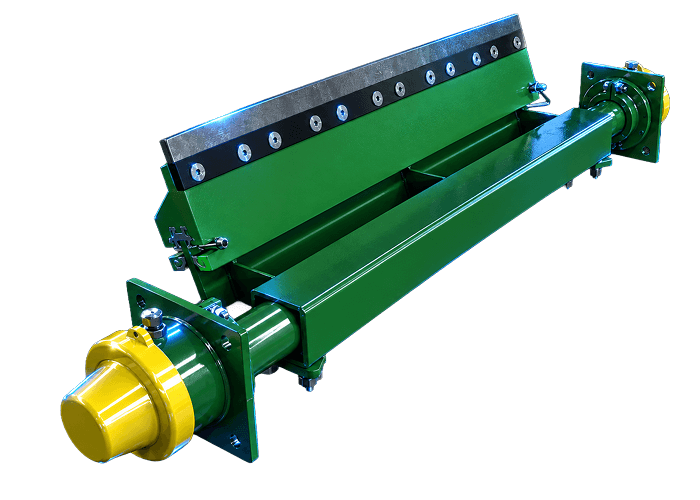
Belt plows ride on the return side of the belt and divert spilled material off the belt before it reaches the tail pulley. We supply V-plows and diagonal plows for Fluent-built conveyors and retrofit installations in belt widths from 18"–120".
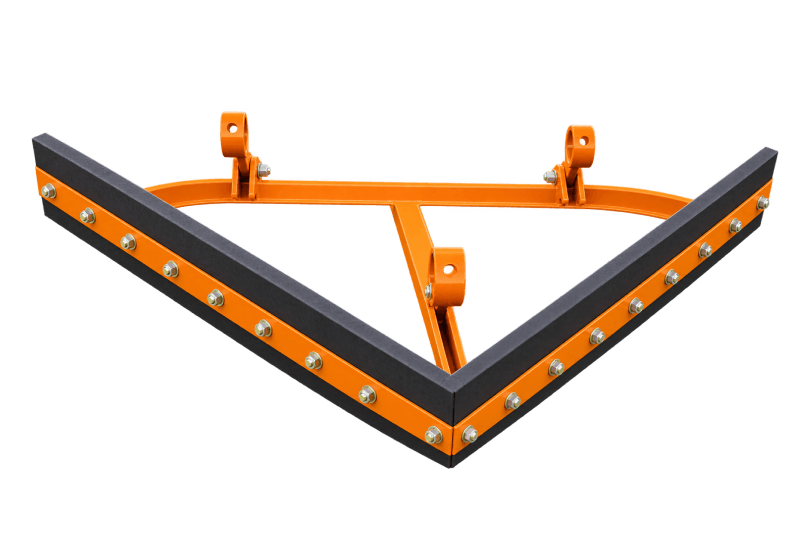
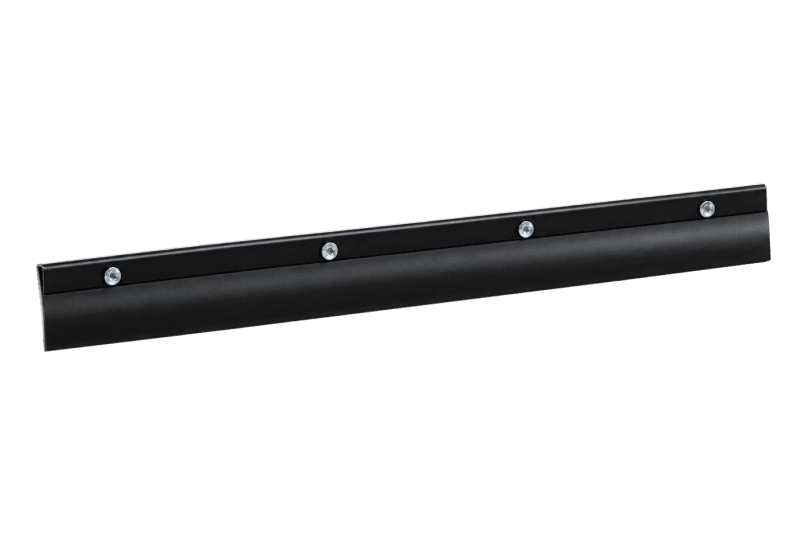

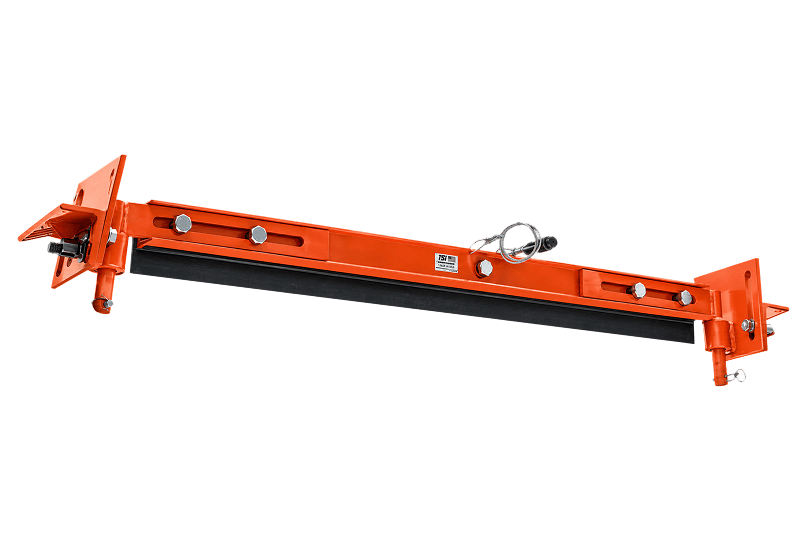
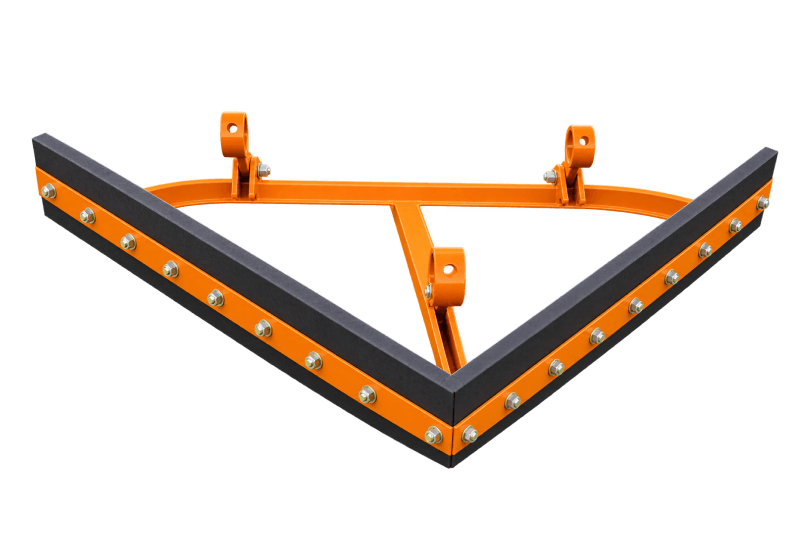
A V-shaped blade pair that clears the full belt width in one pass and discharges material to both sides of the conveyor. A common choice for single-direction belts where crews can access both sides of the frame.
Bulk material can bounce on impact and shift as the belt crosses the carrying idlers. Some material falls past the belt edge, lands on the inside surface of the return run, and travels back toward the tail pulley. Return idlers support the strand; they don’t remove debris.
Carryback on the inside belt face wedges between the belt and the pulley, abrading the belt, pulley, and splice.
A belt plow sits across the return strand ahead of the pulley and clears debris before it enters the wrap. Upstream material removal also helps the belt maintain alignment.
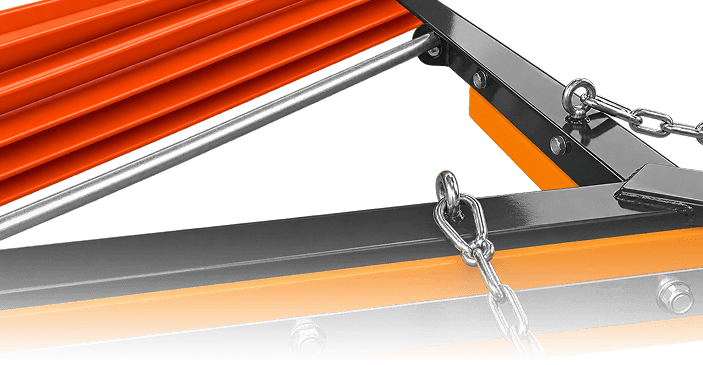

Best for single-direction belts with access on both sides. Most frames self-adjust as the blade wears, while heavy-duty versions can add shock bushings and bolt-together frame sections. Compatible with rubber and fabric belts on Fluent slider bed, flat idler, trough idler, and trough slider bed conveyors, plus most third-party belt conveyors.
• Belt width: 18"–120"
• Belt speed: up to 1,000 fpm standard; higher on heavy-duty frames
• Temperature range: -40°F to 250°F, depending on blade compound
• Blade materials: UHMWPE, polyurethane, nitrile rubber
• Blade wear allowance: up to 3" on heavy-duty urethane side blades
• Belt direction: single direction
• Discharge: both sides
• Blade coverage: belt width plus 6" on wide-belt models
• Profile height: as low as 8" on low-clearance frames
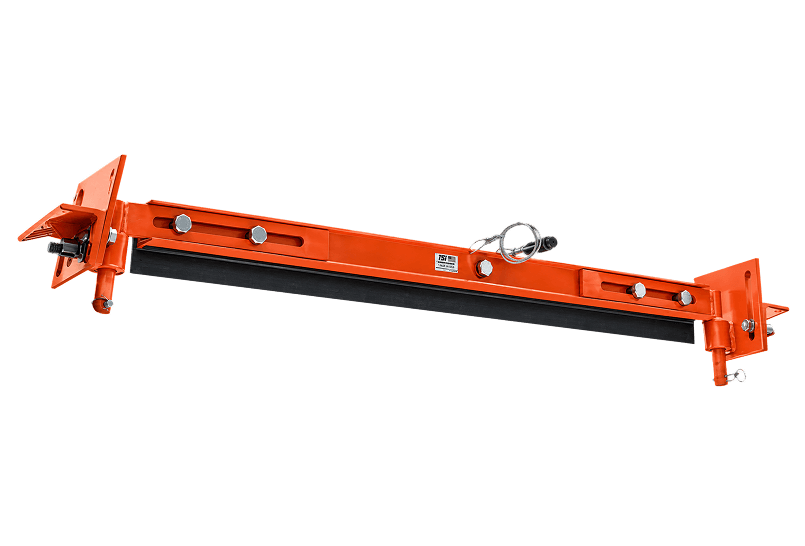
Best where debris needs to discharge to one accessible side. Diagonal plows are generally lighter, less expensive, and require less mounting hardware than comparable V-plows. Designs may use floating blades or threaded adjusters. Installed ahead of a gravity take-up, they can also protect the take-up pulley from debris a tail-mounted plow may miss.
• Belt width: 18"–84" standard; up to 120" extreme-duty
• Belt speed: 700–900 fpm standard; up to 2,000 fpm extreme-duty
• Temperature range: -40°F to 250°F, depending on blade compound
• Blade materials: UHMWPE, polyurethane, nitrile rubber
• Blade wear allowance: 1.5" on nitrile rubber; more on oversized urethane
• Belt direction: single direction standard; bidirectional models available
• Discharge: one side
• Protected components: tail pulley, drive pulley, gravity take-up pulley
improve conveyor reliability.
Belt width and speed both increase the energy a plow must absorb when a lump hits the blade. Past roughly 48 inches of width or 1,000 fpm, standard frames can begin to chatter, lift from the belt, and wear unevenly across the blade face.
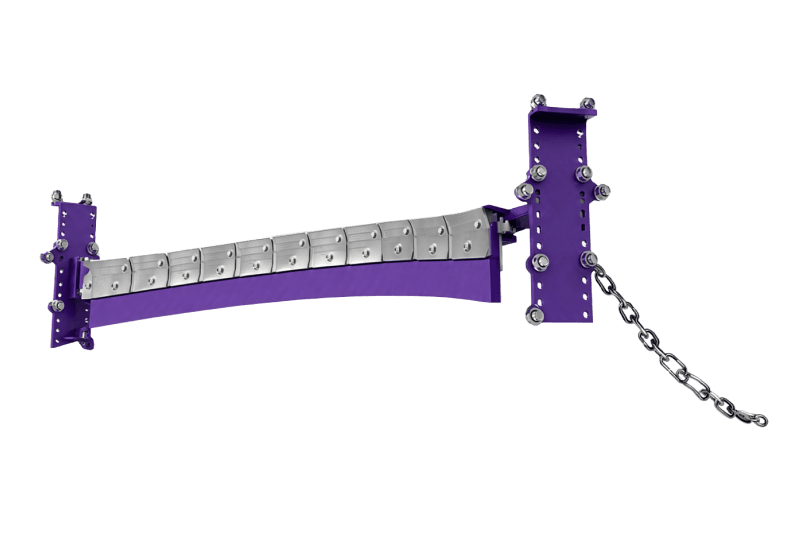
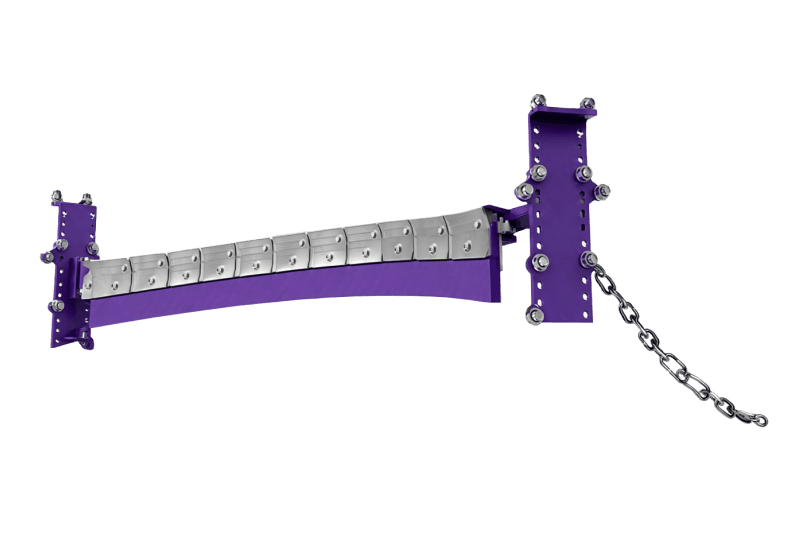
Extreme-duty plows address these conditions with curved frames that deflect impact, half-inch steel frame sections, oversized polyurethane blades, and adjusting glides that let the blade move downward as it wears while damping vibration.
Extreme-duty plows are much heavier than standard versions. A 48-inch unit weighs close to 200 pounds, while a 120-inch unit approaches 300 pounds before options. We confirm mounting points, structural capacity, and lifting access before delivery. A hungry board (accumulation panel) can be bolted to the blade and frame to increase effective blade height and catch material that bounces over a standard profile. A safety chain retains the plow if a mount fails.
Extreme-duty frames suit trough idler conveyors moving aggregate, C&D debris, and shredded scrap at high tonnage, where both lump size and belt speed place greater loads on the plow.
Belt width: 48"–120".
Belt speed: Up to 2,000 fpm.
Temperature range: -20°F to 180°F.
Blade material: Polyurethane.
Belt direction: Single direction.
Plow discharge: One side of the belt.
Unit weight: 198–300 lb bare, 218–345 lb with a hungry board.
Splice compatibility: Mechanically fastened and vulcanized.
Belt plows fit into three positions to catch return-side carryback.
Ahead of the tail pulley: The primary position. The plow clears debris in the last few feet before the belt wraps the pulley, where entrapment can cause the most damage.
Ahead of a take-up or bend pulley: Gravity take-ups sit low in the structure and collect material falling from above. A plow installed ahead of the take-up pulley protects a component that is expensive to service and difficult to reach.
Behind the head pulley: Some operations install a plow just after discharge so carryback and debris fall at the head end instead of traveling the full length of the return run.
Wing pulleys tolerate debris better than drum pulleys because their open vanes shed material as they rotate. Lumps can still lodge between the wings.
To check installation clearance, measure the vertical gap between the return strand and the structure below it, the horizontal span between stringers, and the working space needed to replace a blade without dropping the belt.
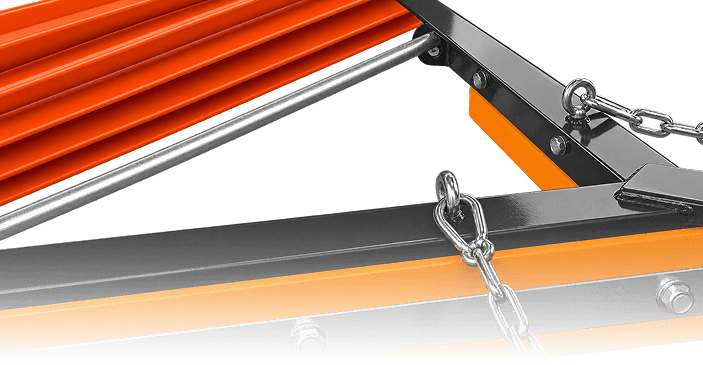
Reversing conveyors require a plow built for bidirectional service. Symmetrical straight-blade diagonal plows suspended from brackets on both sides of the frame can handle this arrangement. The blade floats on the belt surface and diverts material to the same side regardless of travel direction, with no adjustment required when the belt reverses. Shuttle conveyors, reclaim belts, and radial stackers that feed in both directions fall into this category.
Fluent can provide belt plows for reversing conveyors. Specify reversing operation when ordering. A unidirectional plow cannot be converted for bidirectional service with a field adjustment.
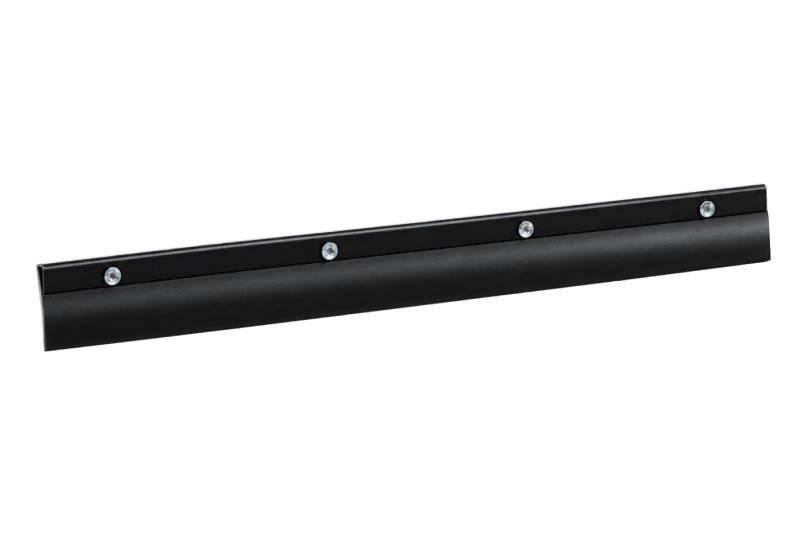
During initial purchase, we can help you choose the right blade for your operation. Fluent supplies replacement plow blades and other standard wear components.
Replace a blade before the steel frame or fastener heads can contact the belt. Signs a plow blade has reached the end of its service life include:
Blade height reduced past the manufacturer's wear indicator or wear line.
Uneven wear across the blade face, which can indicate belt mistracking or a plow sitting out of square.
Material tracking past one leg of a V-plow while the other leg still clears.
Frame edges, bolt heads, or backing plate visible at the belt surface.
Chatter or vibration at the mounts that was not present after installation.
Debris packing behind the blade instead of discharging off the belt edge.
Operations processing sticky, wet, or loose materials often need more than a belt plow. Whether you use a Fluent conveyor or not, we can help you upgrade your belt cleaning system by adding scrapers and self-cleaning idlers.
We also appreciate photos of the return strand ahead of the tail pulley and the stringers at the intended mounting point. On a Fluent build, we pull your conveyor serial number to simplify the ordering process.

Fluent builds custom conveyors for recycling, waste, and scrap operations. We only supply components that have proven themselves in the toughest conditions on our own conveyors.
V-plows, diagonal plows, and extreme-duty plows from established belt cleaning manufacturers.
Belt widths from 18 to 120 inches and belt speeds up to 2,000 fpm.
Fits Fluent conveyors and retrofits to existing pulley-driven installations.
Blade compound and mounting guidance based on your material, clearance, and cleanup access.
Lead time is 1–5 weeks depending on configuration.
Ready to work with the experts?
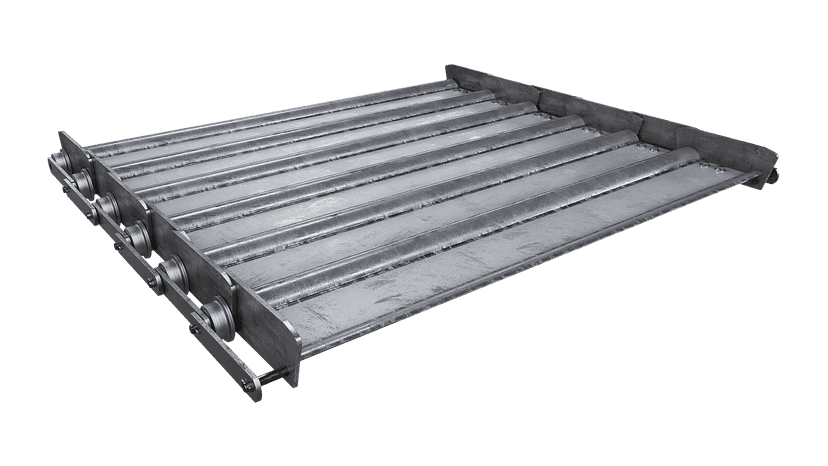
Conveyor belts for all applications and materials.
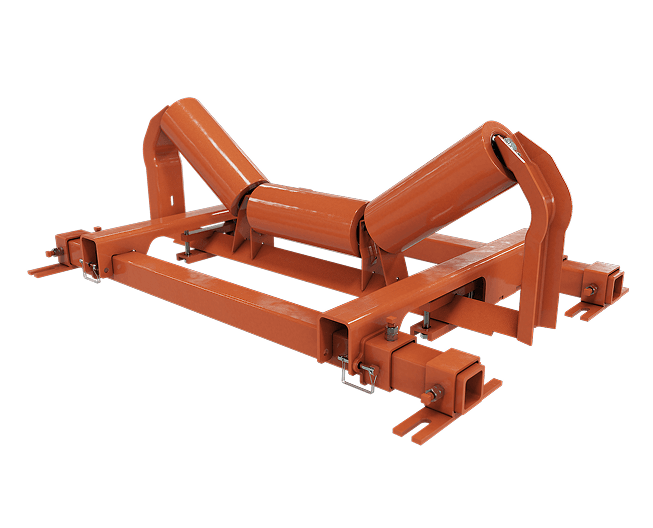
Weigh material as it moves along the belt.
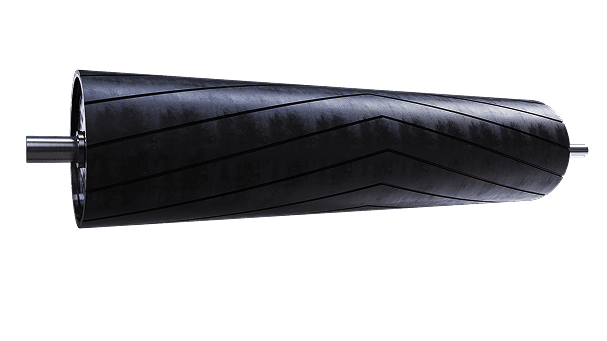
Transfer energy from motors to conveyor belts
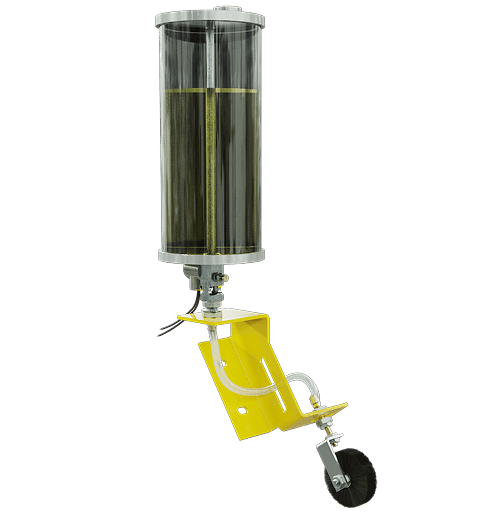
Automatically lubricate chains and moving parts.
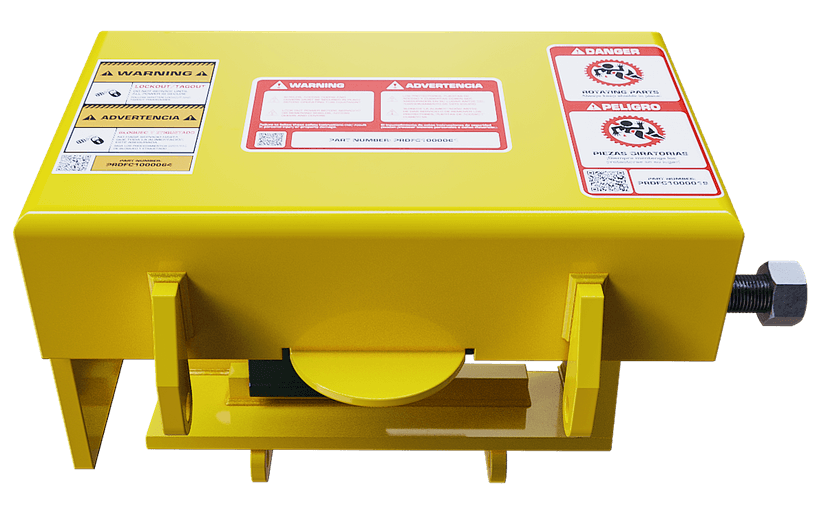
Maintain proper belt tension and alignment.
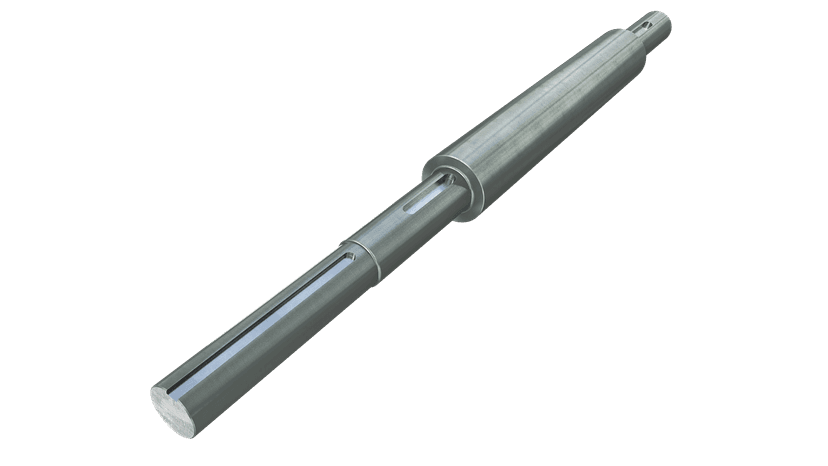
Transfer power and support rotating components.
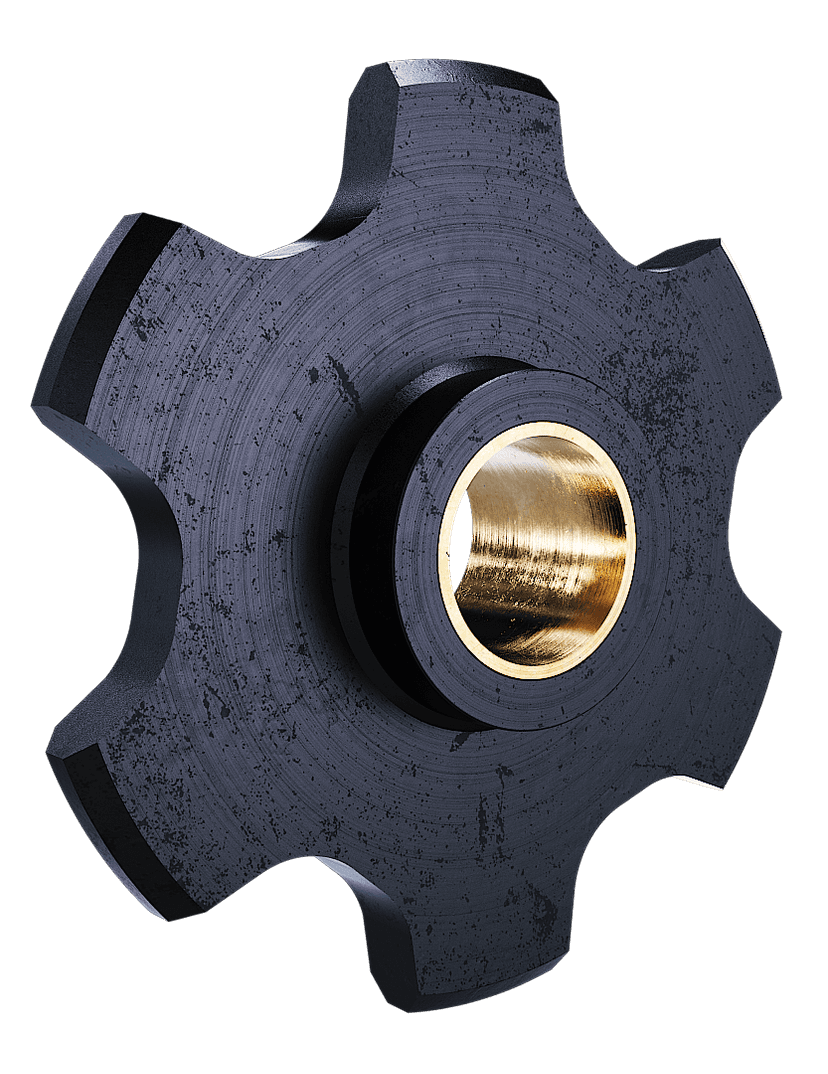
Toothed wheels that engage chains to drive the belt.
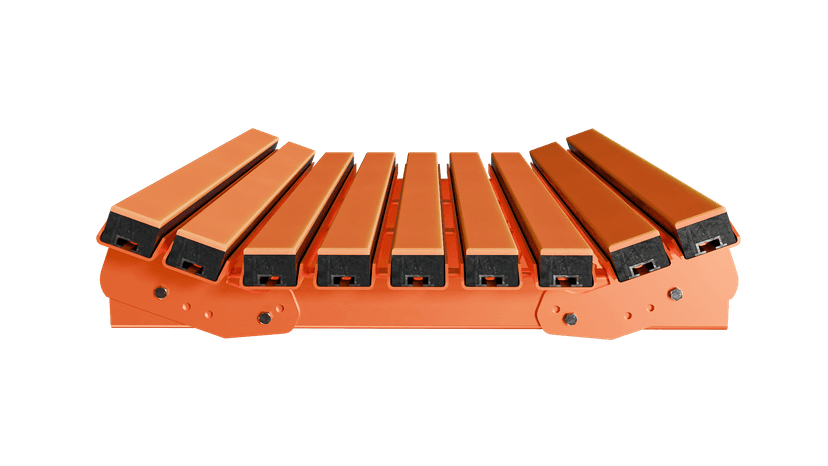
Absorb impact from falling material on belt conveyors.
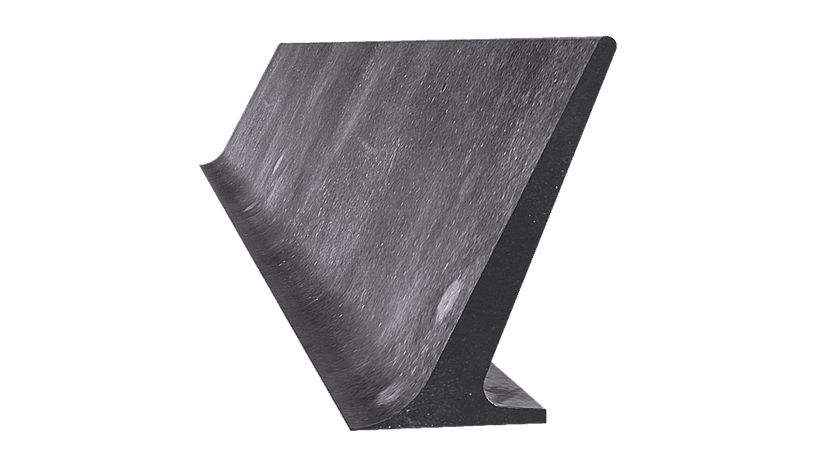
Belt protrusions that prevent material rollback.
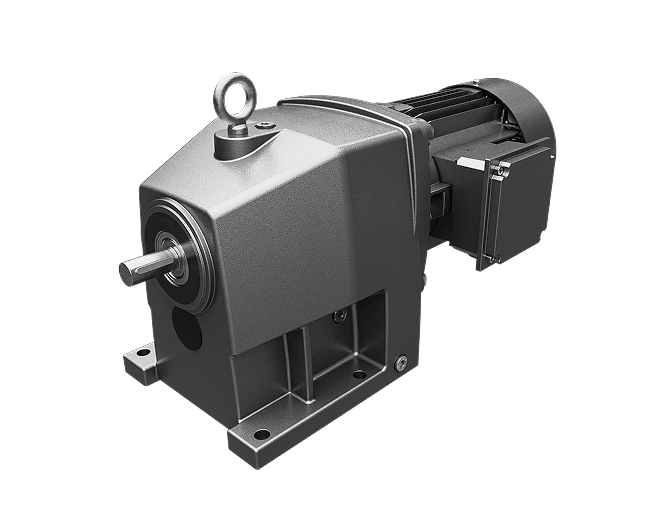
Adjust speed and increase torque for conveyor drives.
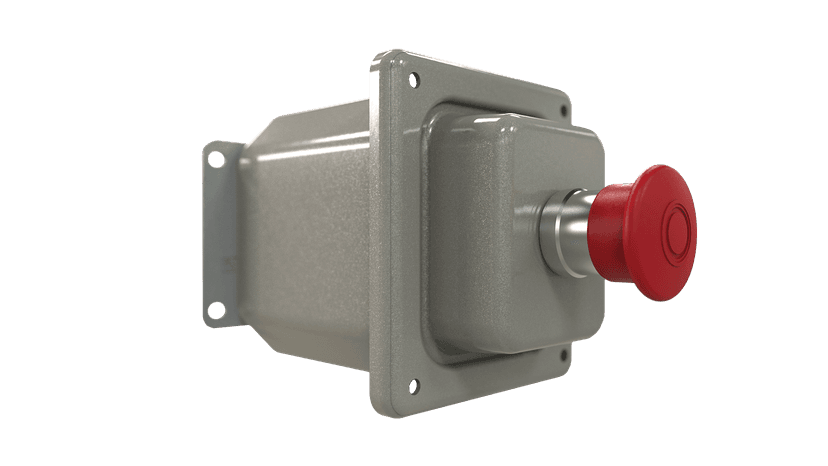
Stop conveyor operations immediately in emergencies.
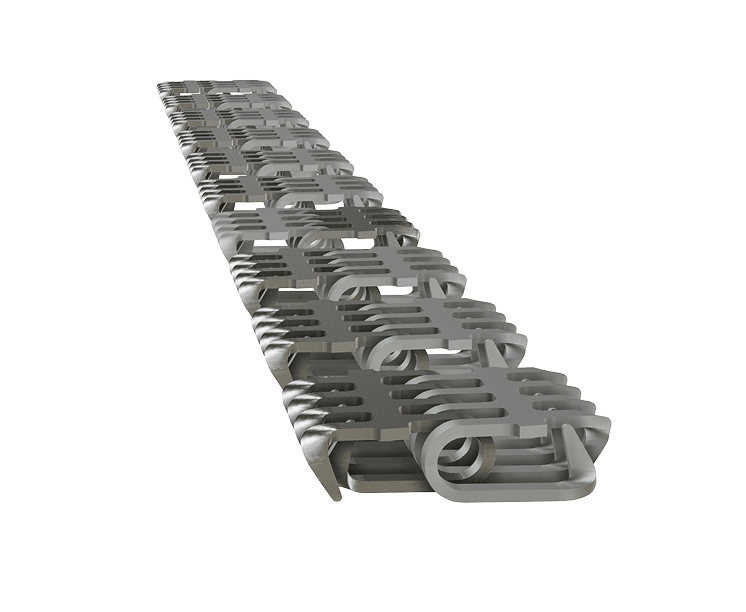
Connect belt sections with mechanical or vulcanized joins.
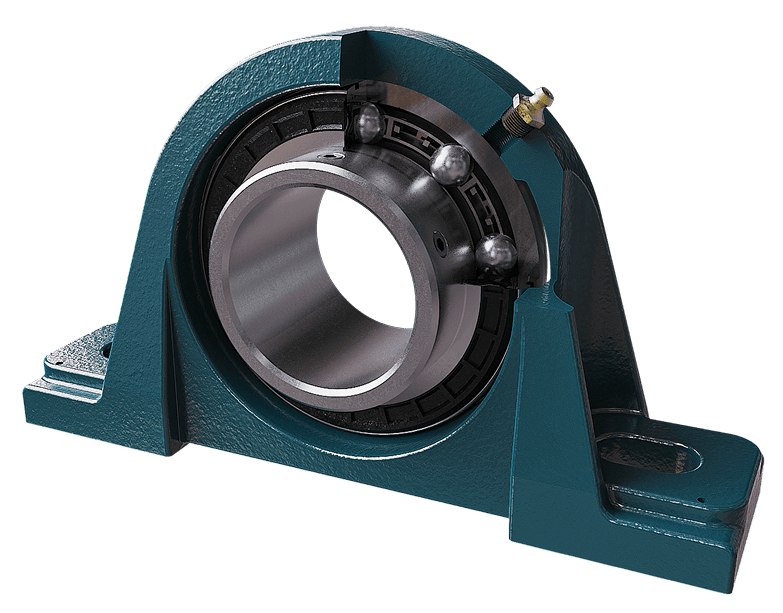
Flange, pillow-block, take-up, and slewing configurations.
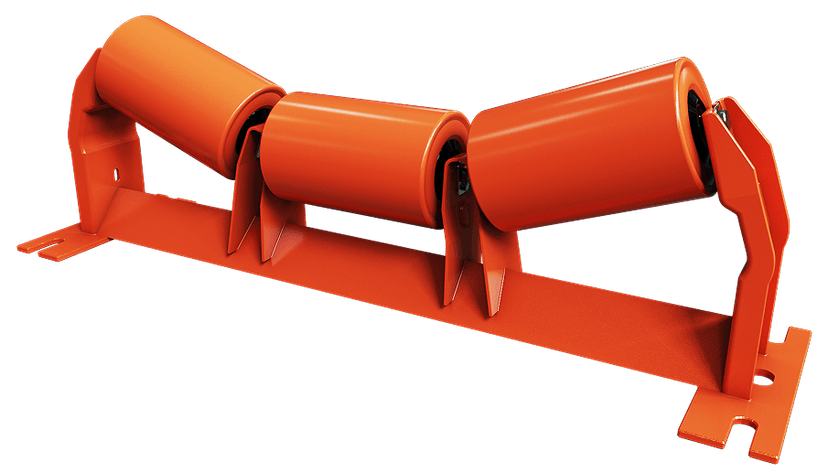
Support and guide the conveyor belt.
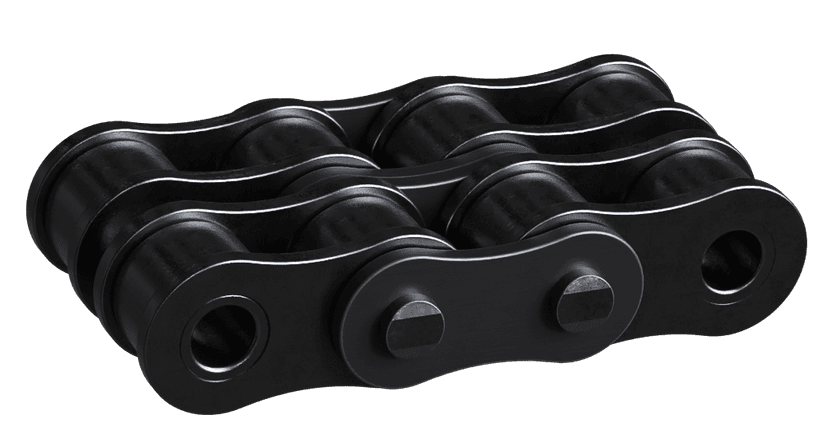
Replacement chains for roller chain conveyors.
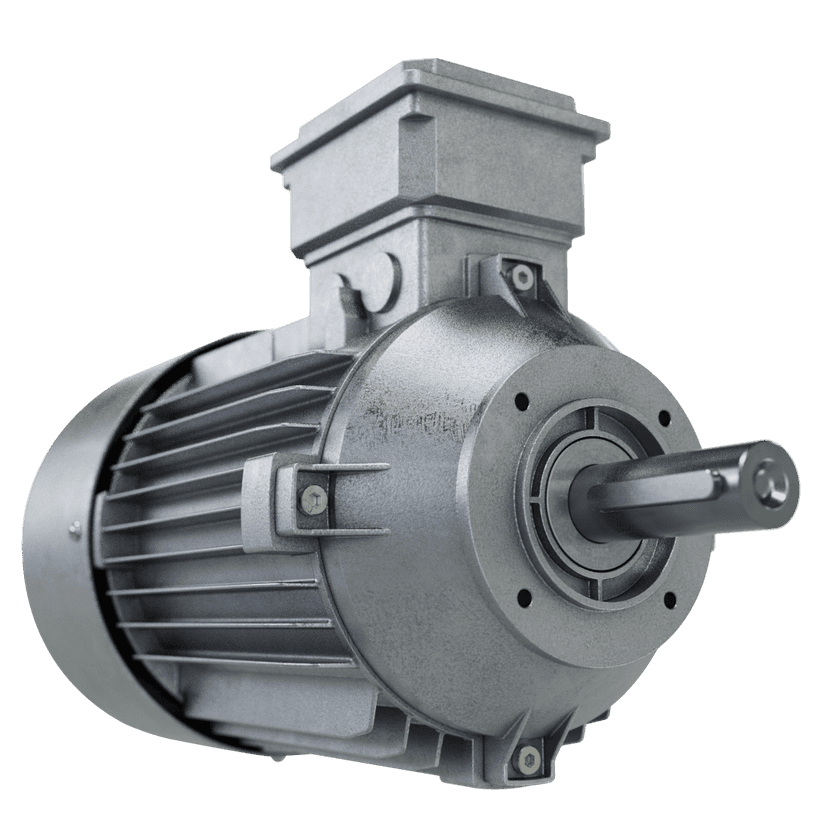
Power your conveyor systems with reliable motors.
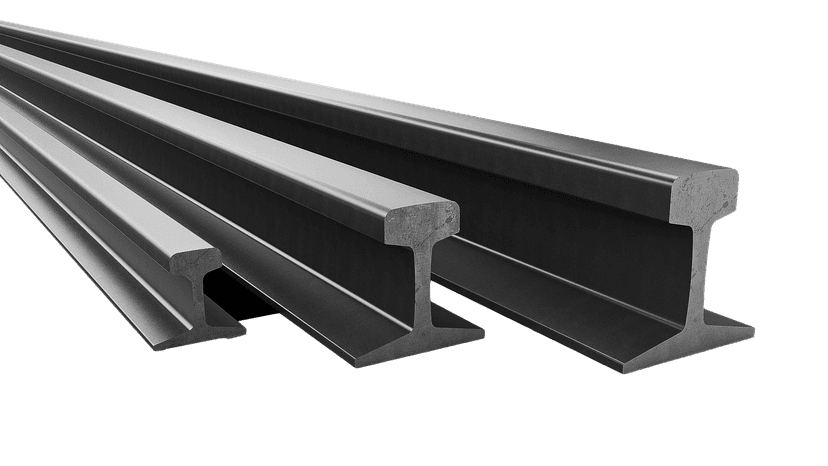
Heavy-duty rails for mobile equipment integration.
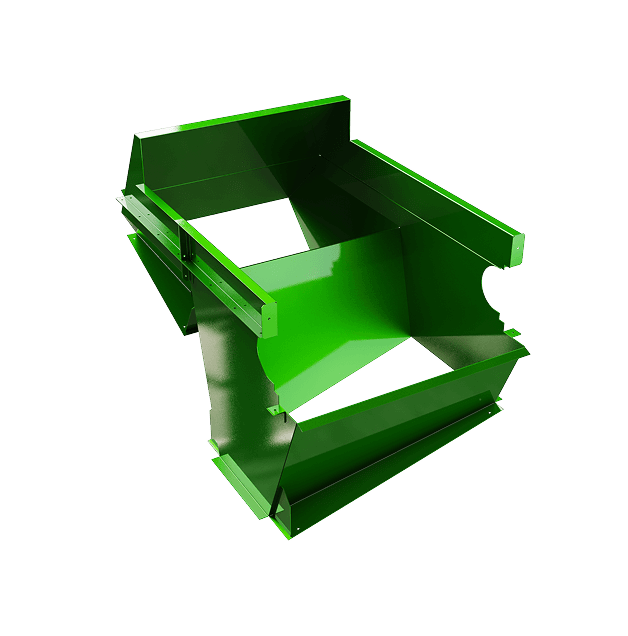
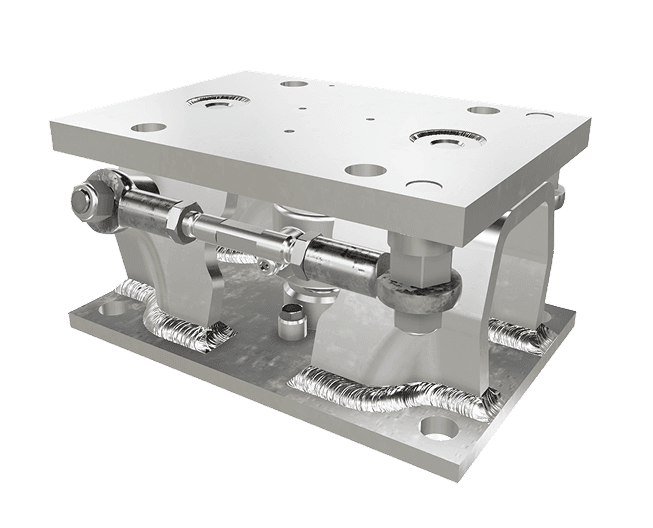
Measure and monitor material weight on moving conveyor belts.
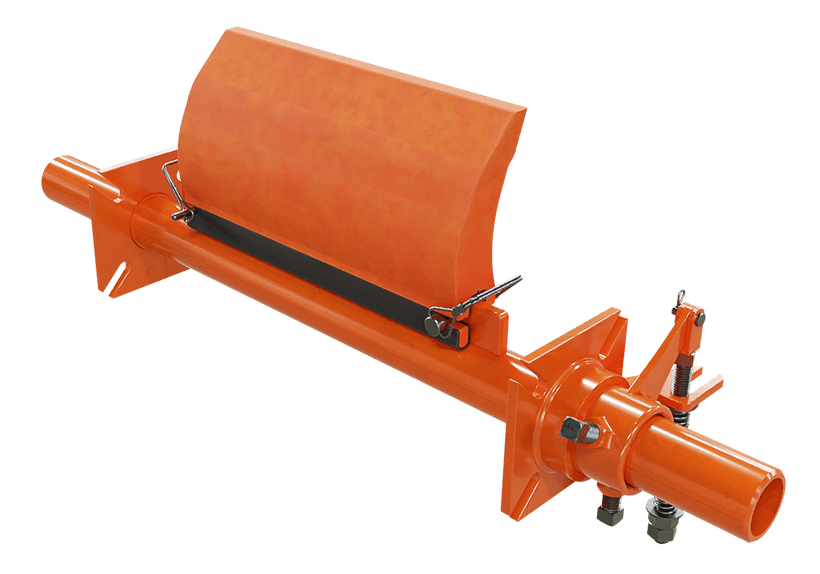
Remove debris and carryback from belts.
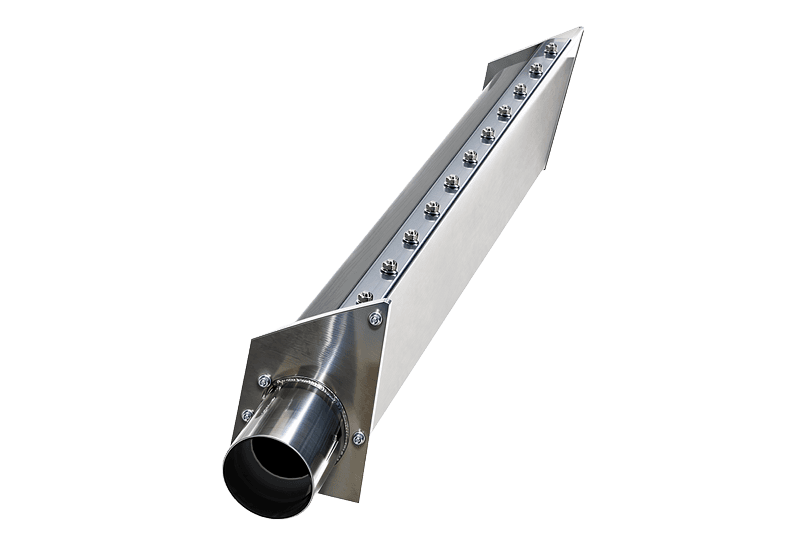
Clean products or the belt with high-pressure air.