









Installation
[Auto-populate 3 related pages.]

Copyright © 2026 Fluent Conveyors, LLC. All rights reserved.
The Fluent Conveyors logo is a registered trademark of Fluent Conveyors, LLC. Serial Number 97664258 Registered on Dec. 12, 2023


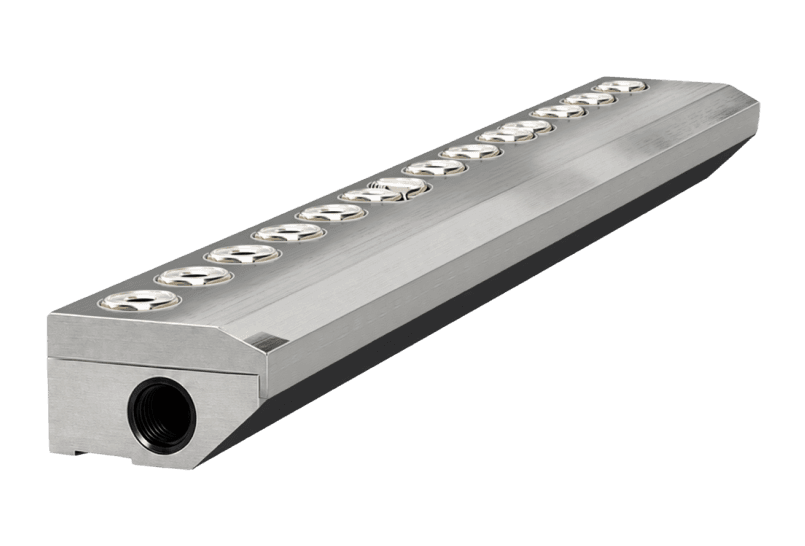
Fluent supplies blower-driven and compressed-air conveyor air knives for non-contact belt cleaning, blow-off, and drying. Units fit Fluent-built conveyors and retrofit to existing lines from other manufacturers. Coverage is available for belt widths from 12"–96", with aluminum and stainless-steel constructions including 304 and 316 options.
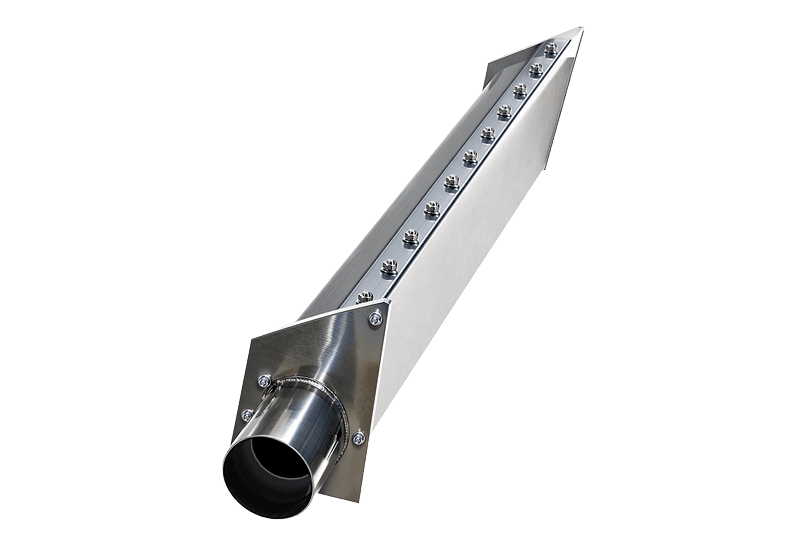
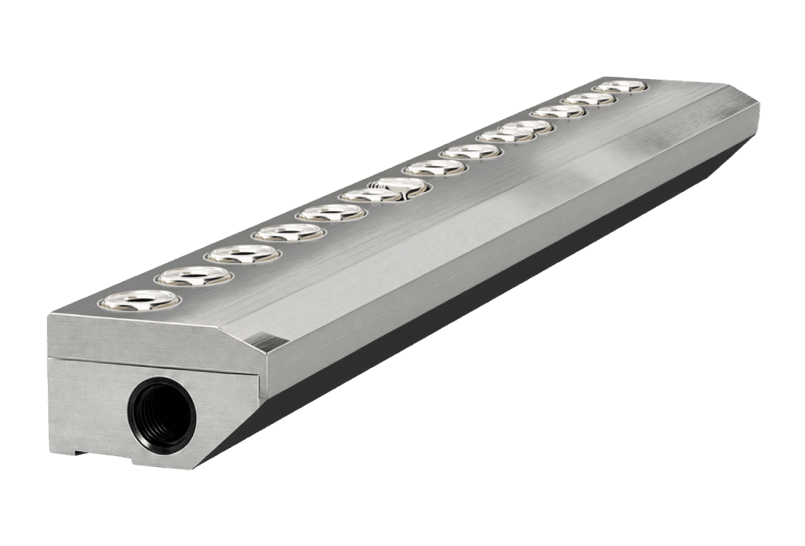
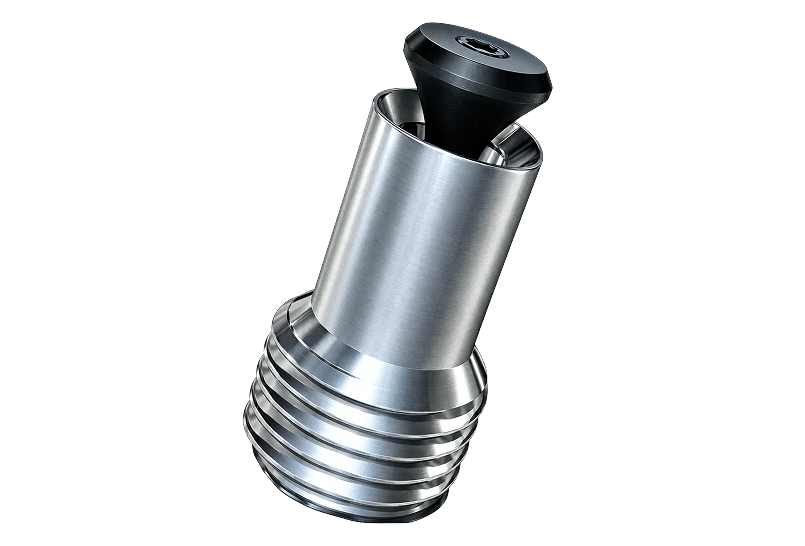
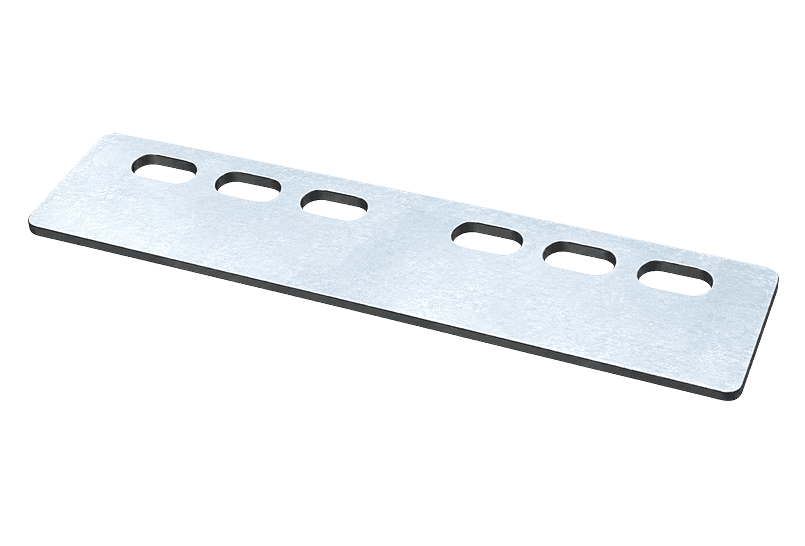

High-volume, low-pressure systems. A dedicated centrifugal or regenerative blower feeds a plenum that produces a continuous sheet of air. These systems suit wide belts, continuous duty, and plants without spare compressed-air capacity. Coverage can extend beyond 96" with longer or multiple air knives.
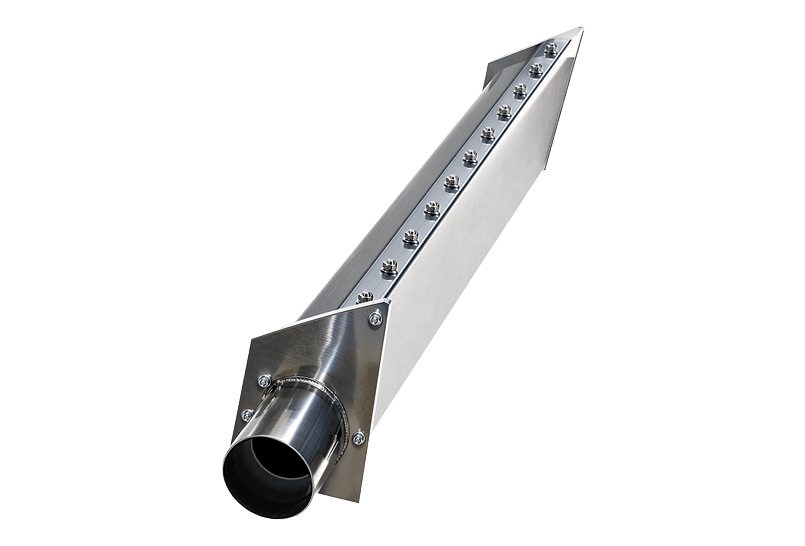
We supply complete air knife units and the support components needed to keep them operating.
An air knife uses a pressurized plenum and a continuous or engineered slot to produce a controlled sheet of high-velocity air across a belt or the product moving on it.
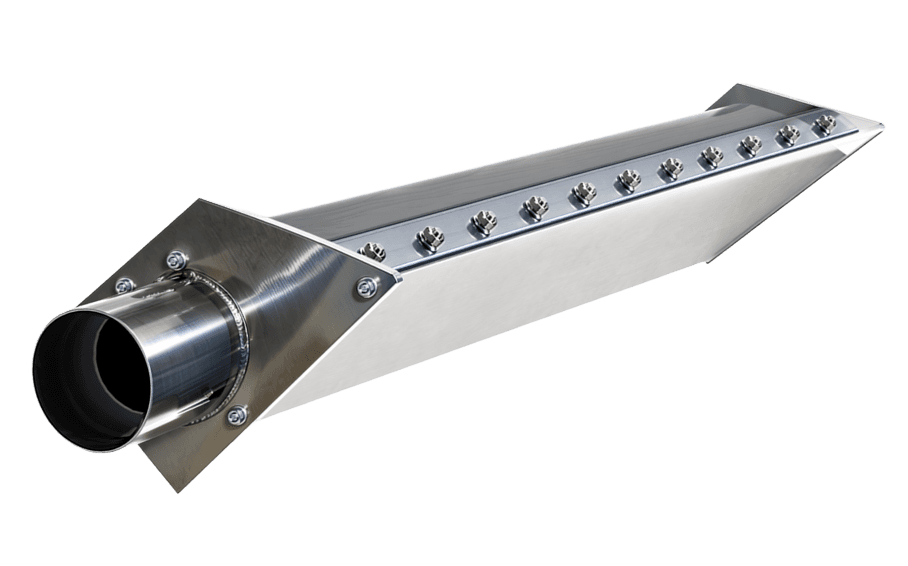
The ranges below represent commercial systems across multiple manufacturers. Exact performance depends on air source, discharge geometry, operating pressure, knife length, standoff distance, and application.
and cleaner belt operation.
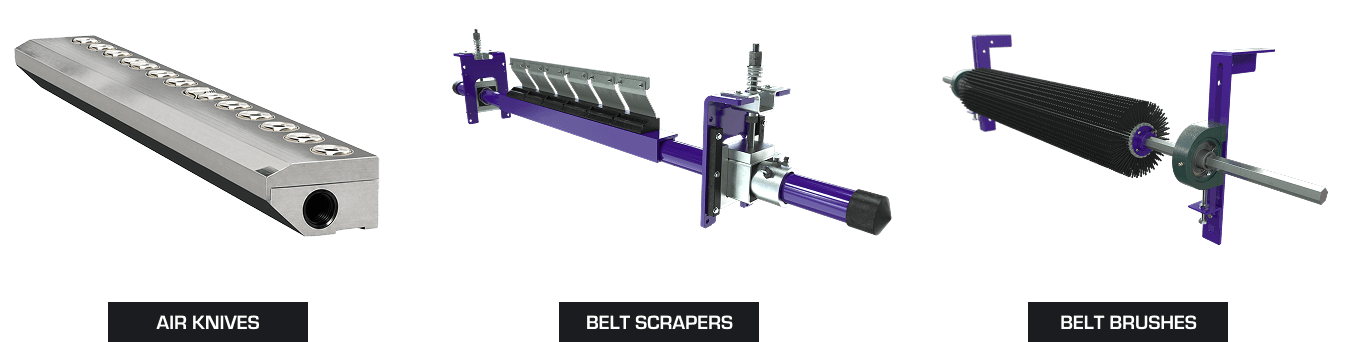
Air knives and belt scrapers serve different cleaning conditions. In most heavy bulk applications, a mechanical cleaner performs the primary cleaning. Conventional primary cleaners typically remove roughly 50–70% of initial carryback, while a primary and secondary system can exceed 90%. An air knife does not apply the same direct mechanical scraping force. On wet, sticky, high-tonnage material, using one as the sole primary cleaner is unlikely to match a properly selected mechanical cleaning system.
Air knives clean products or the belt without belt contact. Choose an air knife over a belt scraper when:
A worn or gouged cover prevents a scraper blade from seating evenly.
The belt has a chevron, cleated, or sidewall profile.
Chemically aggressive materials would degrade the scraper blade prematurely.
You require sanitary non-contact processes like food handling.


The knife sits beneath the return run downstream of the discharge pulley and is typically angled against belt travel, so removed material moves toward a controlled collection point. This is a common position for carryback removal. Clearance between the belt and the return idlers sets the available mounting envelope. If the belt flutters enough to change standoff distance, a stabilizing roller or other belt support can be added opposite the knife.
Mounting close to the head pulley keeps removed material close to the normal discharge and can simplify collection. The tradeoff is limited space. Chute walls, primary scraper hardware, and pulley guarding often compete for the same mounting envelope, and adjustment access may be poor. Measure clearance in both axes before selecting this position.
For drying and blow-off, the knife mounts above the carrying run and aims at the product. Opposed upper and lower knives reach both sides of products traveling on open surfaces such as wire mesh or perforated belting. Side knives can also remove water that a top-mounted knife pushes toward the edges without clearing.
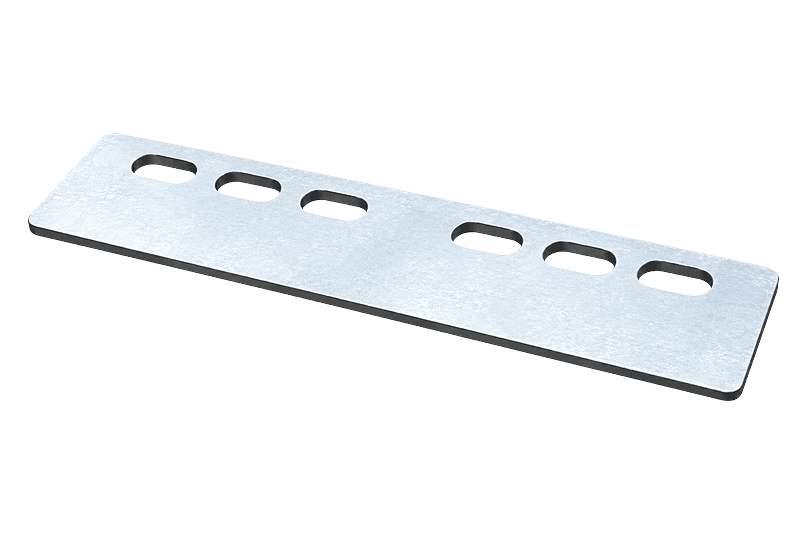
Retrofitting an air knife to an existing conveyor requires a mounting surface, a route for air or electrical service, and access for angle adjustment. Frame members may need a bolt-on mounting plate. On belts running mechanical splices, non-contact cleaning avoids the repeated blade deflection caused by raised fasteners.
An air knife moves material off the belt but does not contain it. Carryback blown from a return run can become airborne or fall to the floor unless the discharge zone is controlled. With fine dry material, an uncontained airstream can increase airborne dust around the conveyor. A hood or shroud around the cleaning zone, connected to the plant dust collection system where appropriate, should be considered part of the installation. Conveyor skirting at the collection point can help keep captured material contained until it returns to the material stream.
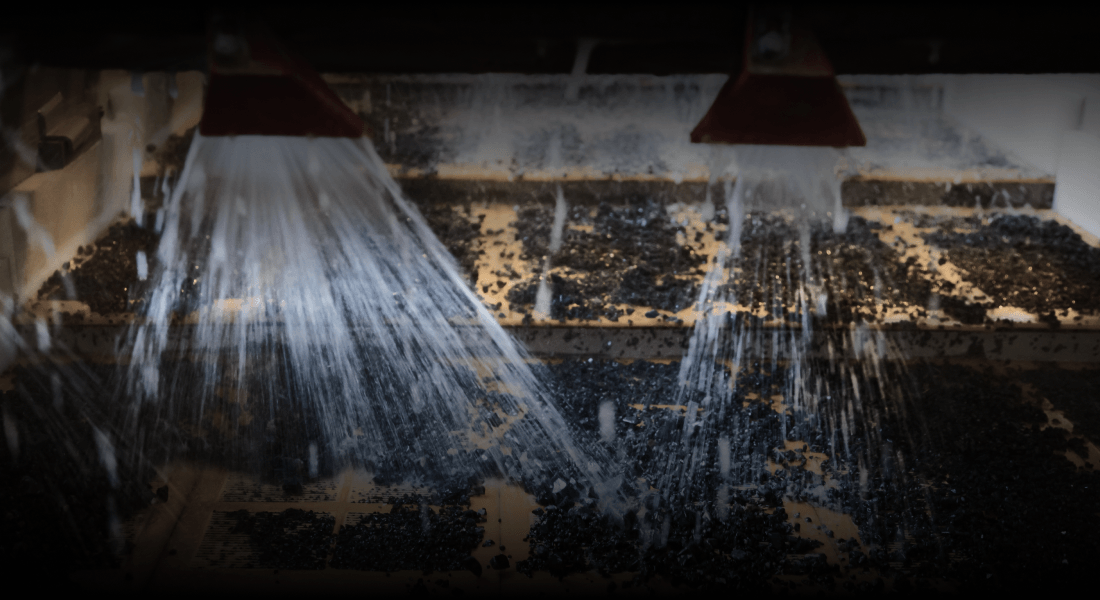
Wet blow-off requires similar containment with different hardware. A splash enclosure, drip tray, and drain connection handle the water and slurry removed during dewatering. When the knife sits near a transfer point, a collection chute can return material to the main stream ahead of the impact bed rather than dropping it beneath the conveyor. Enclosed installations also need enough airflow and ventilation capacity to handle the volume of air being introduced.
Air knives serve a narrow range of belt-cleaning applications. They are strongest on fine dry material, surface water, loose debris, and lines where continuous contact with the belt or product is undesirable. The applications below account for much of the conveyor air knife work we quote.
Air knife maintenance focuses on air quality, the discharge slot or nozzles, alignment, and the air source. Blower intakes, drive belts where used, duct joints, regulators, and compressed-air filtration should be included in routine inspections.
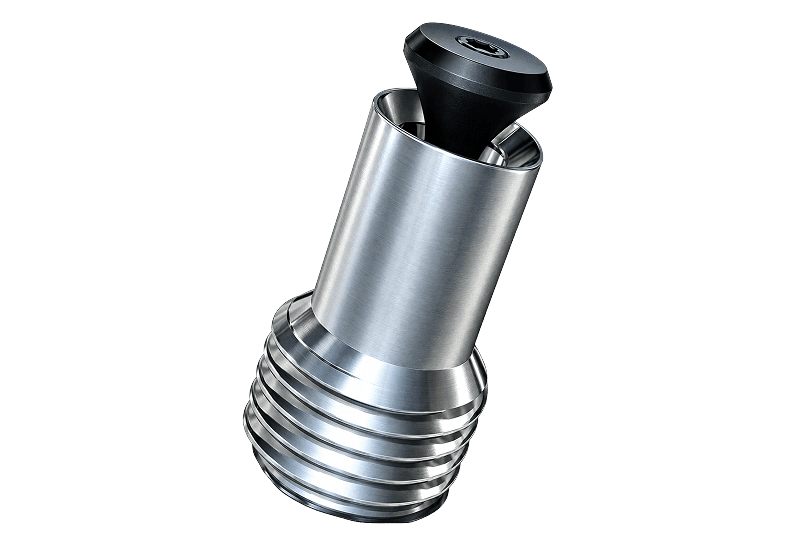
Air knives are the primary product we supply, while accessories keep the installed system operating correctly. Filters, separators, regulators, shim sets, mounting hardware, replacement blowers, ducting, and related components are available with the unit or as replacement parts. Specify the unit model and length when ordering support parts because shim thicknesses, inlet arrangements, and mounting dimensions vary between designs.
Provide the following when requesting a conveyor air knife quote:
Photographs of the head pulley, return run, and discharge area can help identify mounting constraints. CAD files of an existing conveyor can shorten the specification process further when available.

Fluent Conveyors builds custom conveyors for the world’s most demanding industries. Our team of engineers knows what works and specifies air knives for maximum performance in your operating environment.
Why order from Fluent:
Blower-driven and compressed-air air knives in aluminum, 304 stainless, and 316 stainless
Coverage for belt widths from 12 inches to 96 inches, with joined plenums for wider spans
Retrofit mounting for conveyors from any manufacturer, and factory integration on new Fluent builds
Selection support that accounts for contaminant type, belt condition, duty cycle, and available utilities
Stock air knife components ship in 1–3 business days, and configured blower packages run 2–5 weeks
Ready to work with the experts?
[Auto-populate 3 related pages.]
[Auto-populate 3 related pages.]
[Auto-populate 3 related pages.]
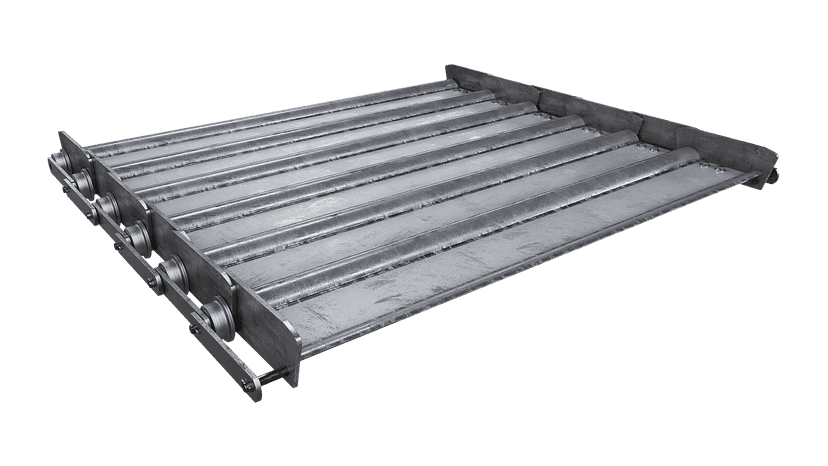
Transfer energy from motors to conveyor belts.
Belt protrusions that prevent material rollback.
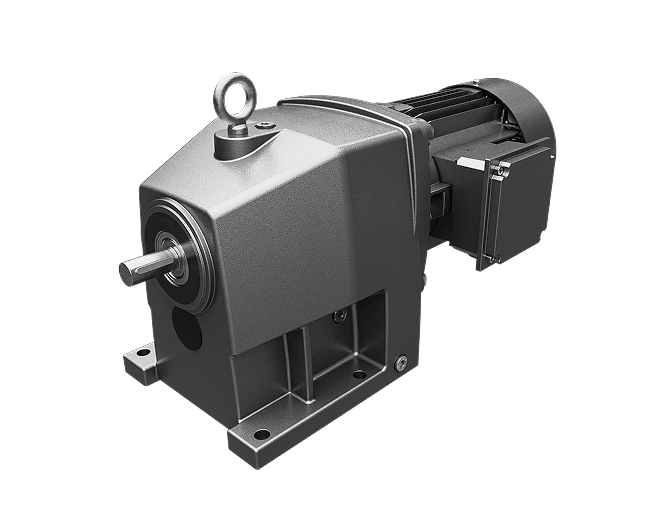
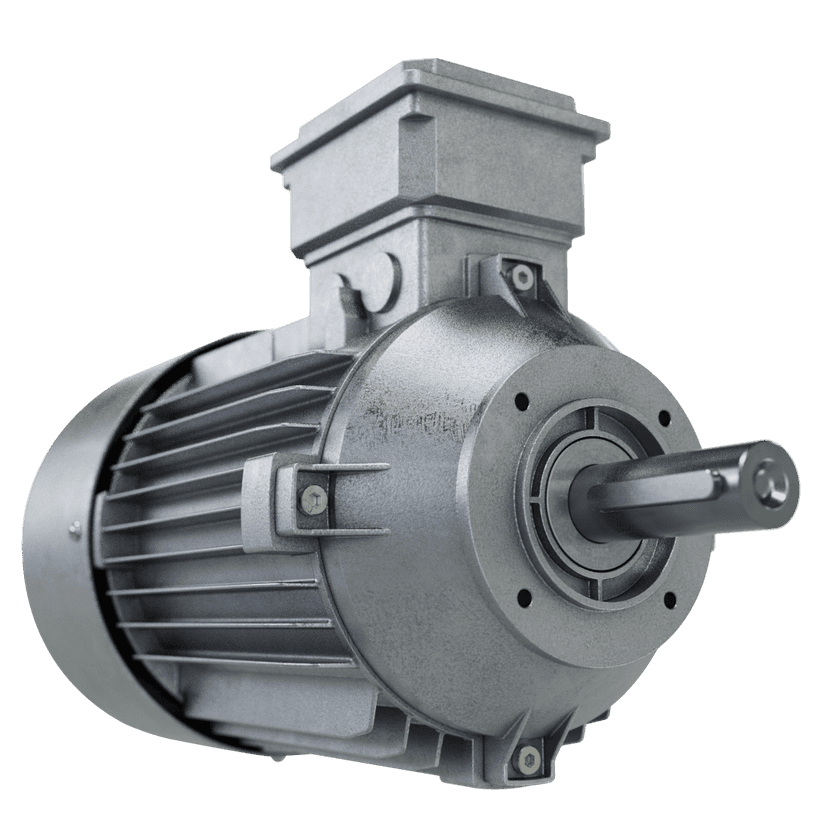
Power your conveyor systems with reliable motors.
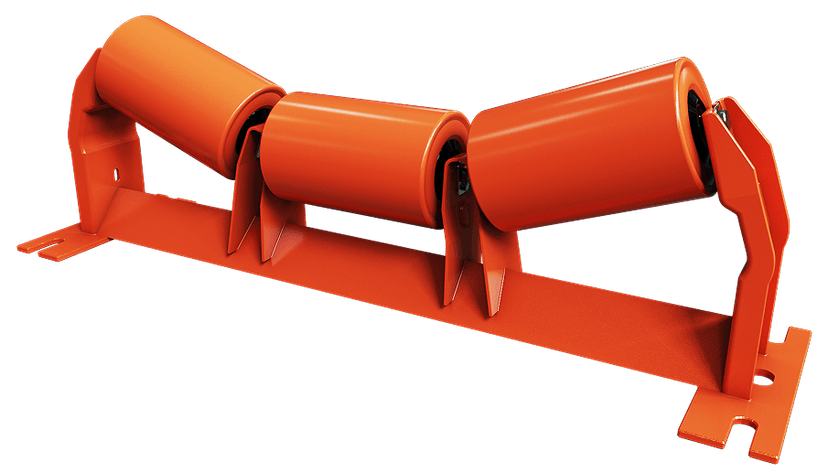
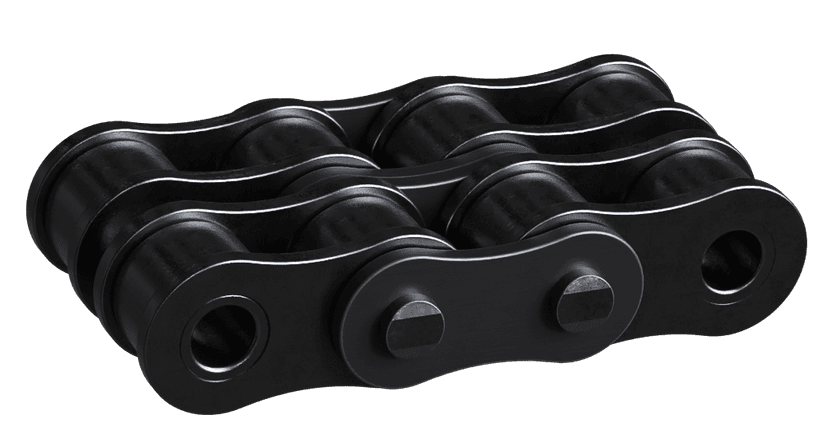
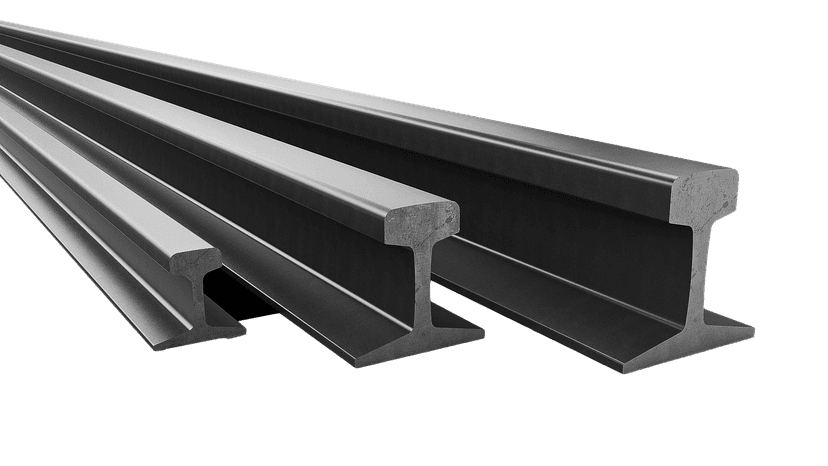
Heavy-duty rails for mobile equipment integration.
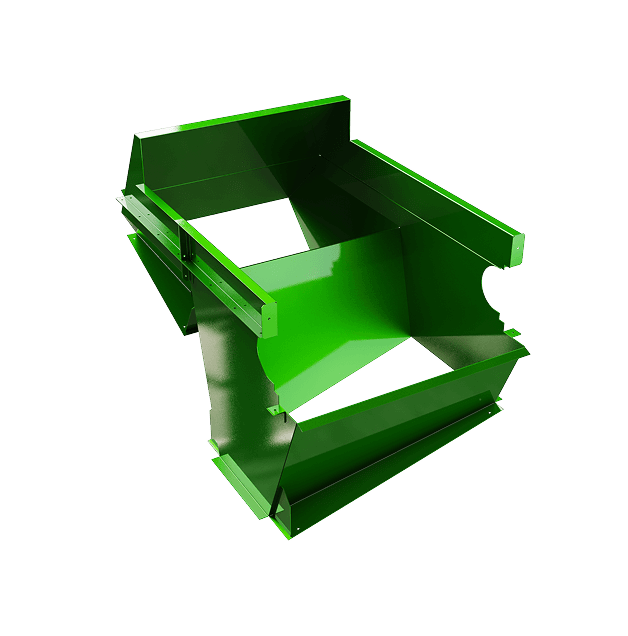
Chutes, shuttle carts, metering wheels, and more.
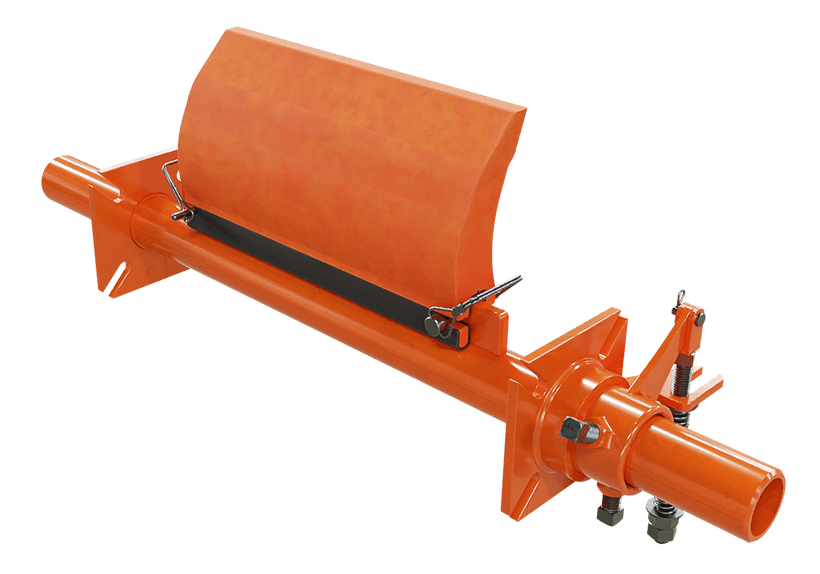
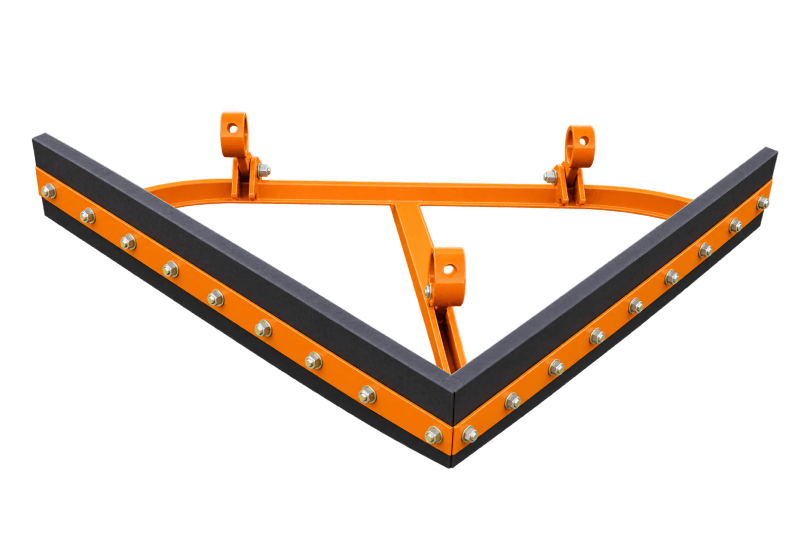
Clean the inside belt face on the return run.