







Copyright © 2026 Fluent Conveyors, LLC. All rights reserved.
The Fluent Conveyors logo is a registered trademark of Fluent Conveyors, LLC. Serial Number 97664258 Registered on Dec. 12, 2023


Copyright © 2026 Fluent Conveyors, LLC. All rights reserved.
The Fluent Conveyors logo is a registered trademark of Fluent Conveyors, LLC. Serial Number 97664258 Registered on Dec. 12, 2023
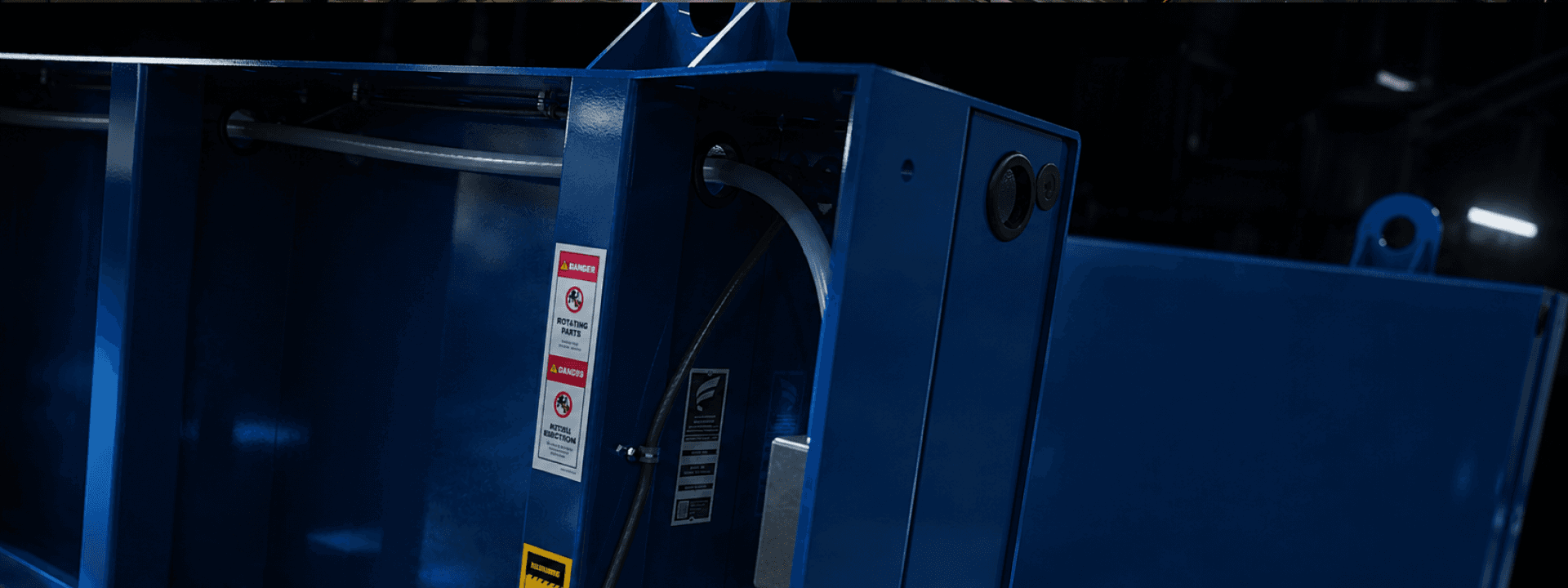
OSHA's sign and tag rule references a 1967 ANSI color code, with the ANSI Z535.1 color table added as an accepted alternative in 2013. ANSI Z535.4 is the current standard for on-product safety labels, although no federal rule directly adopts it. The labels on the conveyors Fluent builds conform to this standard.

Z535.4 governs the design, application, use, and placement of safety signs and labels attached to a product. These can include signs, labels, cord tags, and decals that communicate hazard information. NEMA develops the Z535 series as an ANSI-accredited standards developer.
Conveyors aren’t certified to Z535.4. The standard addresses label format, not overall machine safety, so a conforming label does not mean that guarding or other safety measures are adequate. Our standards and compliance hub distinguishes between standards, regulations, and third-party certifications.
Six related documents share the Z535 designation.
If a specification cites Z535.4 for a wall-mounted sign, it should cite Z535.2 instead. If it cites Z535.4 for warning text in a manual, Z535.6 applies. These are useful issues to catch during RFQ review. Warning content in our published owner's manuals follows Z535.6.
A conforming label includes a signal word panel and a message panel. It may also include a symbol panel when a pictorial communicates the hazard more clearly than words.
Z535.4 does not assign a specific signal word to each type of hazard. The choice depends on the severity of the possible outcome and the likelihood of exposure. The same nip point can therefore carry different signal words on two machines depending on guarding, access, and who works near it.
For that reason, we do not publish a hazard-to-signal-word lookup here. For hazards that recur across conveyor types, CEMA's safety label program has already established the appropriate label and placement. Our machines use CEMA labels wherever they match the condition.
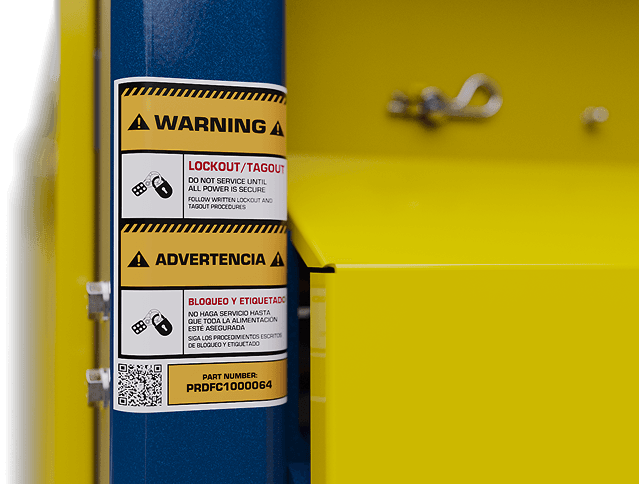
Labeling is addressed throughout the build.
Application and hazard review
Mechanical and controls engineering
Drawing and manufacturability review
Fabrication and assembly controls
Operational testing and QA records
The hazard review uses the same inputs that drive the rest of the machine design: material, bulk density, throughput, incline, operating environment, operator positions, and any EHS specification supplied with the RFQ. Guarding and stop-device decisions come first. Labels address hazards that remain afterward. Every custom conveyor goes through this review before drawings are released.
Label locations appear on the drawings you approve, so the warning set can be reviewed before the design is confirmed. The labels are installed during assembly along with guards and emergency stop devices.
Before shipment, our inspection checks label presence, location, and readability along with the mechanical and electrical checks described on our conveyor quality assurance page.
Z535.4 requires a label to remain legible for the expected life of the product, so the label stock needs to match the operating environment. CEMA supplies regular-duty stock for interior service and severe-duty stock for outdoor and harsh conditions. A radial stacker operating outdoors year-round gets severe-duty labels. A sorting line inside a building generally does not need them.
Label size is also a practical constraint: 5 x 2.5 inches horizontal, 3 x 2.5 inches vertical, with a 5 x 1.5 inch option. With limited space available, conveyor label wording has to stay concise. Several smaller labels located near individual hazards can also be easier to read than one large label covering multiple hazards.
Labels become unreadable for predictable reasons, including abrasion from carryback at transfers, UV exposure, solvents, high-pressure washdown, dust buildup, and paint overspray during a rebuild. Once a warning can no longer be read, it is no longer legal. CEMA assigns replacement of unreadable labels to the equipment user. Adding a label check to the intervals in our maintenance guides helps catch deterioration early.
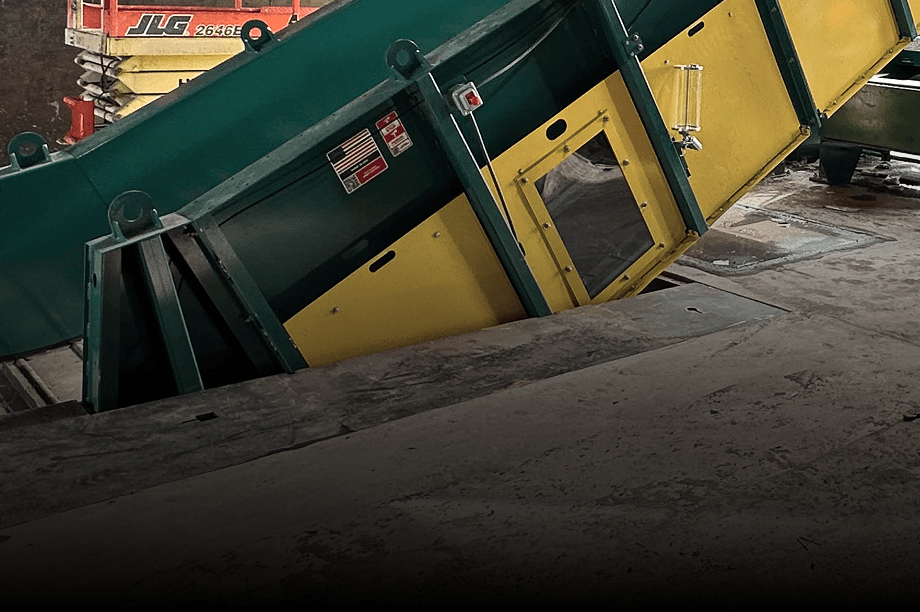
B20.1 establishes when conveyor hazards require guarding, while Z535.4 governs the warnings used for hazards that remain exposed because of the equipment's function. The standards work together but address different parts of conveyor safety. Our ANSI and ASME conveyor standards page maps the documents that apply to a powered conveyor.
CEMA compliance adds conveyor-specific guidance to the label format, including which label belongs on a given equipment type and where it should be placed.
For guarding requirements and practical guidance on meeting them, start with our conveyor safety guides.
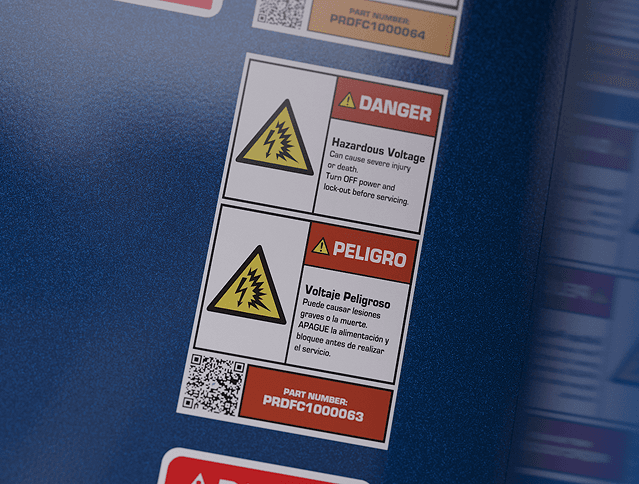

Labeling requirements are included in the quote. Send your conveyor type, operating environment, washdown or outdoor exposure, operator positions, language requirements, and any internal EHS labeling specification. Our engineering team can then identify any changes needed for the build.