








Copyright © 2026 Fluent Conveyors, LLC. All rights reserved.
The Fluent Conveyors logo is a registered trademark of Fluent Conveyors, LLC. Serial Number 97664258 Registered on Dec. 12, 2023


Copyright © 2026 Fluent Conveyors, LLC. All rights reserved.
The Fluent Conveyors logo is a registered trademark of Fluent Conveyors, LLC. Serial Number 97664258 Registered on Dec. 12, 2023
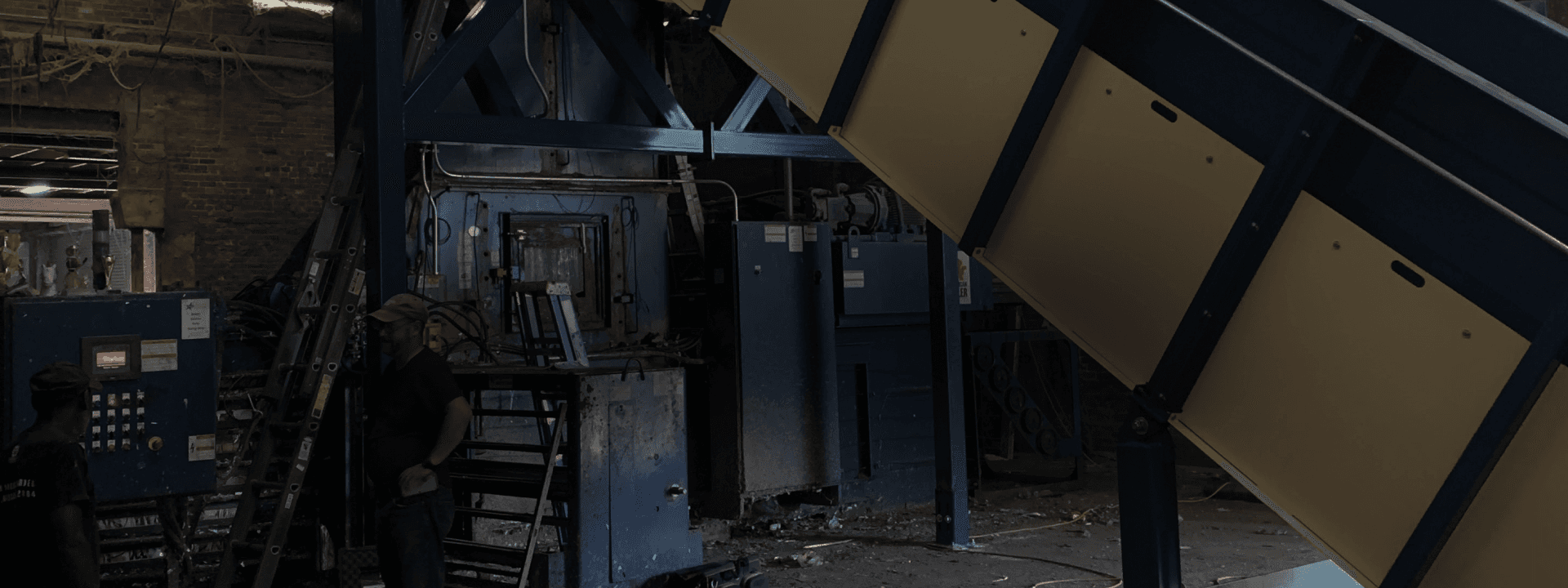
CEMA's installation standard sets tolerances for structural and mechanical erection and excludes manufacturing quality, so a conveyor that passes every factory check can still fail acceptance after installation. Learn which conveyors are covered, how the standard applies to Fluent, and what your obligations are as an equipment buyer.

The document is titled Conveyor Installation Standards for Belt Conveyors Handling Bulk Materials, and it also appears as Appendix D of Belt Conveyors for Bulk Materials, 7th edition. It runs 16 pages, carries no ANSI designation and no CEMA number, and was prepared by CEMA's Bulk Conveyor Installation Standards Committee. Our engineering team maintains a current copy.
Its subject is minimum acceptable tolerances for the structural and mechanical erection of a belt conveyor, plus suggestions for exceeding them. Manufacturing quality falls outside its scope, which leaves quality to agreement between the manufacturer and the buyer.
Coverage is divided into four areas.
Structural alignment: stringer geometry held parallel, straight, square, and level
Rotating element alignment: drum pulley, shaft, and bearing positions relative to the structure
Drive mounting: reducer and motor base tolerances, plus coupling alignment measured angularly, in parallel, and axially
Carrying run and containment: idler alignment, belt alignment through empty and loaded run-in, skirtboard adjustment, and idler lubrication
A bid document may expect requirements this standard does not contain. It sets no guarding requirements, defines no electrical practice, issues no conformity mark, and replaces no part of a facility safety program. Our standards hub explores all relevant standards and authorities that govern a conveyor build.
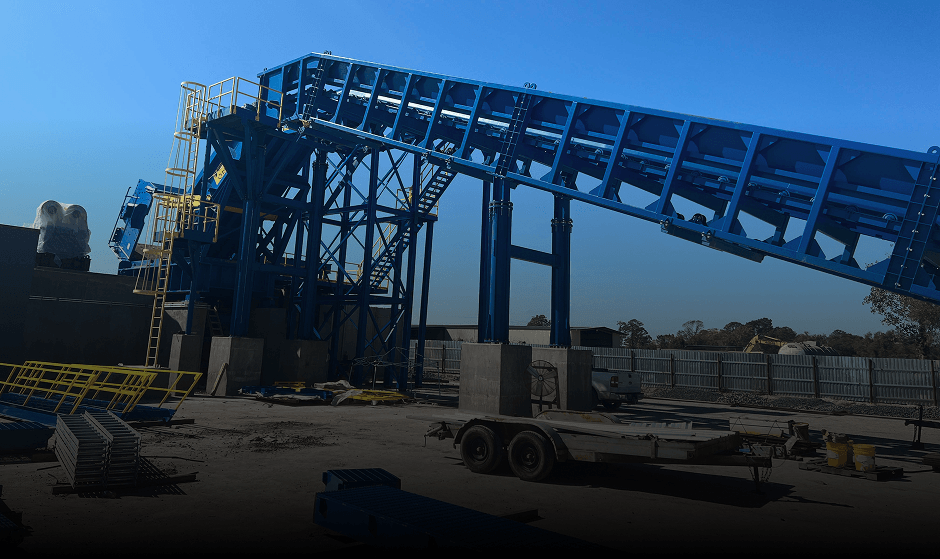
This document governs belt conveyors handling bulk materials, which covers most of what we build.
A specification citing this document against a hinged steel belt conveyor names requirements that don’t fully fit the equipment. Sprocket-driven machines carry the belt on rail rather than idlers and turn a sprocket shaft rather than a drum pulley. Frame, drive base, and coupling requirements still apply, and we quote to them.
Each conveyor is assembled and run for more than 10 hours before it ships. We verify speed, tracking, alignment, noise, safety stops, and electrical function, and we retain the records. Our quality assurance process covers the full sequence.
Factory checks confirm the machine matches the drawing. Five further items can only be verified once the conveyor is in its final position.
Support placement, grade, and anchorage at final position
Frame straightness, squareness, and level once the sections are joined
Reducer and motor base shimming or grouting on the actual base
Coupling alignment after the drive is mounted in place
Empty run-in, then loaded run-in, with belt tracking observed through both
A frame erected out of square changes idler geometry along the run; the belt steers toward one edge and edge wear and spillage follow. Learn more about belt alignment.
We cover procedure, torque values, and assembly sequence in our installation guides.
Facility-side planning, including clearances, receiving, and access, is covered in how to install a conveyor in a warehouse.
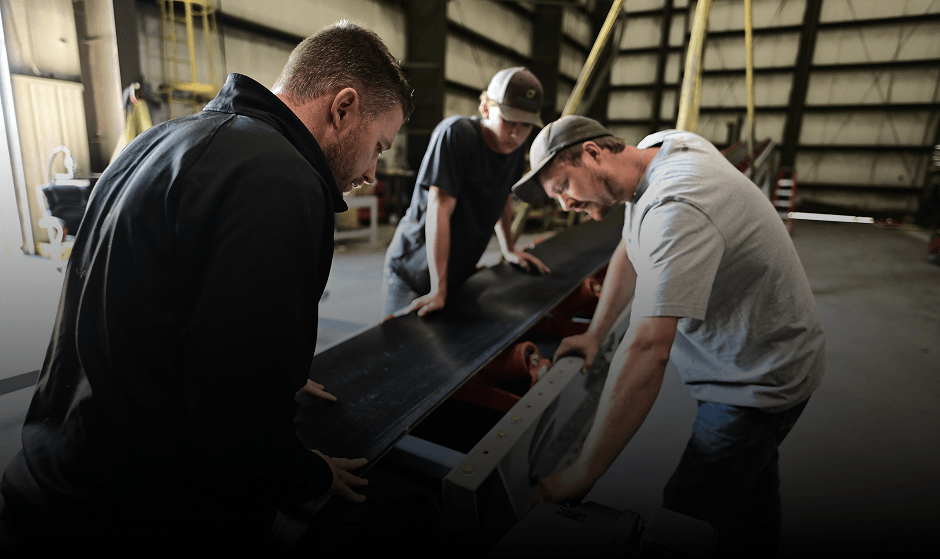
The standard places requirements on whoever erects the machine.
Installation can be arranged through a regional dealer partner. The partner performing the work is responsible for installation conformity, documents what was adjusted, and leaves that record with the conveyor.
Scope boundaries also define the limits of our obligation. Running a conveyor outside its rated capacity or with guarding removed voids warranty coverage.
The current printing is dated 2020. That date reflects the second printing of the Belt Book, so a specification naming the 2014 issue is not naming superseded content. Older printings exist as Appendix D of the 6th edition. CEMA sells the document as an encrypted single-user PDF. The tolerance figures are copyrighted, so this page only covers scope and applicability.
Name the document and add "or current edition at time of order" so the citation remains accurate throughout the procurement cycle. See the RFQ writing guide for clause wording that stays valid from bid through release.
Terminology determines how precisely a contractor can price the erection scope. ANSI/CEMA 102 defines the component names this standard is written in, so a specification using current terms leaves a contractor less to interpret.
Every document governing a conveyor is mapped on our standards and compliance overview.

Send your conveyor type, site drawings, support conditions, and the party performing the erection. Our engineers will identify which installation requirements apply and what the acceptance checks should confirm. Our completed projects show comparable equipment in place.