




Copyright © 2026 Fluent Conveyors, LLC. All rights reserved.

The Fluent Conveyors logo is a registered trademark of Fluent Conveyors, LLC. Serial Number 97664258 Registered on Dec. 12, 2023


Copyright © 2026 Fluent Conveyors, LLC. All rights reserved.
The Fluent Conveyors logo is a registered trademark of Fluent Conveyors, LLC. Serial Number 97664258 Registered on Dec. 12, 2023
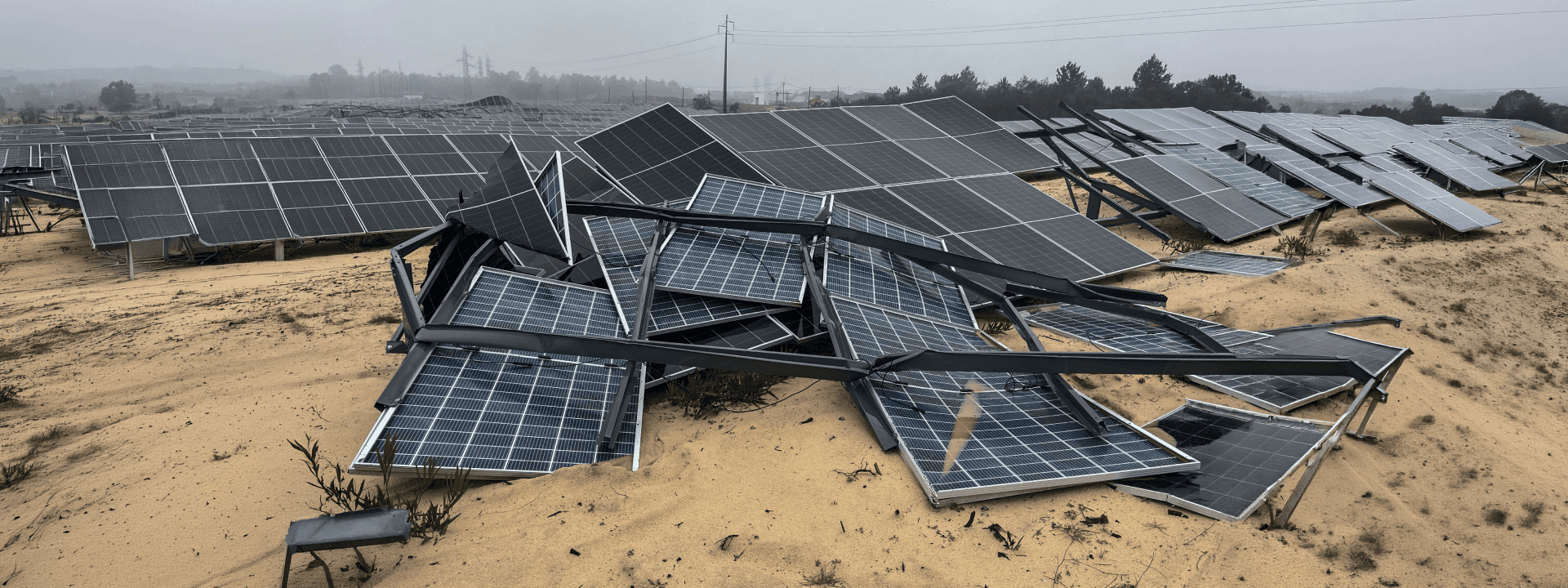
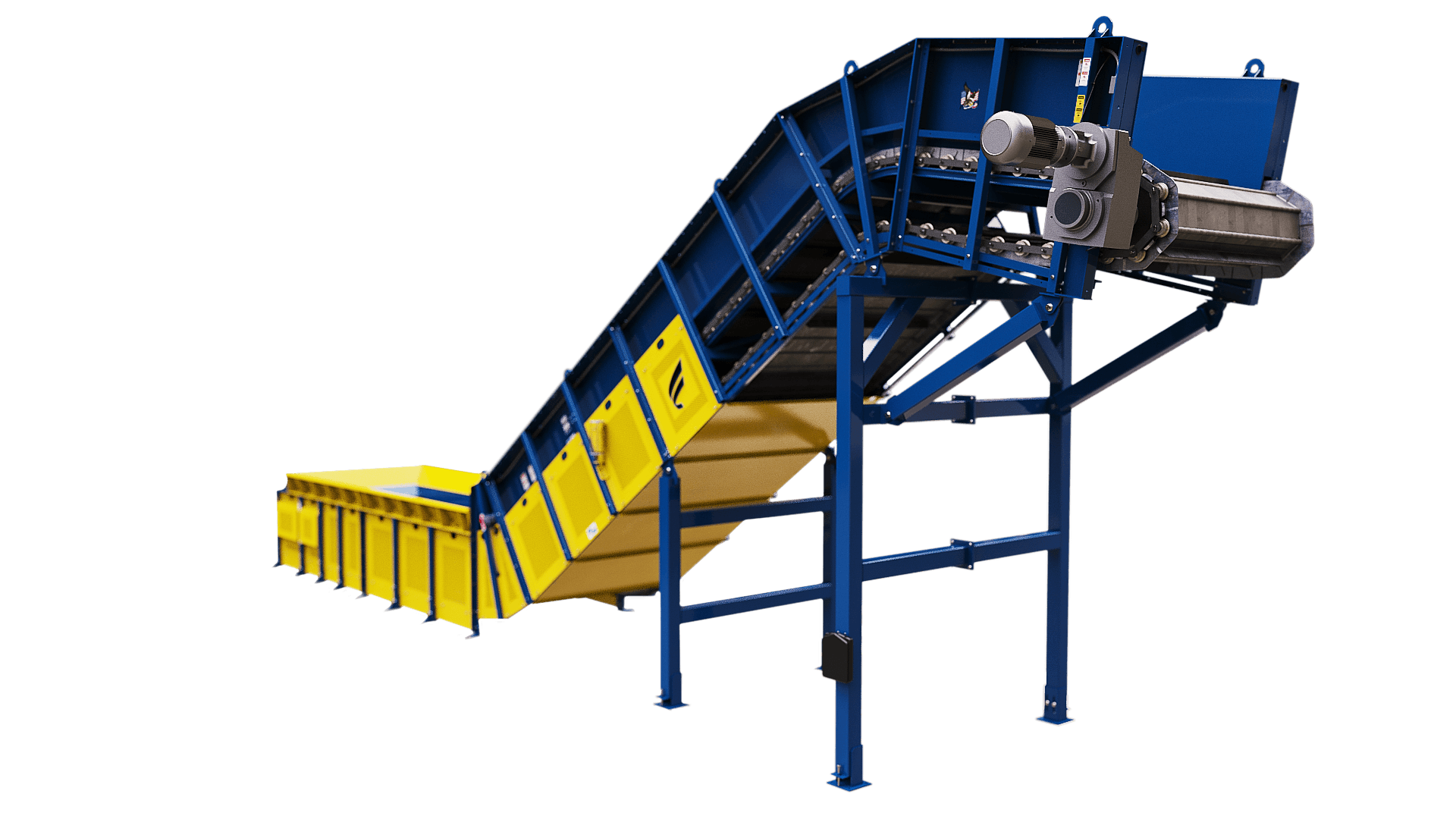
The best conveyors for recycling solar panels change as the module moves from an intact product to sharp fragments and fine powder. Flat idler and slider bed conveyors carry intact modules on full-width support through inspection and dismantling, and roller chain conveyors with steel or rubber combo belts take glass shards, frames, and shredder feed.

Fluent designs and manufactures conveyors and conveyor systems for solar-panel recycling lines, made in the USA and built to drop into your plant layout.
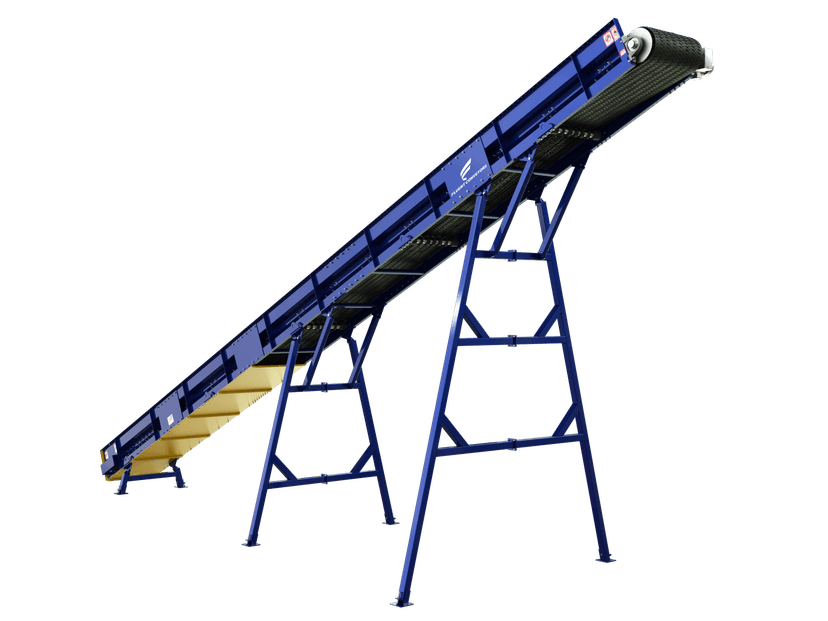
Idler-supported conveyors that carry intact modules on full-width belt support through receiving, inspection, and dismantling, and present an even layer for separation.
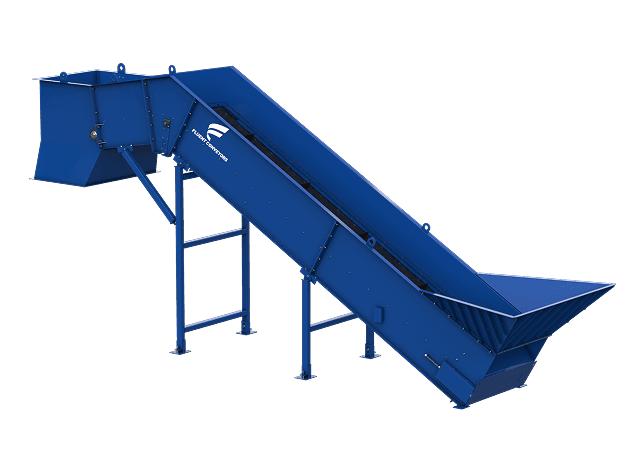
Pulley-driven conveyors with a solid bed for gentle, stable support of intact modules and short transfers between stations.
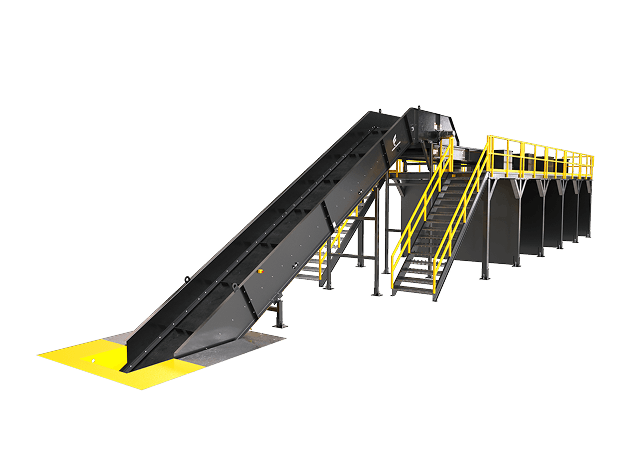
Worker-staffed conveyors for inspection, module-type triage, and manual removal of junction boxes, frames, and damaged modules.
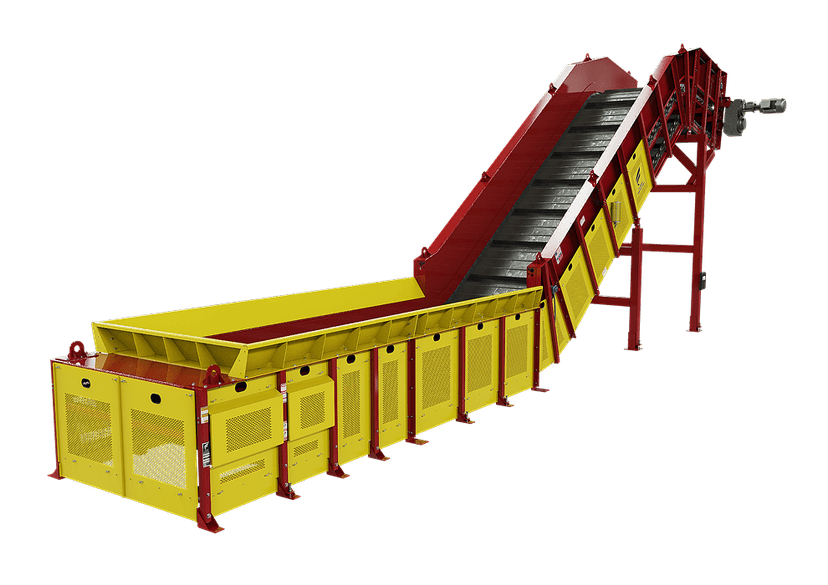
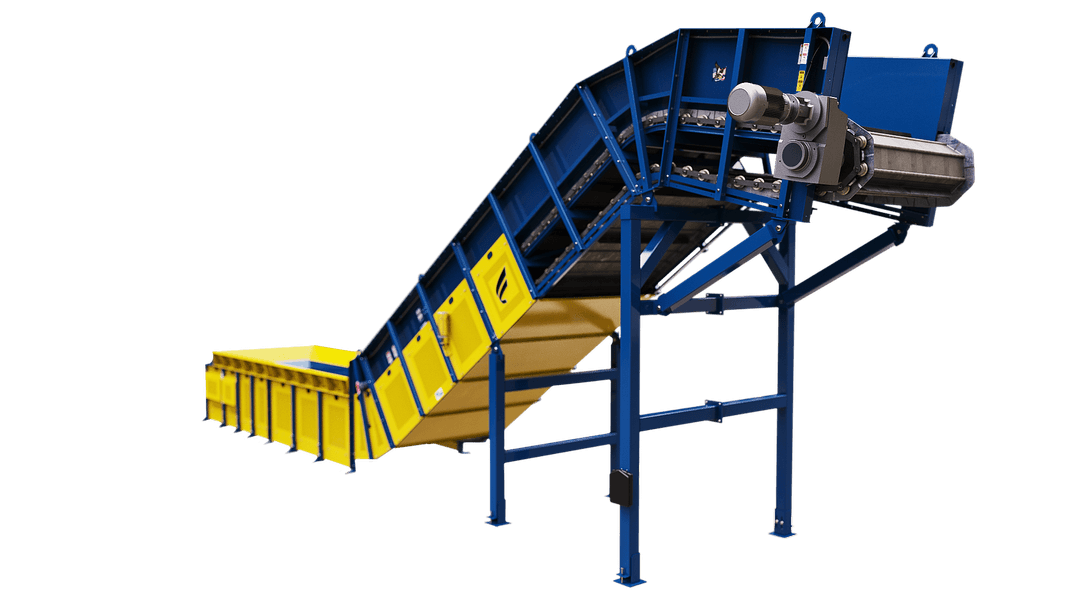
High-torque steel-belt conveyors for shredder feed, glass shards, aluminum frames, and hot furnace discharge.
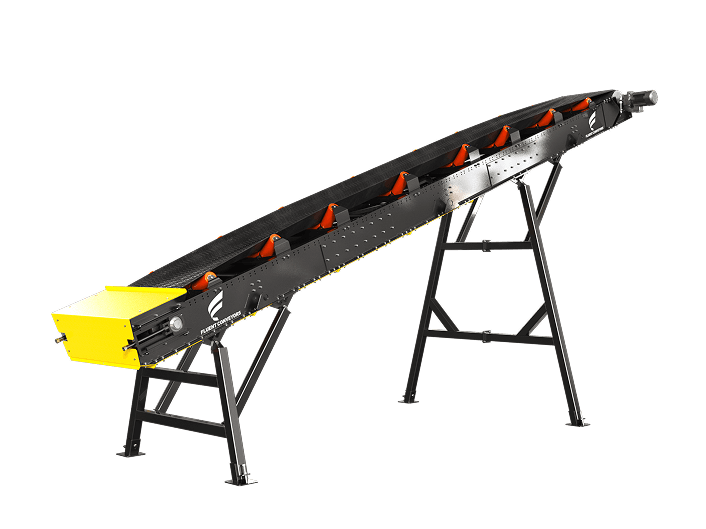
Troughed-belt conveyors for bulk transport of crushed modules, glass fragments, and mixed fractions.
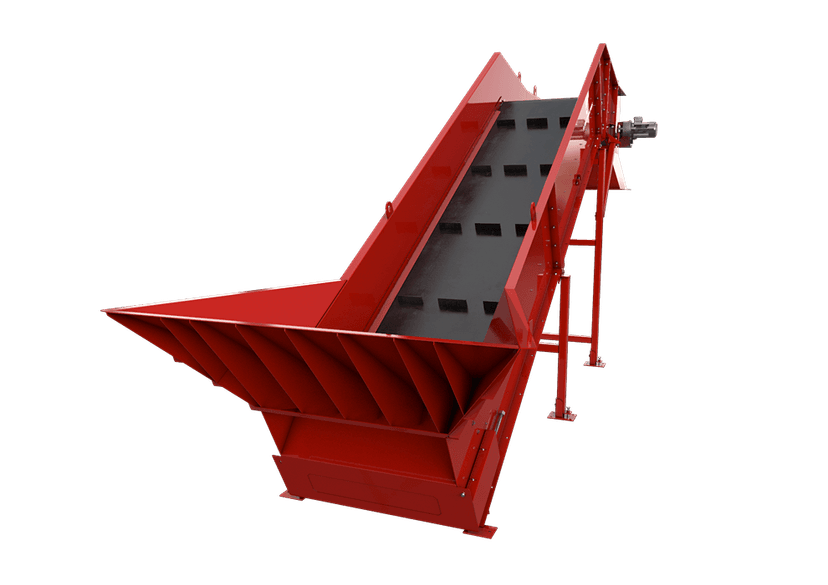
Raised-cleat belts that carry broken glass and laminate fragments up inclines without rollback.
A solar-panel recycling operation takes intact and damaged photovoltaic modules and recovers glass, aluminum, silicon, copper, silver, and polymers. Glass is about three-quarters of a module's weight, and the material changes state from an intact, fragile composite to sharp fragments and fine powder as it moves down the line. Module technologies also differ, and crystalline-silicon, CdTe, and CIGS modules follow distinct recovery routes.
Fluent builds the belt and roller chain conveyors that move panels and fragments through receiving, inspection, dismantling, delamination or shredder feed, and fragment transport.
If your line moves modules through a dismantling station, laminate into a shredder or furnace, or glass fragments through separation, contact us.
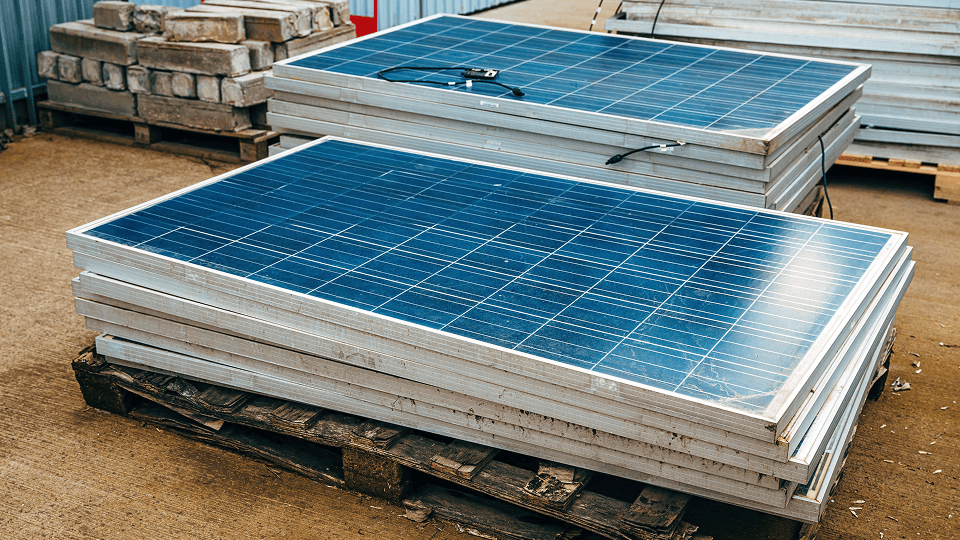
A solar-panel recycling plant is a sequence of equipment and material. Each conveyor is chosen for the material it carries and where it sits in the process.
Five factors set the specification:
Below, we map conveyor types to their place in a solar-panel recycling line, explain why gentle handling and drop height preserve glass value, and detail the conveyor belt and construction choices that hold up to sharp, dusty, and sometimes hot material.

Material moves from receiving and inspection, through dismantling, delamination or shredding, and fragment transport, to screening, separation, and recovered-fraction output. Let's look at the conveyors a typical plant might utilize at each point.

Intact modules arrive for inspection and sorting. Flat idler and slider bed conveyors carry the panels on full-width support at a controlled speed so they do not sag or crack, and a recycling sort station gives workers the space to inspect each module, route it by technology and condition, and pull damaged panels before processing. This is one of two stages that set the value of the recovered glass.
Intact modules move through dismantling stations where aluminum frames and junction boxes come off. Slider bed and flat idler conveyors hold the module stable and positioned for manual or robotic removal, and roller chain conveyors carry the removed frames and boxes to their own collection.
Modules or cut laminate are fed into thermal delamination or a shredder. Roller chain conveyors with steel or heat-resistant belts meter intact and pre-cut laminate in at a controlled rate, since a steady feed keeps the process synchronized and limits uncontrolled breakage.
Where the line uses thermal delamination, modules pass through a furnace and the hot glass, cells, and copper discharge onto a conveyor. Steel-belt roller chain conveyors and heat-resistant belts carry the hot material away and give it time to cool before screening.
Crushed modules and glass fragments move to separation. Trough idler conveyors carry the bulk fractions over long distances, cleated belt conveyors lift fragments up inclines, and abrasion- and cut-resistant belts take the sharp glass, with low-drop transfers limiting extra breakage and dust.
Fragments move to screening and to magnetic, eddy-current, optical, and electrostatic separation. Flat idler conveyors present the material as a thin, even layer so each stage reaches every piece, and low-drop, easy-clean belts carry the clean glass output without adding breakage or contamination.
Aluminum frames, copper and silver-bearing fractions, and polymer residue move to their own collection, and fine glass and silicon powder move on through the enclosed conveying that granular fractions require.
The same low-drop, even-layer conveyors run the cullet and optical-sorting stages in glass recycling, where clean glass output depends on the same gentle handling.
Recovered glass accounts for most of a solar panel's value by weight. Four system design factors control glass value and recovery:
A variable-frequency drive holds the gentle speed that protects intact modules and the steady speed that separation depends on, under a varying load.
The belt and construction are matched to the panel condition and the recovered fraction at each stage. Fluent specifies the carrying surface to the material and stocks the conveyor belts for recycling solar panels to match.
Routine inspection and maintenance catch these early. Learn what causes wear and tear on a conveyor belt.
Solar-panel recycling conveyors carry the hazards of moving belts, pinch points at pulleys and sprockets, exposed drives, and falling material, alongside hazards specific to solar: sharp broken glass, glass and silicon dust, hot material at thermal delamination, and the lead-, cadmium-, or selenium-bearing dust that some modules produce.
Guarding, emergency stops, and pull cords are standard; covered construction and dust extraction limit exposure, and lockout/tagout access must be engineered for the cleanout that glass and dust require.
Every conveyor in a recycling operation should exceed the safety standards put forth by the relevant authority. See how to reduce conveyor hazards for the details.
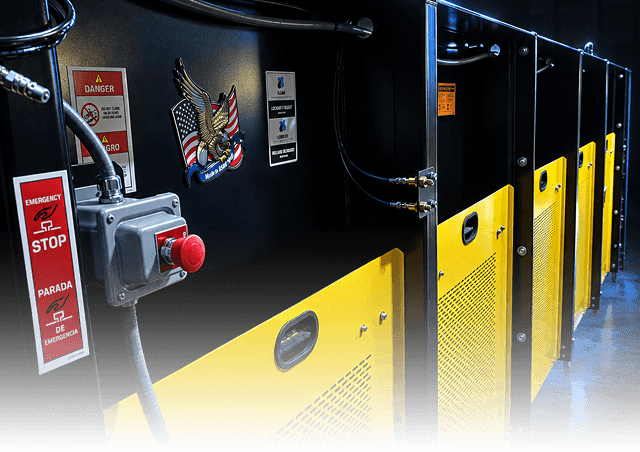

Fluent designs and builds custom conveyors and conveyor systems for solar-panel recycling lines.
Contact us to talk through your line, or send the module technologies, the share of broken panels, target capacity, and run dimensions, and our engineering team will scope a system to fit your plant and the rest of your solar-panel recycling line.