









Copyright © 2026 Fluent Conveyors, LLC. All rights reserved.

The Fluent Conveyors logo is a registered trademark of Fluent Conveyors, LLC. Serial Number 97664258 Registered on Dec. 12, 2023


Copyright © 2026 Fluent Conveyors, LLC. All rights reserved.
The Fluent Conveyors logo is a registered trademark of Fluent Conveyors, LLC. Serial Number 97664258 Registered on Dec. 12, 2023
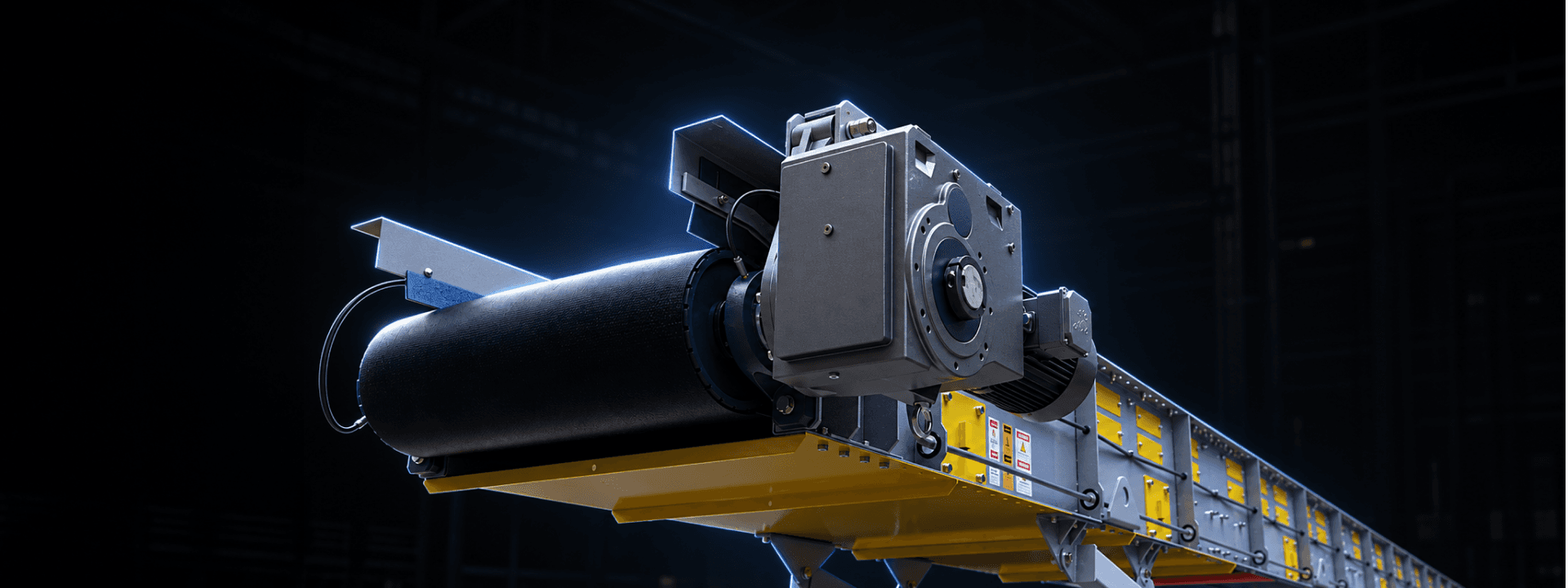
A neoprene conveyor belt uses covers made of polychloroprene (CR), a synthetic rubber, bonded to a fabric carcass. Neoprene resists sunlight, ozone, light oils, and flame spread better than standard rubber. Heavy oil, fuel, and sustained high heat generally require another compound. Below, we’ll explore neoprene belt use cases, when not to use neoprene, and what to specify when ordering a replacement neoprene belt.

Neoprene began as a trade name and became the common name for polychloroprene, also known as chloroprene rubber (CR). The chlorine in its polymer structure contributes to its resistance to weathering, ozone, and flame spread. On most neoprene conveyor belts, the rubber forms the top and bottom covers. A fabric carcass, made with polyester-nylon plies or solid woven fabric, carries the tension.
The construction varies with the application. Light flat belts may have thin neoprene covers or neoprene-impregnated fabric. Heavy-duty belts use multiple fabric plies beneath thicker covers. Available surfaces include smooth top, rough top, and cleated belts for inclined conveying.
A quote that specifies "neoprene" identifies only the base polymer. Manufacturers add fillers, plasticizers, and flame retardants, producing compounds with different hardness, oil swell, and flame performance. Request the compound datasheet to see how a particular belt performs, just as you would check cover grades on standard rubber belting.
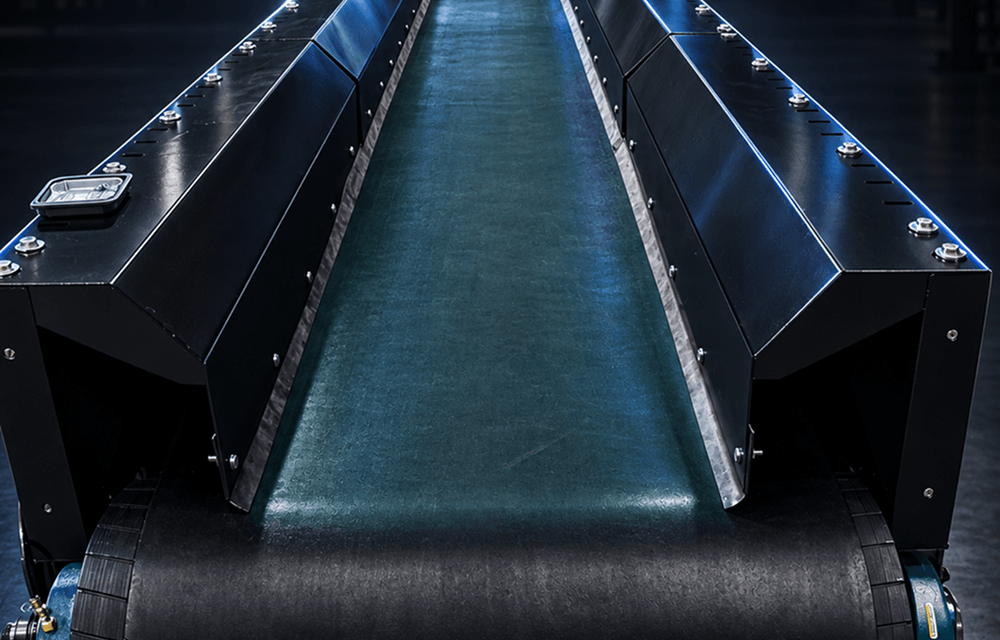
Neoprene is useful when weather, light oil, or fire requirements affect belt selection. Applications include:
Neoprene’s suitability depends on the severity of environmental hazards and the formulation of the finished compound.
In a 2021 study, a neoprene compound showed no cracks after 72 hours of cyclic stretching in ozone. A nitrile compound cracked within 24 hours, while the first cracks in the neoprene sample appeared at the 144-hour check. These tests involved rubber samples, not finished conveyor belts, but they illustrate how ozone resistance affects performance: ozone cracking begins at the cover surface.
Prolonged cold presents a different problem, because neoprene can slowly crystallize and stiffen. In Denka's lab tests, a general-purpose sample compressed for 72 hours at 32°F (0°C) lost nearly all its ability to spring back. Because the crystallization reverses as the rubber warms, bring a cold belt indoors before installation or splicing. Follow our belt storage recommendations between changeouts.
Neoprene generally resists oil better than SBR or natural rubber, but nitrile performs better with many petroleum oils. The type of oil makes a substantial difference. In Denka's 2021 study, rubber samples were soaked for 72 hours, with oils heated to 266°F (130°C) and fuels to 104°F (40°C):
A 52% increase in volume can soften a cover and reduce its strength. A neoprene belt in steady contact with hydraulic fluid or heavy lubricating oil may wear prematurely. Nitrile is generally a better choice for that service, although neither tested compound performed well in fuel. See our guide to oil-resistant belts for other options.
Neoprene also retained more tensile strength than nitrile after hot-oil exposure because the nitrile compound degraded above 248°F (120°C). Provide the fluid's safety data sheet and operating temperature when requesting a quote so the compound suits the actual chemical exposure.

The chlorine in neoprene makes it harder to ignite and slows burning compared with standard rubber. In 1967 Bureau of Mines gallery tests, neoprene-covered belts required more heat to ignite than PVC or rubber belts. At an airflow of 200 ft/min, flame spread along neoprene-covered belting at 2.1 ft/min, versus 7.6 ft/min for the same construction with rubber covers.
However, every belt tested still ignited and carried flame. The report also documented mine fires involving neoprene and PVC belts previously classified as fire resistant.
A 2007 NIOSH tunnel study found similar limits. Its flame-resistant neoprene sample, a 0.35-inch (9 mm) solid woven belt, released the least heat per gram of any belt tested. With a 14 kW burner, the flame went out when the burner was switched off, although the belt smoldered heavily and charred about 15 inches along the top. At 21 kW, flame spread across the full sample at roughly 9 inches per minute and consumed most of the belt.

Federal regulations require every conveyor belt used in an underground coal mine to have MSHA approval under Part 14. According to NIOSH's test summary, the Part 14 procedure exposes three belt samples, each about 60 by 9 inches, to a 21 kW burner for 5 minutes with airflow at 200 ft/min. Every trial must leave an undamaged section across the full belt width.
That 21 kW output also caused NIOSH's neoprene sample to burn its full length in a similar tunnel. A neoprene cover alone, therefore, does not establish compliance. Our guide to fire-resistant belts explores other constructions.
MSHA approval applies to a particular belt construction. Under Part 14, a belt counts as similar to an approved belt only when the cover compound, carcass construction, and fabric type match. The marking rules require the MSHA number in characters at least 1/2 inch high, repeated across the belt width and at intervals no greater than 60 feet. Check the marking on underground replacement belts and request the approval documents, which we provide for every flame-resistant belt we source.
Lithium-ion batteries have added to the fire risk at recycling facilities. The EPA linked more than 240 fires at 64 waste and recycling sites, including MRFs, to lithium-ion batteries between 2013 and 2020. Flame-resistant neoprene can reduce flame spread along a conveyor belt, but fire detection and suppression are still needed to control a fire. See our guide to conveyor belts for combustible materials for additional choices.
Neoprene is useful when several moderate exposures occur together. If one hazard dominates, another rubber may offer better protection.
These comparisons describe broad compound families, not every formulation. Check the finished compound's datasheet during selection. Our guide to rubber types used in conveyor belts provides more detail.
Include the following eight items when requesting a replacement:
Before ordering, request a compound datasheet listing Shore A hardness, tensile strength, elongation at break, abrasion loss under ISO 4649, volume swell in the relevant fluid, and the rated temperature range.
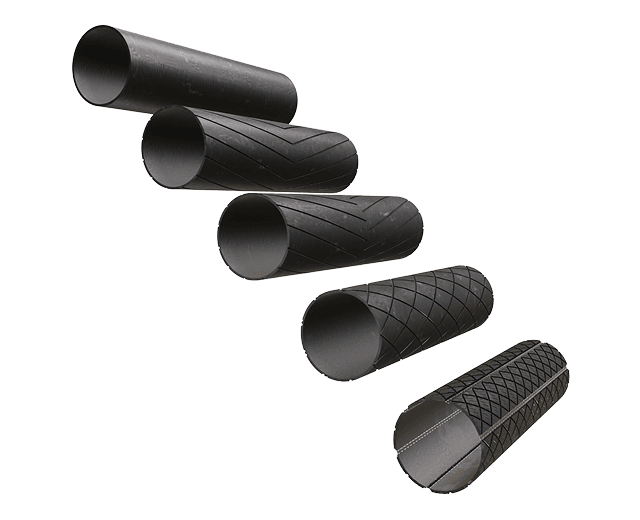
Neoprene also appears in other conveyor and drive components. Pulley lagging is a rubber or ceramic layer bonded to a pulley to improve traction, and neoprene is one available lagging material. The lagging helps the pulley drive the belt; it doesn't carry the conveyed material.
Neoprene is also used in timing belts and V-belts for power transmission. Those belts transfer motor power between pulleys and have different specifications from material-handling conveyor belts.

Tell us about the oils, fuels, temperatures, weather exposure, and fire requirements on your line. We'll recommend neoprene or another suitable compound, match the belt construction, and provide the supplier's datasheet and any applicable MSHA approval documents.
