




Installation
[Auto-populate 3 related pages.]

Copyright © 2026 Fluent Conveyors, LLC. All rights reserved.

The Fluent Conveyors logo is a registered trademark of Fluent Conveyors, LLC. Serial Number 97664258 Registered on Dec. 12, 2023


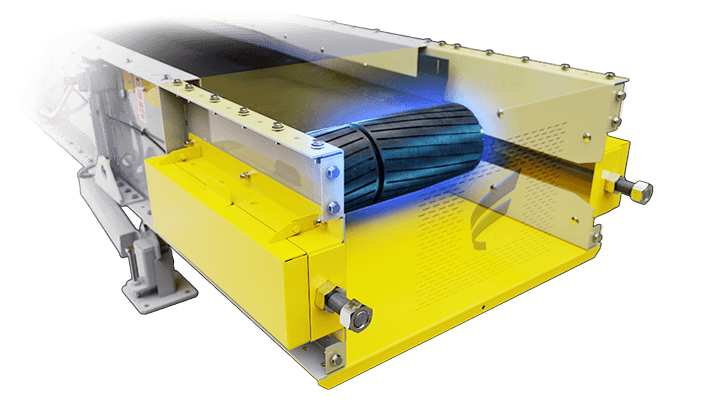
Fluent supplies lagging for belt conveyor pulleys. Compatible with Fluent systems and general replacement. Rubber and ceramic compounds in multiple groove patterns. Hot vulcanized and field-replaceable installation methods for drive and non-drive positions.

Fluent supplies complete pulley assemblies with lagging pre-installed and configured to your specifications. Select lagging pattern, compound, thickness, bushing type, and shaft dimensions in a single order.
conveyor pulley performance.
Engineered compounds for reliable pulley grip and longer service life.
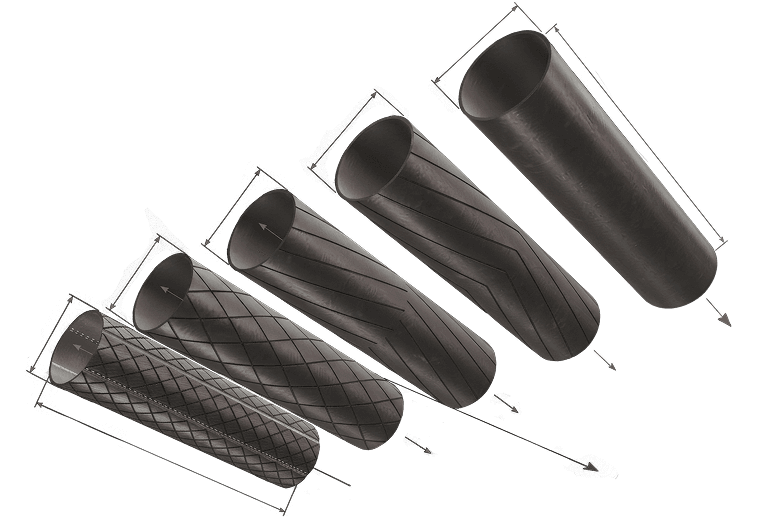
Explore groove patterns designed for traction, drainage, and wear resistance.

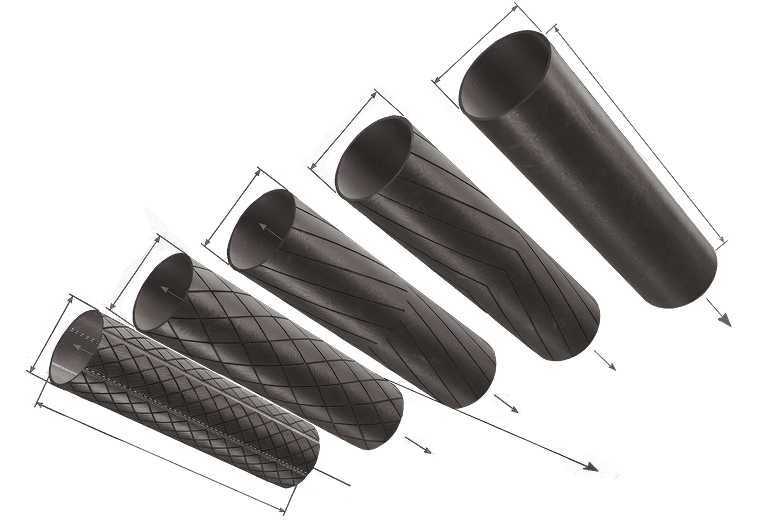
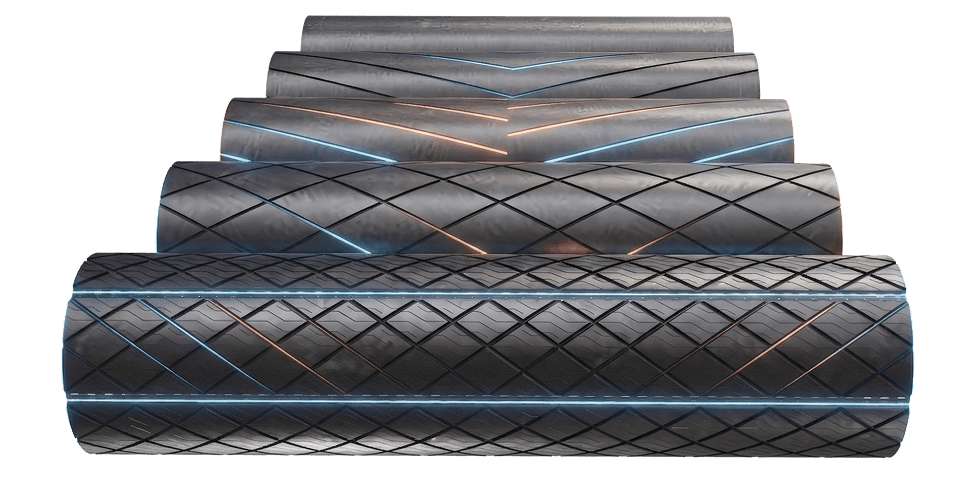
Flat surface with no grooves. Minimal belt wear and simple installation.
Applications: Dry, clean environments with adequate traction, non-drive pulleys, including snub, bend, and tail positions
V-shaped grooves where points do not meet in the center. Creates continuous channels for water and debris removal. Grooves point in the direction of rotation for optimal material shedding.
Applications: Drive pulleys in wet conditions, abrasive debris in waste handling operations, outdoor conveyors
V-shaped grooves where points meet in the center. Similar functionality to herringbone with slightly different water flow characteristics. Provides directional moisture management.
Applications: Drive pulleys requiring water shedding, outdoor conveyors, material recovery facilities processing wet materials
Symmetrical pattern with V-grooves forming diamond shapes. Functions as a double herringbone or double chevron. Provides bidirectional traction identical in both rotation directions.
Applications: Reversing conveyors requiring symmetrical grip, universal spare pulleys, shuttle conveyors with bidirectional capability
Grooves run perpendicular to the belt travel direction. Allows lagging to deflect and prevent material buildup. Extends the temperature range of lagging in cold environments.
Applications: Non-drive pulleys in wet applications or cold temperatures, outdoor conveyors in freezing climates, cold storage facilities

Lagging is applied to the pulley and cured under heat and pressure. Creates a molecular bond between rubber and steel surface for maximum adhesion. Most durable installation method with the longest service life.
Requires pulley removal and shipment to the lagging facility or shop installation. A factory-controlled process guarantees proper surface preparation, lagging application, and curing cycle. Standard for new pulleys and complete refurbishment projects.
Best for applications requiring maximum longevity, high-wear positions like drive pulleys in abrasive service, and installations where performance cannot be compromised.
Pre-cured rubber is attached to the pulley shell using engineered adhesive systems. Field installation capability reduces logistics and allows onsite repairs. Faster turnaround than hot vulcanization.
Surface preparation determines bond quality. Requires meticulous grinding, cleaning, and priming procedures. Proper cure time must be allowed before returning the pulley to service.
Best for onsite repair situations, emergency replacements, and certain replacement contexts where pulley removal creates logistical challenges.
Vulcanized rubber bonded to rigid steel backing plates, formed to a specific pulley diameter. Retainer systems (welded or bolted to pulley rim) secure pads in place. Some designs allow direct attachment without retainers.
Best for limited-access installations where pulley removal requires extensive disassembly, applications where space constraints prevent extraction, and operations where maintenance windows demand rapid lagging replacement.
Material abrasiveness affects wear rates. Ceramic and urethane outlast standard rubber in operations handling demolition debris, crushed aggregate, scrap metal, and abrasive recycled materials.
Moisture exposure impacts compound selection. Neoprene and ceramic handle wet conditions better than SBR for outdoor conveyors, wash plant operations, and facilities processing wet waste.
Select lagging based on your application and performance needs.
Dry, clean, non-abrasive materials:
Lagging type: Smooth rubber
Compound: SBR (cost-effective), durometer 60
Position: Drive and non-drive (reduce thickness to 1/4"–3/8" for non-drive positions)
Rationale: No moisture or debris to manage. Traction requirements are minimal in clean, dry conditions
Wet conditions, outdoor exposure:
Lagging type: Grooved rubber (herringbone or chevron patterns)
Compound: Neoprene (weather resistance) or urethane (cold performance)
Position: Drive pulleys primarily; circumferential groove for non-drive positions
Rationale: Grooves channel water away from belt-pulley interface to maintain traction when moisture would cause slippage on smooth lagging
Extremely wet, muddy, clay-laden:
Lagging type: Ceramic with grooved pattern
Coverage: 15%, 38% or 80% tile coverage based on severity
Position: Drive pulleys in challenging traction applications
Rationale: Ceramic provides 2× friction coefficient. Handles moisture and contamination better than rubber. Common in waste management operations, material recovery facilities processing wet streams, and outdoor installations with persistent moisture
Abrasive materials (aggregate, recycling, demolition debris, scrap metal):
Lagging type: Urethane or ceramic
Compound: Urethane durometer 80–90 or ceramic composite
Position: Drive pulleys and high-wear non-drive positions
Rationale: Maximum abrasion resistance extends service intervals. Handles environments where standard rubber experiences accelerated wear
High belt tensions (1500+ PIW):
Lagging type: Ceramic lagging
Thickness: 5/8" and 3/4" up to 1500 PIW; 1" for tensions above 1500 PIW
Position: Drive pulleys specifically
Rationale: Ceramic handles high compression loads and provides superior traction for heavy-tension applications. Required for heavy-duty conveyors, high-capacity systems, and installations with significant belt loads.
Reversing conveyors:
Lagging type: Diamond groove pattern
Compound: Match to operating environment (SBR for dry; neoprene/urethane for wet)
Position: Drive pulleys that operate bidirectionally
Rationale: Symmetrical traction in both rotation directions. Eliminates the need for direction-specific lagging. Suitable for material reclaim operations, shuttle conveyors, and systems with bidirectional capability
High-angle incline conveyors, marginal belt wrap:
Lagging type: Ceramic lagging
Position: Drive pulleys with steep inclines or limited wrap angle (<180°)
Rationale: Maximum traction prevents slippage on inclines where gravity increases tension requirements. Can eliminate the need for snub pulley addition to increase wrap angle
Cold temperatures, outdoor installations:
Lagging type: Urethane compounds
Durometer: 80–90 (maintains flexibility in cold)
Position: All positions exposed to freezing temperatures
Rationale: Less water absorption than rubber compounds. Maintains performance in cold environments. Suitable for northern climates, outdoor aggregate operations, and refrigerated facilities
Providing complete specifications ensures accurate quotes and reduces back-and-forth communication.

Fluent Conveyors designs and builds custom conveyors for recycling, waste management, aggregate, and other demanding industries. We supply the same lagging we install on our conveyors every day. Our engineers can match the right compound, pattern, and installation method to your operating conditions.
Whether you’re adding lagging to a Fluent conveyor or another OEM system, contact us and enjoy working with the conveyor experts.
[Auto-populate 3 related pages.]