




Copyright © 2026 Fluent Conveyors, LLC. All rights reserved.
The Fluent Conveyors logo is a registered trademark of Fluent Conveyors, LLC. Serial Number 97664258 Registered on Dec. 12, 2023


Copyright © 2026 Fluent Conveyors, LLC. All rights reserved.
The Fluent Conveyors logo is a registered trademark of Fluent Conveyors, LLC. Serial Number 97664258 Registered on Dec. 12, 2023
OSHA requires certain electrical equipment used in workplaces to be tested and certified by a nationally recognized testing laboratory. Three TÜV entities hold that recognition, and their scopes include UL 508A, the standard for industrial control panels. For equipment evaluated to the same standard, a recognized TÜV mark can satisfy the same NRTL requirement as a UL mark.

Three terms often get blurred together on bid sheets, but they mean different things.
A consensus standard is written by a standards organization and adopted voluntarily unless incorporated into law or contract.
A regulation carries legal authority.
A certification is an independent finding that a specific item meets a named standard.
Our standards overview explains how these categories relate.
TÜV is also not a single company. That distinction matters when writing a purchase specification. "TÜV approved" names a family of organizations, not a verifiable certification. A useful requirement identifies the TÜV entity, the mark, and the applicable standard.
TÜV organizations perform product safety testing worldwide. Two routes commonly bring them into a project with a US conveyor manufacturer.
OSHA's Nationally Recognized Testing Laboratory program is the first. OSHA requires third-party testing for specified categories of workplace equipment and recognizes each laboratory for a defined list of test standards. TÜV Rheinland of North America, TÜV SÜD America, and TÜV SÜD Product Services GmbH are recognized NRTLs. OSHA lists them without the umlaut as TUV. Our OSHA compliance page explains how NRTL requirements affect employers and equipment.
The second is export. Conveyors shipped into the European Union must comply with applicable CE-marking requirements. Regulation (EU) 2023/1230 replaces Machinery Directive 2006/42/EC beginning January 20, 2027. Several TÜV organizations serve as notified bodies for machinery conformity assessment.
For buyers exporting a custom conveyor, TÜV may enter the project through either customer requirements or the applicable conformity-assessment process.
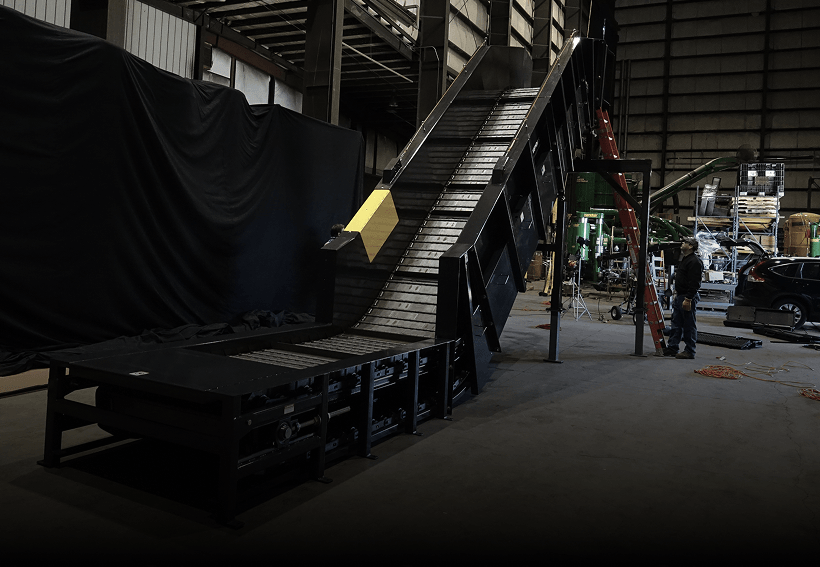
Certification applies to a defined item evaluated against a named standard. The following TÜV activities can affect equipment we build or specify.
Management system certification describes how a company operates. It does not establish that a particular conveyor or control panel has been tested or certified.
UL 508A is the standard. UL and recognized TÜV entities are among the laboratories that can certify equipment against it. Which laboratory a project uses is generally a procurement or specification decision rather than a different technical requirement. Our UL 508A page covers the panel requirements in more detail.
Fluent Conveyors does not hold company-level TÜV certification. The control panels we build are constructed to UL 508A specifications and individually certified. That certification applies to the panel and enclosure. It does not extend to the conveyor itself.
If a project requires a particular certifying entity, certification mark, SCCR minimum, or export conformity scheme, that requirement is defined at order entry and included in the quote. Adding certification requirements after panel drawings have been released can require redesign and rework.
Certification requirements move through the same controlled engineering and production process as other project standards.
Applicable standards and customer requirements
Application and hazard review
Mechanical and controls engineering
Drawing and manufacturability review
Fabrication and assembly controls
Guarding and safety device verification
Operational testing and QA records
Manuals, drawings, and customer handoff
Installation, commissioning, and employer procedures
Engineering begins with the application requirements, including material, bulk density, throughput, incline, operating environment, and any facility or EHS specifications supplied with the RFQ. Mechanical design, panel scope, device selection, and control system programming are developed together because enclosure ratings and electrical component choices depend on the environment and operating conditions.
Guards, safety devices, and labels are incorporated during assembly rather than treated as final additions. Panels are built to the released drawings. Any deviation returns through the drawing-review process.
Each conveyor is assembled and operated for more than 10 hours while we verify speed, tracking, alignment, noise, safety stops, and electrical function. Our quality assurance page describes the associated records.
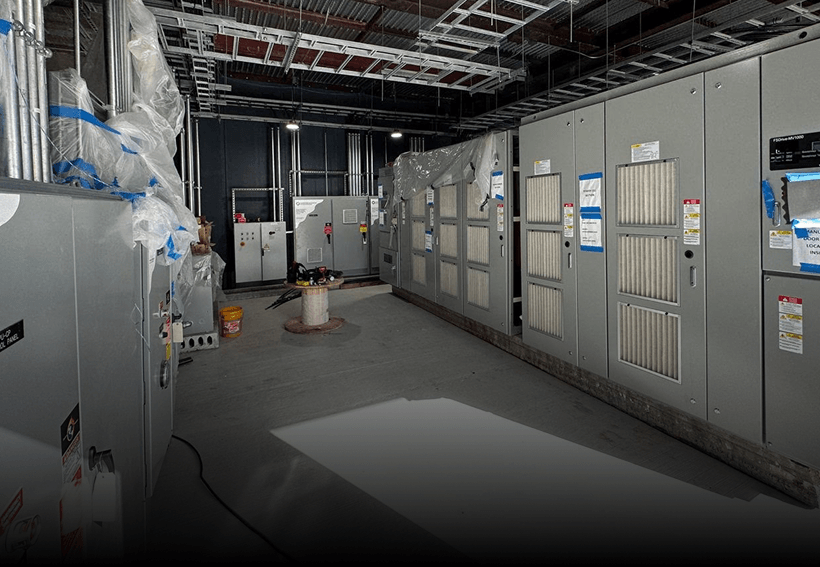
A certified control panel does not, by itself, make an installation compliant. Responsibility is divided among the parties involved in the system.
Two requirements remain with the facility when certified electrical equipment is installed.
The available fault current at the installation point must not exceed the panel's marked SCCR.
The evaluated configuration must be maintained.
Replacing a component with one outside the certified configuration can invalidate the certification for the assembly even if the substitute component carries its own certification mark. Equipment modifications or operation outside rated conditions may also fall outside our warranty coverage.
Panel documentation also identifies the devices a maintenance team may later source as replacement parts. That matters because a true like-for-like replacement can preserve the evaluated configuration, while a merely similar component may not.
Our roller chain owner's manual shows the documentation format.

Certification requirements are easiest to address before engineering begins.
Include the conveyor type, facility location, available fault current at the panel, operating environment, controls scope, destination market for export equipment, and any internal electrical or EHS specifications with your RFQ. Our engineers can then determine which marks and standards apply and define the certification scope before the design is released. The RFQ writing guide explains how to specify these requirements.