





Copyright © 2026 Fluent Conveyors, LLC. All rights reserved.
The Fluent Conveyors logo is a registered trademark of Fluent Conveyors, LLC. Serial Number 97664258 Registered on Dec. 12, 2023


Copyright © 2026 Fluent Conveyors, LLC. All rights reserved.
The Fluent Conveyors logo is a registered trademark of Fluent Conveyors, LLC. Serial Number 97664258 Registered on Dec. 12, 2023
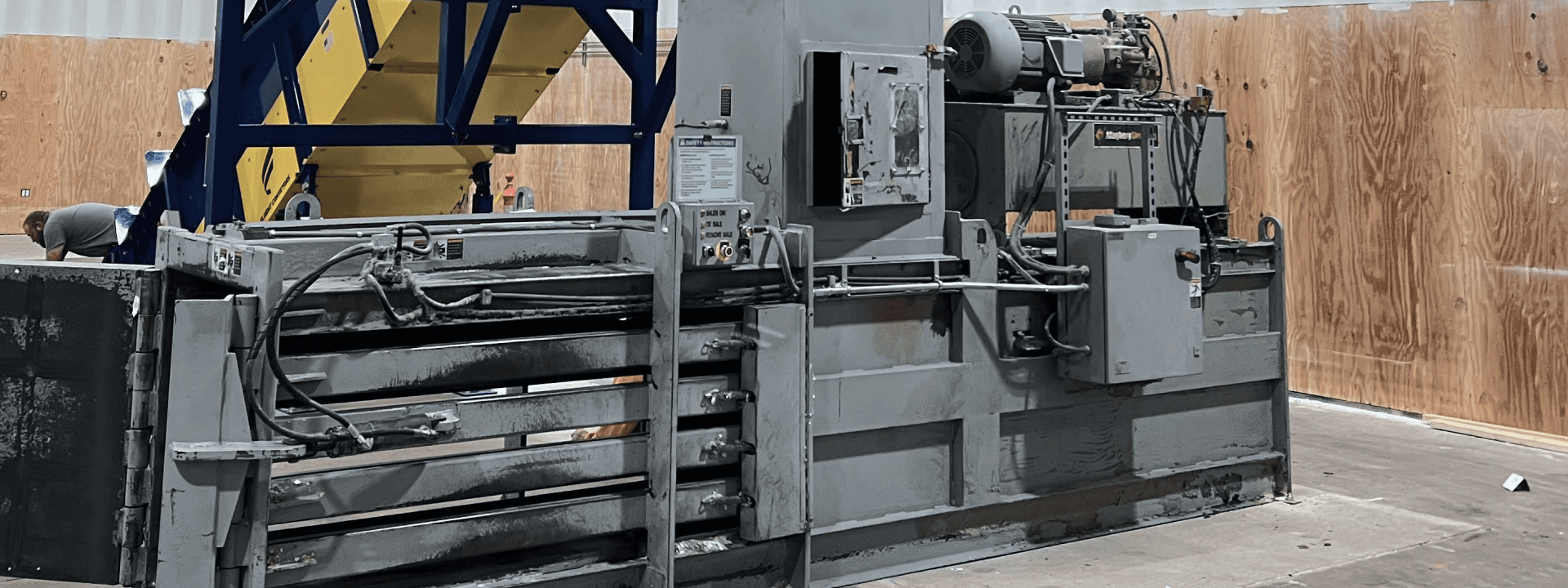
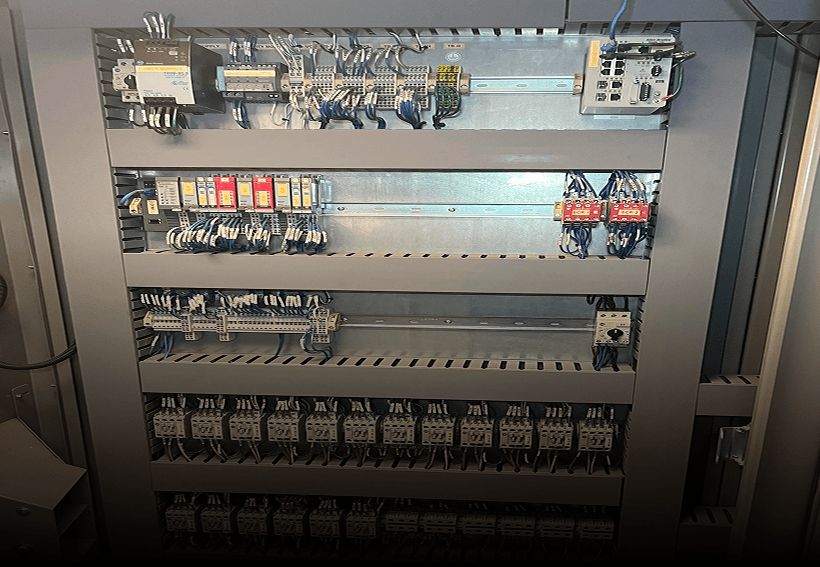
The National Electrical Code requires industrial control panels to carry a short-circuit current rating on the nameplate, and UL 508A provides the method for establishing that rating. UL 508 covers industrial control equipment. UL 508A covers the panel those devices are installed in. Fluent builds conveyor control panels to UL 508A specifications, and each panel is individually certified.

UL 508 covers the individual control device. UL 508A covers the complete panel those devices are wired into.
Many specifications say "UL 508 compliant" when the writer actually means the panel. That wording often gets copied from one project to the next and creates confusion only when an inspector asks what the claim applies to. Naming UL 508A in the controls scope removes that ambiguity before submittal.
The distinction also matters because device-level and panel-level claims are different. A component listed to UL 508 tells you that the device was evaluated. It does not tell you whether the surrounding devices were selected and installed in a permitted combination. That is the role of UL 508A. A panel made from listed components is not necessarily a listed panel.
UL Solutions is clear that certification of an enclosed industrial control panel covers the panel, not the machinery or loads the panel controls. The certified object ends at the enclosure and its field-wiring terminals.
A specification that calls for a "UL 508A certified conveyor" is naming something that does not exist as a category. UL 508A does not certify the complete conveying machine. Rewrite the requirement so it applies to the panel, then place machine-level safety requirements under the conveyor safety standards that address guarding, stops, and risk assessment.
That same boundary determines who answers questions later. Panel-construction questions go to the panel builder. Machine-level questions, including hazard zones and stop performance, belong to the equipment manufacturer and the party responsible for the installed line.

Fluent builds its conveyor control panels in-house and has each panel evaluated and certified. Fluent as a company is not a certified panel shop. The individual panels are the certified items.
Project electrical requirements and destination market
Panel design and component selection
Enclosure and environmental rating
Build, wiring, and internal inspection
Evaluation, marking, and documentation

Establishes the electrical inputs before the panel is designed, including supply voltage and phase, available fault current at the connection point, control voltage, motor horsepower and full-load amps, required safety functions, destination market, and any component brands standardized by the facility. These inputs belong in the RFQ package.
Turns those requirements into a component set. Device selection is limited by how each component is permitted to be used inside a UL 508A panel. Plant-standard manufacturers such as Rockwell Automation can be used where the device is suitable for the circuit.
Matches the enclosure to the environment the conveyor will operate in, including dust, washdown, ambient temperature, and whether the panel is mounted on the machine or away from it. nVent HOFFMAN and Saginaw enclosures are our preferred brands, with other manufacturers used when a plant standard requires them.
Panel location also affects component selection. A wall-mounted panel serving a baler infeed line sees a different dust and vibration profile from one mounted on the machine. The enclosure rating should account for the more demanding condition.
Covers fabrication and wiring. Wire routing, terminal layout, grounding, clearances, and component mounting are all inspection points and are checked before the enclosure is closed. Terminal blocks and interconnects are selected to match the wire sizes and ratings shown on the drawing.
Is where the panel becomes a certified item, and the documentation is produced. Each panel carries a certification mark and file number on the nameplate, and the certification paperwork ships with the unit. For custom conveyors, panels are tested on the machine during the 10-hour run completed before shipment, with electrical function included in the quality assurance checks.
Control logic is developed alongside the panel. We define sequencing, interlocks, speed control, and stop behavior during controls programming because the software determines which devices and circuits the panel must support.
The short-circuit current rating, or SCCR, is the amount of fault current a panel can withstand without creating a hazard. UL 508A Supplement SB provides the accepted method for establishing that rating, and the National Electrical Code requires the SCCR to appear on the panel nameplate.
The rating has to work on both sides of the connection. Fluent builds the panel to the agreed SCCR. The facility provides the available fault current at the machine supply disconnect, usually from the plant electrical engineer or utility. If the available fault current exceeds the panel rating, the panel is not suitable as built. That requires redesign, which is why the value belongs in the facility design inputs during quoting.
Fluent builds panel SCCR to the project requirement since the figure depends on the supply, the motor list, and the protective devices in the power circuit. The SCCR is limited by the weakest permitted element in the power circuit. Raising the rating often means changing a specific device or approved combination. Late changes to supply conditions are handled under the change order process.
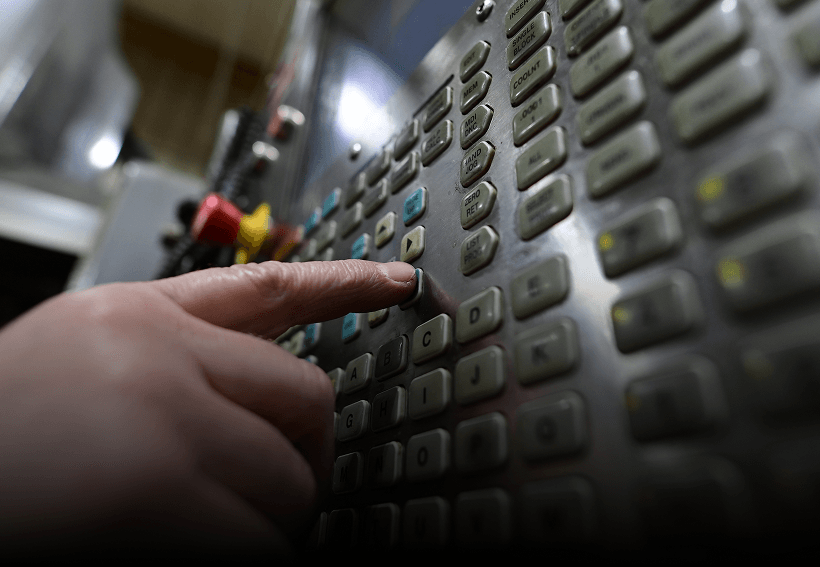
Panel certification does not cover the entire conveyor system. The table below shows how different components relate to certification.
Mechanical wear parts are primarily a purchasing and fitment question and sit outside panel certification. Components inside the panel require engineering review because the evaluated configuration supports the certification. Connected loads and field devices are outside the enclosure, but changing them can change what the panel must do. Most of the replacement parts a conveyor uses over its life fall into the first group.
A certified panel represents a specific evaluated construction. Changing the components inside it can change the assembly that was originally certified.
The National Electrical Code addresses reconditioned equipment. Equipment that has been reconditioned must be marked with the name of the organization that performed the work, the date, and the word reconditioned, and the original listing mark must be removed or made permanently illegible. The Code includes an exception for certain industrial occupancies where qualified personnel perform the work as part of the owner's regular maintenance program. Routine service, such as replacing a fuse, does not count as reconditioning.
Replacement components fall into four categories:
Like-for-like replacement: same manufacturer, same part number, same rating. The evaluated construction is preserved, and this covers much of routine panel maintenance.
Equivalent device from another manufacturer: the same nominal rating does not prove equivalence. Combination ratings and SCCR contributions can depend on specific device pairings, so a substitution may change the panel rating even when the data sheets look similar.
Obsolete component with no direct replacement: common on older panels and worth engineering review.
Adding a device, circuit, or motor: this is a modification, not a replacement, and should be treated as an engineering change from the start.
If a panel has already been modified and needs to carry a mark again, the usual path is a field evaluation by an accredited field evaluation body. The panel is inspected as installed and, if accepted, receives a field label.
Fluent reviews proposed component substitutions for panels it built. Send the machine serial number or original order, the device being replaced, and the candidate data sheet so engineering can compare the proposed replacement with the build record. Serial number location is documented for every machine we ship.
Fluent supplies complete panels, both standalone and as part of a conveyor, and also sells enclosures separately. Individual panel components are not stocked. For those, buyers are typically directed to a regional distributor for the manufacturer in question. The component brands used in Fluent panels each have a partner page.
Mechanical wear parts follow a different path. They use the normal replacement schedule and do not involve the panel certification.
Unreviewed electrical modifications can affect more than certification. Changes that alter stopping behavior, conveyor speed, or protective-device coordination may also fall outside warranty coverage.
These documents often appear together in specifications, but they cover different parts of the system and do not replace one another.
Fluent builds conveyor electrical systems to NFPA 79 for machinery wiring in addition to UL 508A for the panel. UL 508A addresses the panel assembly, while NFPA 79 addresses the machine wiring around it.
A certified panel does not establish the performance level of a stop function, and a required performance level does not prove that the panel is correctly constructed. Many projects require both. The devices in a stop circuit belong to a defined safety function, which is why e-stop system design is treated as a system function rather than a collection of buttons.
UL certification is most relevant in North America. Equipment shipped into markets that expect European recognition may require a different certification path, and TÜV is commonly named in those specifications.
Fluent panels are built to satisfy applicable TÜV requirements on projects that call for them. The same scope distinction applies as with UL: the panel is the certified item, not the company or the conveyor. Scope, mark, and entity details are covered on the TÜV compliance page.
Controls scope also affects export documentation. A conveyor supplied with its own control panel and capable of operating once connected to power is machinery in its own right. A conveyor supplied without controls, or driven by the line it feeds, may be partly completed machinery and require different documentation. That distinction changes the documents that ship with the equipment.
The machinery-side requirements behind that distinction are found under the ISO standards. Panel construction and machine conformity remain separate evaluations even when one company supplies both.
UL 508A is in its third edition and is revised on a rolling basis rather than on a fixed multi-year cycle. Recent revisions have addressed areas such as disconnecting means for industrial machinery, permitted sources for Class 2 circuits, short-circuit current ratings for surge protective devices, and accepted product standards for motor controllers.
For specifications, cite UL 508A and pair it with the current edition at the time of order. Capital projects can run long enough for a named edition to be superseded between award and shipment. A frozen citation can then create an unnecessary deviation request for a panel built to a newer requirement. The same principle applies to other standards in the bid package.

Panel requirements should be defined during quoting. Fluent is a US manufacturer that designs the conveyor, builds the control panel, and develops the control logic, so electrical scope is settled alongside the machine instead of being handed to a separate third party.
Send the incoming power characteristics, available fault current from your electrical engineer, drive and device schedule, panel environment, required stop functions, and destination market.
We build custom conveyors and their controls, and we also supply standalone panels and enclosures for equipment we did not build.