





Copyright © 2026 Fluent Conveyors, LLC. All rights reserved.

The Fluent Conveyors logo is a registered trademark of Fluent Conveyors, LLC. Serial Number 97664258 Registered on Dec. 12, 2023


Copyright © 2026 Fluent Conveyors, LLC. All rights reserved.
The Fluent Conveyors logo is a registered trademark of Fluent Conveyors, LLC. Serial Number 97664258 Registered on Dec. 12, 2023

A conveyor torque limiter slips or disconnects at a preset torque, so a jam can't overload the chain, shaft, or reducer. We use them on our roller chain conveyors and supply replacements and retrofits for other conveyor brands and rotating drives.
Lead time: Configured torque limiters ship in 2–5 weeks.

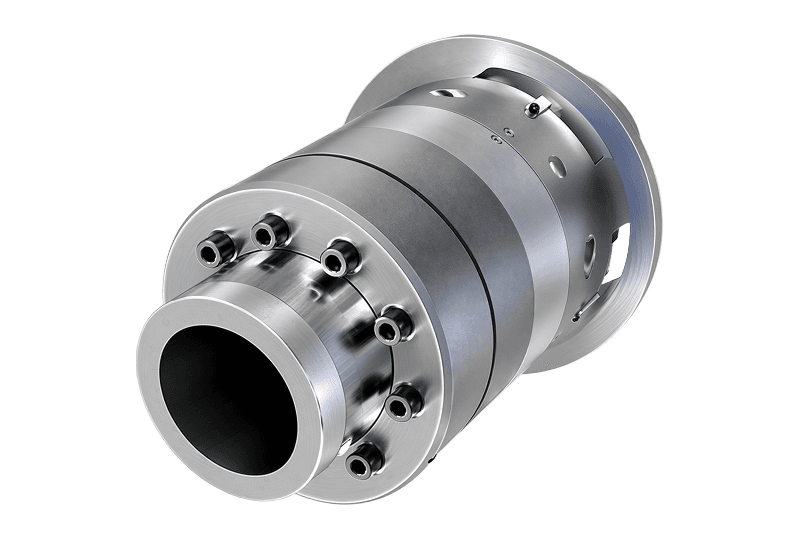
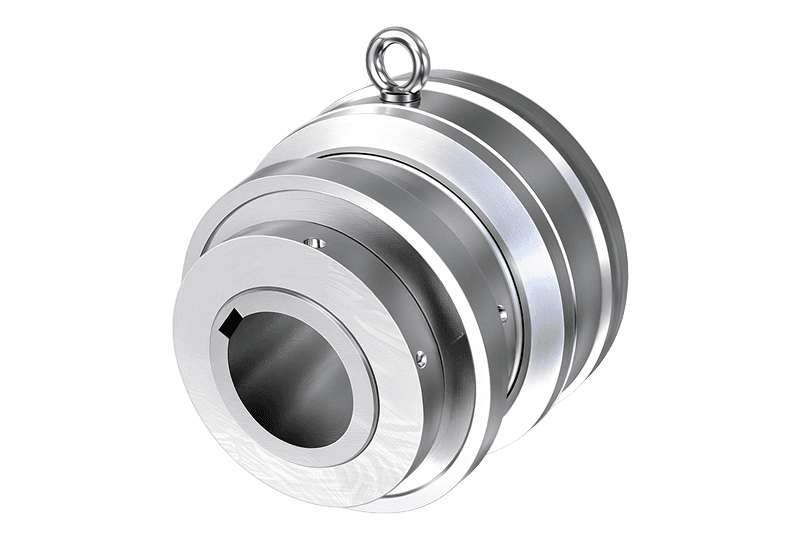

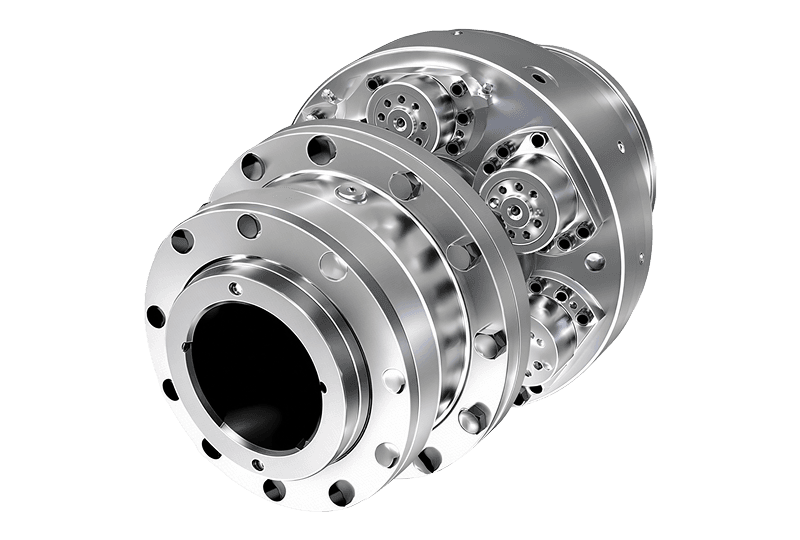
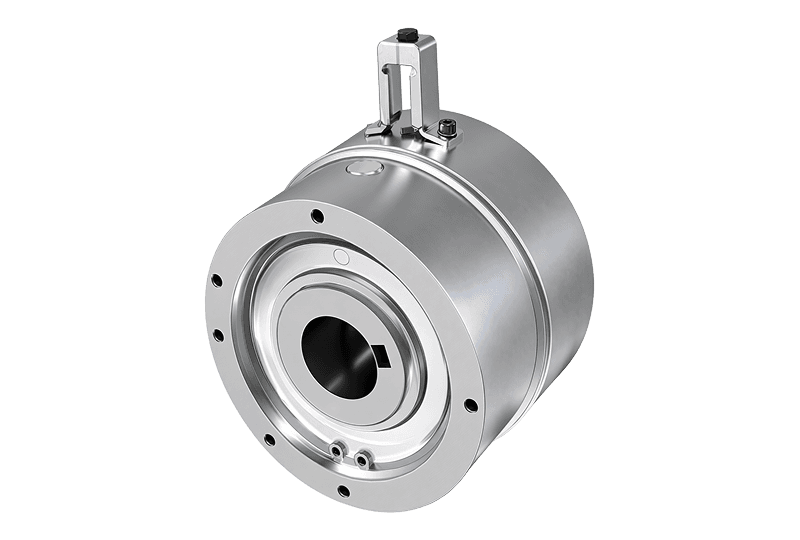
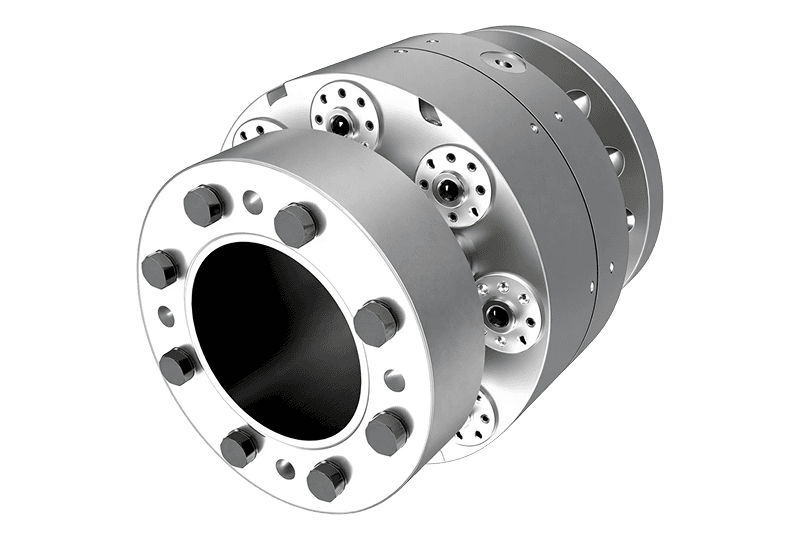


Fluent builds roller chain conveyors for recycling, scrap, and heavy bulk handling. We fit torque limiters to their drives to protect the reducer, drive chain, and belt from jams. We also supply replacements for pulley-driven conveyors, other manufacturers' conveyors, and equipment such as balers, shredders, and screens.
Share your drive details, and we'll match the limiter type, torque setting, bore, and mounting.
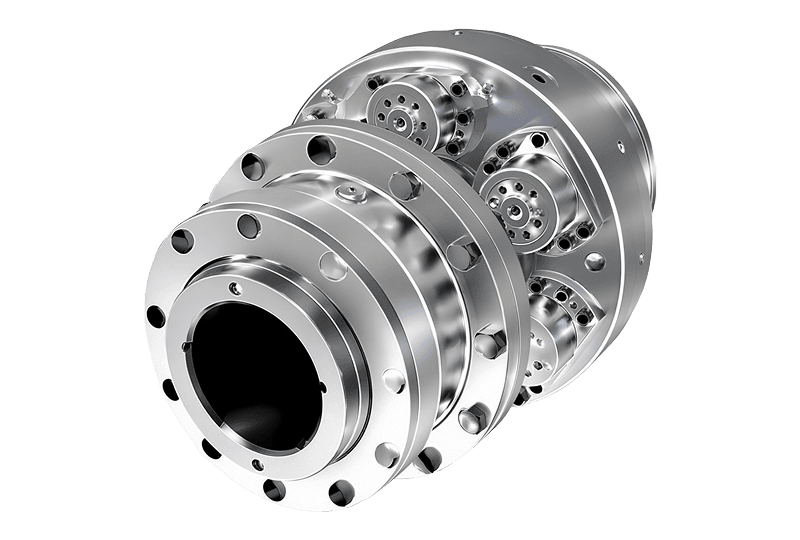
These ranges encompass the limiter designs we supply. Your quote confirms the torque rating, maximum speed, bore, and reset method for the exact unit.
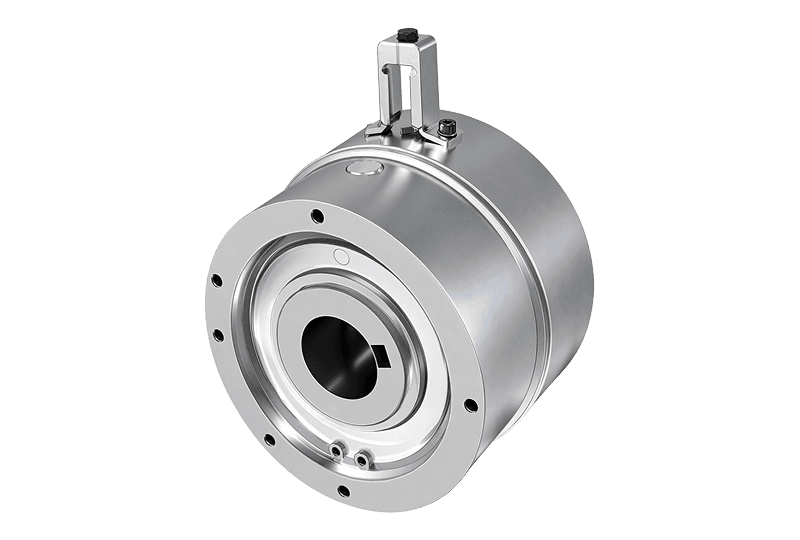
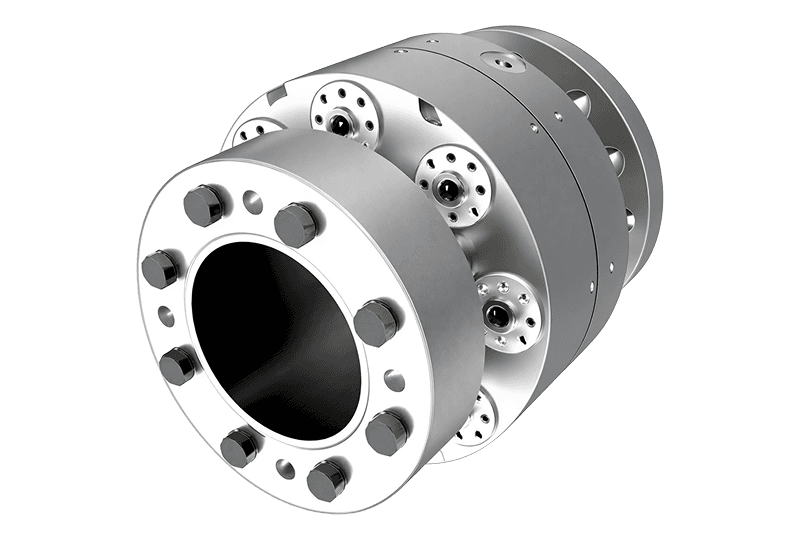
Choose based on whether the drive must continue transmitting torque, re-engage automatically, or stay disconnected after a jam. Our range extends from compact friction hubs to heavy-duty shredder units.
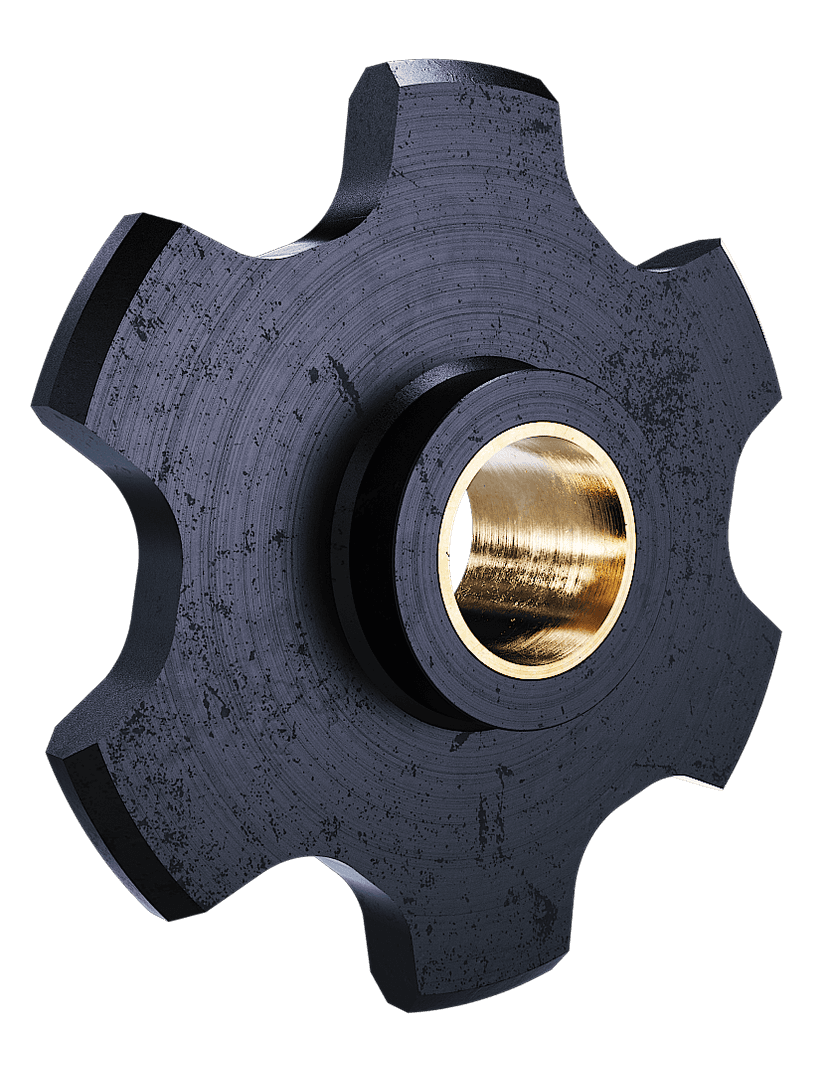
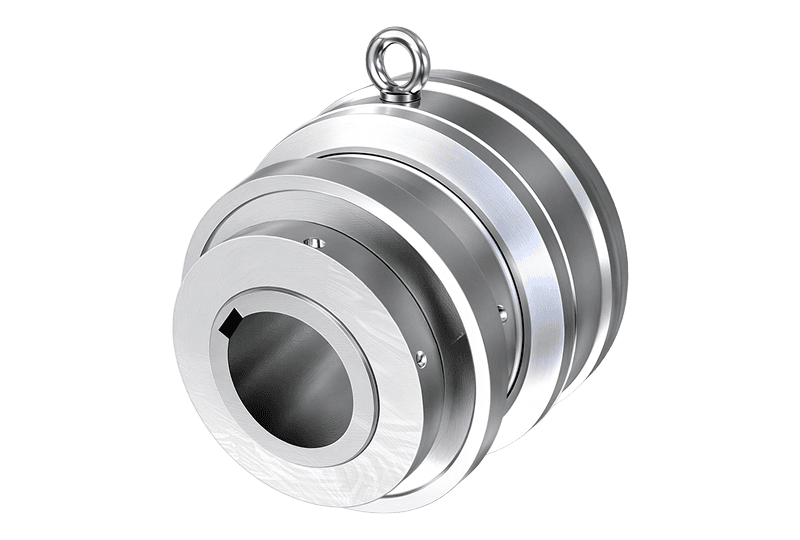
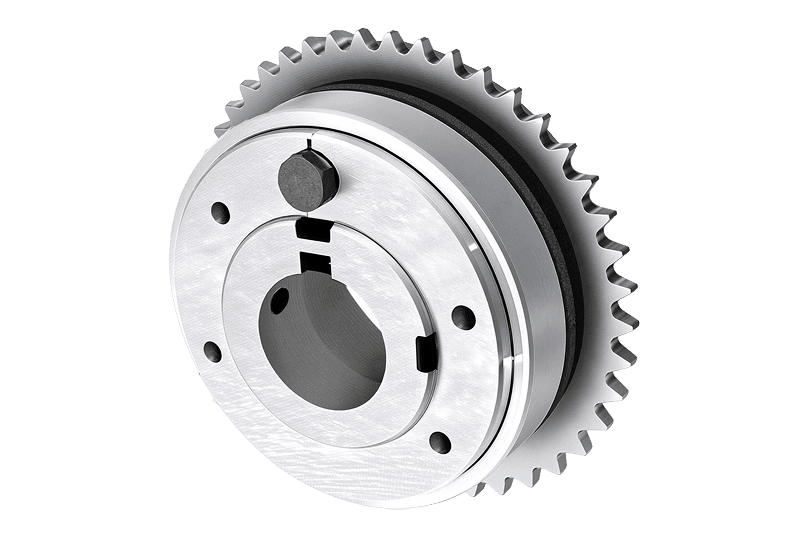
Spring pressure holds the sprocket or pulley between two friction linings. The hub slips when torque reaches the setting and grips again once the overload clears. Turning the spring nut adjusts the setting.
Best for: Roller chain conveyors with shock loads or brief jams, and inclines where the belt must stay under drive.
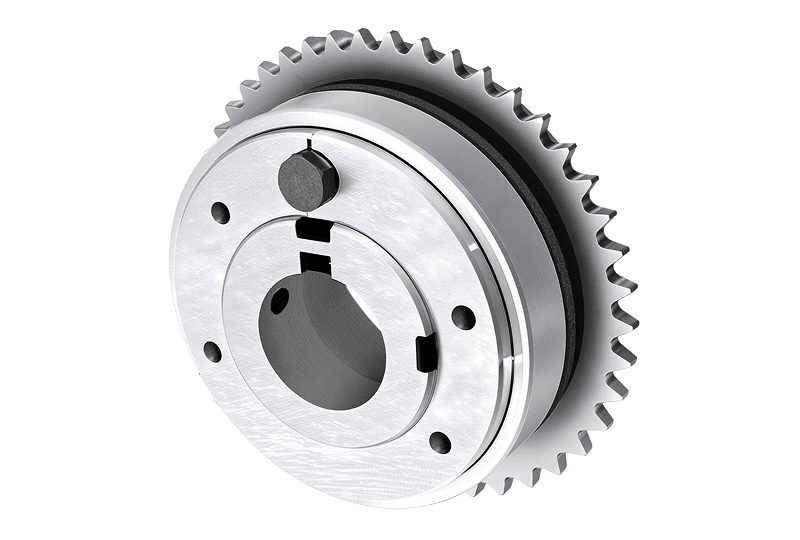
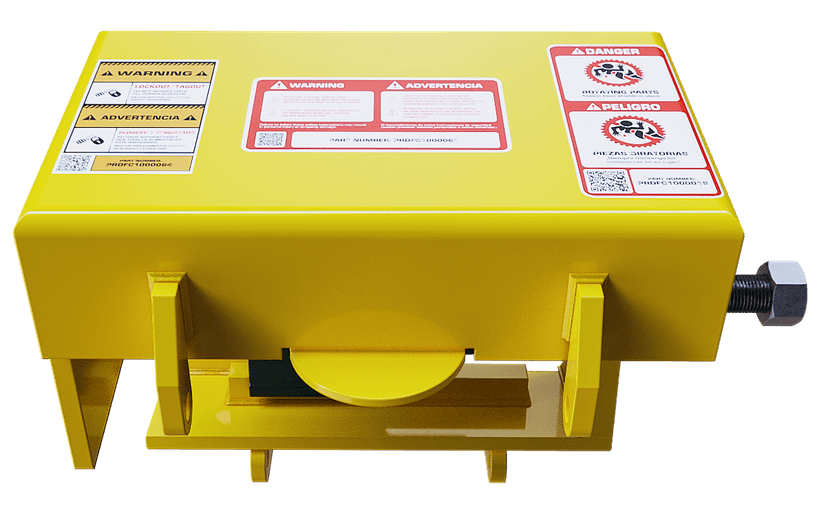
Load-holding limiters (the friction slip hubs) keep transmitting their set torque during an overload, so the belt stays under drive. Load-separating limiters (the ratcheting, synchronous, and disengaging types) interrupt the connection almost instantly. That keeps the motor's energy out of the jam on a sprocket-driven conveyor or any other drive.
A slipping friction hub doesn't stop the motor on its own. A conveyor speed sensor on a non-driven shaft can detect when the belt stops moving and shut down the drive before the friction linings overheat.
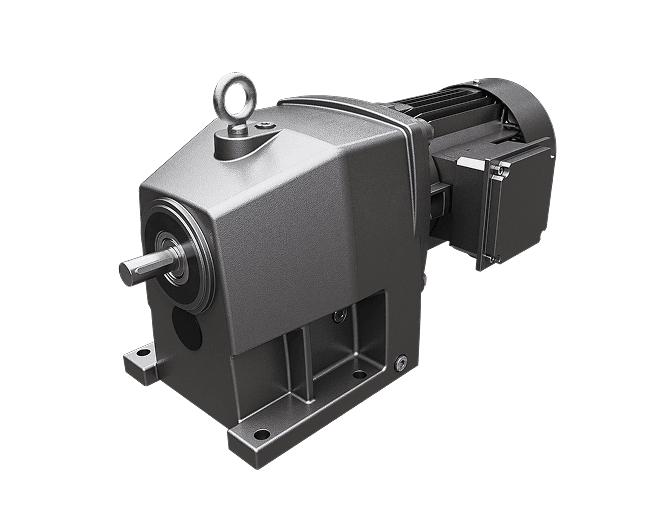
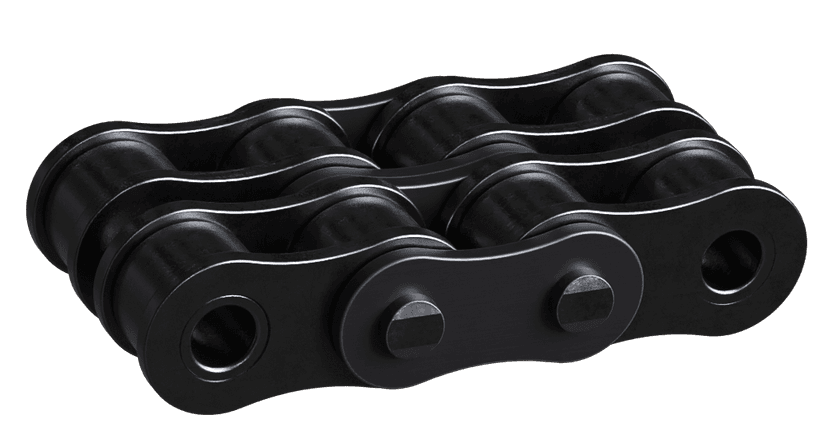
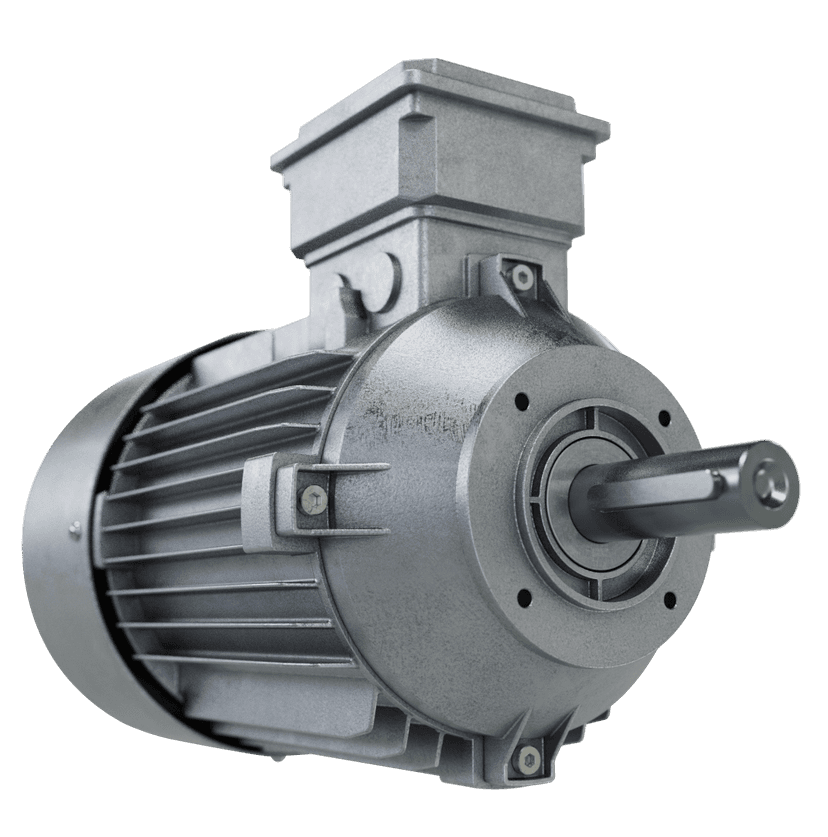
On our roller chain conveyors, a motor drives a base-mounted reducer. A drive chain then carries power from the reducer output sprocket to the head shaft sprocket. A torque limiter can sit at three points in that arrangement, and direct-coupled drives add a fourth.
Incline conveyors and backstops: If an incline conveyor uses a backstop inside the reducer, a load-separating limiter between the reducer and head shaft disconnects the loaded belt from the backstop when it trips. The belt can then run backward. To keep the belt held, mount the backstop on the head shaft or use a friction slip hub or overload-sensing limiter.

For a like-for-like replacement, provide the manufacturer, part number, and torque setting. For a new or modified drive, calculate torque at the intended mounting shaft.
Example: A 10 HP motor at 1,750 rpm through a 30:1 reducer turns the output shaft at about 58 rpm, which gives about 900 lb-ft of full-load torque before reducer losses. With a 12-tooth drive sprocket and a 36-tooth head shaft sprocket, head shaft torque is three times higher, about 2,700 lb-ft.
Set the limiter above the highest normal torque, including loaded starts and surges, but below the rating of the weakest component. Stop-start duty such as baler infeed raises the starting torque the limiter has to carry, so tell us how your conveyor runs.
Send as many of the details below as you have. Photos of the existing limiter, its tag, and the drive layout help us fill any gaps.

Manufacturer and part number
Current torque setting from the nameplate or setting record
Type: friction slip, ratcheting, synchronous, or disengaging
Shaft diameter, keyway size, and usable shaft length
Mounting location: reducer output, head shaft, motor flange, or coupling
Sprocket or pulley width and bore, or motor frame size for housed units
Motor horsepower (HP) and rpm
Reducer type and gear ratio
Sprocket tooth counts and chain size
Starter type: across-the-line, soft starter, or VFD
Conveyor make and model, or Fluent serial number
What causes jams and how often they occur
Preferred reset: automatic, manual, or reverse
Environment: outdoor, washdown, dust, or extreme temperatures

We design and build custom conveyors and fit torque limiters to the drives on our own roller chain conveyors. When you order through us, our engineers match the overload protection to your drive and to the jams your conveyor sees.
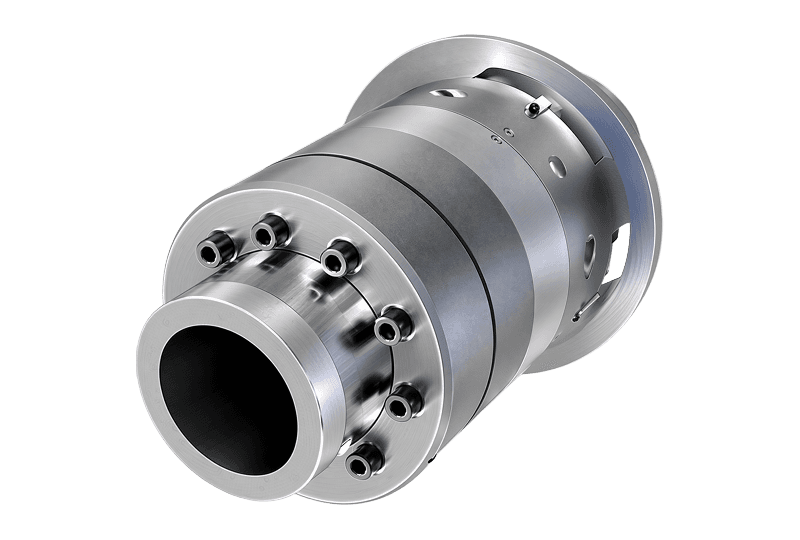
Friction slip, ratcheting, synchronous, and disengaging torque limiters
Ratings from under 1 lb-ft to more than 300,000 lb-ft
Replacements for Fluent conveyors, other conveyor brands, and non-conveyor drives
Torque settings calculated from your motor, reducer, and sprocket ratio
Configured units ship in 2–5 weeks
Ready to work with the experts?