










Copyright © 2026 Fluent Conveyors, LLC. All rights reserved.

The Fluent Conveyors logo is a registered trademark of Fluent Conveyors, LLC. Serial Number 97664258 Registered on Dec. 12, 2023


Copyright © 2026 Fluent Conveyors, LLC. All rights reserved.
The Fluent Conveyors logo is a registered trademark of Fluent Conveyors, LLC. Serial Number 97664258 Registered on Dec. 12, 2023
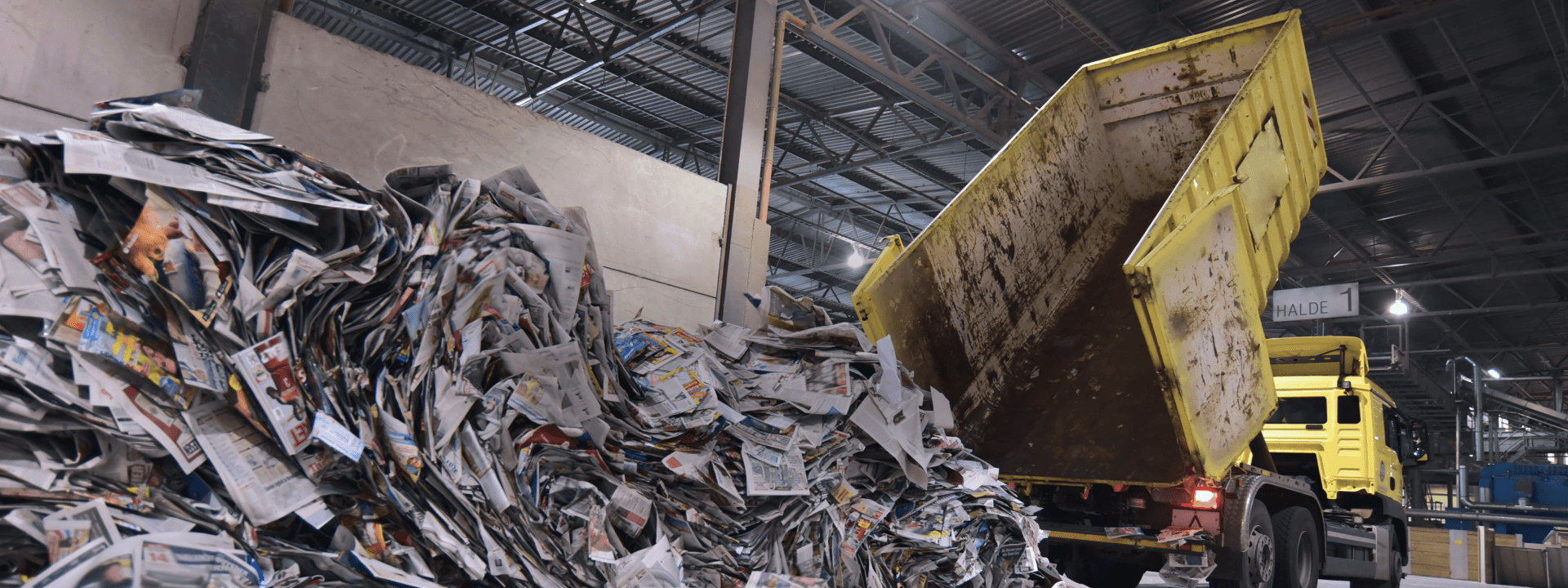
The best conveyors for recycling old newspaper are recycling sort stations, roller chain conveyors, and slider bed conveyors that separate ONP from mixed paper and move light, loose newspaper cleanly, with cleated belts holding it on the inclines that feed shredders, balers, and pulpers.

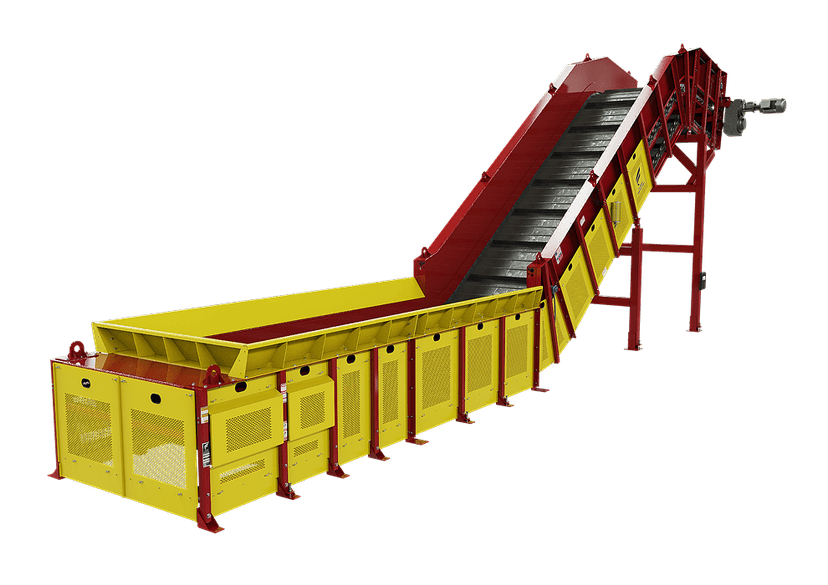
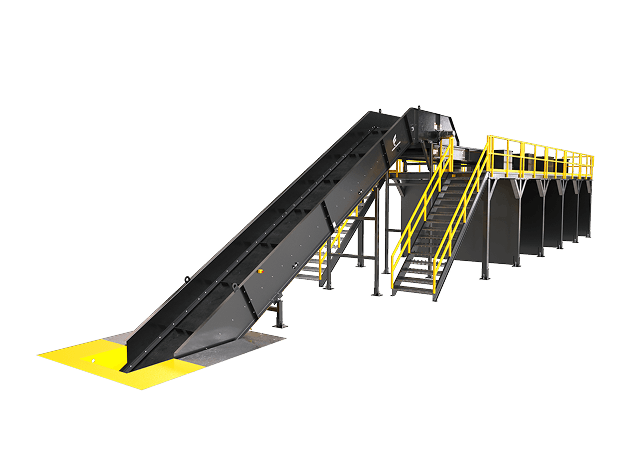
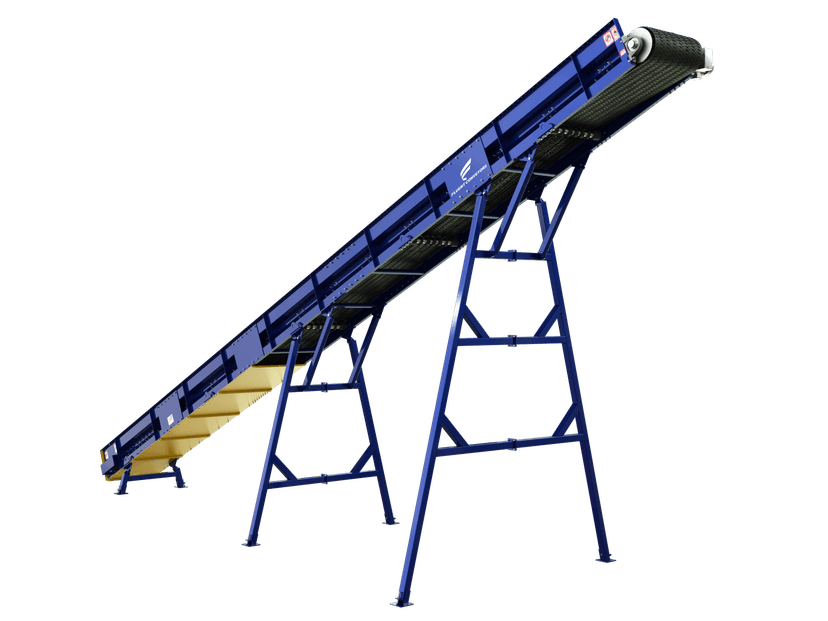
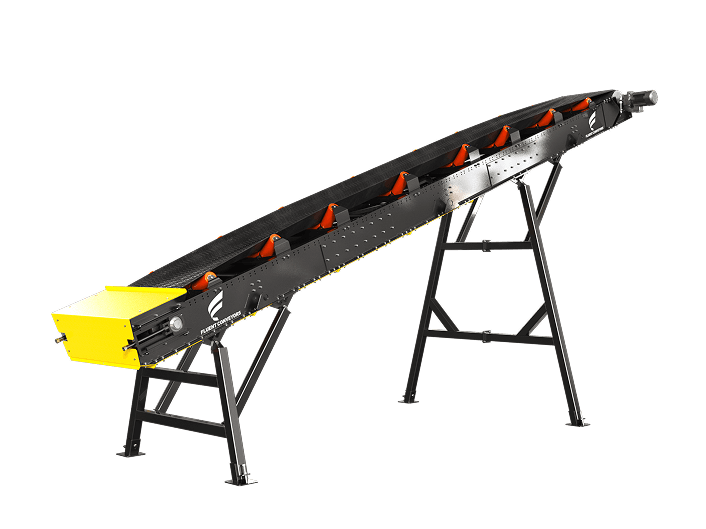
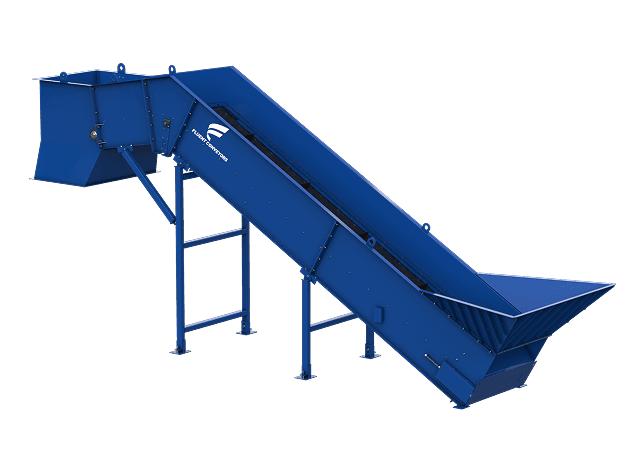
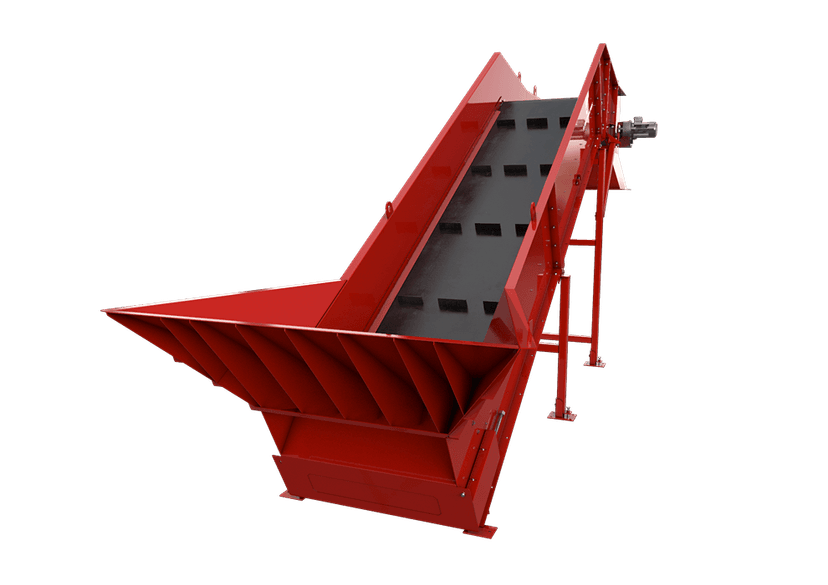
Raised-cleat belts that carry loose newspaper up inclines into shredders, hoppers, balers, and pulpers without rollback.
Fluent designs and manufactures conveyors and conveyor systems for old newspaper recycling lines, made in the USA and built to drop into your plant layout.
An old newspaper recycling operation processes loose newspaper from curbside and drop-off collection, ONP separated from mixed paper and cardboard at a material recovery facility, shredded newspaper, and baled ONP bound for mills. Newspaper is a light, low-grade, short-fiber material that recycles five to seven times before the fibers grow too short.
Fluent builds the conveyors that move newspaper into, through, and out of the recycling line. That covers infeed off the tip floor, the sorting conveyors that separate ONP from mixed paper and contaminants, transport between sorters and shredders, the incline conveyors that feed shredders, balers, and pulpers, the baler infeed that holds a steady rate and takes bale weight at discharge, and the bale, dewiring, and pulper-feed conveyors on the mill side. For bulk newspaper off the tip floor, roller chain conveyors carry the load and feed it forward at a controlled rate.
If your line moves newspaper from a tip floor to a sort platform, from a sorter to a baler, or from a bale breaker to a pulper, contact us.

An old newspaper recycling plant is a sequence of equipment. Each conveyor is chosen for the material it carries and where it sits in the process.
Six factors set the specification:
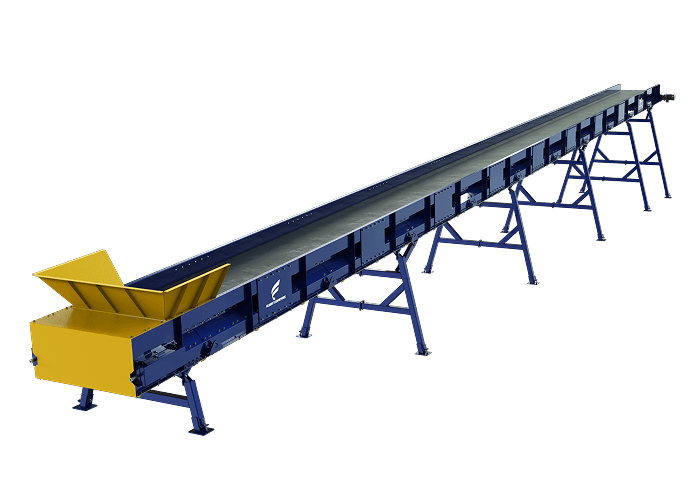
Below, we map conveyor types to their place in an old newspaper recycling line, explain why sorting and feed presentation protect fiber value, and detail the belt and drive choices that hold up to light, loose, dusty paper.

Newspaper moves from receiving and infeed, through sorting and contaminant removal, into transport, incline feed, and baling, and on the mill side through bale breaking, dewiring, and pulper feed. Let's look at the conveyors a typical plant might utilize at each point.

Loose newspaper moves from the tip floor or a receiving bunker toward sorting. Roller chain conveyors carry bulk newspaper off the floor and feed it into the initial shredder or sort line at a controlled rate, holding up to the weight of paper dropped by a loader.
ONP is separated from mixed paper, cardboard, and non-paper contaminants before it moves on. A recycling sort station uses manual separation to pull brown board, plastic, and other contaminants by hand; a magnet over the belt lifts staples, wire, and strapping, and optical sorters separate newspaper from other paper grades. This is one of two conveyors that decide the value of the recovered fiber, while the other feeds the baler or pulper at a steady rate, covered below.
Sorted and shredded paper crosses the plant between sorters, shredders, and quality-control beds. Flat idler conveyors move it over distance with low belt drag, and slider bed conveyors handle the shorter transfers that carry paper through magnetic separators and QC beds.
Loose newspaper often has to climb into a shredder, hopper, baler, or pulper. Cleated belt conveyors carry it up these runs, with raised cleats and sidewalls holding the paper against rollback and spillage on the incline.
Newspaper feeds the baler on an infeed conveyor that holds a steady rate for consistent bale density, and roller chain conveyors take the concentrated weight of finished bales as they discharge from the baler.
On the mill side, baled ONP is broken open, dewired, and metered into the pulper. Bale conveyors carry bales to a bale breaker and dewiring unit, and a metering conveyor feeds the loosened paper into the pulper at a controlled rate so the pulper runs without surging.
Contaminants pulled at sorting, and fines dropped at transfers, move to reject bins and fines collection on short transfer conveyors, which keeps the recovered stream clean.
The same sorting and light-material conveyors run the mixed-paper and short-fiber lines in fiber recycling, where contamination control and steady feed do the same work.
Fluent designs and manufactures conveyors and conveyor systems for old newspaper recycling lines, made in the USA and built to drop into your plant layout.
The sorting conveyor determines how clean the recovered fiber is, and the conveyor feeding the baler or pulper determines bale density and pulper stability.
Four feed variables affect fiber value and throughput:
A speed sensor on the feed conveyor confirms the belt is holding the set speed under load, which keeps feed to the baler or pulper consistent.
Light, loose, dusty paper requires application-specific belts and conveyor add-ons. Fluent specs the carrying surface to the stream and stocks the conveyor belts for old newspaper recycling to match.
Routine inspection and maintenance catch these early. Learn what causes wear and tear on a conveyor belt.
Old newspaper recycling conveyors involve moving belts, pinch points at pulleys and sprockets, exposed drives, and falling material, alongside hazards specific to paper: fine paper dust that adds a respirable and fire load, and the nip and shear hazards at baler and pulper feed points.
Guarding, emergency stops, and pull cords are standard along sorting and baler-feed conveyors, and lockout/tagout access must be engineered for the frequent cleanout that jams, dust, and carryback require.
Every conveyor in a recycling operation should exceed the safety standards put forth by the relevant authority. See how to reduce conveyor hazards for the details.
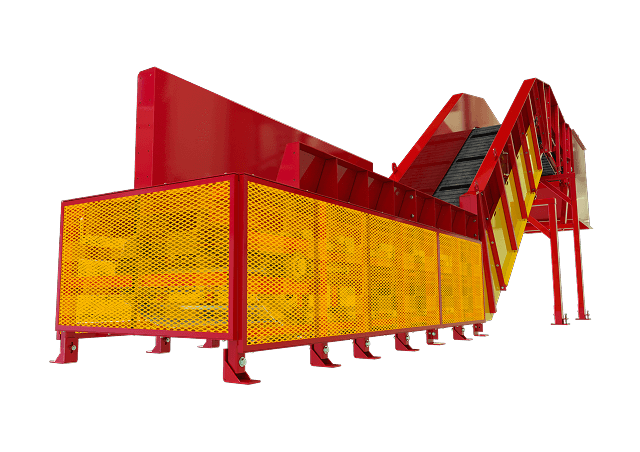

Fluent designs and builds custom conveyors and conveyor systems for old newspaper recycling lines.
Contact us to talk through your line, or send the material type, target capacity, and run dimensions, and our engineering team will scope a system to fit your plant and the rest of your old newspaper recycling line.
