





Copyright © 2026 Fluent Conveyors, LLC. All rights reserved.

The Fluent Conveyors logo is a registered trademark of Fluent Conveyors, LLC. Serial Number 97664258 Registered on Dec. 12, 2023


Copyright © 2026 Fluent Conveyors, LLC. All rights reserved.
The Fluent Conveyors logo is a registered trademark of Fluent Conveyors, LLC. Serial Number 97664258 Registered on Dec. 12, 2023
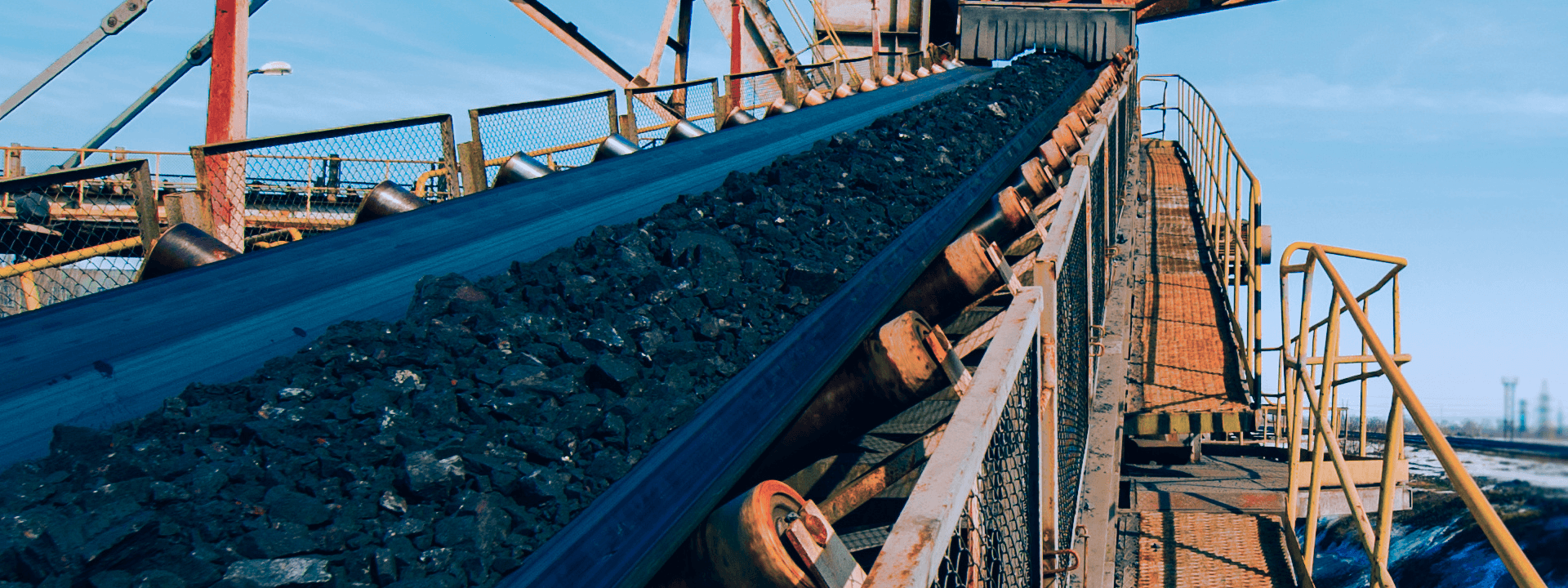
The best conveyors for landfills are roller chain conveyors for wet, abrasive mixed waste and C&D debris, and trough idler, flat idler, and radial stacker conveyors for shredded material, daily cover, and stockpiling.

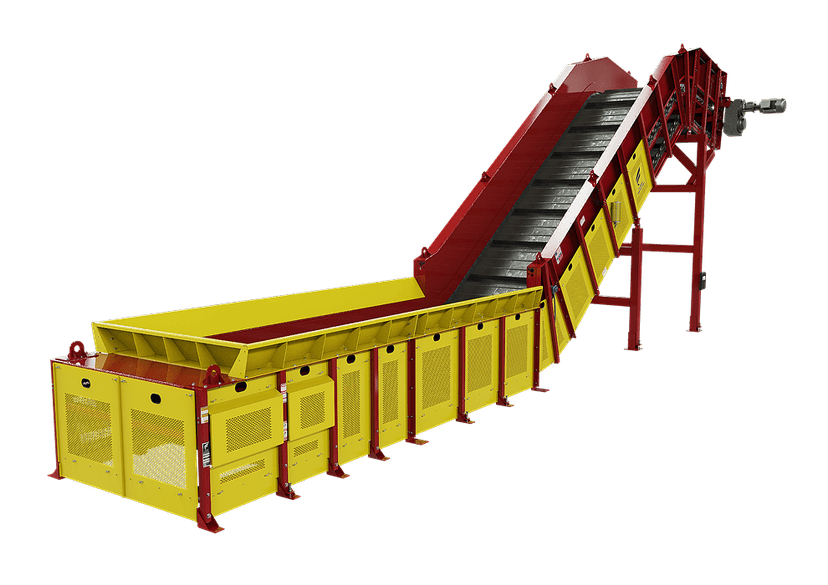
High-torque, no-slip steel-pan conveyors built to carry wet mixed waste, C&D debris, and contaminated loads where a rubber belt would tear or clog.
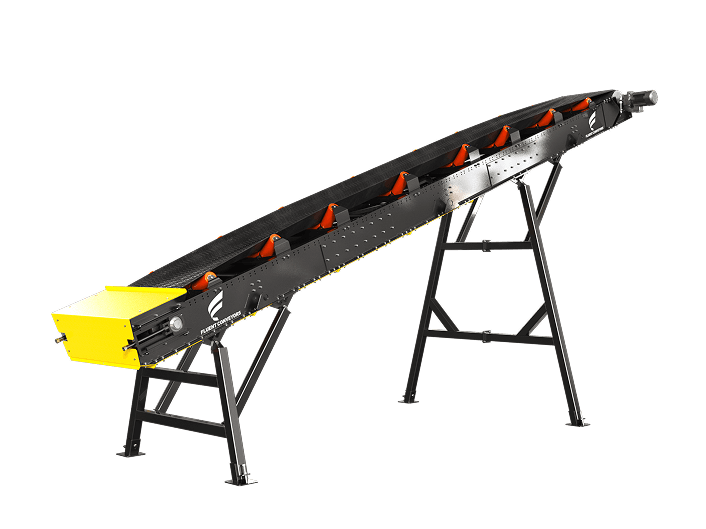
Troughed-belt transport for shredded waste, soil, and cover material across distance, with side curl that contains loose material on long site runs.
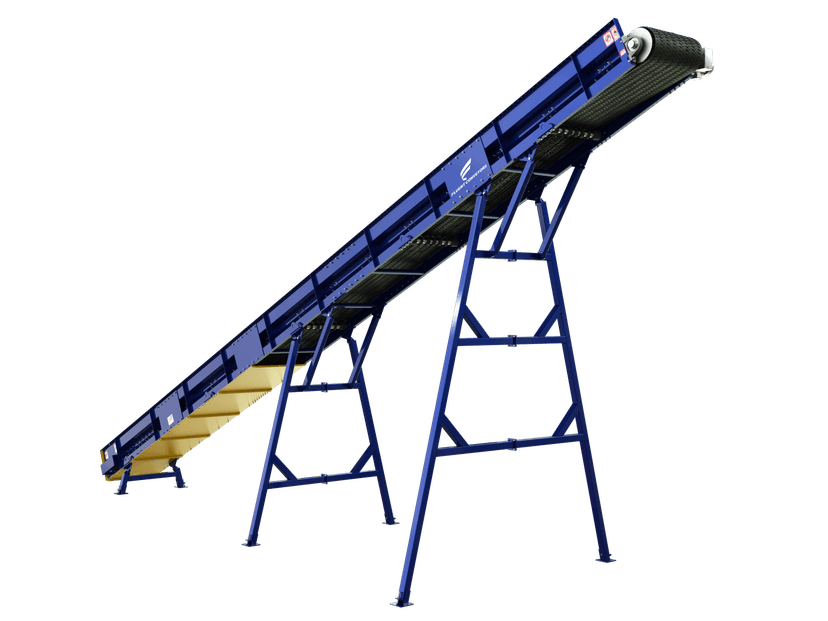
Flat-set idler frame for steady transport of shredded and recovered material across distance where a troughed profile is not required.
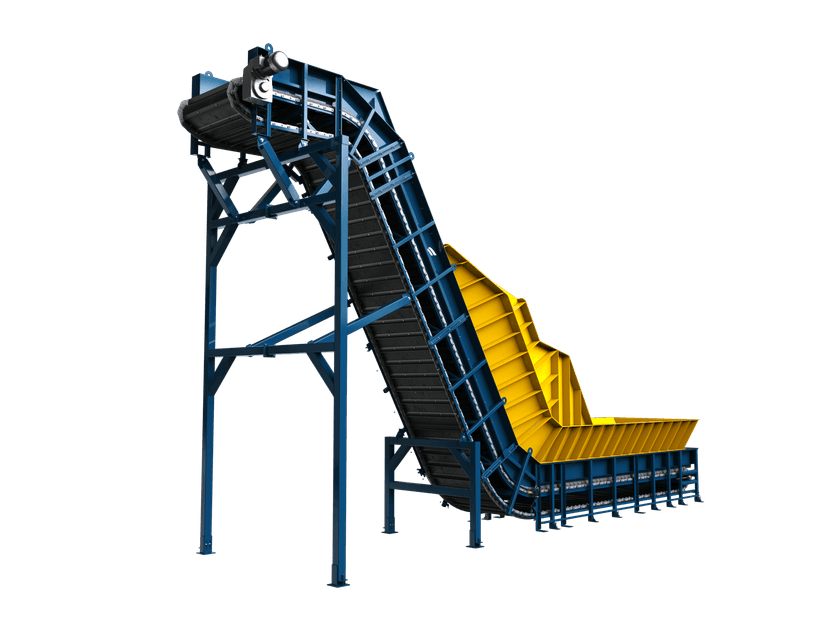
Steeply inclined roller chain conveyors with cleated rubber combo belts that let excess material tumble back, metering a controlled flow into shredders and balers.
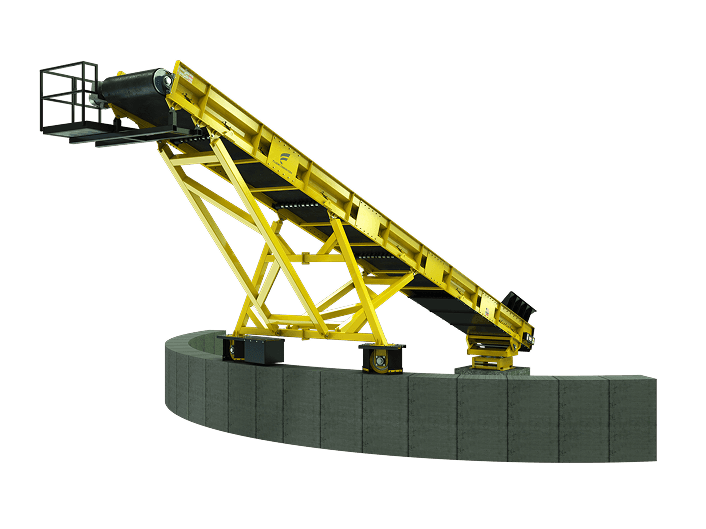
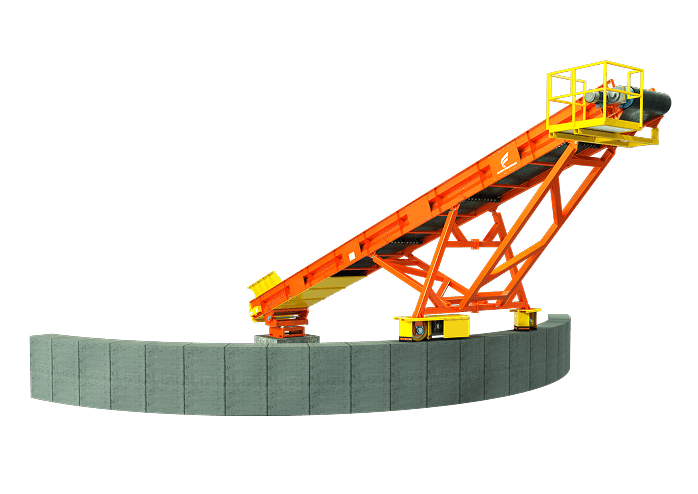
Pivoting conveyors that build large stockpiles of cover material, shredded green waste, or soil from a single feed point. Troughed or flat.
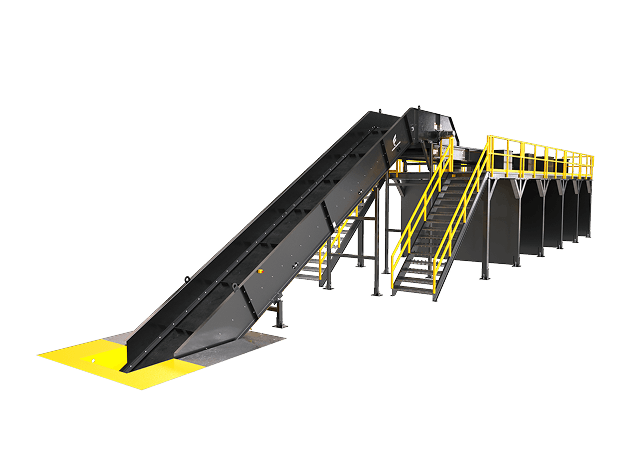
Picking-line conveyors that carry the waste stream past sorters to recover material before disposal, configured for the crew size and throughput your operation needs.
Fluent designs and manufactures heavy-duty conveyors and conveyor systems for the wet, abrasive, and mixed-waste side of landfill operations, made in the USA and matched to your site.
A landfill handles several kinds of material, and they require different equipment. Fine ash, CCR, dusty fly material, and wet sludge-like residue move through enclosed or air-assisted systems built around dust containment and drainage. Those are pipe, pneumatic, and shaftless screw systems, and they sit outside what an open belt or chain conveyor should carry.
Fluent builds for the bulky, wet, and abrasive material that belt and chain conveyors handle. That covers municipal solid waste, construction and demolition debris, shredded green waste and brush, shredded tires, recovered material off a sort line, soil and contaminated soil, and the daily cover and alternative daily cover placed around active cells.
If it involves moving waste off a tipping floor, feeding a shredder, or stockpiling cover material near the working face, contact us.
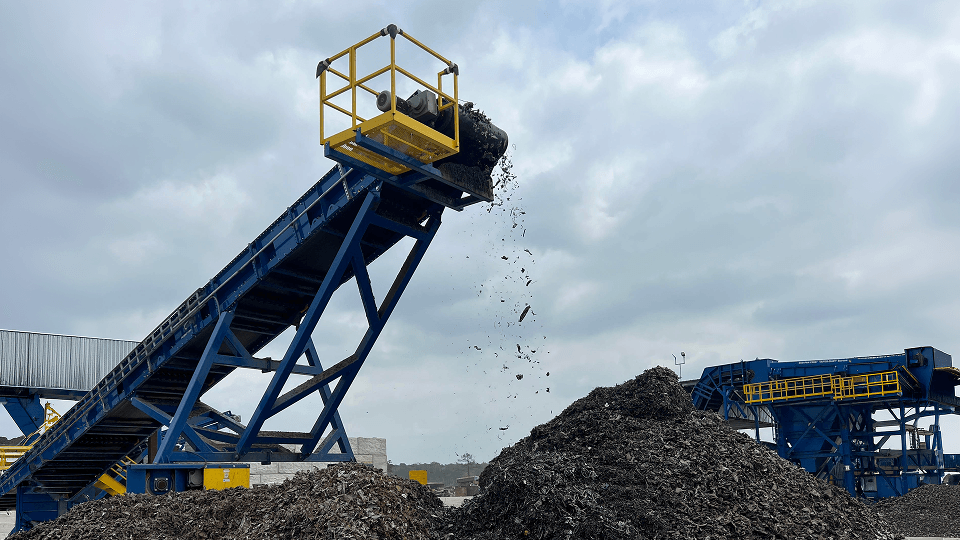
A landfill is a working site, not a fixed plant, and the conveyor has to match both the material and the operating zone. A roller chain conveyor feeding a shredder and a radial stacker placing daily cover both move landfill material, but they face different loads, mobility needs, and exposure.
Five factors set the specification:
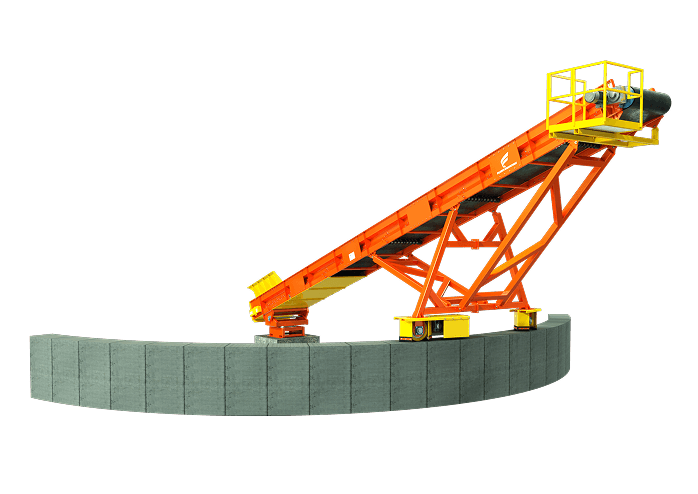
Below, we map conveyor types to their locations across a landfill site, then cover the belt, protection, and drive choices that keep a conveyor running under wet and abrasive conditions.

Material moves from the tipping floor or transfer area, through shredding and sorting, out to the active cell and working face, and into stockpiles of cover material and recovered product. Roller chain conveyors anchor the wet, abrasive, heavy end of the operation, while pulley-driven trough idler and flat idler conveyors carry shredded material and cover over distance.

Mixed waste comes off the tipping floor or out of a transfer station toward processing or haul-out. Roller chain conveyors take this variable, wet, contaminated load where belt damage and clogging would otherwise stall the line.
Waste feeds shredders and picking lines for volume reduction and material recovery. Shredders and balers run best on a controlled, even feed, so tumble-back conveyors take a steep incline and let excess material fall back down the belt, which meters the stream to a steady rate instead of surging the downstream equipment.
A picking line pulls recoverable material out of the stream before disposal. Custom recycling sort stations carry the waste past sorters at a working height and pace, sized to the crew and throughput the operation needs.
After shredding, green waste, brush, and mixed fines move across the site. Trough idler conveyors carry this material over distance, with the troughed profile containing loose product on long runs. Flat idler conveyors handle the same task where a troughed profile is not required.
Mobile equipment feeds the active cell. Incline conveyors and relocatable runs place material near the working face and cut loader travel, with cleated or troughed surfaces holding material on grades.
Soil, alternative daily cover, shredded green waste, and recovered material are built into stockpiles for storage. Radial stacker conveyors pivot from a single feed point to build large piles, troughed for granular material or flat where the stream sits level.
Recovered and baled material moves to loading after the sort line. Slider bed conveyors present light sorted product and unit loads across level transport and shorter inclines, roller chain conveyors handle heavy bundles and bales.
The same equipment serves waste management and material recovery facilities, where wet, abrasive, mixed loads call for similar conveyor configurations.
Wet, abrasive, and contaminated landfill material requires landfill-specific belts and conveyor add-ons. Fluent specs the carrying surface to the stream and stocks the conveyor belts to match.
Most failures in landfill duty trace back to a belt or load zone specified for lighter service than the stream actually carries.
Routine inspection and maintenance catch these issues early. Learn what causes wear and tear on a belt.
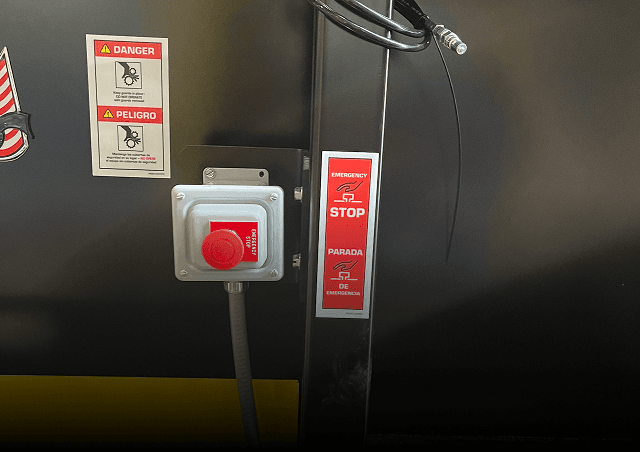
Landfill conveyors carry the hazards of moving belts, pinch points at pulleys and sprockets, exposed drives, and airborne dust, alongside mobile-equipment traffic and the fire and gas risks of the site itself. Guarding, emergency stops, and pull cords are standard requirements, and lockout/tagout access has to be engineered for cleaning and belt work, especially where wet residue calls for frequent cleanout.
Every conveyor at a landfill should meet OSHA conveyor guarding requirements and exceed the safety standards put forth by the relevant authority. See how to reduce conveyor hazards for the details.

Fluent designs and builds custom conveyors and conveyor systems for the wet, abrasive, and mixed-waste side of landfill operations.
Contact us to talk through your project, or send the waste stream, target capacity, and site dimensions, and our engineering team will scope a system to fit your requirements.