




Copyright © 2026 Fluent Conveyors, LLC. All rights reserved.
The Fluent Conveyors logo is a registered trademark of Fluent Conveyors, LLC. Serial Number 97664258 Registered on Dec. 12, 2023


Copyright © 2026 Fluent Conveyors, LLC. All rights reserved.
The Fluent Conveyors logo is a registered trademark of Fluent Conveyors, LLC. Serial Number 97664258 Registered on Dec. 12, 2023
ISO 14001 relates to conveyor manufacturers through the purchase order. Registered buyers carry environmental obligations into their supplier terms, including the purchase of capital equipment, like conveyors.

ISO 14001 sets requirements for an environmental management system. That differentiates it from the other documents in our conveyor standards hub. It covers how an organization identifies environmental aspects, sets objectives, controls operations, and improves environmental performance.
It does not set machine dimensions, load ratings, material specifications, or energy targets. Our ISO compliance overview covers which documents apply or affect conveyor design and manufacturing.
Here’s a breakdown of the right and wrong way to cite ISO 14001:
Requirements for conveyors come from other standards, such as:
CEMA standards: capacity, component classification, and load ratings
ASME B20.1: conveyor safety requirements for design, installation, and operation
ISO 12100: the machinery risk assessment method behind guarding and stop decisions
ISO published the fourth edition on 15 April 2026, replacing the 2015 edition and the climate change amendment issued in 2024. That started a 36-month transition period. Certificates issued against the 2015 edition expire by 14 April 2029 at the latest, subject to issue date and registrar rules.
The revision mainly clarifies existing requirements. Four changes are especially relevant to conveyor buyers and suppliers.
Specifications should cite the current edition. A supplier with a valid 2015 certificate during the transition period is not automatically out of conformity, but the certificate edition and expiry date should be included in the bid file with the certificate number. Many registered buyers operate in recycling and waste management, where environmental permitting already creates similar documentation requirements.
The life cycle perspective asks an organization to consider environmental aspects across the full life of a product. For a conveyor, the stages and responsibilities can be broken down clearly.
The conveyor builder controls two of these stages and can influence three more. The remaining stages belong to the facility. That is why a supplier's ISO 14001 certificate cannot complete a buyer's environmental aspect register. Buyers also need machine-specific information from the conveyor manufacturer that built the equipment.
This downstream information is easy to overlook. ISO 14001 asks organizations to consider whether information about significant environmental impacts needs to reach the people who transport, use, maintain, and dispose of a product. For conveyor equipment, that information should not stop at delivery.
Most ISO 14001-related information already exists for a given conveyor. The roller chain conveyor owner's manual, for example, includes maintenance intervals, lubricant specifications, and disposal considerations, and it ships with each unit along with the as-built drawings.
Fluent's processes align with relevant ISO 14001 principles, but Fluent is not registered to the standard. We use informed design, manufacturing, and handoff decisions to mitigate our conveyors’ environmental footprint.
Applicable standards and customer requirements
Mechanical and controls engineering
Fabrication and assembly controls
Operational testing and QA records
Manuals, drawings, customer handoff
Stage 1 records the environmental clauses in your purchase order terms alongside the safety and quality requirements in the specification. Engineering then develops the machine in 3D CAD using the material, bulk density, throughput, incline, and operating environment.
Drive sizing is one example of where design affects environmental performance. Sizing a drive for the actual throughput instead of using default ratings saves energy throughout a conveyor’s service life. Our custom conveyors are application-specific and designed around efficiency and reducing environmental impact.
Stages 2 and 3 address other long-term factors. Access geometry can determine whether a wear part can be changed without a washdown, while frame gauge affects how long the structure remains serviceable.
Fabricated steel receives a wet spray coating system, described on our paint process page. Coatings come from Diamond Vogel, whose formulation and regulatory data govern what is in the finish.
During Stage 4, each assembled conveyor is run for more than 10 hours and checked for speed, tracking, alignment, noise, safety stops, and electrical function. Our conveyor quality assurance page explains what is recorded.
Stage 5 provides the records the buyer needs for its own management system. Manuals, drawings, and operating information make it easier to manage the equipment after installation without reconstructing basic information later. Service and support covers involvement continuity after handoff.
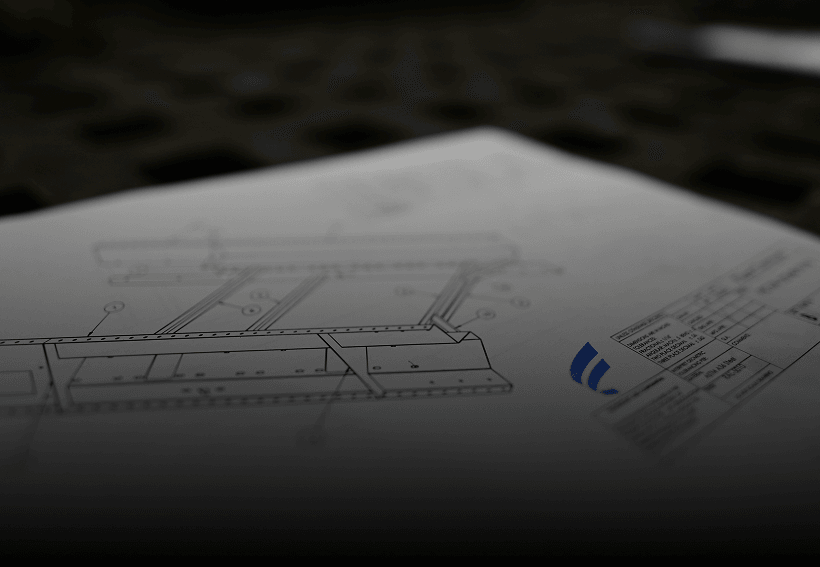
Fluent manufactures conveyors in-house while sourcing specialist components from dedicated manufacturers. Bearings, drives, gearboxes, and belting come from specialist suppliers. See our brand partners for more information.
Under the 2026 wording, externally supplied components fall within a registered buyer's operational control considerations. Supplier selection can therefore involve environmental criteria as well as commercial and quality requirements. In some cases, the buyer may also need evidence from suppliers further up the chain. Our guidance on supply chain strategy explains how this can work across a capital program.
Component suppliers are qualified before their parts reach a machine. Learn more about our approach to vendor relationships:
Vendor requirements: the criteria a supplier meets to be approved
Supplier code of conduct: the conduct expected of an approved supplier
Vendor quality assurance: the quality obligations attached to supplied parts
Conflict minerals policy: material provenance in the tin, tantalum, tungsten, and gold supply chain
Certifications and test data for supplied components are available to end customers on request. These records are issued by the component manufacturer, not Fluent. The approved vendor process explains how a supplier is added to the approved list.
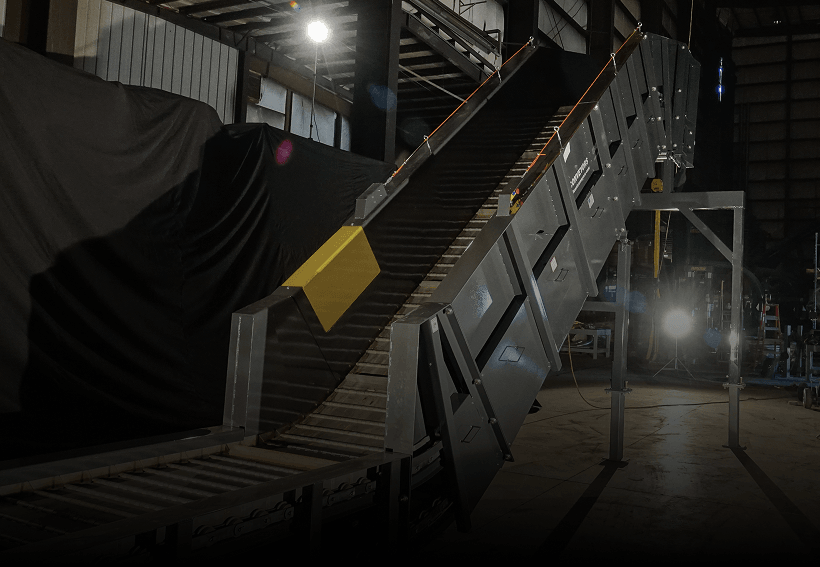
An ISO 14001 certificate tells you whether a supplier's environmental management system has been audited within a stated scope. It does not provide all the machine-specific information a buyer may need.
Read the scope statement instead of simply confirming the certificate number. A certificate identifies the activities and sites covered by the audit. Registration that covers only a head office, for example, doesn’t cover how equipment is manufactured. Our guide to evaluating conveyor manufacturers covers verification across the other standards commonly cited in a bid package.
Other related documents:
ISO 9001: quality management at the organization level, structured the same way
ISO 45001: occupational health and safety management, which applies to the employer
Sustainability and ESG in EPCM projects: how environmental obligations are allocated across a capital program

You should include environmental and documentation requirements in your RFQ. Send the conveyor type, facility location, material and throughput, cleanout and washdown method, supplier obligations in your terms, and the records your management system requires at handover. Our RFQ writing guide covers the rest of the package.