





Copyright © 2026 Fluent Conveyors, LLC. All rights reserved.

The Fluent Conveyors logo is a registered trademark of Fluent Conveyors, LLC. Serial Number 97664258 Registered on Dec. 12, 2023


Copyright © 2026 Fluent Conveyors, LLC. All rights reserved.
The Fluent Conveyors logo is a registered trademark of Fluent Conveyors, LLC. Serial Number 97664258 Registered on Dec. 12, 2023
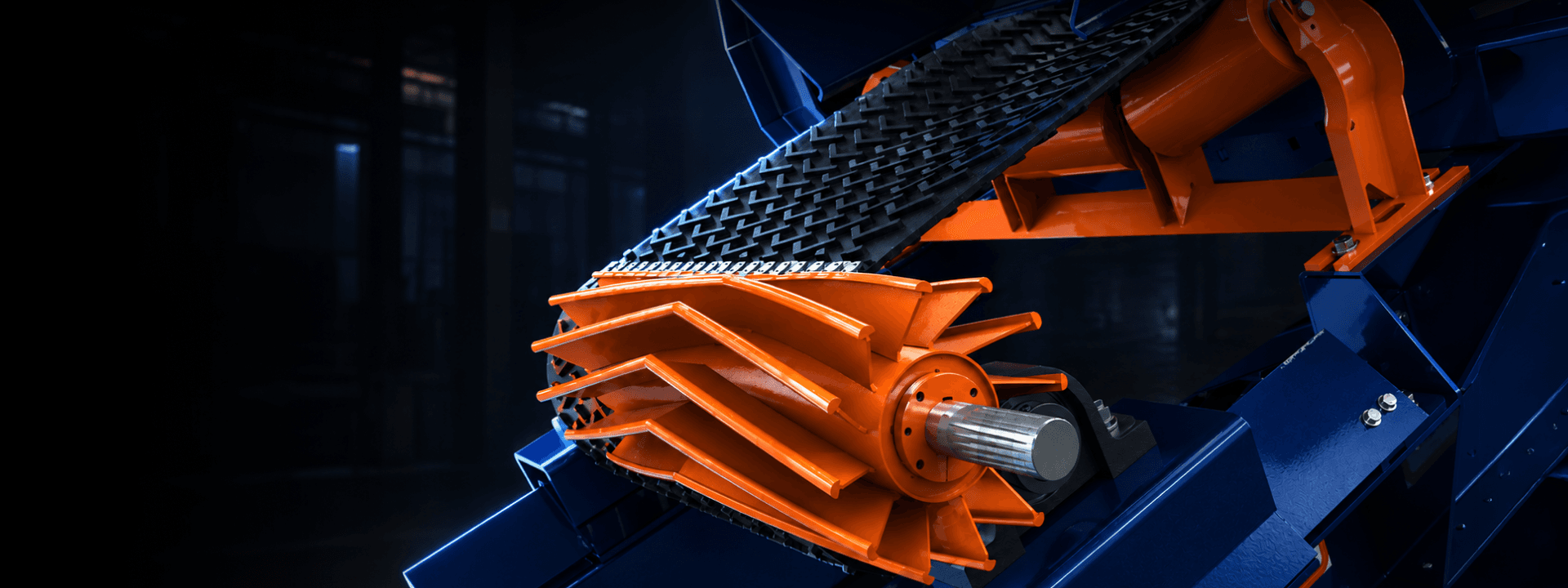
Wing pulleys and drum pulleys of the same diameter do not carry load the same way, and they are covered by different standards. ANSI/CEMA 501.1 sets ratings and dimensions for welded steel wing pulleys. Fluent specifies to it whenever a conveyor application calls for a wing pulley.

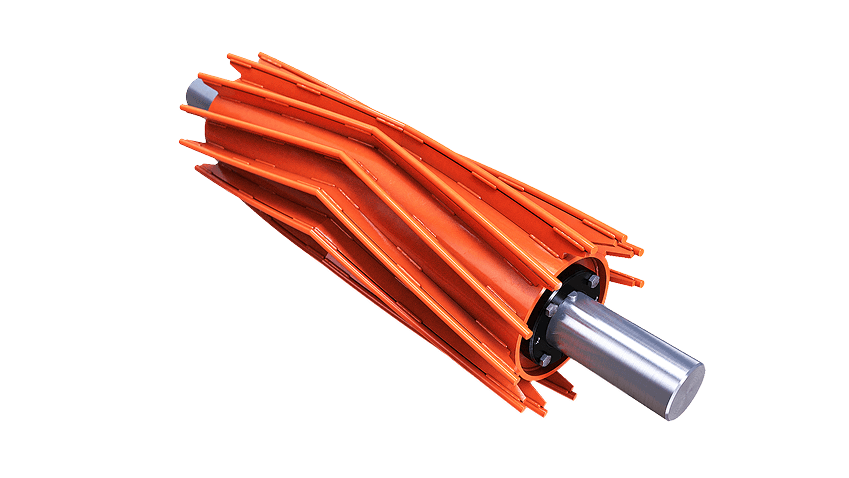
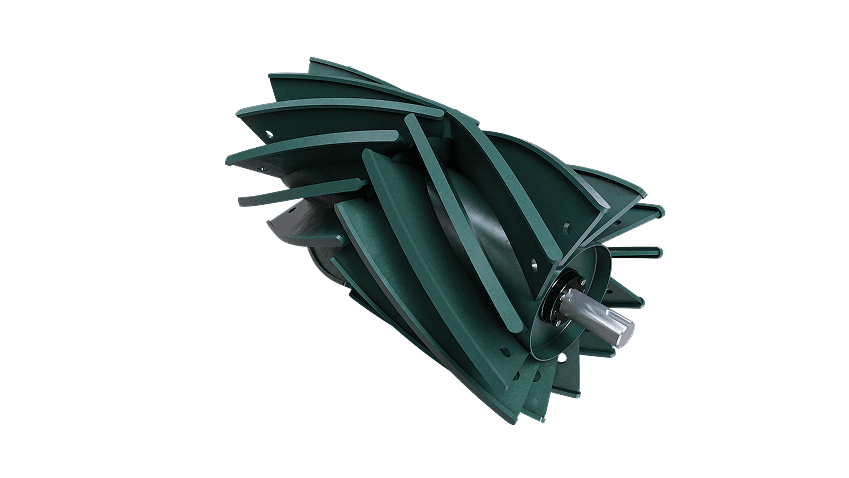
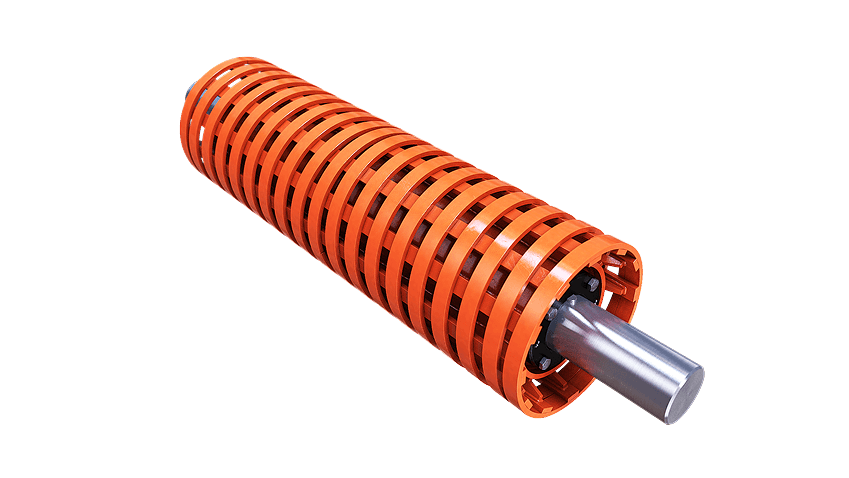
CEMA 501.1 applies to welded steel wing pulleys (wings welded to end discs and a hub, with the belt contacting a series of wing surfaces rather than a continuous rim). The standard provides ratings, dimensions, and a selection method, and our wing pulleys are specified against it.
CEMA 501.1 describes compression-type hubs that clamp to the shaft rather than being keyed or welded. Taper-lock, XT, and QD systems all use that type of fit. Pulley bushings therefore need to be specified alongside the pulley itself.
CEMA writes and publishes 501.1 as an American National Standard. There is no certification mark, registry, or testing laboratory behind it, so a wing pulley is not "certified to CEMA 501.1." The manufacturer states which ratings and requirements its construction meets.
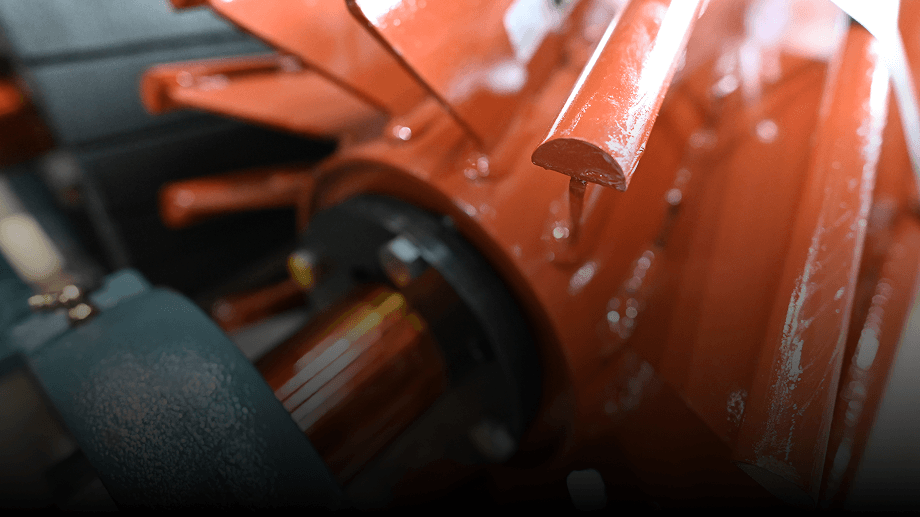
Five common categories fall outside CEMA 501.1. Keeping those limits clear prevents the standard from being cited where it does not apply.
Keyed and welded hubs
Dead shaft pulleys
Return components like beater bars and disc return rollers
Engineered builds
A wing tail pulley and a compression-hub drive pulley can be on the same conveyor and still fall under different documents. Specify the construction by position when ordering replacement parts.
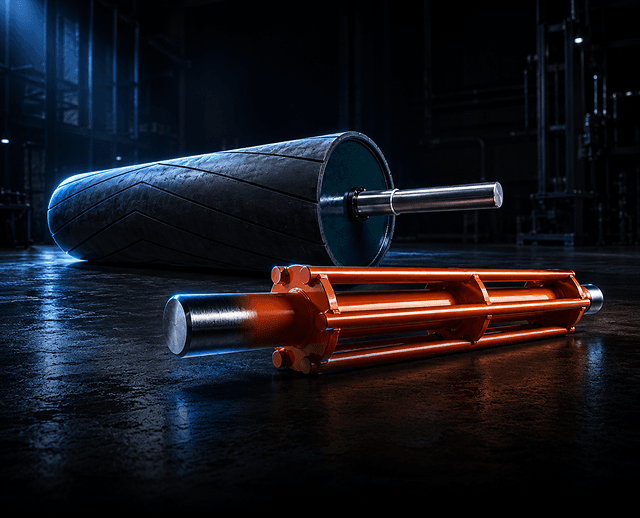
Deflection helps establish bearing centers before the frame is drawn, and those centers determine which pillow block bearings fit the position.
Wing pulleys shed material by design. Wet, sticky, or fibrous material can pack against a continuous rim at the tail pulley. The open spaces between wings let carryback fall away instead of returning through the return idlers.
Material behavior drives pulley choice, which is why bulk material classification is considered before a pulley selection.
Wings parallel to the shaft. General carryback duty on moderate speeds and widths.
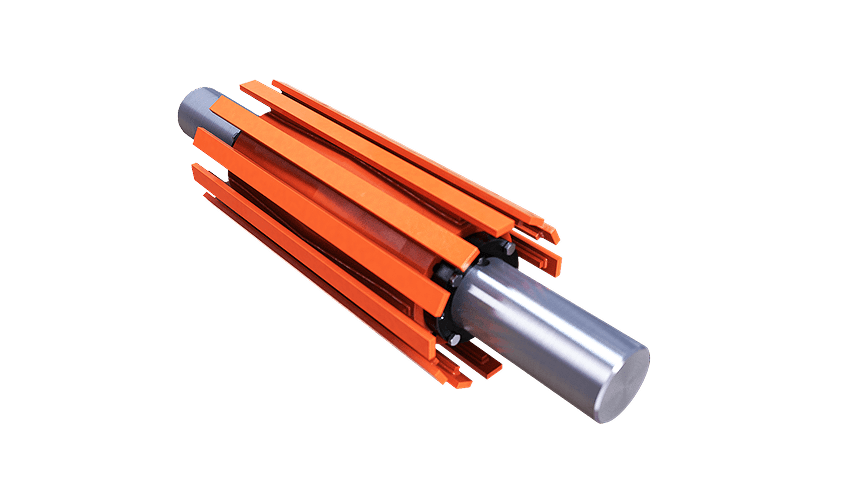
Wing pattern also affects belt flap. Each wing deflects the belt slightly as it enters contact, and the spacing between contacts affects vibration in the carcass. Fluent selects pulleys for the application. Cleaning duty is considered alongside the belt cleaner application class at the discharge end.
We manufacture custom conveyors, and CEMA 501.1 functions within that process as an engineering and supplier specification.
The pulleys themselves come from partner manufacturers that build to CEMA 501.1. Their published ratings give engineering a common basis for comparing options and confirming that a proposed pulley can carry the calculated load.
Wing positions appear wherever the application calls for them on our pulley-driven machines, at head, tail, bend, snub, and take-up locations.
Slider bed conveyors: enclosed carrying runs where a wing tail keeps fines off the return side
Flat idler conveyors: flat-profile belts running mixed and fibrous streams
Trough idler conveyors: bulk and recycling duty, where carryback loads the return run hardest
Radial stackers: stockpiling duty with long return runs and outdoor exposure
Our roller chain conveyors use sprockets and a headshaft rather than pulleys, so CEMA 501.1 does not apply to that architecture.
Pulley selection is resolved during design. Pulley construction, shaft, and bearings are released together with the rest of the machine. The testing that follows is covered under conveyor quality assurance.
Ratings apply to the nominal bare pulley diameter. Any lagging specified at that position increases the finished outside diameter.
Both standards cover welded steel pulleys with compression hubs, and both can apply on the same conveyor. A drum pulley may drive the head while a wing pulley sheds carryback at the tail, with each construction rated under its own standard. Our replacement conveyor pulleys catalog includes both.
Duty terms such as CEMA rated, mine duty, and super duty sit above the two standards rather than inside either one. They describe construction tiers used by manufacturers. The B105.1 page explains how those tiers relate to published ratings.
Idler class follows the same logic. CEMA rating tables map class onto part numbers for the carrying and return assemblies either side of a pulley position.
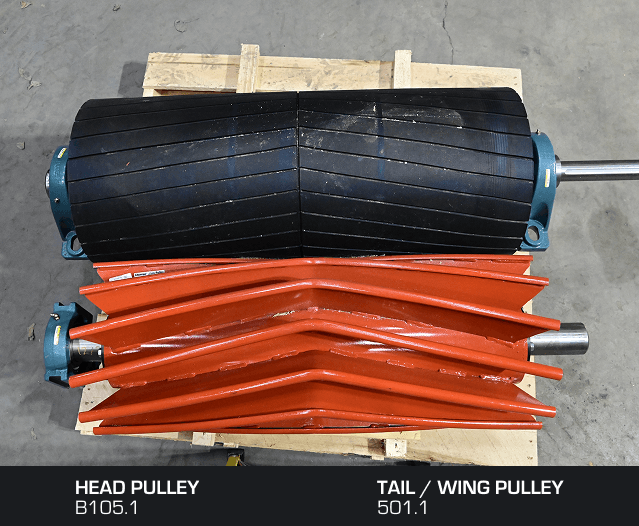
ANSI/CEMA 501.1-2021 is the current edition. You can cite that edition directly or use wording such as "or current edition at time of order." Our RFQ writing guide covers that phrasing along with the rest of a standards clause.
A call for limited substantive changes to 501.1 went out in 2025, so a revision may be published inside your procurement cycle. Confirm edition currency at order. See our procurement checklist for more information.
Specifications and search results may show the designation as 501-1 or 501 1. CEMA publishes it as 501.1, and that is the form to use in a formal standards clause.


Pulley construction should be defined during quoting. Send the conveyor type, pulley position, belt width and tension, the material and how it behaves in your facility, and any existing drawing you have.