









Copyright © 2026 Fluent Conveyors, LLC. All rights reserved.
The Fluent Conveyors logo is a registered trademark of Fluent Conveyors, LLC. Serial Number 97664258 Registered on Dec. 12, 2023


Copyright © 2026 Fluent Conveyors, LLC. All rights reserved.
The Fluent Conveyors logo is a registered trademark of Fluent Conveyors, LLC. Serial Number 97664258 Registered on Dec. 12, 2023
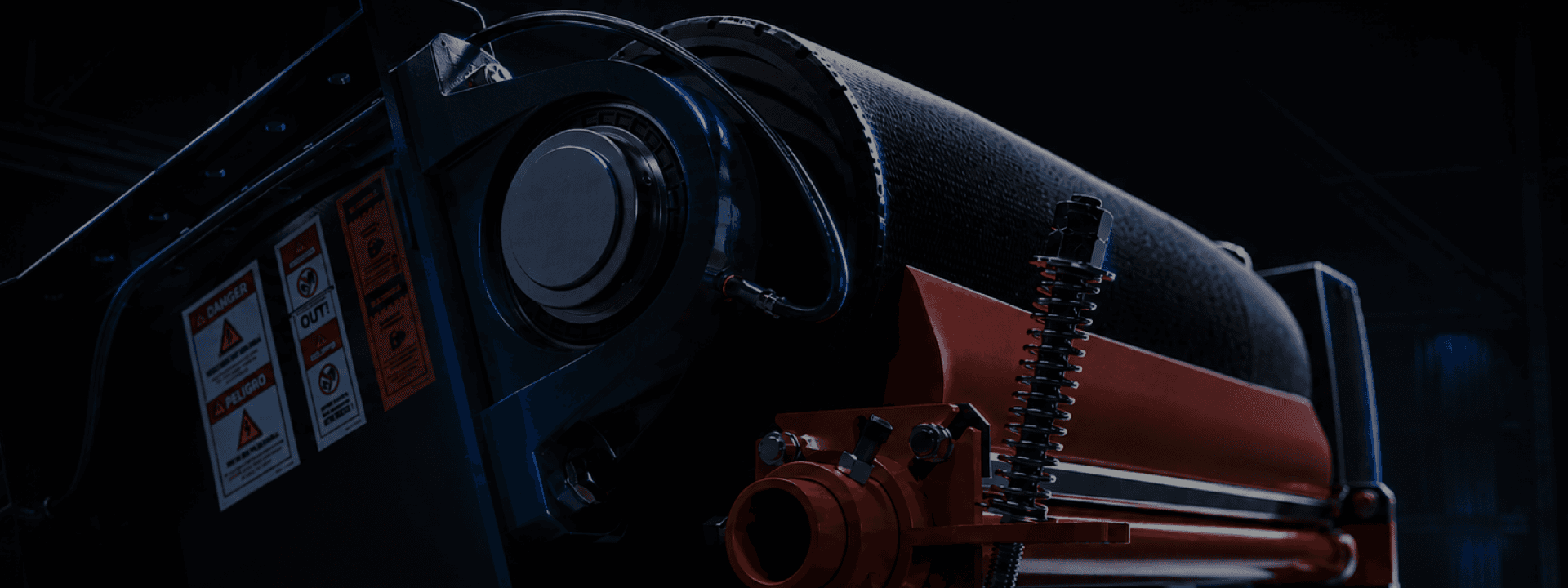
CEMA 575 covers impact bed and cradle selection and dimensions on bulk material belt conveyors. It rates the bed against the weight and fall height of the material landing on it, and fixes the dimensions on both sides of the interface, so a bed from one manufacturer fits a load zone framed around another's idlers. Fluent applies it wherever a bulk belt conveyor has a defined loading zone.

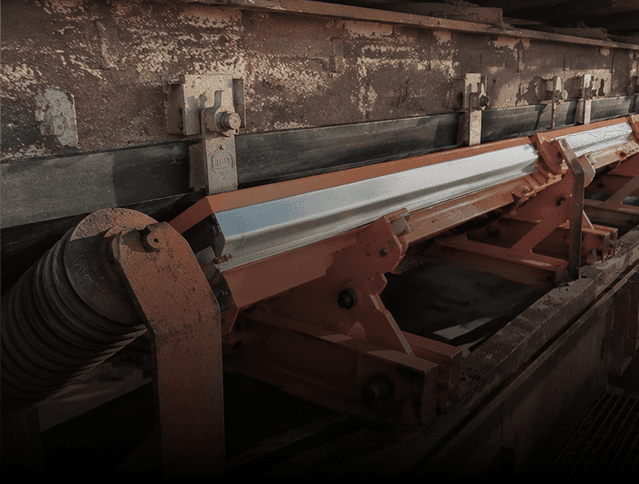
Impact beds and cradles support the belt at drop zones. They reduce premature idler failure and belt damage in that zone. CEMA 575 provides manufacturers with a uniform method of rating and dimensioning impact beds and cradles. It also maintains alignment with CEMA 502 idler standards.
The published contents cover five areas.
Rating system: three impact classes tied to material weight, fall height, and conveyor idler class
Dimensions: the bed and cradle envelope, held to the idler geometry the bed sits between
Location: where the bed belongs relative to the material stream and the carrying run
Selection: the method for matching a bed to an application, with a worked example
Power requirements: the drag a sliding bed adds compared with the rolling support it displaces
The standard doesn’t restrict bed construction. A manufacturer keeps full design freedom as long as the rating and dimensions match the standard, which allows replacement impact beds from different makers to interchange.
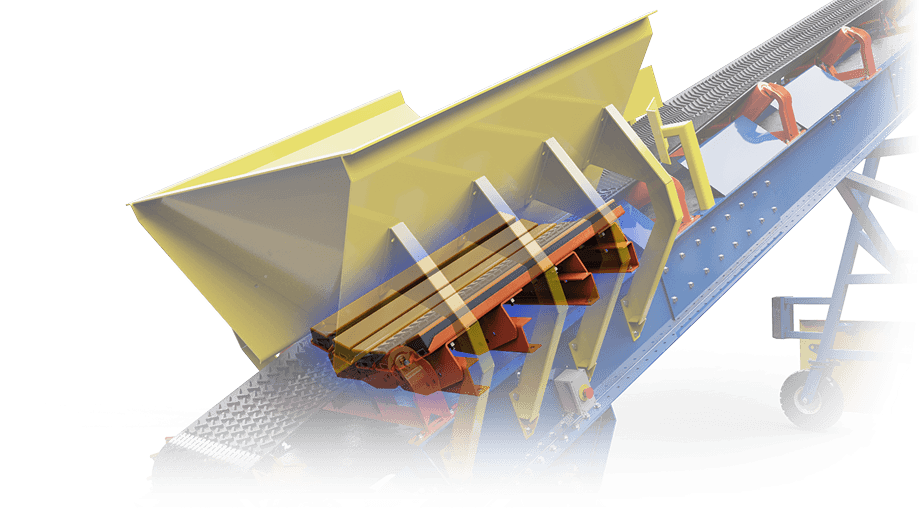
The document governs one component, in one location, on one class of machine, not an entire conveyor. CEMA 575 doesn’t cover:
CEMA 575 classifies the energy arriving at the belt (or how heavy the largest lump is and how far it falls).
Material behavior is covered separately, so send the classification alongside these figures. Bulk material codes cover density, lump size, and abrasiveness.
Our engineers apply 575 once the loading zone is defined, then coordinate the bed against the idler class and the belt construction. Load zones on trough idler conveyors are the most common application, where shredded metal, aggregate, and C&D debris fall from a chute or an upstream discharge and the bed absorbs energy that would damage idlers.
We fabricate or source beds depending on the build requirements. Where we fabricate, our engineers assign the impact class. When needed, we source from manufacturers that offer the required class. We choose manufacturers based on quality, safety, and regulatory compliance.
We calculate the added drag created by the bed in our drive horsepower requirements. Horsepower runs from Belt Book methods with the bed included, so add load zone length to your RFQ.
The current printing is CEMA Standard No. 575-2013, 17 pages, revising the 2000 edition. Write it as CEMA 575 rather than ANSI/CEMA 575. CEMA maintains 13 American National Standards, and 575 is not among them.
575 hasn’t been updated since 2013, while idlers moved to a separate 2022 document. Name the current edition of each standard, or add "or current edition at time of order," to keep a clause off a superseded printing. Our RFQ writing guide covers phrasing.
The publication ships as a copyrighted single-user PDF, which is why this page describes scope instead of reproducing definitions or tables. Buy it from CEMA or an authorized reseller and confirm the year on the product page. Requirements for setting up an impact zone, and who is accountable for meeting them, are covered in conveyor installation standards.

Impact bed selection gets priced into the quote alongside the idlers and the belt it works with.
Send the material and its classification, largest lump weight, drop height, belt width, trough angle, load zone length, throughput, and whether the machine is new or already in service. Our engineers will confirm what the zone needs before drawings are released.