


Copyright © 2026 Fluent Conveyors, LLC. All rights reserved.
The Fluent Conveyors logo is a registered trademark of Fluent Conveyors, LLC. Serial Number 97664258 Registered on Dec. 12, 2023


Copyright © 2026 Fluent Conveyors, LLC. All rights reserved.
The Fluent Conveyors logo is a registered trademark of Fluent Conveyors, LLC. Serial Number 97664258 Registered on Dec. 12, 2023
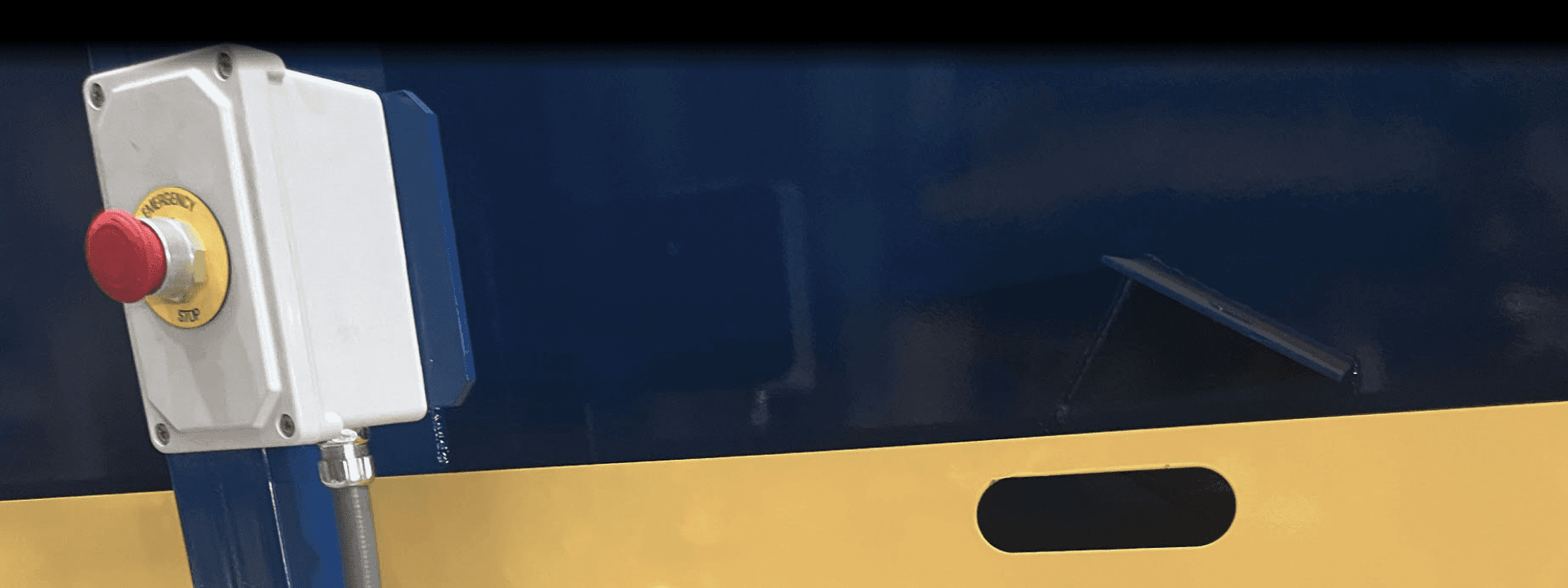
ISO 13849-1 provides a method for designing safety-related machine control systems, including conveyor emergency stops, pull cords, guard interlocks, safety controllers, and monitored drives. In the U.S., it is generally voluntary unless required by a specification or contract. EN ISO 13849-1:2023 was added to the EU harmonized standards list in 2024. See our ISO compliance overview for how it fits with other ISO requirements.

ISO 13849-1 applies to the safety-related parts of control systems, usually abbreviated SRP/CS, that perform safety functions. It covers hardware and software across electrical, hydraulic, pneumatic, and mechanical technologies. For conveyors, its scope is the safety-related control system, not the mechanical frame, belt, chain, or structure.
The standard has clear limits.
SO 13849-1 is a type B machinery safety standard. It provides a method that applies across many machine types. The broader risk assessment starts with ISO 12100, while conveyor-specific requirements on U.S. projects come from ASME B20.1.
A conveyor component enters the standard's scope when it participates in a defined safety function.
This is a general categorization. A component might be safety-related on one machine and perform a non-safety function on another.
Performance level, or PL, describes the ability of a safety-related control system to perform its safety function. ISO 13849-1 uses levels from PL a through PL e. The target for a function is the required performance level, or PLr.
ISO 13849-1 does not assign the PLr for a conveyor. It comes from the machine risk assessment. Project documents should also identify who is responsible for that assessment and for carrying requirements across equipment boundaries. Our RFQ writing guide explains how to send those requirements to Fluent.
Three factors determine PLr.
Severity of injury: Hazards such as a head-pulley nip point on a pulley-driven conveyor or chain-and-sprocket engagement on a sprocket-driven conveyor can cause serious injury.
Frequency or duration of exposure: Cleaning, jam clearing, inspection, and maintenance may create more exposure than normal production alone suggests. Our guide to reducing conveyor hazards covers common exposure points.
Possibility of avoiding the hazard: Speed, stopping distance, access, visibility, and the way a person encounters the hazard all matter.
Fluent builds to the performance-level requirements named in the project specification. On an integrated line, those requirements also have to work across machine boundaries, which is why controls interfaces are inserted into a multi-vendor installation plan before fabrication.
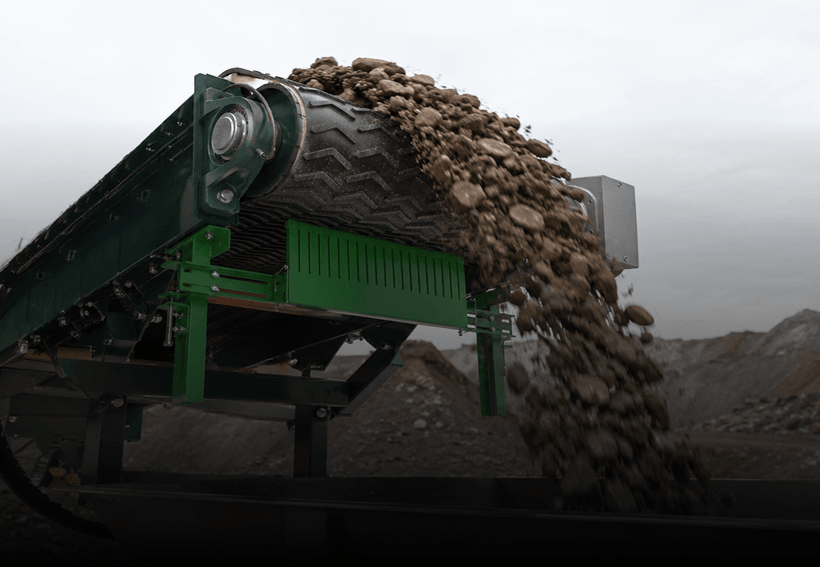
A safety function defines what the machine must do when a specific safety condition occurs. On a custom conveyor, the required function and PLr determine which components become safety-related.
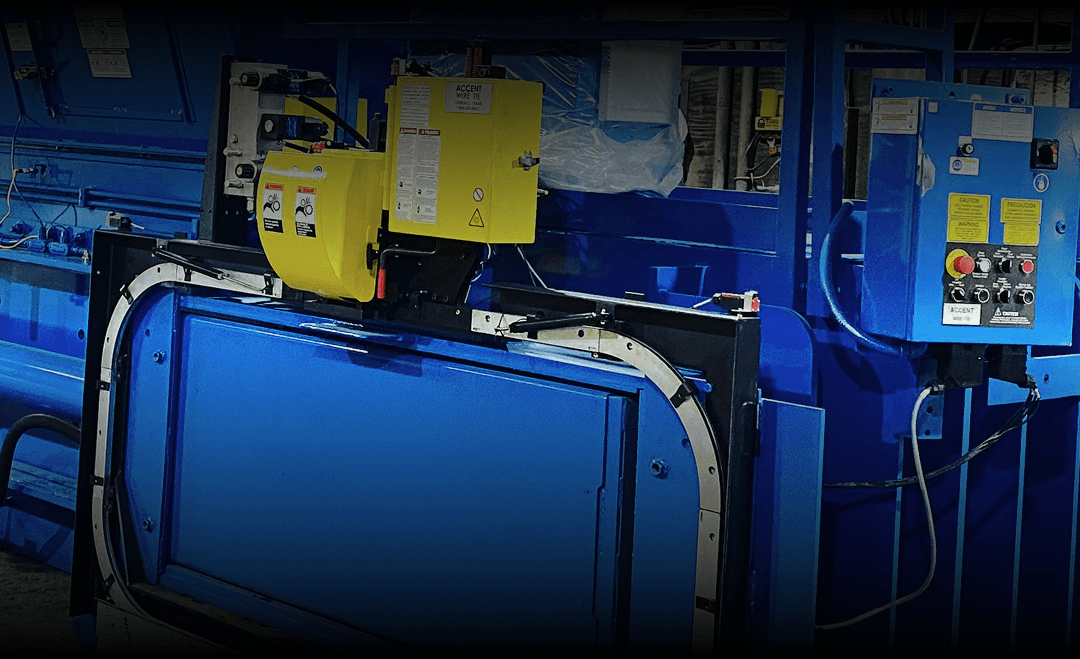
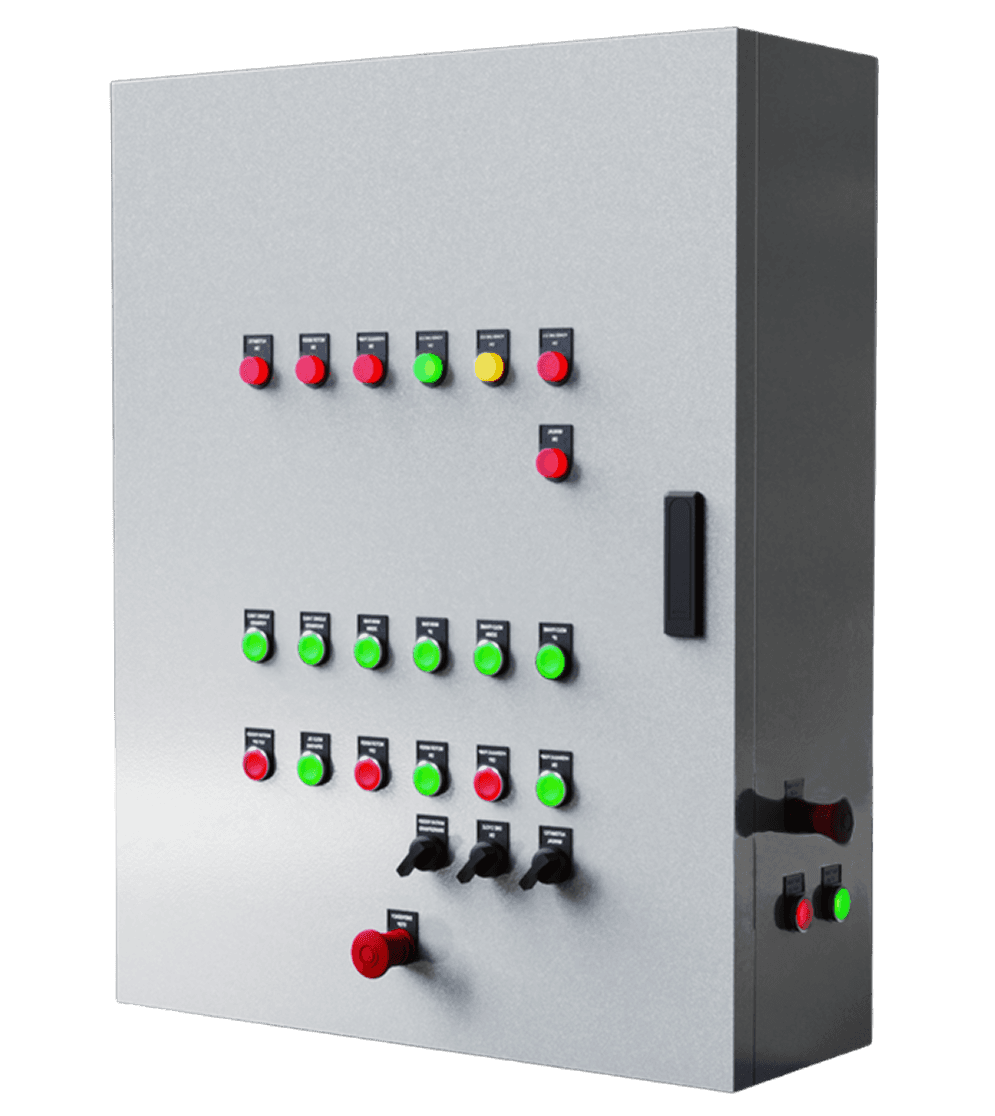
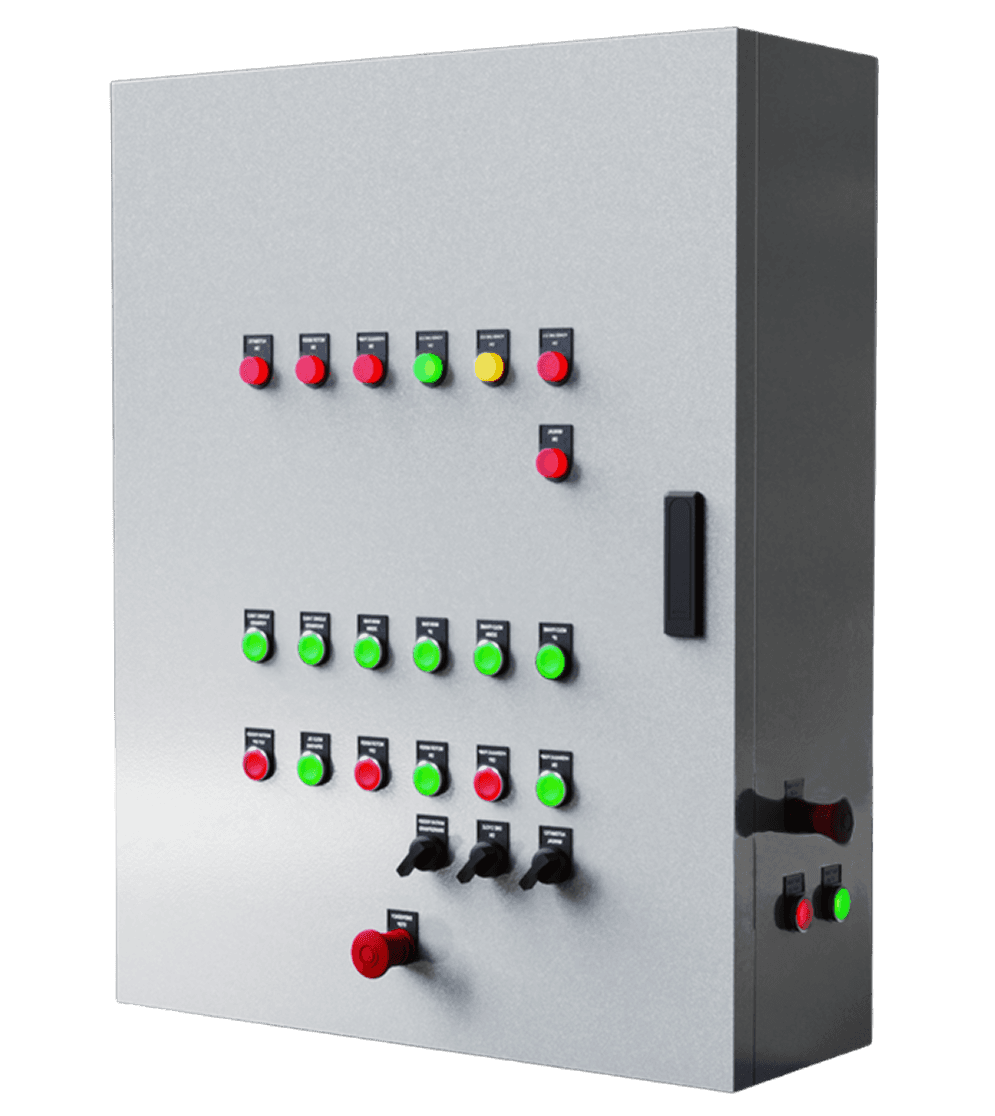
Architecture has a major effect on the performance level a function can achieve. The design has to match the required function and PLr, which is resolved during control panel design.
Typical conveyor safety functions can include stopping after an emergency-stop or pull-cord actuation, preventing restart while a guarded zone is open, monitoring braking, or confirming standstill before access is allowed. When a drive, sensor, or other device participates in one of those functions, its safety-related characteristics have to be considered as part of the complete chain. The stop and interlock logic is established during controls programming.
Validation applies to the complete safety function. If emergency stops, interlocks, controllers, drives, or other devices come from multiple vendors or already exist on site, the scope boundary has to be defined before anyone states the achieved performance level. Our quality assurance page explains the records Fluent maintains for its work.
Safety controls have to work in the real operating environment. Access, cleaning, jam clearing, maintenance, and troubleshooting should be considered when the safety function and surrounding machine geometry are designed.
This is important on recycling and waste equipment, where operators may need frequent access for cleaning, inspection, and jam clearing.
Common problems include:
A jam that is difficult to reach without opening or passing a guard.
A pull cord positioned where routine cleaning or material movement can trip it unintentionally.
A take-up or lubrication point placed inside a hazard zone.
An interlock arrangement that makes normal inspection or belt tracking difficult.
Access geometry, cleanout provisions, take-up reach, lubrication points, and safety-device locations can all be addressed on the drawings.
Once the conveyor is operating, training, inspection, maintenance procedures, and lockout practices remain part of the employer's safety program. Our safety guides cover those operating responsibilities.
Feed control can help as well. A conveyor fed at an uncontrolled rate is more likely to jam, increasing the need for intervention. Metering material with a tumble-back conveyor, for example, can reduce those interventions, but it does not replace required guarding or safety functions.
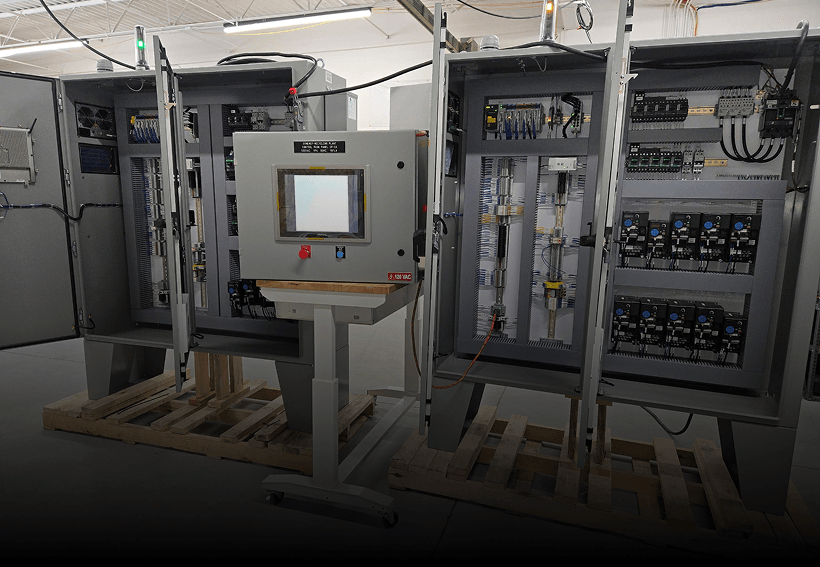
Applicable standards and customer requirements
Mechanical and controls engineering
Guarding and safety device verification
Operational testing and QA records
Manuals, drawings, and customer handoff
Stage 1 records the standards named in the project, the destination market, the PLr assigned to each safety function, and the buyer's internal EHS requirements. Engineering then develops the machine around the material, bulk density, throughput, incline, guarding scope, and controls requirements. As an American conveyor manufacturer with in-house controls capabilities, Fluent can address the mechanical and controls interfaces during engineering.
Each safety requirement should be traceable to a design or project record.
We install guards, safety devices, and labels during pre-ship testing. Each conveyor then runs assembled for more than 10 hours while safety stops, electrical function, speed, tracking, alignment, and noise are checked. See the roller chain owner's manual for an example of how residual risks and maintenance intervals are communicated to the customer.
On engineered projects, the required audit and build records are defined under quality, safety, and regulatory compliance.
Physical fit does not prove that a replacement is equivalent in a safety function. A replacement emergency-stop device can fit the same cutout and operate at the same voltage while differing in contact arrangement, reliability data, or diagnostic behavior.
Mechanical spares are usually evaluated against mechanical and application requirements. A replacement belt, for example, is normally a mechanical and application decision unless the change also affects a safeguard or safety function. Parts that do affect a safeguard or participate in a safety function require an additional review.
Fluent supplies replacement components with the manufacturer's documentation. We do not independently test replacement devices for functional-safety equivalence before shipment. If a substituted device participates in a safety function, the party responsible for the machine should confirm that the complete function still meets its requirements. Engineering review of a proposed substitution is available through service and support.
For that review, send the serial number, the safety function the part serves, the candidate device's technical and reliability data, and any change in how the machine is operated. If Fluent built the conveyor, the original build record can be used as the comparison point.
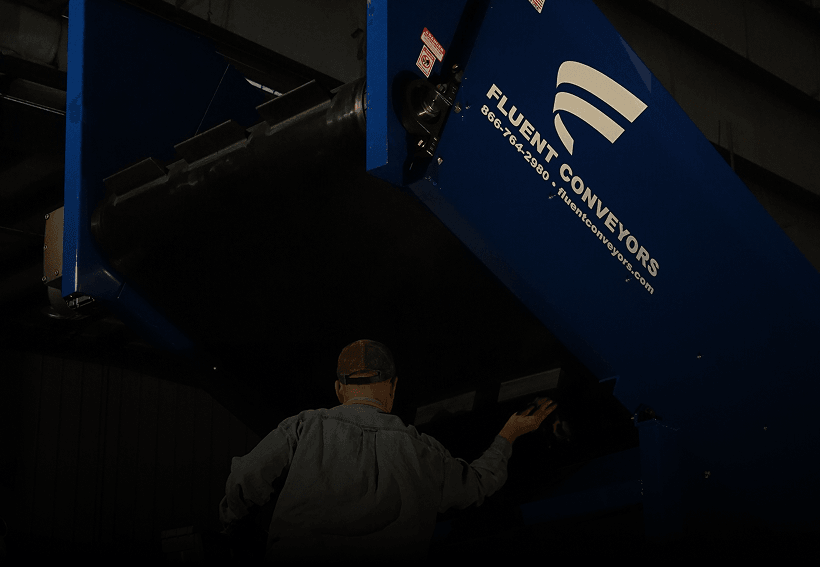
A retrofit can change the basis on which a safety function was designed and validated. Replacing an obsolete relay with a programmable device, adding a new device to an existing panel, or changing stop behavior can all affect the resulting function.
The modified function should be reviewed and validated as a complete system, with responsibility for the change clearly documented. If a stop function or guard no longer performs as the conveyor was built, the machine may also fall outside the terms of our warranty coverage.

For a project, the simplest approach is to name the edition in the specification. Fluent builds to the edition the project requires, so settle it before fabrication. Our procurement checklist covers the other records worth defining at the same stage.
Regulation (EU) 2023/1230 on machinery enters into effect on 20 January 2027. Projects spanning that date should confirm which legal and conformity framework applies when the machinery is placed on the European market. Our export shipping policy covers the documentation Fluent provides with exported equipment.
ISO 13849-1 covers one part of conveyor safety. Projects may cite several related standards, each answering a different question. Our standards overview explains the organizations and standards families behind them.
Panel construction, certification, and enclosure requirements are addressed separately from functional safety. UL 508A compliance does not by itself establish the achieved performance level of a safety function.
Third-party review and certification requirements for export projects are covered on our TÜV compliance page.
OSHA requirements are separate from ISO and other voluntary standards. Applicable workplace guarding, lockout, and other employer obligations remain enforceable under OSHA.

Send safety requirements with the RFQ so they can be addressed in the design, controls scope, pricing, and schedule from the start. Include the conveyor type, destination market, material and bulk density, throughput, controls scope, the PLr for each safety function or the risk assessment behind it, and any internal EHS specification the project must meet.
Fluent can then identify what falls within our scope and what needs to be resolved with the integrator or other suppliers before fabrication.