





Copyright © 2026 Fluent Conveyors, LLC. All rights reserved.

The Fluent Conveyors logo is a registered trademark of Fluent Conveyors, LLC. Serial Number 97664258 Registered on Dec. 12, 2023


Copyright © 2026 Fluent Conveyors, LLC. All rights reserved.
The Fluent Conveyors logo is a registered trademark of Fluent Conveyors, LLC. Serial Number 97664258 Registered on Dec. 12, 2023
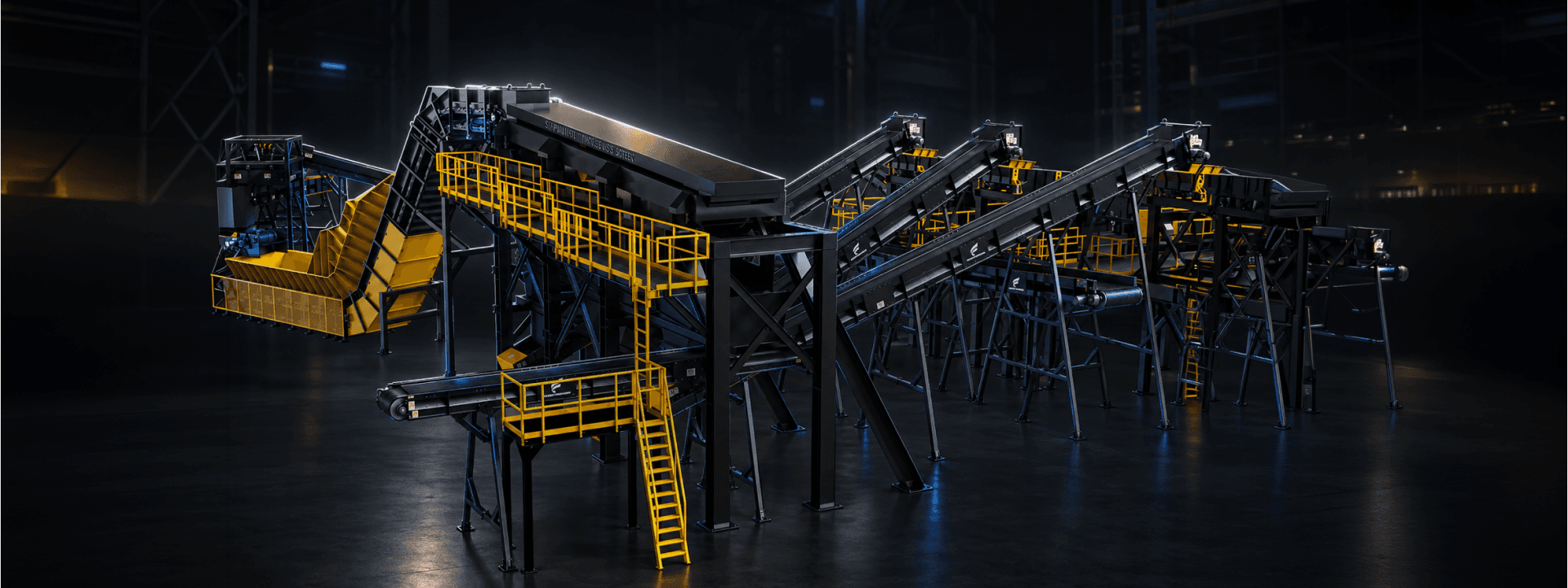
A new conveyor is the better long-term call for most industrial buyers. Thin used conveyor inventory, hidden wear risk, increased compliance rules, and a long service life make the math favor new. But used conveyors still have a legitimate place.
We’ll discuss the pros and cons of both options and explain how Fluent Conveyors can help you with either path.

Buy new when the conveyor is doing work that your operation can’t afford to interrupt.
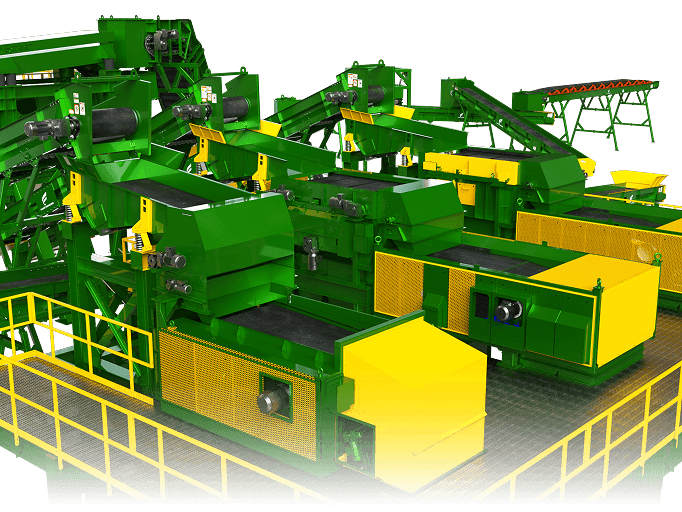
Fluent builds custom conveyors for these situations and other demanding applications. Every system is engineered to the application and delivered with current control hardware, documentation, and warranty.
Used equipment has a legitimate place when the application profile is forgiving. The decision works when most or all of the following are true:
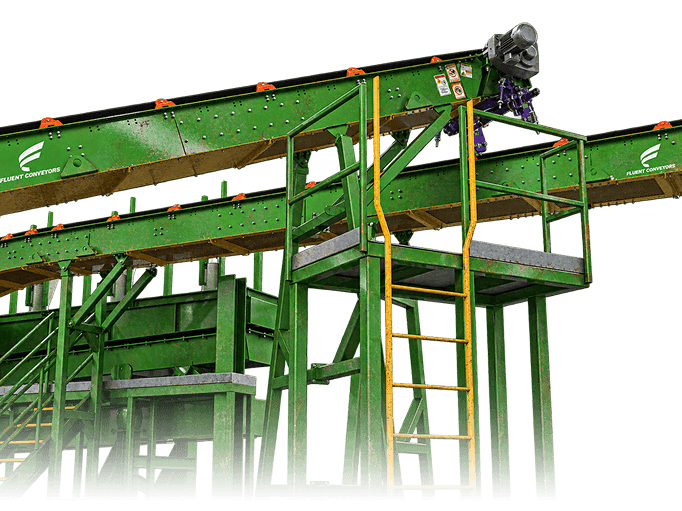
Inside that envelope, used conveyors can save you a lot of money. Outside it, the savings often evaporate by the end of the first year.
The headline discount on a used conveyor is rarely the full cost. These expense categories close most of the gap between used and new:
A "50% off" used conveyor that needs new belts, a controls upgrade, and freight from across the country frequently lands at 65–80% of new once it is commissioned and running.
Sticker price doesn’t accurately capture the price difference between new and used conveyors. The better metric is cost per operating hour over the usable life of the equipment. A well-maintained industrial conveyor runs 10–20 years; over that horizon, the variables that matter most are unplanned downtime frequency, energy consumption, parts availability, and the labor cost of keeping the system in compliance.
A new conveyor concentrates cost in year one and amortizes it across a long, predictable service life with known specifications. A used conveyor distributes cost across the purchase price, the retrofit budget, ongoing repairs, and the operational drag of components that may not match current standards. For a production-critical asset, the second path almost always carries more total cost and more variance, even when the upfront price is significantly lower.
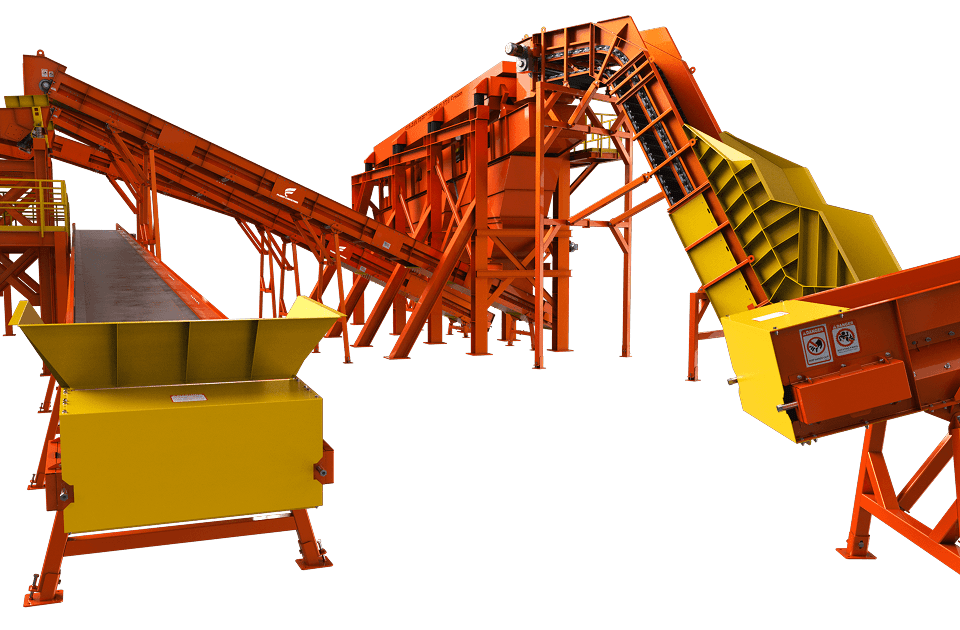
Used equipment can ship within days, but adding dismantle, freight, installation, and integration time often closes the lead-time gap. New conveyor lead times are predictable: once drawings are approved, Fluent's manufacturing process takes 10–12 weeks for a custom unit.
Compliance standards have tightened steadily over the past decade, and aging conveyors are the most common point of friction with insurers, AHJs, and OSHA inspections. The most consequential gaps to check:
UL 508A panel compliance: the current standard governs industrial control panels in North America, and many pre-2020 panels will not pass. Fluent equips every new build with a UL 508A-listed control panel.
Current ANSI/ASME B20.1 guarding requirements have expanded; older equipment frequently lacks pinch-point guards, return-roller guards, or e-stop coverage.
OSHA 1910.147 lockout/tagout provisions may not be satisfied by older conveyor electrical design or e-stop configurations.
Federal medium electric motor efficiency rules, effective June 1, 2027, require NEMA Premium efficiency for motors up to 100 HP and NEMA Super Premium for 100–250 HP. Used motors built before the current threshold will not meet the new floor.
A used conveyor purchased today can only be compliant tomorrow with a retrofit.

If you’re leaning toward a used conveyor, have your maintenance engineer or millwright check the following before a purchase agreement:

We design and manufacture custom conveyors for plants that need a long-running, application-specific build. If a used unit is the better fit, we'll connect you with a dealer who works in your industry, and we'll supply the belts and parts to keep your replacement unit running.
Custom-engineered new conveyors built to your dimensions, duty cycle, and material profile
10–12 week lead time on new builds, with current control hardware and full documentation
UL 508A-listed control panels and current ANSI/ASME B20.1 guarding on every new unit
Dealer matching for used conveyors
Replacement belts and replacement parts for new or used conveyors, with stock items shipping in 1–3 business days