





Copyright © 2026 Fluent Conveyors, LLC. All rights reserved.

The Fluent Conveyors logo is a registered trademark of Fluent Conveyors, LLC. Serial Number 97664258 Registered on Dec. 12, 2023


Copyright © 2026 Fluent Conveyors, LLC. All rights reserved.
The Fluent Conveyors logo is a registered trademark of Fluent Conveyors, LLC. Serial Number 97664258 Registered on Dec. 12, 2023
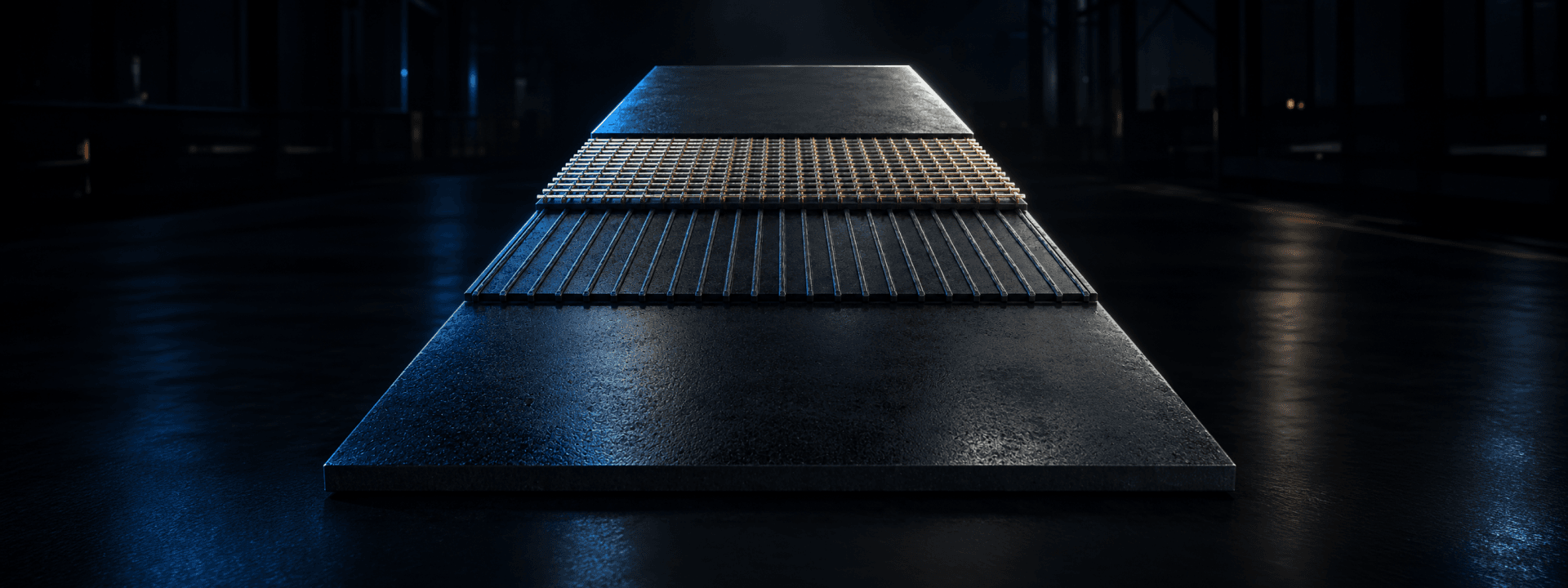
An aramid belt weighs about 46% less than a steel cord belt in the same strength class. That makes aramid a strong fit for long, high-tension conveyors that need steel-cord-level strength with less belt mass. Below, we cover where aramid pays off and where another belt construction makes more sense.

Operations choose aramid when a conveyor needs high belt strength and another constraint affects the design, such as belt weight, take-up space, corrosion, or slitting damage. See our breakdown of fabric conveyor belt types for a refresher on DPP. The table below shows situations where aramid belts make sense.
Aramid belts are exceptionally strong, so their material properties become more valuable as conveyor length and tension increase. Belt mass, elongation, and roll length all have a larger effect on long systems.
Para-aramid fiber is about five times as strong as steel pound for pound, according to the International Agency for Research on Cancer's para-aramid monograph. A Beltcon paper reports that this strength allows a single aramid fabric layer to reach belt strength classes of at least 3,150 N/mm, or about 18,000 lb per inch of width at break.
The same paper compares typical belts in one strength class:
These figures are illustrative. The actual weight difference depends on belt width, cover thickness, breakers, and the safety factor used in the design. Compare data sheets for your specific steel cord replacement belt and the proposed aramid equivalent.


On a horizontal belt conveyor, indentation rolling resistance accounts for about 65% of total friction. This resistance comes from the belt and conveyed load pressing into the bottom cover as the belt passes over each idler. Reducing belt mass reduces the load carried across every idler set on the run.
The effect matters most on long-distance material transport systems that operate for much of the day.
In one paper's model of a 3.3-mile (5.3 km) conveyor, replacing steel cord with an aramid carcass reduced belt weight by 40% and cut belt operating energy by about 15%, equal to roughly 7,000 MWh over five years.
The paper's "up to 25%" figure includes a separate low-rolling-resistance additive in the bottom cover. The 15% figure applies to the modeled carcass change alone, so the two results should not be treated as equivalent.
High-modulus para-aramid fibers break at only 2.0-2.5% elongation, according to IARC data. In a conveyor carcass, that low elongation means less permanent growth under load, reducing take-up travel and the need for re-tensioning compared with polyester or nylon carcasses.
Our guide to belt stretch explains how elongation develops over a belt's operating life.
Carcass construction, operating tension, and splices also affect belt growth, so size your conveyor take-up system from the elongation value on the specific belt data sheet.
A thinner, lighter belt allows more length to fit on each roll. In the same comparison, a 3.1-mile (5 km) system required 12 splices with aramid versus 17 with steel cord.
Fewer splices reduce installation downtime and leave fewer potential weak points in the belt. Roll lengths still need to account for shipping limits and site handling. See our conveyor belt replacement guide for the installation process.
Aramid has been used for more than three decades in phosphate mines and steel plants, primarily for corrosion and heat resistance, according to a Beltcon paper.
On the flat and trough idler belts we supply, these industries and applications commonly specify aramid:
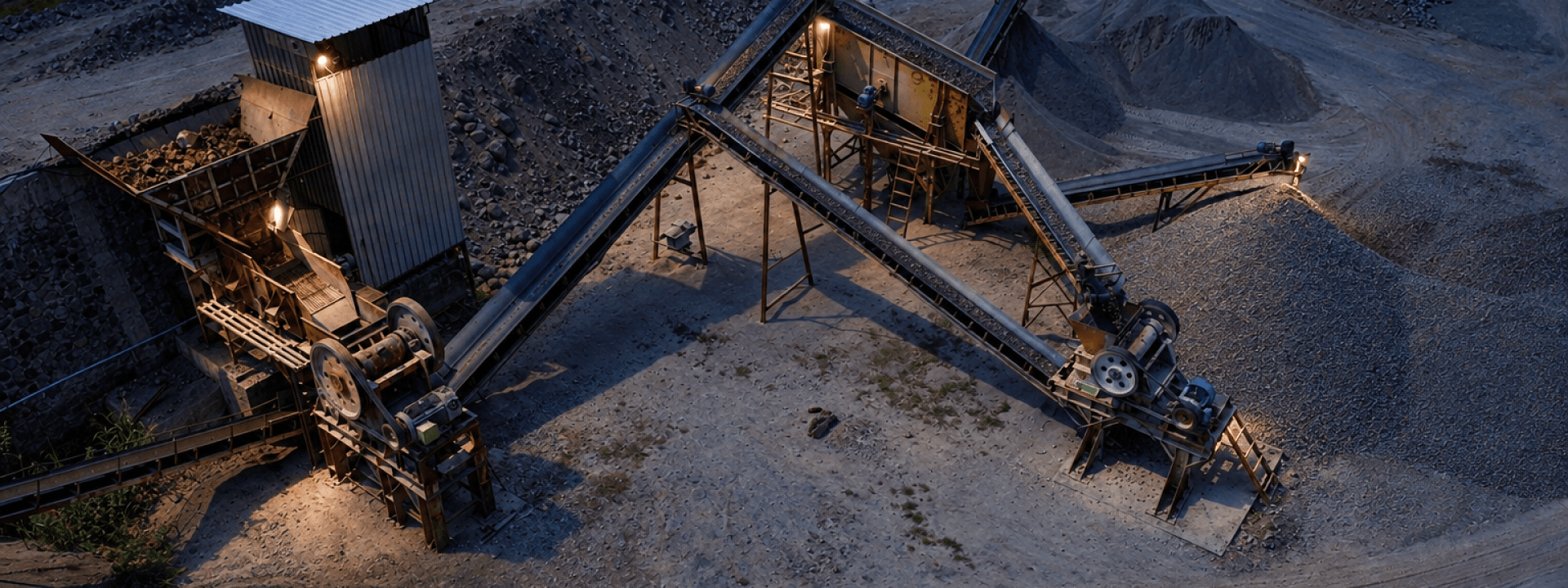
Long plant conveyors, high-lift inclines, and systems with limited take-up space. See conveyors for aggregate plants.
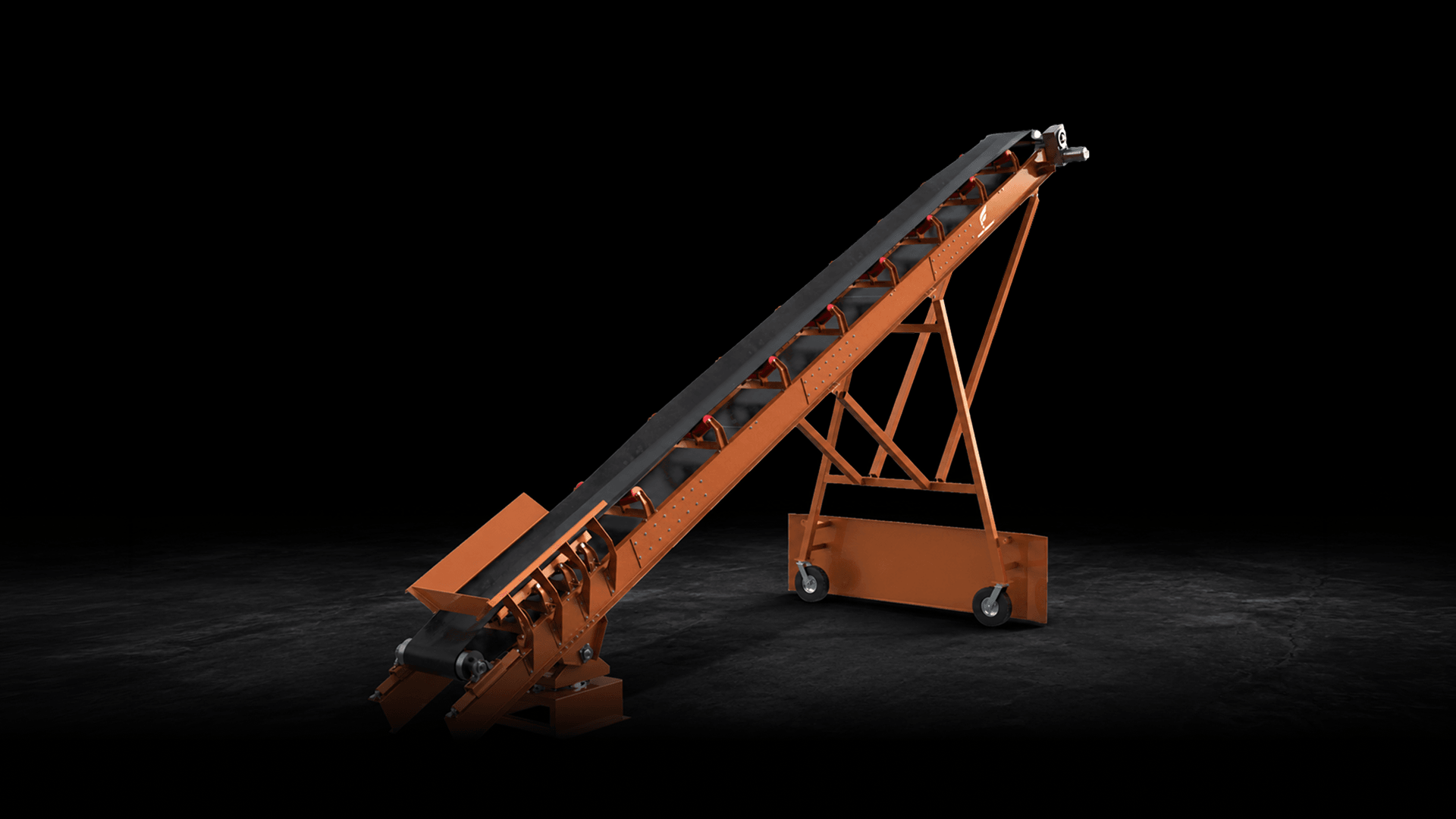
Lower belt mass reduces load on the boom and drive, while low stretch helps maintain steady tension. We spec aramid on our own trough idler radial stackers when the duty calls for it.

DPP fabric resists slitting from sharp, heavy rock, making it a candidate where steel cord belts on bulk material conveyors are repeatedly cut.
Aramid occupies the space between EP fabric and steel cord. It can reach strength classes that would require a thick multi-ply EP belt, while weighing substantially less than steel cord in the same class.
On long systems, total cost depends on more than the purchase price of the belt. Lower power use, fewer splices, and lighter rolls can offset aramid's higher initial cost, so we compare whole-conveyor operating cost alongside the belt quote.
See our guide to steel cord belt thickness for a deeper look at that option.
Aramid solves a specific set of design and operating problems. If your conveyor does not have one of them, you are buying capabilities you do not need.
These are the situations where we typically steer buyers toward other replacement conveyor belts:
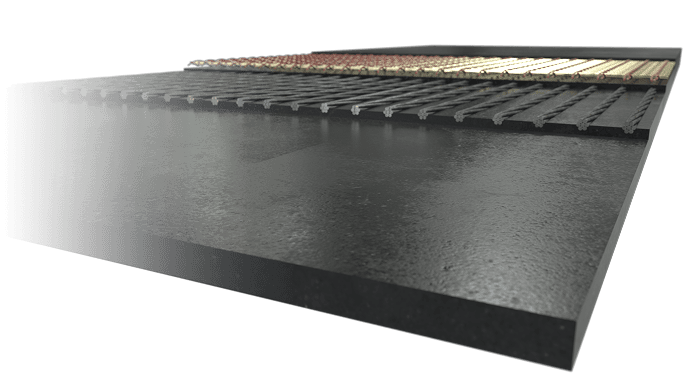
If you are still comparing options, our guide on how to choose the correct conveyor belt walks through the full selection process.
Changing belt construction affects conveyor behavior. Before replacing steel cord or EP fabric with aramid, work through these nine checks:

Not sure aramid is the right choice? Send us your conveyor details, and we'll help compare the options.
We build custom conveyors in the USA and specify aramid belts on our own systems when the duty calls for them. We supply aramid belts in all common constructions, and if EP or steel cord is a better fit for your conveyor, we'll let you know.